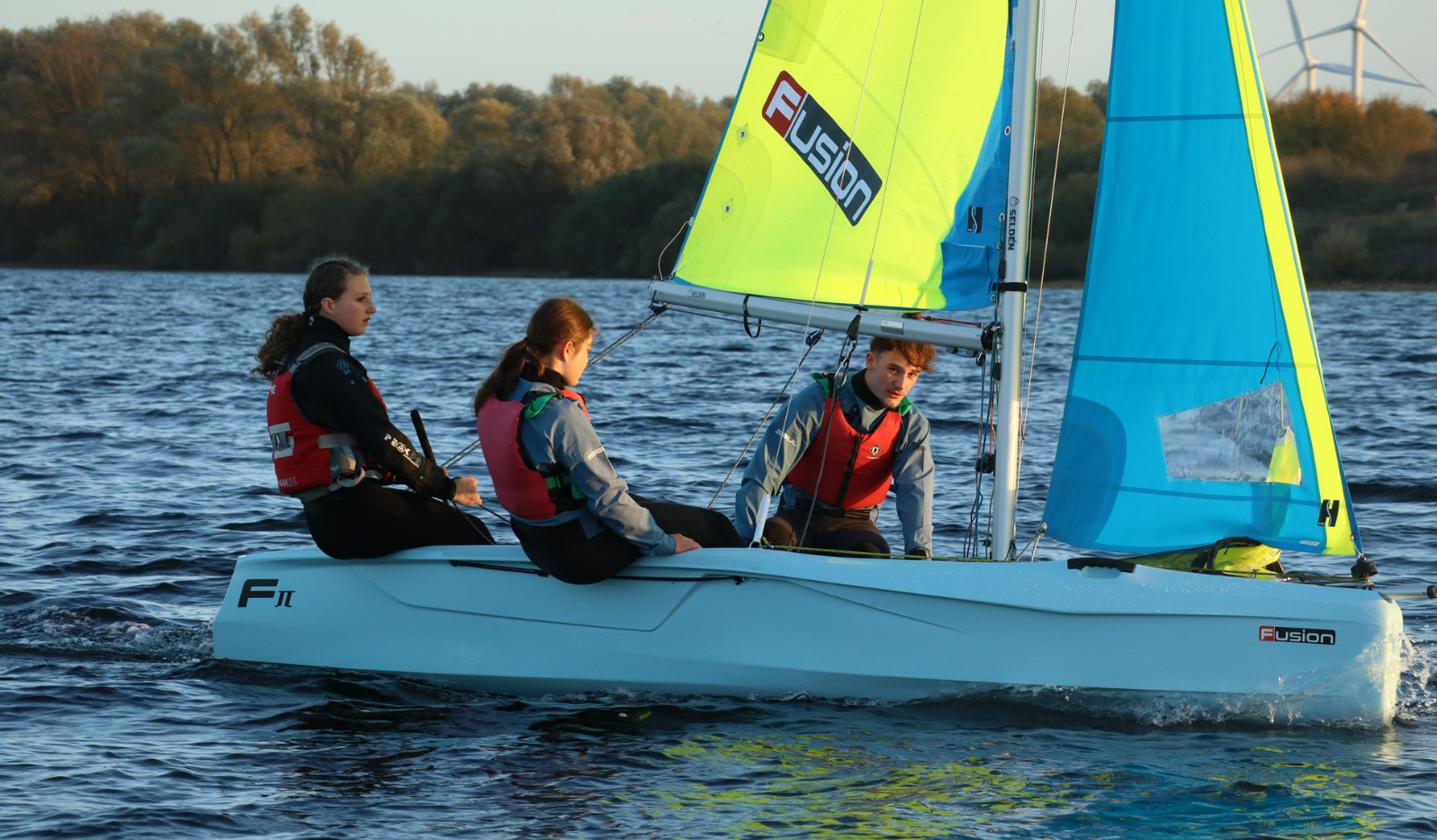

Sailing with Spinnakers is the RYA module that demystifies the colourful sail everyone else seems to fly downwind while you reach for the white flag of confusion. Over about two days you rig, hoist, gybe and drop either a conventional symmetric kite or an asymmetric, depending what the centre teaches. The goal is control at every stage: a clean set, a stable fly, a gybe that stays out of the rigging, and a drop before the sail visits the propeller.
You need Level 3 skills from Better Sailing or Stage 4 before you start. Instructors coach crew roles loudly at first, then quieter as timing improves. Spinnaker work is teamwork. The helm holds course while crew handle sheets like a choreographed argument.
Most students remember one disastrous hoist on day one and a tidy gybe on day two. That is normal. Centres may teach one spinnaker type deeply rather than both. Ask when you book which kite your club fleet uses. Matching the course to your boat saves translating skills later.
Sailing with Spinnakers is assessed practically and continuously by your RYA instructor. No written exam.
Quick answers about this qualification. For anything else, use live chat or browse bookable activities below.
Find activitiesIt is an RYA advanced dinghy module teaching spinnaker rigging, hoists, gybes, drops and downwind course choice for either symmetric or asymmetric sails.
You learn one type thoroughly at most centres rather than skimming both in two days.
Better Sailing Level 3 or Stage 4 with solid tacks and gybes without a kite.
Leave a comment when you book if you learned abroad; instructors still need confident basic boat control.
About two days or sixteen hours. Windy weekends can cover more gybes; calm days focus on rigging and simulated drops.
Do not expect symmetrical mastery of both kite types unless the centre explicitly offers that.
Centres choose based on fleet boats. Sport boats and many cruisers use asymmetric; traditional dinghies may use symmetric with a pole.
Ask before booking so you train on the sail your club actually flies.
No written test. Assessment is on the water throughout the module.
A tidy gybe with calm voices matters more than peak boat speed.
Wetsuit or waterproofs, gloves for sheets, water and snacks. Sunglasses help spotting luff curl.
Centres provide boats, kites and buoyancy aids. Bring a willing crew partner if possible.
Fly spinnakers on club boats, move to Start Racing or refine speed in Performance Sailing.
Cruising yachts with cruising chutes benefit from the same teamwork habits.
Possible in gusty gybes, with safety cover nearby. Tell your instructor if you want a slower progression.
Capsize with a kite in the water is messy; prevention through good drops is part of the syllabus.
Most training is two-person because spinnaker crews need hands. Some asymmetric boats allow single-handed coaching by arrangement.
Leave a comment when you book about your usual setup.
No RYA minimum, but coordination and strength matter. Teen and adult groups are typical.
Youth squads sometimes take this module before club regattas.
adventuro lists RYA centres teaching spinnaker modules on coastal and inland waters.
Read listings for boat class and spinnaker type before you choose a date.
RYA Dinghy Sailing with Spinnakers course in Cambridgeshire. Learn to rig, hoist, gybe, and drop/recover spinnakers. £232pp. 2-day course for ages 16+.
From £ 232
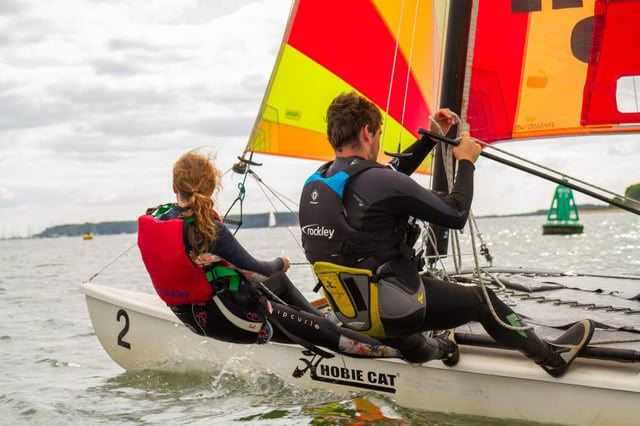
Develop advanced sailing and spinnaker skills in Poole Harbour. 5-day youth residential with full-board, evening fun, and RYA coaching. £595pp.
From £ 595
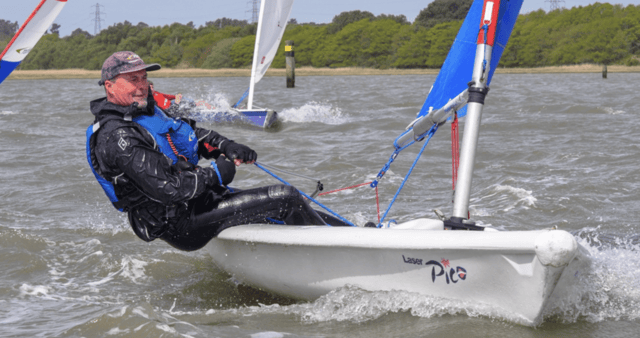
Advanced RYA spinnaker and performance sailing in Poole Harbour. A full week focused on speed, trim and racing skills. From £450.
From £ 450