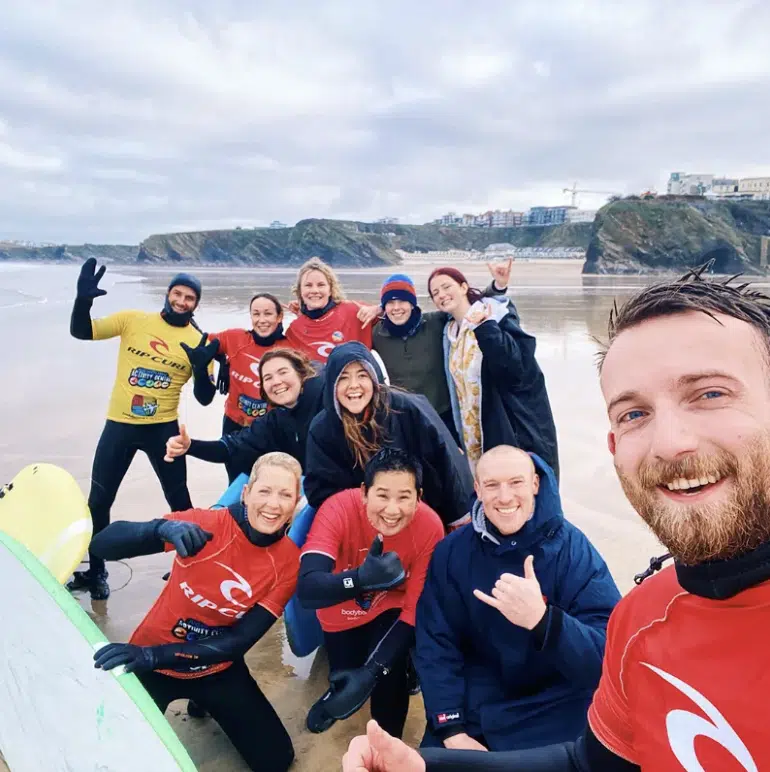

Ready to find a course or session?
SLSGB Level 1 Emergency First Aider gives you the basics for when something goes wrong on a beach, river bank or sports field and the ambulance is still minutes away. It is not workplace first aid at the office. Scenarios lean toward aquatic and outdoor settings: hypothermia hints, drowning response, cuts from fins and the awkward moment when a club mate collapses during warm-up.
One day, six to eight hours, mostly on your knees beside manikins and role-players. CPR compression depth feels wrong until muscle memory kicks in. Trainers run scenarios back-to-back so you practise staying calm when the fake casualty will not cooperate. That stress is controlled training, not theatre for fun.
Club volunteers often take this before their first patrol weekend. You will not leave an expert, but you will know when to shout for the lifeguard tower and when to start compressions. That gap matters on busy beaches.
No prior first aid is required. Beginners pass regularly if they engage with the practical work instead of hiding at the back. Certificate lasts twenty-four months. Mark the expiry date before coaching season starts. That is normal paperwork, not a failure to plan ahead.
Level 1 Emergency First Aider is assessed continuously through practical scenarios. There is no final written exam.
Quick answers about this qualification. For anything else, use live chat or browse bookable activities below.
Find activitiesIt is a one-day first aid course from Surf Life Saving Great Britain with emphasis on aquatic and sports emergencies. You learn CPR, casualty care and scenario response without needing prior certificates.
It suits club volunteers and watersports helpers more than office first aiders.
No. The course is designed for beginners. Motivation and willingness to practise on the floor matter more than medical background.
Leave a comment when you book if you are nervous about CPR practice. Trainers see that every week.
Six to eight hours in one day is typical. Some centres split across two evenings.
Full attendance is required for certification. Arrive on time; scenarios need the full group.
No formal written exam. Assessment is practical through skills checks and scenarios during the course.
Trainers may ask verbal questions to confirm you understand when to call an ambulance.
It qualifies you in many low-risk aquatic and sports settings. HSE workplace first aid may require Emergency First Aid at Work or First Aid at Work instead.
Check with your employer before assuming this card covers office duty.
Twenty-four months from certification. Refresh or requalify before expiry if your club or employer requires current first aid.
Book refresher courses early in spring before beach season rosters lock.
Comfortable clothing for kneeling, lunch and water. Centres supply manikins and training kits.
A notebook helps if you like writing compression rates down once.
Level 1 is a useful foundation but does not replace Surf Lifeguard Award or NVBLQ.
Many candidates take Level 1 while building swim fitness for lifeguard courses.
Compression depth feels awkward at first. Repeated practice on manikins builds muscle memory by afternoon.
That awkward phase is normal. Trainers expect it.
Trainers coach you through weak areas within the day where possible. First aid is about competent repetition, not one dramatic test moment.
Serious gaps may need extra practice before certification issues.
adventuro lists SLSGB Level 1 Emergency First Aider courses at coastal and inland centres. Compare dates against your club season and lifeguard course plans.
Leave a comment when you book if you need the certificate for a specific employer deadline.

Eight weeks training as an outdoor instructor, from £4200, with shared housing, kit and time on the water.
From £ 4200
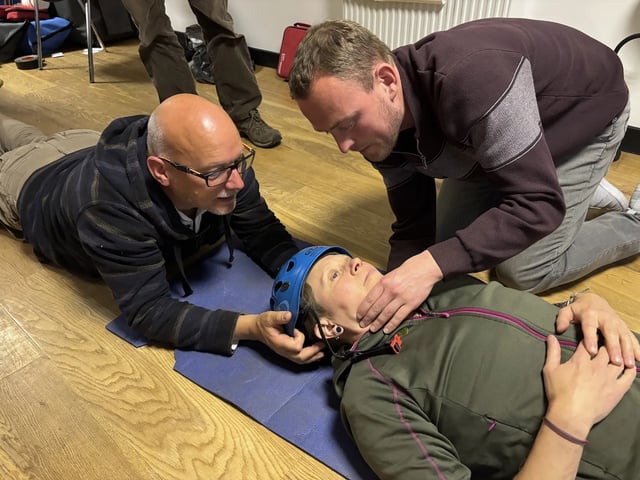
One-day Emergency First Aid at Work Level 3 training in Skipton; HSE aligned for ages 14+.
From £ 85
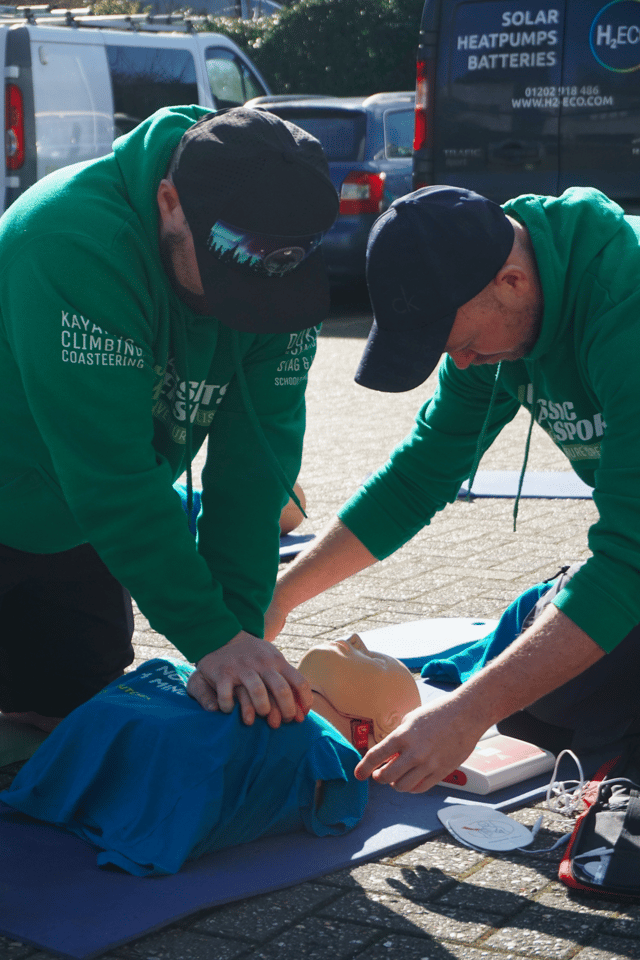
The Emergency First Aid at Work course is a one day first aid qualification that covers a range of CPR and emergency first aid skills
From £ 99
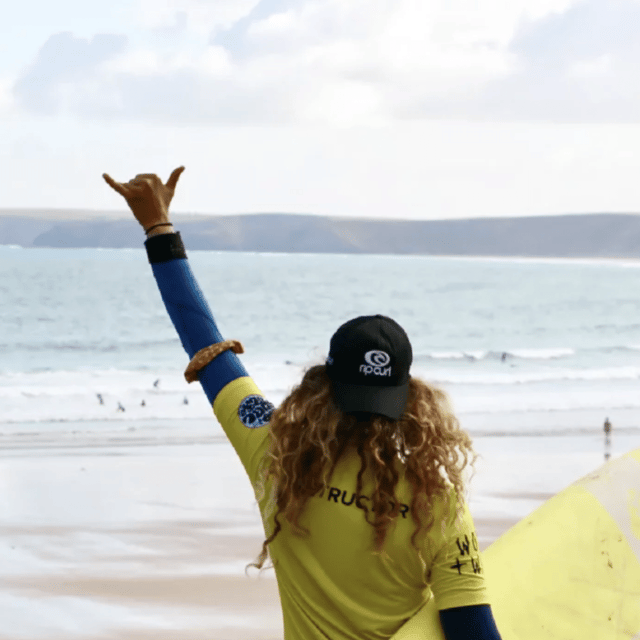
Join our outdoor instructor course to master surfing, lifeguarding & more. 6 month's of training in just 3-weeks! Transform passion into a career with expert training & adventures.
From £ 2499