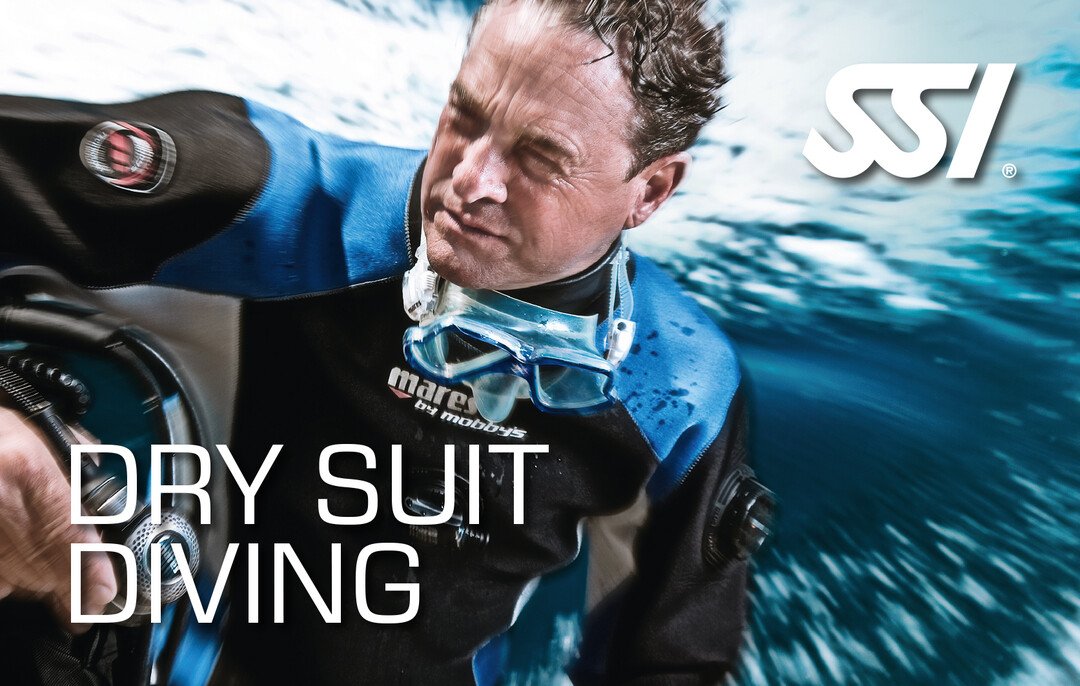

Ready to find a course or session?
A drysuit keeps water out and traps insulating air around your undergarments. That is why UK quarries, North Sea coasts and Scandinavian fjords are diveable year round instead of miserable for half the year. The catch is buoyancy: you are now managing air in your BCD and in the suit itself, and getting that wrong sends you feet-first toward the surface or pinches your ankles on the bottom.
PADI Dry Suit Diver teaches you to dive warm and controlled in a shell that behaves differently from any wetsuit you have worn. Most centres run eLearning (typically two to four hours at home), one pool session to learn inflation and emergency drills, then two open water dives in real cold-water conditions.
Many UK divers treat this as an early priority after Open Water. You do not need dozens of warm-water holidays first. You do need patience while your instructor peels excess weight off your belt until you stop fighting the suit.
Dry Suit Diver is assessed in the water, not with a classroom exam.
Quick answers about this qualification. For anything else, use live chat or browse bookable activities below.
Find activitiesIt is a PADI specialty that teaches you to dive safely and comfortably in a drysuit. You learn buoyancy control with suit air, proper weighting, thermal layering and emergency procedures for cold-water diving.
For many UK divers it is the difference between a short summer season and year-round access to quarries and coasts.
PADI requires Open Water Diver or equivalent. You do not need Advanced Open Water, though comfort with basic buoyancy helps.
If your last dives were years ago, consider ReActivate before adding drysuit complexity. Leave a comment when you book with your certification details.
eLearning is typically two to four hours at home. In-water training is usually two to three days: one pool session plus two open water dives.
Some centres run a single intensive weekend if the pool and quarry are on the same site.
Most students rent for training so they learn what fit and suit type suit them before spending serious money. Buying too early often means the wrong size or style.
After certification, your instructor's advice on local conditions is worth more than an online discount on a suit you have never worn.
Different, not necessarily harder. You manage more buoyancy variables and bulkier kit, but you stay warmer and can dive longer in UK water.
The pool session exists because mistakes with suit air are easier to fix in 2 metres than at 15 metres on a murky quarry wall.
Warm layers for surface intervals, a towel and ideally your own mask and fins if you have them. Centres provide the drysuit and often undergarments for training.
Ask when you book whether socks, hood and gloves are included or hire items on a UK winter course.
Yes. A drysuit Adventure Dive during Advanced Open Water may count toward this specialty if you complete the full Dry Suit Diver course requirements with your instructor.
Leave a comment when you book if you already did a drysuit Adventure Dive and want credit applied.
That is exactly what the course prepares you for. Excess air migrates to your legs on ascent; you learn to vent the suit early and often, and to recover if you become inverted.
Your instructor drills this in the pool until the dump valves become muscle memory.
Dive UK sites year round, join club trips to cold-water destinations, and progress to specialties like Deep Diver or Wreck Diver without retreating every October.
Many divers pair drysuit training with Enriched Air Nitrox for longer bottom times on repetitive weekend dives.
Ten years old with standard junior diver depth and supervision limits. Cold-water exposure suits for children need careful fit; not every centre offers junior drysuit training.
Ask when you book if you are certifying a younger diver.
adventuro lists PADI centres running Dry Suit Diver at UK quarries, coastal sites and inland training lakes. Compare whether suit hire, undergarments and site fees are included.
Training at home builds habits for the water you will actually dive most often. Holiday warm-water drysuit courses exist but are less common.

Start to dive all year round and get comfortable diving in a dry suit with this PADI course
From £ 340
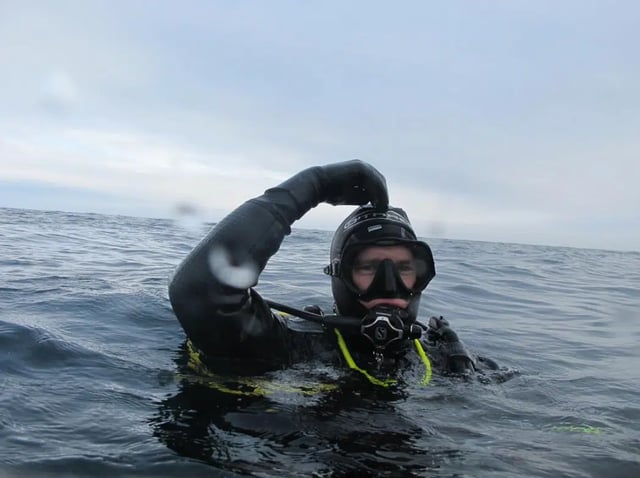
Stay warm & dive year-round with the PADI Dry Suit Specialty. Learn dry suit skills, buoyancy control & maintenance. Explore cold-water dive sites worldwide!
From £ 185
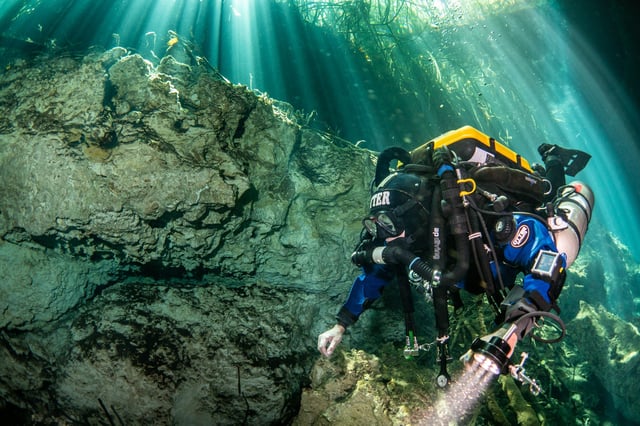
Explore cold waters with ease! Join our Drysuit Training course in East England for expert guidance on drysuit use, safety, and maintenance
From £ 250
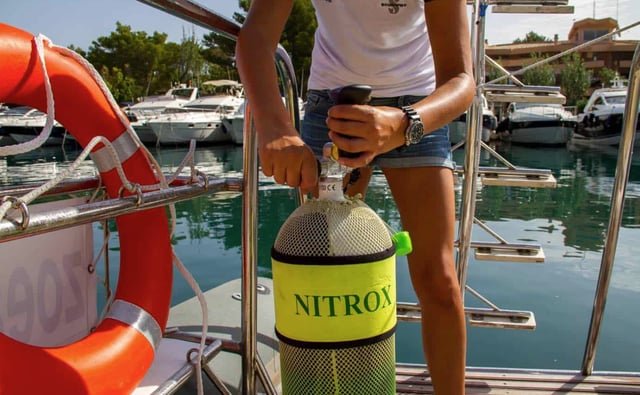
Expand your diving skills in Mallorca with a choice of PADI speciality courses, including Nitrox, Deep Diver, Dry Suit, Self-Reliant Diver and Tec 40 training.
From € 205
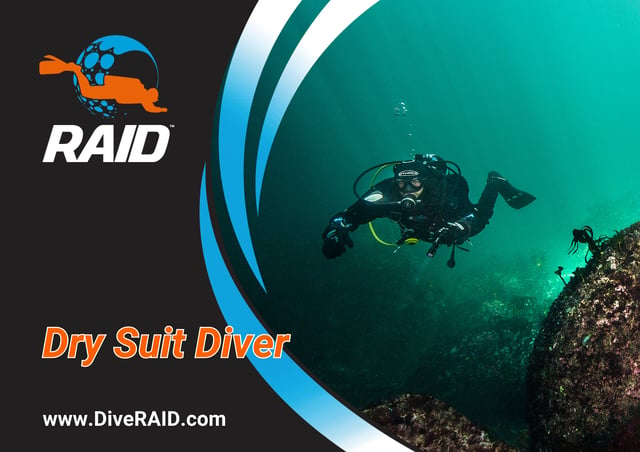
Learn dry suit scuba skills in pool and open water dives, gaining confidence and safety for cold water diving. From £225.
From £ 225
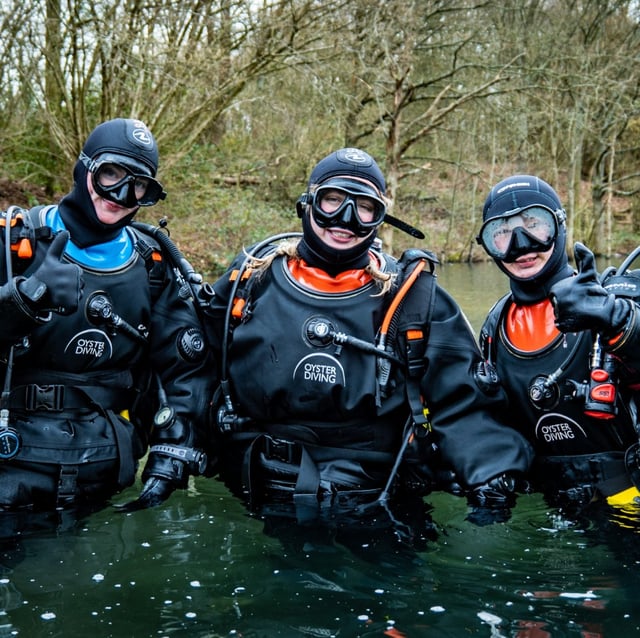
Warm, year-round diving course for ages 10+. Learn dry suit skills with weekend or weekday options. Includes eLearning, equipment hire, and certification. £245.
From £ 245
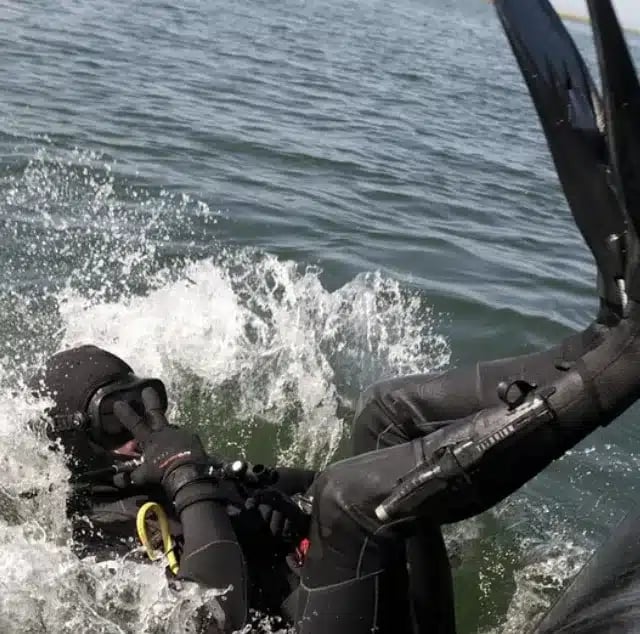
Embark on diving adventures with our PADI Open Water Course.
From £ 990