
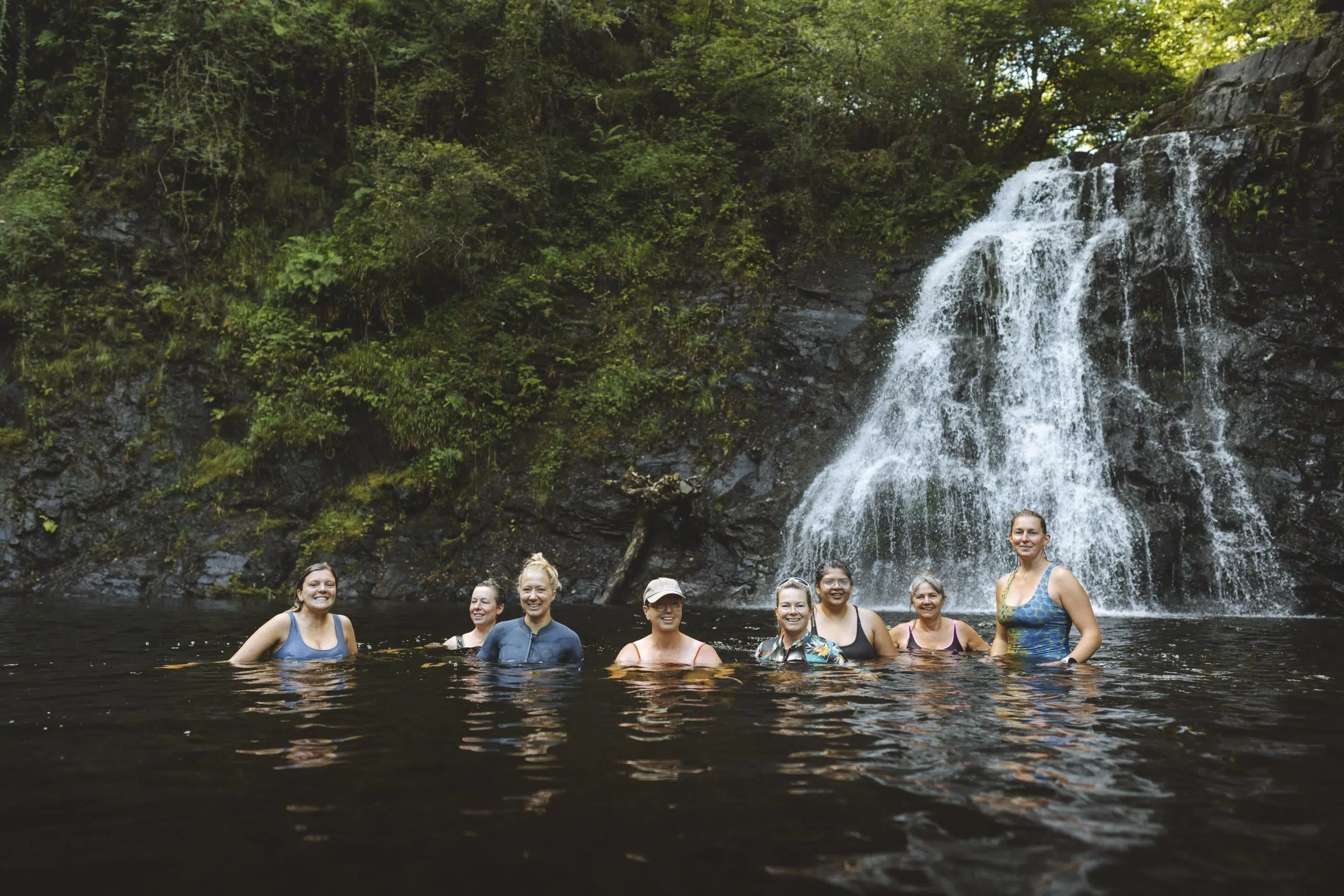
What to wear wild swimming: UK kit for lakes, rivers and sea
UK open water is colder than it looks from the bank. You can feel fine for the first few minutes, then realise your fingers have stopped cooperating. Wild swimming kit is less about fashion than staying warm enough to enjoy the dip and get dry safely afterwards.
This guide covers what to wear wild swimming in the UK for lakes, rivers and the sea, whether you book a guided session or plan your first dip with a friend. Centres on adventuro usually spell out what they provide in the listing. Read the kit section before you travel.
On a guided day, the useful chat is often at the water's edge: costume or wetsuit, tow float clipped on, warm layers on the bank rather than still in the boot.
What to wear wild swimming in the UK: the short answer
Dress for immersion and wind, not the car park temperature. Most swimmers wear a swimsuit or trunks as a base, add a wetsuit when the water is cold or the swim is long, and carry a tow float on unsupervised open water. Neoprene boots or water shoes help on stones and slipways. After the swim, warm layers, a hat and a hot drink matter as much as what you wore in the water.
What your guide usually provides
Guided experiences on adventuro range from short woodland lake dips to full days in North Wales. Wetsuits, tow floats and safety cover are sometimes included; sometimes you bring your own. The listing is the source of truth.
For a lake and SUP day like Wild Swimming and Paddleboarding on a private lake in Tonbridge (from £51.75, about 4 hours), you bring swim gear and lunch while the centre runs the session on private water. For Wild Swimming Kayak Support in the Lake District (from £80), a qualified coach and kayaker support longer swims; check what neoprene they expect you to arrive in.
Your job on most bookings is personal swimwear, warmth for after, and footwear that works on the approach.
Wetsuit, skins or swim costume?
Skins (swimsuit or trunks only) suit short dips in summer when you are acclimatised, supervised, and close to an easy exit. Many sauna-and-swim sessions work this way if you are only in for a few minutes between hot and cold.
Wear a wetsuit when:
- You are new to open water and cold makes you tense
- The swim lasts more than a few minutes
- You are on the sea or a big, exposed lake with wind chill
- The centre recommends neoprene for the season
A swimming wetsuit (sleeves and legs, flexible shoulders) beats a surf suit for distance. A shorty can work for brief summer lake dips if you accept colder legs. Hire or borrow before you buy if you are unsure of size; a flooded suit is almost as bad as no suit.

| Choice | Best for | Trade-off |
|---|---|---|
| Swimsuit / trunks | Short dips, sauna contrast, warm days | Less protection from cold and wind |
| Wetsuit | Longer swims, sea, spring and autumn | Slower to put on; needs rinsing after |
| Neoprene gloves / socks | Cold fresh water, rocky entries | Bulky; fine for guided lake days |
Tow float, footwear and entry points
A tow float is a bright inflatable bag on a waist leash. It adds buoyancy if you need a rest and makes you visible to boats, kayakers and shore spotters. Many guided groups use them on open lakes and the sea. On a private lake session the risk profile may be different; follow what your guide asks.
Footwear:
- Bare feet on grass, sand or wooden jetties
- Neoprene boots or water shoes on pebbles, rock and weed
- Flip-flops for the car park only; they do not belong in the water
Scout the entry and exit before you strip off. Weed, current and slippery steps catch out confident pool swimmers every year.
What to pack for after the swim
After-drop is the chill that hits when you stop swimming. You can feel fine standing in the water and shiver hard ten minutes later on the bank. Plan for it.
Pack:
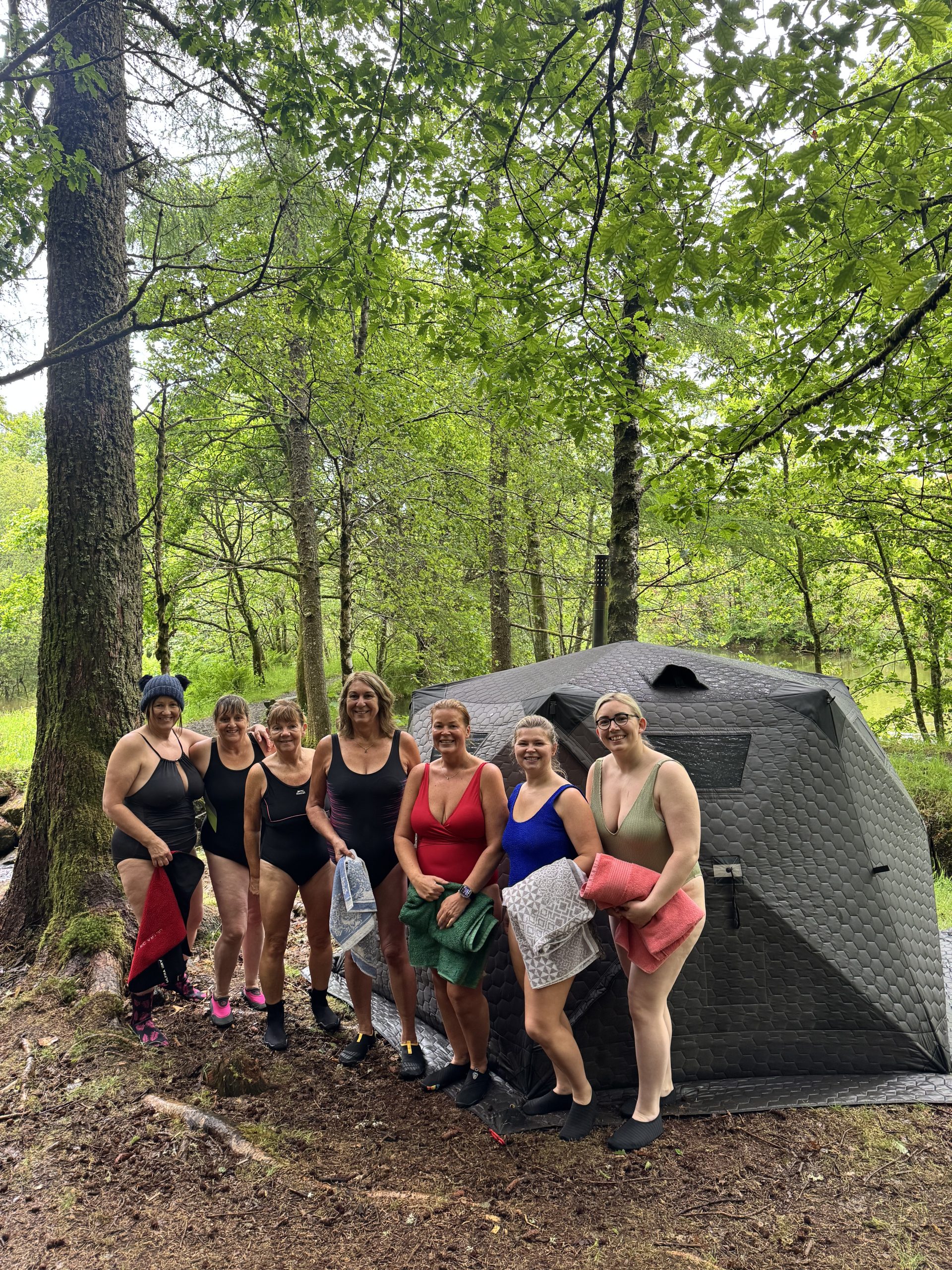
- Large towel or changing robe
- Warm layers: hat, fleece, socks, easy trousers (not jeans)
- Hot drink in a flask
- Dry bag for wet costume and boots
- Snack for longer days
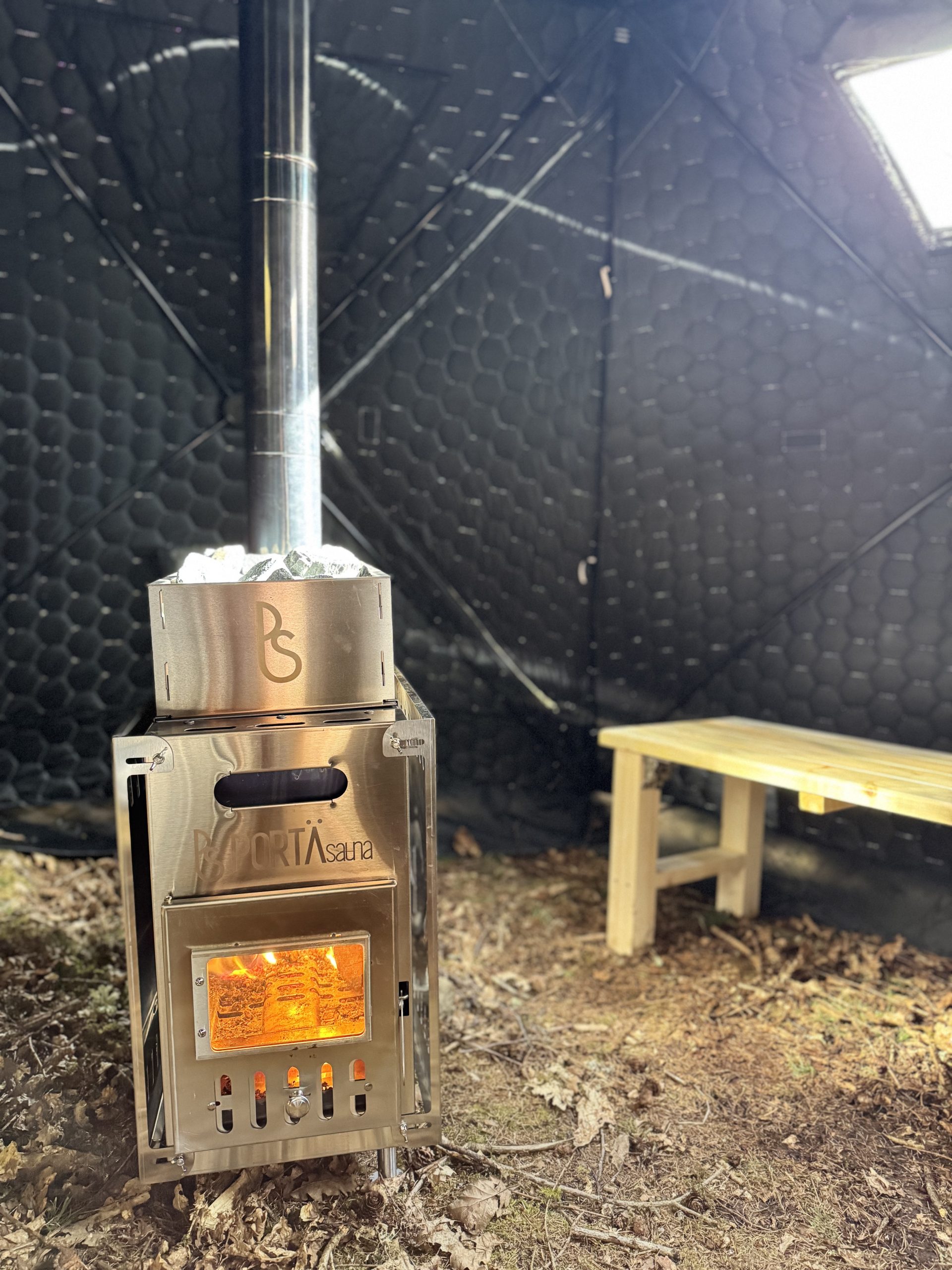
Coniston Water Wild Sauna and Swim in the Lake District (from £15.50, about 1 hour) is built around hot-and-cold contrast; still bring dry clothes for the walk back to the car.
Leave valuables in the car. Water and zips do not mix.
Sea vs lake vs river: quick kit differences
| Water type | Kit emphasis | Extra thought |
|---|---|---|
| Lake | Tow float on open water; boots if the bank is stony | Wind across open water cools you faster than trees suggest |
| River | Footing on entry; respect current | Moving water needs honest fitness; book a guide if you are unsure |
| Sea | Wetsuit more often; tow float; know tides | Chop and swell change the exit; swim parallel to shore if caught in a push |
Guided wild swims you can book on adventuro
A guided session removes guesswork on access, entry points and cold-water pacing. Good first bookings:
- Wild Swimming in Masham, Ripon (from £15, ages 12+, minimum 2 people): guided dips in a woodland lake on the Swinton Estate.
- Wild Swimming Days in North Wales (from £30, about 6 hours): a full day with up to eight swimmers; you need to be comfortable in open, moving water.
- Wild Swimming and Paddleboarding on a private lake in Tonbridge (from £51.75): half-day lake time with coaching.
- Wild Swimming Kayak Support in the Lake District (from £80): support for longer swims with coach and kayaker.
- Coniston Water Wild Sauna and Swim in the Lake District (from £15.50): wood-fired sauna and short lake dips.
Check each listing for age limits, fitness level and what to bring.
Access and permission
You cannot swim everywhere just because the water looks inviting. Rivers, lakes and the sea sit under different access rules, and land next to the water is often private. For a plain-English overview of walking, camping and paddling rights (and why they matter before you plan a swim hike), see our UK access rights guide. When you book on adventuro, the centre has already sorted permission for that venue.
Common mistakes
- Jeans and cotton hoodies for after: they stay wet and steal heat on the drive home
- No warm hat: a lot of heat leaves through your head when wet hair meets breeze
- Skipping footwear on rocky lakesides: cuts end the day early
- Swimming alone on open water without telling anyone ashore
- Staying in too long because you still feel OK: exit before you are forced to
Ready to get in the water
Start with a short guided dip if open water feels unlike your local pool. Build time in the water as your body adapts across the season.
Browse wild swimming on adventuro → · Pair a swim day with our UK access rights guide if you are planning your own routes between bookable sessions.
More kit guides: paddleboarding · kayaking · hiking · sailing
🌿 A portion of adventuro bookings supports conservation through our partnership with Rewilding Britain.
FAQs
Do I need a wetsuit for wild swimming in the UK?
Not always, but often outside high summer. A wetsuit extends safe swimming time when you are learning, when the wind is up, or when you will be in for more than a few minutes. For a short sauna-and-swim or a supervised dip on a warm day, a swimsuit plus warm layers after can be enough. Read the centre's kit notes before you assume either way.
What is a tow float and do I need one?
A tow float is a bright inflatable bag towed behind you on a short leash. It improves visibility and gives something to rest on briefly. Many sea and open-lake swimmers use one whenever they are not in a tightly supervised pool-like venue. On guided lake days, follow the guide's policy; they may share group safety cover instead.
What should I wear on my feet for wild swimming?
Bare feet where the bank is soft and clean. Neoprene boots or water shoes handle pebbles and slick rock. Flip-flops stay in the car park; they are useless on a wet slipway.
What is after-drop?
After-drop is the drop in core temperature that can follow a swim. You may feel fine in the water, then shiver strongly once you stop. Dry off quickly, add a hat and warm layers, and have a hot drink ready before you pack the car.
Can beginners book a guided wild swim?
Yes. Listings such as Wild Swimming in Masham, Ripon and Coniston Water Wild Sauna and Swim are aimed at people new to organised open-water dips. Longer days like Wild Swimming Days in North Wales expect comfort in open, moving water; read the level on the page before you book.
What is the difference between sea and lake wild swimming kit?
Sea swims more often need a wetsuit, a tow float and a clear plan for tides and exit points. Lakes can be sheltered but windy; rivers add current and uneven footing. In all three, what you wear after the swim is the same: warm, dry clothing you can pull on fast.