
What to wear sailing: kit for UK taster days and courses
Sailing feels like a fair-weather sport until a force-4 gust soaks your jeans and the spray finds every gap in your jacket. UK sailing, whether a one-hour taster on a city dock or a full RYA course, rewards practical layers, grippy footwear, and the assumption that you will get wet.
This guide covers what to wear for sailing in the UK: dinghy tasters, keelboat days, and shore-based training. Yacht charters and offshore passages need a separate packing list; most beginner bookings on adventuro are closer to a taster or short course.
On a dinghy taster, assume you will sit in a puddle in the bottom of the boat within ten minutes. Dress for that, not for the sunny pontoon.
What the sailing school usually provides
On a learn-to-sail taster like the 1-hour learn to sail taster at Queens Dock, Liverpool (from £20), the school supplies the boat, safety briefing, and often a buoyancy aid. Dinghy sessions may include a wetsuit or spray top on colder days. Check the listing.
You bring personal clothing, soft-soled shoes, and weather layers. RYA classroom courses (first aid, theory) are shore-based. Dress as you would for a normal training day indoors.
The sailing clothing basics
| Item | What to wear | Why |
|---|---|---|
| Footwear | Soft-soled deck shoes, trainers with non-marking white soles, or sailing boots | Grip on wet deck; dark soles can mark fibreglass |
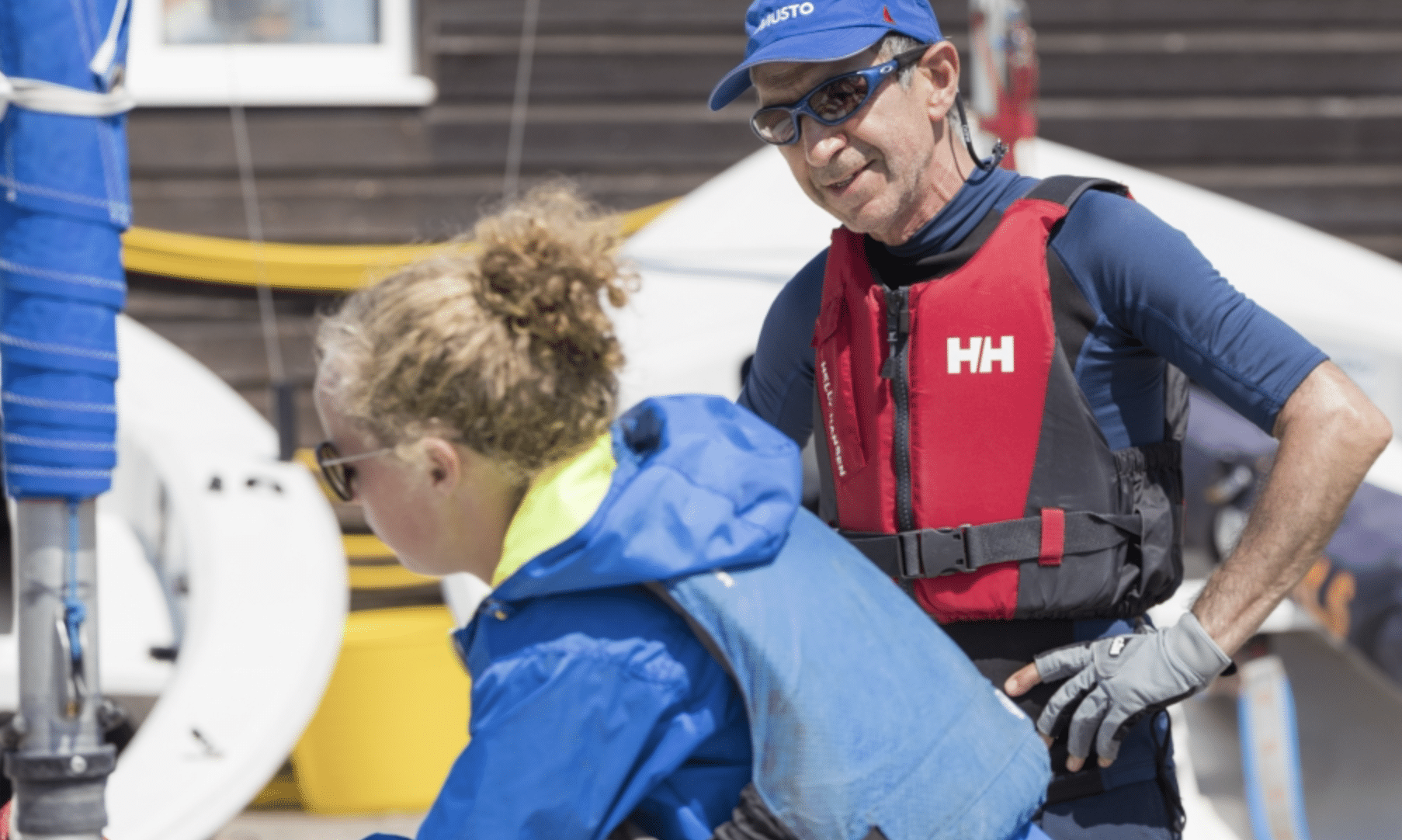
| Top half | Base layer + fleece or softshell + waterproof jacket | Wind chill on the water is sharper than ashore |
| Bottom half | Quick-dry trousers or shorts (summer); waterproof trousers if spray is likely | Wet denim is miserable and slow to dry |
| Hands | Thin sailing gloves optional for rope work; warm gloves in spring/autumn | Rope burn and cold fingers ruin concentration |
| Head | Cap or beanie depending on season; sunglasses with retainer | Glare off water is intense |
Dinghy vs keelboat: how kit differs
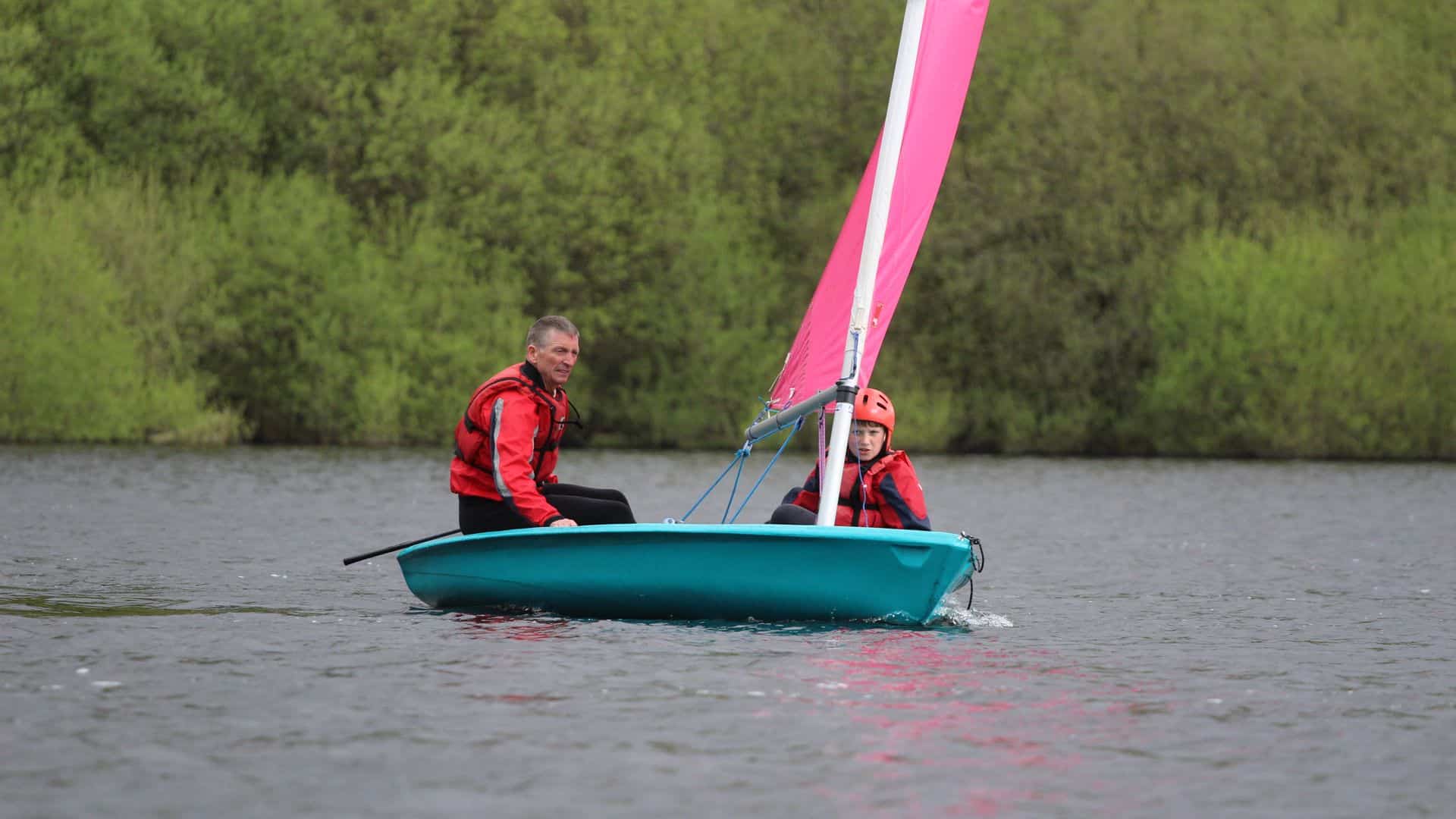
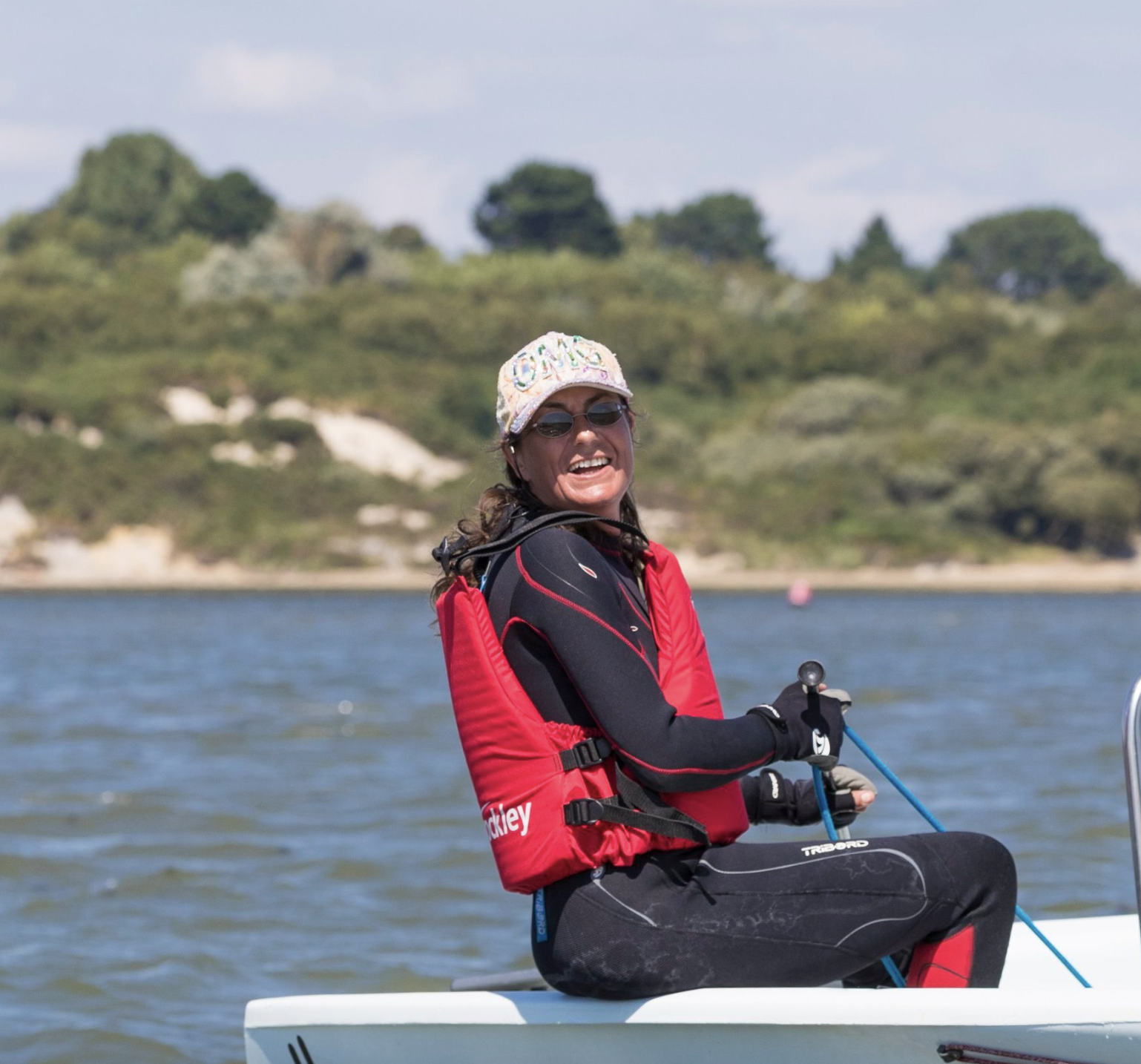
Dinghy sailing (small boats, you often sit low in the hull): expect more spray and a higher chance of getting properly wet. A wetsuit or dinghy sailing kit (wetsuit trousers + spray top) is common on UK sailing schools for spring and autumn. In summer, quick-dry layers plus a waterproof jacket may be enough on a calm day.
Keelboat or larger day boats: you stay drier but windier. Waterproof jacket and trousers, warm mid layer, and non-slip shoes are the priority. You may not need a full wetsuit unless the school specifies it.
Wind over open water strips heat faster than the same breeze on land because your clothing is often damp from spray. A 15 km/h wind on wet kit can make 15°C air feel closer to 10°C or below. Dinghies sit in the splash zone; keelboats put you higher in the wind. Both need layers you can add when you stop moving.
If you are unsure, email the centre or read the "what to bring" section on the listing. Schools would rather answer a kit question than turn you away at the pontoon.
Waterproofs: when you need them
Bring a waterproof jacket on almost every UK sailing day. "Sunny forecast" still means wind and spray on the water.
Waterproof trousers help on dinghies, RIB transfers to moored boats, and any session where you sit in splash zone. They are awkward to put on in a moving boat. Wear them from the shore if rain is forecast.
Avoid heavy ski jackets; they restrict movement when you are ducking under the boom.
Footwear rules
- Non-marking soles: many schools require white or light soles on fibreglass decks
- Closed toe: protect feet from cleats, blocks, and deck hardware
- Grip: wet deck is slippery; smooth fashion trainers slide
Dedicated sailing boots or deck shoes are worth buying if you sail regularly. For a one-off taster, clean trainers with decent grip are usually fine if the school agrees. Dark rubber soles can mark hire fibreglass; some schools keep a box of loan shoes for that reason.
Seasonal packing
Summer: shorts or lightweight trousers, UV protection, light waterproof shell, spare warm layer in the bag.
Spring and autumn: treat every session as cold-water sailing: wetsuit or sailing-specific layers, waterproofs, hat, gloves. UK coastal water is often 10 to 14°C in spring; immersion without neoprene drains body heat in minutes.
Winter: only sail with a school that runs cold-season sessions and specifies the right kit. Core temperature drops when wet skin meets wind; cotton holds water and conducts heat away from your body faster than synthetics. Hypothermia risk is real on a winter pontoon, not only offshore.
What to leave ashore
- Jeans and cotton hoodies
- Loose scarves and dangly jewellery (snag hazards on rigging)
- Paper maps and unsecured phones (use a dry bag or leave them in the locker)
Common mistakes
- Underdressing because the car park is warm: wind on water drops temperature fast
- Dark-soled trainers on a hire dinghy: some schools will ask you to change
- No spare dry clothes: the drive home in wet kit is miserable
- Skipping sun protection: water reflection burns as effectively as a beach
Ready to book your first sail
A short taster is the lowest-commitment way to find out if sailing clicks. If it does, step up to a multi-day RYA course when you are ready for more theory and mileage.
Browse sailing on adventuro → · Planning a coast trip? See our Pembrokeshire phone-free guide for more water-based days.
More kit guides: hiking · paddleboarding · kayaking · power boating
🌿 A portion of adventuro bookings supports conservation through our partnership with Rewilding Britain.
FAQs
Do I need a wetsuit for a sailing taster?
Dress for water temperature and splash, not the car park forecast. On summer dinghy tasters in sheltered water, schools may lend a shorty or expect quick-dry layers plus a waterproof spray top. On cooler water (below roughly 18°C, common on UK coast and reservoirs from April to June), neoprene slows heat loss when you sit in a wet hull or capsize. Cold water shock, the gasp reflex and loss of coordination in the first minutes after immersion, is a risk even in summer if you go in unexpectedly. Check the listing; if no wetsuit is offered and water is cool, ask before you travel.
Can I wear wellies sailing?
No. Wellies have smooth soles with poor grip on fibreglass and wet deck. Rubber compounds designed for farmyards do not match the friction you need on a heeling dinghy. Closed-toe deck shoes, sailing boots, or trainers with non-marking grip are the safe choice. Wellies also fill with water if you go overboard, adding weight and drag.
What should I wear for an RYA sailing course?
Follow the school's kit list. Expect waterproof jacket and trousers (5,000 mm hydrostatic head or higher handles sustained spray), wicking base and fleece mid layer, non-marking closed-toe shoes, and a buoyancy aid (usually supplied). Multi-day courses need a full dry change each day: damp synthetics dry overnight; cotton does not. Classroom theory days are shore-based; dress normally.
Are jeans OK for sailing?
Avoid them. Denim is mostly cotton. When wet, it holds water against your skin and conducts heat away much faster than dry fabric, which is why wet jeans feel icy within minutes on a breezy deck. They are also heavy when soaked and restrict leg movement when you are hiking out on a dinghy. Quick-dry trousers or sailing leggings are lighter and stay warmer when damp.
Do I need sailing gloves as a beginner?
Optional on a one-hour taster. Thin sailing or rowing gloves help once you handle sheets regularly: rope friction generates heat and blisters on soft skin within a few hours. In spring and autumn, neoprene or fleece-lined gloves keep finger dexterity for knots and cleats. Full ski gloves are too bulky for fine rope work.
Can I wear leggings under a wetsuit for dinghy sailing?
Yes, if they are synthetic or merino, not cotton. Leggings add a little warmth and make getting in and out of hire wetsuits more hygienic. Cotton leggings stay damp against your skin and cancel much of the neoprene's benefit. A thin rash vest under a shorty wetsuit is the same idea: wicking layer, then neoprene, then BA on top.