Ghyll Scrambling im Lake District – Ein vollständiger Guide
28. April 2025 · 45 Min. Lesezeit · Max Hayward
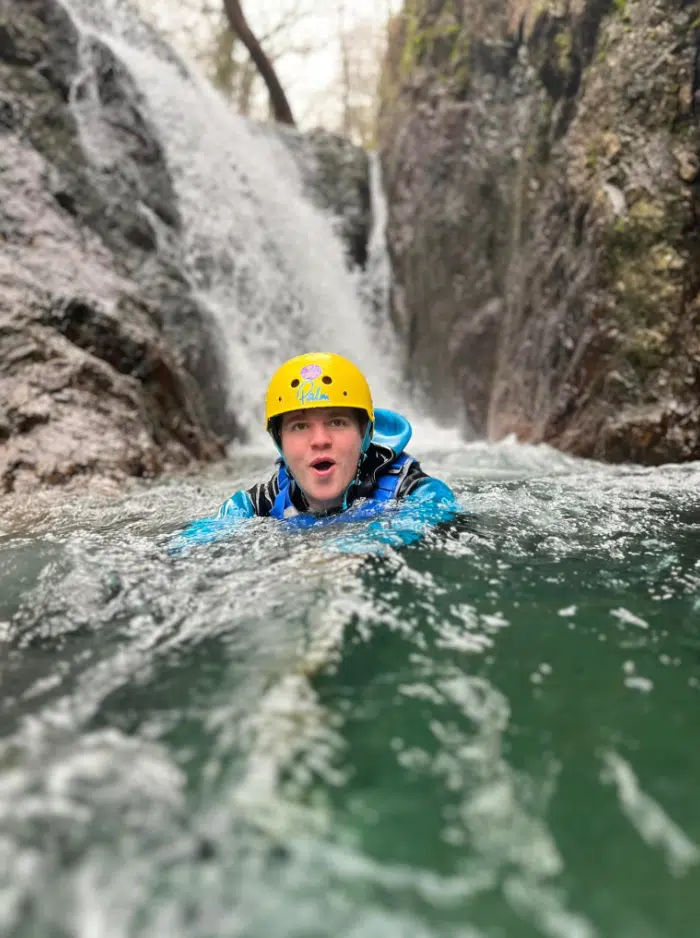
Ghyll Scrambling (auch bekannt als Gorge Scrambling oder Gorge Walking) ist eine der aufregendsten Möglichkeiten, die Flüsse und Bäche des Lake District aus nächster Nähe zu erleben. Dabei klettert, watet, schwimmt und springt man sich durch Gebirgsbäche und Wasserfälle aufwärts oder abwärts. Ausgestattet mit Neoprenanzügen, Helmen und Sicherheitsausrüstung folgen die Teilnehmer einem Wasserlauf durch felsige Schluchten – im Grunde ein natürlicher Wasserpark in einer wunderschönen Landschaft. Dieser Guide stellt die besten Ghyll-Scrambling-Orte im Lake District vor und liefert praktische Informationen zu geführten Abenteuern (vor allem über adventuro, eine Plattform zur Buchung der besten lokalen Guides adventuro.com). Außerdem gehen wir auf geeignete Optionen ohne Guide ein und beantworten häufige Fragen zur Auswahl der passenden Tour für eure Gruppe, zu Sicherheit, Ausrüstung und mehr.
Die wichtigsten Orte für Ghyll Scrambling im Lake District
Hier findest du einige der beliebtesten „Ghylls“ zum Scrambling im Lake District. Für jeden Ort beschreiben wir die wichtigsten Merkmale der Route, den Schwierigkeitsgrad, die Landschaft, Informationen zum Parken und wie sich der Wasserstand auf das Erlebnis auswirken kann. Viele dieser Orte sind öffentlich zugänglich. Trotzdem empfiehlt es sich, einen erfahrenen Guide zu engagieren (ganz einfach über adventuro), um die Sicherheit zu gewährleisten und das Beste aus jeder Tour herauszuholen.
Verwende den Code SCRAMBLE5 für 5 % Rabatt auf deine nächste Ghyll-Scrambling-Buchung bei adventuro.
Church Beck (Coniston)
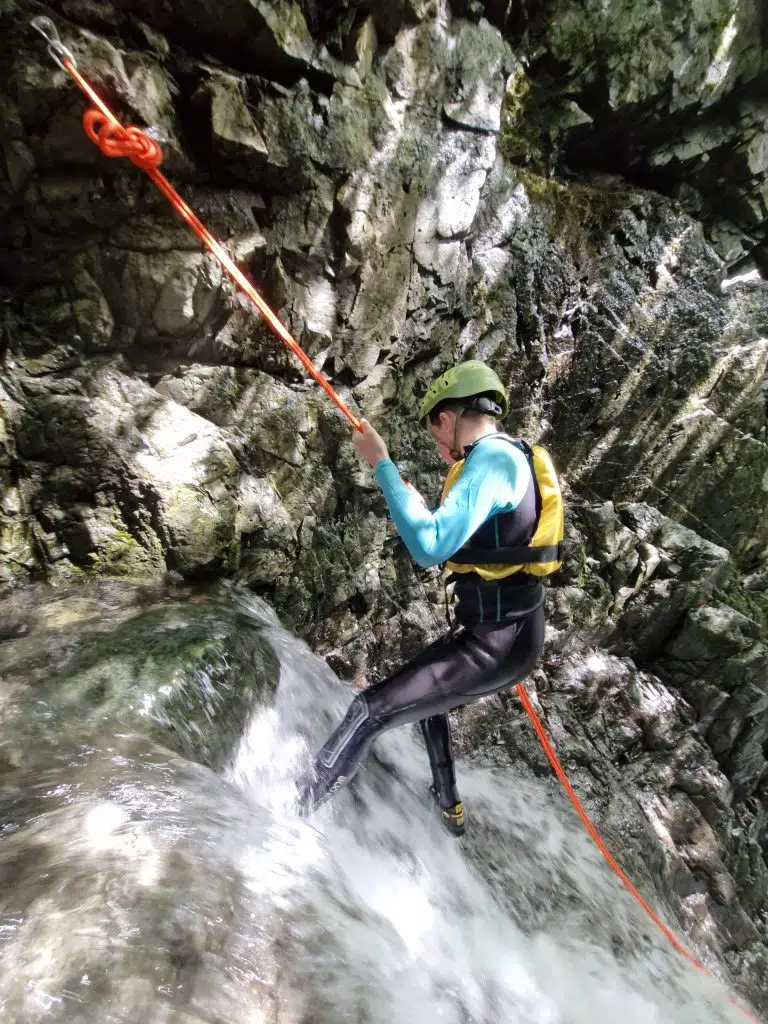
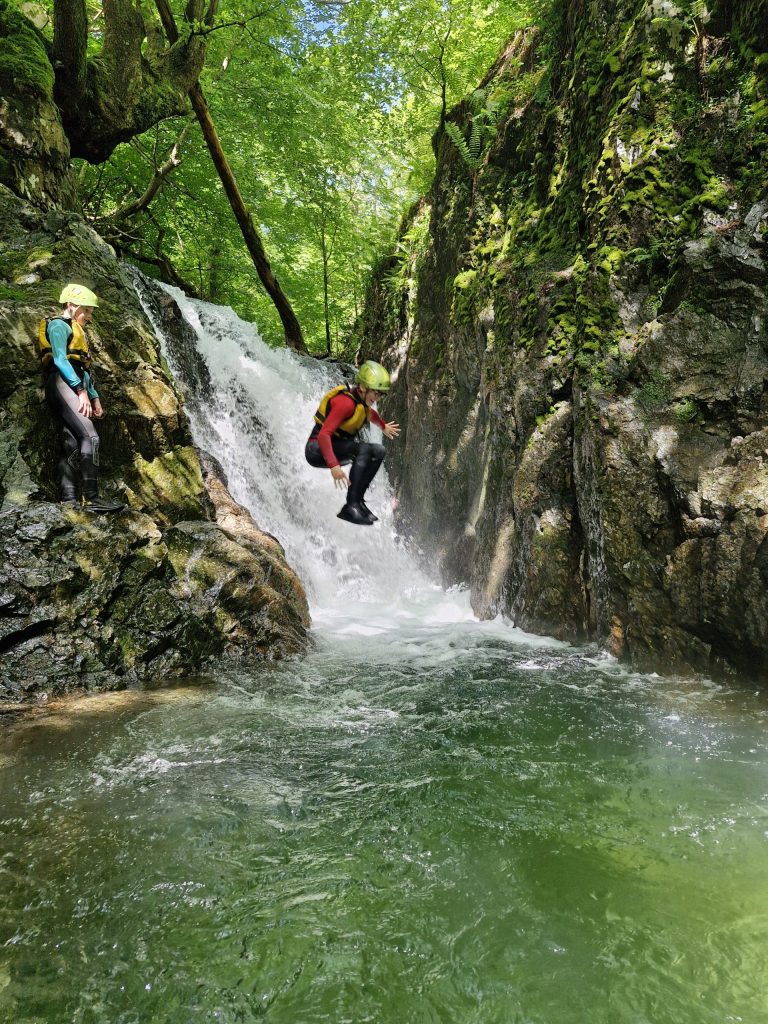
Church Beck ist einer der berühmtesten Ghyll-Scrambles im Lake District und liegt versteckt in einer felsigen Schlucht an den Hängen des Old Man of Coniston. Dich erwartet ein actionreicher Aufstieg mit allem, was dazugehört: Du kletterst über Kaskaden, schwimmst durch Becken, erklimmst kleine Wasserfälle und rutschst sogar natürliche Felsrutschen hinunter. Im oberen Abschnitt warten mehrere Sprünge, darunter einer in ein tiefes Becken, der deinen Mut auf die Probe stellt. Die Route kann je nach Guide und Leistungsniveau der Gruppe als Aufstieg durch die Schlucht oder als Canyoning-Abstieg absolviert werden (mit Seilen zum Abseilen an Wasserfällen und größeren Sprüngen).
Schwierigkeitsgrad:Mittel. Church Beck bietet für jeden etwas – im einfacheren unteren Abschnitt ist die Tour für Anfänger und Familien geeignet, während sie im oberen Canyon deutlich anspruchsvoller wird. Guides passen die Route häufig an die Gruppe an: Kleine Kinder bleiben zum Beispiel vielleicht in der sanfteren unteren Schlucht, während abenteuerlustige Teenager und Erwachsene den gesamten Canyon von oben nach unten mit drei Wasserfall-Abseilpassagen und großen Sprungbecken bewältigen können. Insgesamt erwartet dich eine mittlere Herausforderung mit einzelnen Kletterstellen und Sprüngen, die den Adrenalinspiegel steigen lassen. Vorerfahrung ist nicht nötig, aber du solltest dich im Wasser einigermaßen sicher fühlen.
Optionen ohne Guide: Wenn du ohne Guide unterwegs bist, beachte, dass die größten Wasserfälle und Sprünge in der oberen Schlucht ohne Seile und Erfahrung nicht sicher machbar sind. Daher erkunden Gruppen ohne Guide meist nur die untere Hälfte.
Landschaft: Church Beck fließt durch eine steile, bewaldete Schlucht direkt neben dem Dorf Coniston. Beim Scrambling bist du von moosbewachsenen Felswänden und Wasserfällen in einer märchenhaften Schluchtenlandschaft umgeben. Während du dich im Canyon befindest, ist der Blick nach außen zwar eingeschränkt, doch die Umgebung selbst ist wunderschön – klares Bergwasser und uralte Felsen, durch die Lichtstrahlen zwischen den Bäumen fallen. Nach dem Scramble wirst du mit der typischen Landschaft des Lake District belohnt: dem Blick auf Coniston Water und die umliegenden Berge. Der Ort ist gut erreichbar und wirkt in der Schlucht trotzdem überraschend wild.
Parken & Zugang: Im Dorf Coniston gibt es Parkmöglichkeiten, nur einen kurzen Fußweg vom Beginn der Ghyll entfernt. Viele treffen sich zum Beispiel auf dem Dorfparkplatz an der Old Furness Road (am oberen Ortsende von Coniston). Von dort sind es etwa 15–20 Minuten bergauf bis zum Beginn der Tour nahe der Miners Bridge. Der Zustieg erfolgt über einen gut ausgetretenen Fußweg. Direkt am Bach gibt es keine Umkleidemöglichkeiten – die Teilnehmer ziehen sich üblicherweise am Fahrzeug oder diskret mit Handtüchern um. Das Ende der Tour liegt nahe am selben Weg, sodass man problemlos zum Parkplatz zurückkehren kann.
Wasserstand:Church Beck ist eine relativ enge Schlucht, deren Wasserstand nach starken Regenfällen schnell ansteigen kann. Bei normalen Bedingungen ist das Abenteuer spritzig und macht Spaß. Bei Hochwasser wird besonders der obere Canyon wegen der starken Strömung und der tiefen Verwirbelungen gefährlich. Die Anbieter beobachten die Niederschläge und können die Tour absagen oder einen anderen Ort wählen, wenn der Wasserstand zu hoch ist. Umgekehrt können einige Becken in sehr trockenen Sommern flacher sein – die berühmten Rutschen und Sprünge funktionieren weiterhin, aber bei ein paar kleineren Sprüngen kann man den Boden berühren. Die Guides wissen, wie sie die Route an die Wasserbedingungen anpassen. Wenn das Wetter insgesamt vernünftig war, bietet Church Beck normalerweise konstante Bedingungen: kühles, klares Wasser und genug Strömung für die Wasserfälle. Neoprenanzüge (üblicherweise inklusive) sind dick genug, um dich auch in kaltem Wasser warm zu halten.
Hier kannst du eine geführte Tour durch Church Beck buchen:
Stickle Ghyll (oft auch Sticklebarn Ghyll genannt) ist ein landschaftlich reizvoller Bergbach zum Scramblen in Great Langdale, nahe dem Sticklebarn Tavern. Der Ghyll stürzt vom Stickle Tarn aus den hohen Bergen herab. Beim Aufstieg erwarten dich mehrere kurze Wasserfälle, felsige Stufen und Becken. Unterwegs gibt es zwei malerische Wasserfallkletterstellen und einen kleinen Sprung in ein Becken. Es handelt sich um einen Aufstieg durch die Schlucht, bei dem du gegen die Strömung über Felsen und Wasserfälle kletterst. Einige Abschnitte sind steil. Alle Hindernisse sind hier optional bzw. umgehbar – um die größeren Wasserfälle führen einfache Wege herum, sodass du nur das machst, womit du dich wohlfühlst. Wenn eine Kletterstelle zu anspruchsvoll aussieht, kannst du beispielsweise einen seitlichen Weg nehmen und weiter oben wieder zur Route stoßen. Diese Flexibilität macht Stickle Ghyll zu einem sehr einsteigerfreundlichen Ort. Technische Seilarbeit ist kaum erforderlich. Guides verwenden an ein oder zwei rutschigen Stellen manchmal ein Seil zum Festhalten, im Allgemeinen handelt es sich aber um reines Scrambling.
Schwierigkeitsgrad:Leicht bis mittel. Dieser Ghyll wird Anfängern und Familien häufig empfohlen, da die Herausforderungen gut zugänglich sind. Menschen verschiedensten Alters können Stickle Ghyll genießen – im Grunde bestimmst du selbst, wie schwierig es wird. Für eine sanfte Einführung kannst du dich auf das Waten durch Becken und die kleineren Wasserfälle beschränken. Wenn du mehr Action möchtest, zeigt dir dein Guide anspruchsvollere Linien durch die Kaskaden und ermutigt dich zu ein oder zwei Sprüngen. Stickle Ghyll wird häufig mit jüngeren Kindern (mit Guide üblich ab etwa 7 Jahren) besucht, und du musst kein guter Schwimmer sein, um hier Spaß zu haben. Trotzdem handelt es sich um einen Bergbach – rechne also mit rutschigen Felsen und der nötigen Grundfitness, um das Gleichgewicht zu halten.
Ohne Guide bewältigen Wanderer an warmen Tagen manchmal Teile des Stickle Ghyll auf eigene Faust, da der Weg daneben verläuft – aber auch dann ist Vorsicht geboten. Mit einem Guide kannst du die Wasserfälle sicher direkt angehen. Insgesamt gilt Stickle als für Anfänger bis Fortgeschrittene geeignet. Manchmal werden vorsichtshalber Gurte getragen, doch es ist einer der verzeihenderen Ghylls.
Landschaft: Die Umgebung ist kaum zu übertreffen. Stickle Ghyll stürzt durch ein Tal, im Hintergrund die imposanten Langdale Pikes. Während des Scramblings befindest du dich in einer von Farnen und Felsen umgebenen Rinne. An jeder offenen Stelle eröffnen sich Blicke auf Himmel und Berge. Das Wasser stammt aus dem Stickle Tarn und ist daher meist wunderbar klar und etwas kühl. Da der Ghyll in einem offenen Tal liegt und nicht durchgehend eine enge Schlucht bildet, erhaschst du häufig Blicke auf das grüne Tal von Langdale und die zerklüfteten Gipfel – eine beeindruckende Umgebung für ein Abenteuer. Die Gegend ist außerdem reich an Geschichte; in der Nähe findest du alte Schafpferche und Überreste des Bergbaus. Wenn Zuschauer oder Familienmitglieder dabei sind, die nicht mitmachen, ist ein großer Vorteil, dass ein Fußweg große Teile des Ghylls begleitet. Sie können daneben hergehen und das Geschehen vom Ufer aus beobachten.
Parken & Zugang: Parke auf dem Sticklebarn-Parkplatz des National Trust (New Dungeon Ghyll) nahe dem Sticklebarn Pub – mitten in Great Langdale. Vom Parkplatz sind es nur 5 Minuten zu Fuß bis zum Bach und zum Beginn der Tour. Der Zugang ist äußerst bequem: Du rüstest dich am Auto aus und gehst zu Fuß zum Start. Nach dem Scramble (meist nahe dem Stickle Tarn oder etwas darunter, je nachdem, wie weit du aufsteigst) kehrst du über einen einfachen Fußweg entlang des Bachs zum Talboden zurück. Toiletten und das Pub liegen direkt am Parkplatz und bieten Gelegenheit zum Umziehen und Erfrischen.
Wasserstand: Stickle Ghyll wird von einem Tarn (Bergsee oder Teich) gespeist, der die Strömung reguliert. Er bleibt im Allgemeinen auch nach Regen gut machbar, wenn andere Ghylls zu viel Wasser führen könnten. Tatsächlich gilt Stickle Ghyll als hervorragende Option bei schlechtem Wetter: Wenn starke Regenfälle andere Orte überflutet haben, kann Stickle zu einer der actionreichsten Alternativen werden, ohne unsicher zu werden. Der Wasserstand kann steigen und die Wasserfälle eindrucksvoller machen. Da der Tarn plötzliche Regenmengen jedoch abpuffert, wird der Bach normalerweise nur bei extremen Bedingungen zum reißenden Strom. Aus diesem Grund wählen Guides an Regentagen häufig Stickle. Unter normalen Bedingungen ist die Strömung mäßig und der Halt gut. Niedriger Wasserstand im Sommer ist ebenfalls kein großes Problem – die Sprünge sind dann einfach etwas niedriger (aus dem „kleinen Sprung“ kann ein sehr kleiner werden), und die Wasserfälle lassen sich weiterhin klettern, möglicherweise mit etwas weniger Spritzwasser. Alles in allem ist Stickle Ghyll bei den meisten Wetterbedingungen zuverlässig. Denk nur daran, dass das Wasser das ganze Jahr über kalt ist. Mit einem dicken Neoprenanzug und ständiger Bewegung bleibst du aber warm.
Stoneycroft Ghyll gilt unter Ghyll-Scrambling-Fans oft als der ultimative actionreiche Abstieg. Anders als Church Beck oder Stickle, die normalerweise aufwärts begangen werden, wird Stoneycroft meist als abwärts führende Schluchtenwanderung bzw. Canyon-Tour absolviert – du gehst einen Hangweg hinauf und folgst anschließend dem Bach abwärts bis zum Ausgangspunkt. Das bedeutet: Rutsche für Rutsche für Rutsche! Der Ghyll besteht im Wesentlichen aus einer langen Folge von Rinnen und Becken, durch die du wie durch einen natürlichen Wasserpark rutschst. Dich erwarten glatt polierte Felsrinnen zum Hinunterrutschen auf dem Gesäß, kurze Sprünge von Felsblöcken in tiefe Becken und kleine Wasserfälle, über die du dich hinablassen kannst. Es ist eine ununterbrochene Folge von Hindernissen mit kaum Laufpassagen dazwischen – ein echtes Wasserspielparadies.
Keiner der Sprünge oder Abfälle ist riesig (die meisten Rutschen sind einige Meter lang), aber sie sind zahlreich und unglaublich unterhaltsam. Du bist von Anfang an mittendrin, spritzt durchs Wasser und lachst dich flussabwärts. Dieser Ghyll ist offener als andere und weniger schluchtartig, wodurch er hell und gesellig wirkt. Tatsächlich verläuft ein Fußweg daneben, sodass selbstbewusste Teilnehmer Rutschen wiederholen können und Freunde zuschauen können. Rechne damit, völlig durchnässt zu werden und dir vom vielen Rutschen möglicherweise den Hintern etwas zu zerstoßen! amblesideadventure.co.uk
Schwierigkeitsgrad:Leicht / anfängerfreundlich. Stoneycroft Ghyll gilt weithin als eine der besten Optionen für Anfänger, Familien und große Gruppen, da keine technische Kletterei erforderlich ist – nur Rutschen und einfache Sprünge. Wenn du laufen kannst und keine Angst davor hast, nass zu werden, kannst du diesen Scramble bewältigen. Der Zustieg (etwa 15 Minuten bergauf vom Parkplatz) dürfte in Sachen Fitness der anstrengendste Teil des Tages sein. Sobald du im Wasser bist, übernimmt die Schwerkraft einen Großteil der Arbeit und du rutschst abwärts. Jedes Hindernis kann vorher begutachtet werden. Die meisten Rutschen sind unkompliziert, und größere Abfälle lassen sich kontrolliert bewältigen (Guides helfen oder verwenden an ein oder zwei Stellen bei Bedarf ein Seil zum Festhalten). Stoneycroft ist perfekt für Gruppen mit unterschiedlichem Selbstvertrauen. Kinder (typischerweise ab etwa 8 Jahren), Teenager und Erwachsene haben gleichermaßen Spaß daran. Auch für Junggesellen- und Junggesellinnenabschiede ist die Tour beliebt, da der Schwerpunkt eher auf verrücktem Spaß als auf Ausdauer oder Mut bei großen Sprüngen liegt. Aber auch echte Adrenalinjunkies genießen Stoneycroft wegen der schieren Anzahl an Rutschen.
Ohne Guide begehen gelegentlich Outdoorvereine oder sehr erfahrene Einzelpersonen diesen Ghyll, da die Route flussabwärts eindeutig und der Ausstieg einfach ist (du musst nur aufstehen und seitlich zum Weg hinausgehen). Falls du das tust, sei bei nassen Bedingungen vorsichtig und trage geeignete Ausrüstung. Mehrere Rutschen enden in flachen Becken, in die du mit den Füßen voran und langsam rutschen solltest. Für die meisten ist eine geführte Tour die sicherste Möglichkeit, den richtigen Umgang mit jeder Rutsche zu lernen.
Landschaft:Stoneycroft Ghyll liegt im Newlands Valley, nicht weit von Keswick. Das Tal ist wunderschön – grüne Berge und weidende Schafe, während der Bach zwischen den unteren Hängen von Causey Pike und Barrow verläuft. Beim Abstieg durch den Ghyll eröffnen sich an den Kurven gelegentlich Blicke auf das offene Tal. Die Schlucht selbst ist relativ offen und hat niedrigere Wände als manche andere Scrambling-Strecken, sodass du dich nicht eingeengt fühlst. Nimm dir zwischen den Rutschen kurz Zeit, dich umzusehen: Die Landschaft des Lake District umgibt dich. Die Gegend wirkt eher ländlich. Vielleicht siehst du Wanderer auf dem Weg oder den fernen Gipfel von Catbells. Im Gegensatz zu den bewaldeten Schluchten wie Church Beck ist es hier offen und gesellig, und im Sommer sind häufig mehrere Gruppen unterwegs (besonders beliebt ist der Ort wegen seiner Eignung für große Gruppen). Trotz seiner Beliebtheit ist die natürliche Schönheit beeindruckend, und einen Wasserfall mit Blick auf die dahinterliegenden Berge hinunterzurutschen, bleibt unvergesslich!
Parken & Zugang: Stoneycroft Ghyll liegt an einer kleinen Straße im Newlands Valley. Parkmöglichkeiten gibt es meist in einer Ausbuchtung oder auf einem kleinen Parkplatz nahe Stoneycroft (einer alten Mine oder einem Bauernhof in der Gegend). Viele Gruppen parken am Straßenrand dort, wo der Ghyll auf die Straße trifft (nahe einer Brücke). Dort ziehst du deinen Neoprenanzug an und wanderst anschließend etwa 15 Minuten bergauf auf einem gut erkennbaren Weg zum oberen Einstieg in die Schlucht. Beim Aufstieg neben dem Ghyll kommst du wahrscheinlich an seinen Kaskaden vorbei.
Am Start angekommen, steigst du ins Wasser und arbeitest dich flussabwärts zurück zur Straße, sodass du praktisch dort endest, wo die Autos stehen – sehr bequem, denn trockene Kleidung und Handtücher warten direkt auf dich. Da der Ort offen liegt, gibt es vor Ort keine Einrichtungen (Toiletten usw.). Die Nähe zu Keswick (15 Minuten mit dem Auto) bedeutet jedoch, dass du bei Bedarf in der Umgebung Einrichtungen und Umkleidemöglichkeiten findest. Komme am besten bereits in deiner Basisschicht an, damit du den Neoprenanzug schnell am Auto anziehen kannst.
Wasserstand: Stoneycroft Ghyll ist ein recht kleiner Bach und daher für das beste Erlebnis etwas auf eine ausreichende Wasserführung angewiesen. Bei normalen oder regnerischen Bedingungen gibt es reichlich Wasser zum Rutschen und Spritzen. Mäßiger Regen macht sogar noch mehr Spaß, weil die Rutschen schneller werden (aber weiterhin sicher bleiben, da es keine extrem hohen Abfälle gibt). Guides achten auf Gewitter und extreme Wetterlagen – eine plötzliche Sturzflut kann wie bei jedem Ghyll gefährlich werden. Bei starkem Regen kann der offene Ghyll anschwellen, doch bei Bedarf gibt es praktisch an jeder Stelle einfache Ausstiegsmöglichkeiten. Bei Dürre (sehr trockenem Sommer) kann Stoneycroft wenig Wasser führen – die Rutschen werden langsamer und wegen des flachen Wassers stößt du möglicherweise an einigen Felsen an. Auch dann funktionieren die meisten Rutschen weiterhin, aber alle spüren die Unebenheiten etwas stärker! Da du dich ständig bewegst und nicht lange in tiefen Becken schwimmst, bleibt dir während des Abstiegs oft angenehm warm. Wie immer ist ein guter Neoprenanzug entscheidend – und den stellt jeder seriöse Guide bereit.
Der River Esk in Eskdale bietet das größte und wildeste Ghyll-Scrambling-Abenteuer im Lake District. Dieser Ort wird oft einfach „The Esk Gorge“ genannt und ist eine ganztägige Expedition zu einem abgelegenen Bergfluss mit atemberaubender Landschaft und epischen Herausforderungen. Die Route folgt dem Esk flussaufwärts durch eine Reihe tiefer Becken, Wasserfälle und dramatischer Felslandschaften. Hier findest du die größten Sprungstellen im Lake District – in einigen Becken kannst du von über 20 Fuß (6+ Metern) hohen Klippen in kristallklares Wasser springen (die Guides zeigen dir die sicheren Sprungstellen). Außerdem schwimmst du durch lange Becken, kletterst Wasserfälle hinauf, die mehrere Meter hoch sein können, und steigst über Felsblöcke von der Größe eines Autos. Manchmal verengt sich die Schlucht zu Rinnen, an anderen Stellen öffnet sie sich und der Fluss stürzt über breite Felsplatten.
Bei dieser Route geht es ebenso sehr um die gesamte Strecke wie um die einzelnen Hindernisse – die durchgehende Schlucht ist etwa 3 km lang und umfasst rund 200 m Aufstieg. Die entlegensten Wasserfälle zu erreichen, erfordert Ausdauer und Entschlossenheit (schließlich verlässt du die Schlucht und wanderst zurück). Die Esk Gorge vermittelt echtes Wildnisgefühl: keine Straßen, keine Gebäude, nur du und der Fluss in einer verborgenen Schlucht unterhalb des Scafell Pike. Wegen der Kombination aus Schönheit und Nervenkitzel wird sie oft als das „Juwel in der Krone“ der britischen Gorge-Scrambling-Strecken bezeichnet. Wenn du die vollständige Tour machst, verbringt du mindestens 4 Stunden im Wasser – und sammelst Erinnerungen fürs Leben.
Schwierigkeitsgrad:Schwer (fortgeschritten). Esk Gorge ist nichts für schwache Nerven. Die Tour gilt typischerweise als fortgeschrittene Canyoning-/Ghyll-Tour und wird Personen empfohlen, die bereits etwas Erfahrung mit Ghyll Scrambling oder Outdoor-Abenteuern haben und über eine gute Fitness verfügen. Technische Seilkenntnisse brauchst du nicht unbedingt (die meisten Gruppen bewältigen den Esk eher durch Scrambling und Sprünge als durch Abseilen), aber du musst ein sicherer Schwimmer sein – es gibt lange Schwimmstrecken in kaltem, tiefem Wasser. Allein der Zustieg dauert etwa eine Stunde und führt über unwegsames Gelände. Sobald du in der Schlucht bist, sind die größeren Sprünge optional (einige Wasserfälle lassen sich umgehen oder hinabklettern, wenn du nicht springen möchtest). Du solltest dich jedoch mit Höhe und rutschigem Fels wohlfühlen. Ein Guide stellt sicher, dass jeder Sprung sicher ist und du weißt, wie du richtig landest.
Es wird dringend empfohlen, Esk Gorge nicht ohne Guide zu versuchen, es sei denn, du bist sehr erfahren: Wegen der abgelegenen Lage ist Hilfe weit entfernt, und hoher Wasserstand kann die Tour extrem gefährlich machen. Mit einem Guide ist dies eine großartige Herausforderung für fitte ältere Teenager und Erwachsene. Viele Gruppen für Junggesellen- und Junggesellinnenabschiede sowie Firmenausflüge, die ein ernsthaftes Abenteuer suchen, wählen Esk Gorge – alle Teilnehmer sollten sich jedoch auf ein intensives Training einstellen. Zusammengefasst erwarten dich vier bis fünf Stunden anhaltendes Scrambling und Schwimmen in abgelegener Umgebung. Wenn sich das eher aufregend als einschüchternd anhört, könnte Esk Gorge dein Highlight im Lake District werden!
Landschaft: Dieser Scramble findet inmitten einer atemberaubend schönen Landschaft statt. Der River Esk entspringt an den höchsten Bergen Englands. Wenn du flussaufwärts gehst, befindest du dich buchstäblich im Schatten von Scafell Pike und Scafell. Das Tal um dich herum ist wild und majestätisch, mit Heidekraut, Farnen und Felsvorsprüngen. Die Schlucht selbst wirkt unberührt – das Wasser ist glasklar (und direkt aus den Bergen sehr kalt) und bildet tiefgrüne Sprungbecken. Je weiter du kommst, desto mehr Wasserfälle siehst du, jeder einzelne in einem wunderschönen felsigen Amphitheater. Dazwischen gibt es ruhige Abschnitte, in denen du auf dem Rücken treiben und zum Himmel sowie zu den umliegenden Gipfeln hinaufblicken kannst. Wildtiere sind häufig anzutreffen – vielleicht entdeckst du Wasseramseln, die am Wasser entlangflitzen, oder sogar einen kurzen Blick auf einen Rothirsch an den Hängen. Aufgrund der abgelegenen Lage wirst du außerhalb deiner Gruppe wahrscheinlich niemandem sonst begegnen, was dem Ort die Atmosphäre eines geheimen Paradieses verleiht. Fotografen lieben diesen Ort (wenn sie ihre Kamera trocken halten können!) wegen des Kontrasts zwischen Wildwasser und dunklem Fels sowie der smaragdgrünen Becken darunter. Nur wenige Outdoor-Erlebnisse im Vereinigten Königreich können damit mithalten.
Parken & Zugang: Die Esk-Schlucht liegt im oberen Eskdale. Der übliche Zugang erfolgt vom Straßenende im Eskdale Valley (Brotherilkeld Farm) nahe dem Fuß des Hardknott Passes. Am Ende der öffentlichen Straße gibt es begrenzte Parkmöglichkeiten am Straßenrand. Von dort beginnt eine wunderschöne, aber lange Zustiegswanderung. Es sind ungefähr 3 km (etwa 1 Stunde Fußweg) auf einem größtenteils flachen, gelegentlich jedoch unwegsamen Pfad bis zum Beginn der Kraxelei (nahe der Stelle, an der der Lingcove Beck in den Esk mündet).
Was du mitbringen solltest: Für diesen Zustieg werden Wanderschuhe empfohlen (bring zusätzlich zu den Schuhen, die du im Wasser tragen wirst, festes Schuhwerk mit). Oft tragen die Gruppen ihre Neoprenanzüge und ziehen sie erst am Flussufer an, um eine Stunde Fußweg im nassen Neoprenanzug zu vermeiden. Es gibt keinerlei Einrichtungen – dies ist echtes unberührtes Hinterland. Nach dem Ende des Schluchtenabenteuers (meist an einem hohen Wasserfall, ab dem weiteres Vorankommen technische Kletterei erfordern würde) gehst du auf dem Pfad zurück zum Parkplatz. Plane einschließlich der Wanderung einen ganzen Tag ein. Aufgrund der abgelegenen Lage ist eine gute Logistik entscheidend: Bring Essen, Wasser und zusätzliche warme Kleidung mit; diese können in Trockensäcken am Flussufer gelassen oder vom Guide bis zum Ende getragen werden.
Wasserstände: Die Esk-Schlucht reagiert äußerst empfindlich auf den Wasserstand. Bei normalem oder niedrigem Wasserstand ist sie anspruchsvoll, aber machbar, mit tiefen Becken, die unter jedem Sprung ruhig sind. Nach Regen kann die Wassermenge jedoch dramatisch zunehmen – aus sanften Abschnitten werden starke Strömungen und Wasserfälle werden mitreißend. Hochwasser im Esk ist extrem gefährlich; die Sprünge werden tückisch und an den Ausläufen der Becken können sich kräftige Sogströmungen bilden. Aus diesem Grund nehmen Guides dich nur bei geeigneten Bedingungen mit und planen Esk-Touren häufig für stabileres Sommerwetter. Im Allgemeinen ist dies ein reines Sommerziel (vom späten Frühjahr bis zum frühen Herbst), wenn der Wasserstand niedriger und die Wassertemperatur zumindest erträglich ist. Auch im Sommer ist das Wasser kalt (es stammt aus Bergquellen), aber du trägst dicke Neoprenanzüge und bist ständig in Bewegung – außerdem gehört ein kleiner Kälteschock zum Abenteuer dazu! An einem heißen Tag ist der Esk pures Glück. An einem kühlen Tag wirst du für jede Neoprenschicht dankbar sein. Zusammengefasst: Versuche die Esk-Schlucht nicht bei oder nach starkem Regen; bei sicheren Bedingungen wird sie zu einem der aufregendsten Erlebnisse deines Lebens.
Fisherplace Ghyll (St. John’s in the Vale, Thirlmere)
Fisherplace Ghyll (oft einfach Fisher’s Ghyll genannt) ist ein verborgenes Juwel nahe Thirlmere im Tal St. John’s in the Vale. Dieser Ghyll bietet je nach Begehung eine Mischung aus technischer Canyoning-Tour und klassischer Kraxelei. Er wird seltener besucht, sodass du den Ort wahrscheinlich für dich allein hast. Die Route beginnt gewöhnlich unten und führt flussaufwärts durch eine Abfolge von Becken, kleinen Wasserfällen und felsigen Stufen.
Du triffst auf verschiedenes Gelände: enge Abschnitte, in denen die Ghyll-Wände näher zusammenrücken und eine Schluchtenatmosphäre erzeugen, sowie offenere Stellen, an denen Sonnenlicht hereinströmt. Ein markantes Merkmal ist eine große geneigte Felsplatte auf halber Höhe – hier gleitet das Wasser über glatten Fels. Diese Plattenkletterei sorgt für zusätzliche Herausforderung und Spannung, da sie rutschig und schräg sein kann (Guides verwenden an der Platte manchmal zur Sicherheit ein Seil). Oberhalb gibt es weitere Wasserfälle, die erklettert oder bei einer Canyoning-Tour sogar per Abseilen hinuntergestiegen werden können. Tatsächlich kann Fisherplace im „Ghyll-Scramble“-Stil (aufwärts) oder im „Canyoning“-Stil (abwärts) begangen werden – einige Touren umfassen für zusätzlichen Nervenkitzel sogar ein paar lange Abseilstellen an Wasserfällen. Ohne Seile dreht die Standardtour an einer Fußbrücke um und kehrt über den Weg zurück. Insgesamt ist Fisherplace für seine landschaftliche Schönheit und Anpassungsfähigkeit bekannt – ein Ghyll nach dem Motto „Gestalte dein eigenes Abenteuer“, mit Optionen von leicht bis extrem anspruchsvoll.
Schwierigkeit:Mittel bis anspruchsvoll (anpassbar). Das Schöne an Fisherplace Ghyll ist, dass es sich flexibel an unterschiedliche Fähigkeiten anpassen lässt. Beim Aufstieg sind die meisten Kletterstellen klein und für alle mit angemessener Fitness gut zu bewältigen. Es ist anspruchsvoller als Stickle Ghyll, aber leichter als beispielsweise Hell Gill. Mit einem Guide können sich auch relativ unerfahrene Kraxler an Fisherplace wagen und zu schwierige Stellen auslassen (an manchen Punkten kann man aussteigen und später wieder zur Route stoßen). Wenn du jedoch die technischen Elemente einbeziehst – etwa das Absteigen an den größeren Wasserfällen mit Gurt und Seil –, wird daraus eine fortgeschrittene Tour, die etwas Vorerfahrung oder zumindest eine mutige Einstellung erfordert.
Bei geführten Touren werden die Gruppen hier normalerweise klein gehalten, und bei der vollständigen Canyon-Abfahrt mit großen Abseilstellen kann ein Mindestalter von 14+ oder 16+ Jahren gelten (aufgrund des anspruchsvolleren Charakters). Den regulären Aufstieg können Kinder ab etwa ~10+ Jahren oft mit Unterstützung bewältigen. Die Guides beurteilen die Bedingungen – manchmal beschränken sie Fisherplace auf eine Erkundung der unteren Becken mit Hin- und Rückweg, wenn die oberen Abschnitte zu heikel sind. Zusammengefasst: Mit einem Guide lässt sich der Schwierigkeitsgrad sehr gut steuern.
Touren ohne Guide sind aufgrund der relativen Abgeschiedenheit und der Zugangsvorgaben für Privatgrundstücke ungewöhnlich (der Ort ist schwerer zu finden als die beliebten Ghylls). Am besten machst du die Tour mit einem erfahrenen Instruktor, der die Anschlagpunkte und sicheren Routen kennt.
Landschaft: Fisherplace Ghyll liegt in einer weniger frequentierten Ecke nahe Thirlmere. Die Umgebung ist üppig und malerisch. St. John’s in the Vale ist ein Tal mit zerklüfteten Hügeln und Waldstücken; der Ghyll selbst schneidet sich stellenweise unter einem Blätterdach durch moosbewachsene Felsen. Da der Ort abseits der üblichen Wege liegt, wirkt die Umgebung ruhig und friedlich. Der Standort liegt nördlich der zentralen Seen, sodass du bei klarer Sicht auf der Hinfahrt Blencathra und andere nördliche Berge in der Ferne sehen kannst. Die letzte Fußbrücke (die häufig der Umkehrpunkt ist) bietet einen herrlichen Aussichtspunkt. Dank des geringen Fußverkehrs bleiben Wildtiere und Pflanzenwelt ungestört; Farne, Wildblumen und vielleicht sogar ein Eichhörnchen lassen sich entdecken. Bei einer Canyon-Abfahrt siehst du die Schlucht auch von oben, was beeindruckend ist – der Kalkstein hat durch jahrhundertelanges Wasser geriffelte Formen angenommen. Insgesamt bietet Fisherplace einen friedlichen Ausflug in die Natur kombiniert mit Spannung.
Parken & Zugang: Der Ghyll ist über den Bereich St. John’s in the Vale erreichbar, nicht weit von der A591 (der Hauptstraße entlang des Thirlmere). Normalerweise trifft man sich auf einem Parkplatz oder an einer Ausweichstelle neben der Straße (die genauen Orte variieren je nach Anbieter). Vom Parkplatz ist es ein kurzer Weg (vielleicht 5–10 Minuten) über Felder oder entlang eines Pfads bis zum Beginn des Fisherplace Ghyll am unteren Ende. Im Ghyll gibt es eine Fußbrücke auf halber Höhe, die als Orientierungspunkt dient – viele steigen bis zu dieser Brücke hinauf. Bei einem reinen Aufstieg endet die Tour normalerweise an der Brücke, und du nimmst einen Wanderweg zurück zum Auto. Bei einer Canyon-Abfahrt wandert die Gruppe auf einem Pfad zu dieser Brücke oder höher hinauf und steigt dann mit Seilen durch den Ghyll ab; am Ende geht es unten nahe den Autos wieder heraus. Die Logistik ist daher recht unkompliziert, mit nur einem kurzen Zustieg. Am Ort gibt es keine öffentlichen Einrichtungen (es handelt sich um eine ruhige ländliche Gegend), aber Keswick ist 15 Autominuten entfernt, falls du vor oder nach der Tour Geschäfte oder Toiletten brauchst.
Wasserstände:Fisherplace Ghyll ist ein kleinerer Wasserlauf und kann daher schnell durch Regen beeinflusst werden. Bei hohem Wasserstand verändert sich der Charakter: Die harmlose Felsplatte wird zu einem kleinen Wasserfall, der **zu glatt zum Stehen ist und eine Umgehung oder Seilunterstützung erfordert. Guides weisen darauf hin, dass die Tour bei hohem Wasserstand „ausgespült“ werden kann und bestimmte Abschnitte dann zu knifflig für eine Begehung sind. Daher wird dieser Ort an sehr nassen Tagen möglicherweise gemieden oder nur im unteren Abschnitt begangen. Unter normalen Bedingungen ist die Strömung mäßig und die Becken bieten eine erfrischende Abkühlung (nicht zu tief, aber tief genug zum Untertauchen). In trockenen Phasen kann Fisherplace tatsächlich nur wenig Wasser führen, was die Kraxelei erleichtert (weniger Wasserdruck). Die Sprünge hier sind nur klein, sodass niedriger Wasserstand die Sicherheit kaum beeinträchtigt, abgesehen davon, dass einige Becken flacher sind (die Instruktoren prüfen vor jedem Sprung die Tiefe). Wie bei allen Ghylls bedeutet der Winter oder frühe Frühling kälteres Wasser; aufgrund der geschützten Lage bekommt Fisherplace wenig Sonne, sodass die Temperatur kühl bleibt. Da die Aktivität jedoch kürzer ist (oft etwa ~2 Stunden im Wasser) und du einen guten Neoprenanzug trägst, finden die meisten Menschen die Bedingungen vollkommen in Ordnung.
Hell Gill (manchmal Hell Ghyll geschrieben) ist eine anspruchsvolle Kraxeltour im Canyoning-Stil am äußersten östlichen Rand von Cumbria, im Mallerstang Valley (nahe Kirkby Stephen). Technisch liegt der Ort knapp außerhalb des Lake-District-Nationalparks im Yorkshire-Dales-Nationalpark, wird aber aufgrund seiner spektakulären Landschaft oft von örtlichen Abenteueranbietern angeboten. Hell Gill ist im Wesentlichen eine Schlitzschlucht, die in Kalkstein geschnitten ist– ganz anders als die Ghylls aus Granit und Schiefer in der Mitte des Lake Districts. Über Jahrtausende hat der Hell Gill Beck eine tiefe, schmale Klamm (etwa 500 Meter lang) durch den Fels geschnitten.
Das Ergebnis ist ein wirklich einzigartiges Erlebnis: Du bewegst dich durch eine dunkle, gewundene Klamm mit hohen Wänden, Rinnen und Wasserfällen. An vielen Stellen fühlt es sich an, als würdest du einen Höhlenbach erkunden, über dir dringen nur schmale Lichtstreifen herein. Die vollständige Tour erfolgt als Abstieg (von oben nach unten): Du wanderst zum oberen Eingang der Schlucht und seilst dich ab, springst und kraxelst hinunter durch eine Reihe von Wasserfällen und Becken. Erwarte mehrere Abseilstellen an Wasserfällen (einige davon recht hoch und mit Seilen sowie technischer Fertigkeit), möglicherweise auch einige Sprünge in tiefe Becken, wenn sich die Schlucht weit genug öffnet. Außerdem gibt es wunderschöne Felsformationen – das Wasser hat glatte Rundungen und Kammern in den Kalkstein geformt. Hell Gill hat eine unheimliche Atmosphäre; der Ort wird oft als überirdisch oder „Tolkien-artig“ beschrieben. Aufgrund der Enge ist dies definitiv eine Tour für Abenteuerlustige, denen enge Räume und völliges Durchnässtwerden nichts ausmachen. Es ist eine der anspruchsvollsten Ghyll-/Canyon-Touren der Region, aber für diejenigen, die ihr gewachsen sind, bietet Hell Gill einen seltenen Vorgeschmack auf echtes Canyoning in England.
Schwierigkeit:Anspruchsvoll (technisch). Hell Gill gilt als fortgeschrittene Tour, die eine kompetente Führung und Teilnehmer erfordert, die sich mit Höhe, Seilen und engen Räumen wohlfühlen. Es ist aus gutem Grund ruhiger als die beliebten Ghylls – nur wenige Gruppen kommen hierher, meist solche, die gezielt eine Herausforderung suchen. Mehrere Wasserfälle in der Schlucht sind vertikal oder nahezu vertikal; sobald du dich für die Schlucht entschieden hast, gibt es keine Umgehungsmöglichkeiten.
Teilnehmer müssen normalerweise 16+ oder erwachsen sein und über eine gute Fitness verfügen. Erfahrung im Canyoning oder Klettern ist von Vorteil. Das bedeutet nicht, dass du ein Experte sein musst – die Guides übernehmen die Seilarbeit –, aber du brauchst einen kühlen Kopf, wenn du in dunkle Spalten hinabsteigst und deinem Gurt vertraust. Die Schlucht kann extrem rutschig sein, und bis zum Ende gibt es keinen einfachen Ausstieg; sobald du beginnst, bleibst du also für die gesamte Dauer dabei. Versuche Hell Gill niemals ohne Guide; du brauchst Kenntnisse über Anschlagpunkte und Seiltechniken, und die abgelegene Lage erhöht jedes Risiko. Mit Guide bleibt es ein ernsthaftes Abenteuer, ist für fitte und abenteuerlustige Menschen jedoch machbar. Stell es dir als die nächste Stufe nach etwas wie dem Esk vor – weniger Ausdauer beim Schwimmen erforderlich, dafür mehr technische Fähigkeiten und Mut auf engem Raum. Wenn zu deiner Gruppe einige Personen gehören, die beim Abseilen oder in engen Räumen unsicher sind, ist es besser, einen anderen Ghyll zu wählen. Wenn alle voller Vorfreude sind und vielleicht bereits andere Ghyll-Kraxeltouren gemacht haben, wird Hell Gill definitiv ein Erfolgserlebnis bieten.
Landschaft: Der Zustieg und der Ausstieg von Hell Gill liegen im Mallerstang Valley, einer abgelegenen und wunderschönen Gegend am Oberlauf des River Eden. Das Tal ist von sanften Hügeln (dem nördlichen Ende der Howgill Fells und den Penninen) und einer sehr abgeschiedenen Atmosphäre geprägt – nur wenige Touristen kommen hierher. Vor dem Einstieg in den Ghyll siehst du eine ruhige Landschaft aus Moorland und grasbewachsenen Bergen, während der plätschernde Hell Gill Beck unschuldig wirkt, während er beginnt, sich in den Boden einzuschneiden. Sobald du die Schlitzschlucht betrittst, verändert sich die Landschaft zu einem dramatischen Spiel aus Licht und Schatten auf nassen Kalksteinwänden. Es ist eine wahrhaft verborgene Welt: Farne und Moos haften an den Seiten der Klamm, und vor dir stürzen Wasserfälle in einer Kaskade herab. Hell Gill bietet sowohl beeindruckende Landschaften als auch ungewöhnliche Geologie.
Parken & Zugang: Der Zugang zu Hell Gill erfolgt normalerweise über eine Nebenstraße von der B6259 (Straße von Nateby nach Garsdale) nahe einem Wahrzeichen namens Hellgill Bridge. An der Brücke oder einer nahe gelegenen Ausweichstelle gibt es häufig Parkmöglichkeiten am Straßenrand. Von dort aus wanderst du bergauf entlang des Bachs bis zum oberen Ende der Schlitzschlucht – das kann ein 20–30-minütiger Aufstieg am Hang sein. Oben angekommen (nahe der Stelle, an der der Bach in Torfmooren unterhalb des Hugh Seat entspringt), legst du deine Ausrüstung an und beginnst den Abstieg flussabwärts durch die Schlucht. Die Tour endet wieder an der Hellgill Bridge unten, wo der Bach in den Eden fließt – praktisch nahe dem Parkplatz. Plane für diese Aktivität einen halben Tag ein, einschließlich der Zeit für den Aufstieg, das Einrichten der Seile und den vorsichtigen Abstieg. In dieser abgelegenen Gegend gibt es keine Einrichtungen; selbst die Städte sind recht weit entfernt (Kirkby Stephen ist mit etwa 20 Minuten Fahrt am nächsten).
Wasserstände: Als schmale Schlitzschlucht reagiert Hell Gill sehr empfindlich auf die Wasserbedingungen. Bei trockenem Sommerwetter kann die Strömung gering sein. Unter diesen Bedingungen geht es bei der Herausforderung eher um Seilarbeit und Orientierung als um das Kämpfen gegen das Wasser – und das Erlebnis wird noch etwas „höhlenartiger“. Im Gegensatz dazu kann der Hell Gill Beck nach Regen in seinem engen Bett zu einem reißenden Strom anschwellen. Hochwasser in einer Schlitzschlucht ist extrem gefährlich: In engen Abschnitten kann sich das Wasser stauen und starke Strömungen oder Siphone erzeugen. Aus diesem Grund werden Touren abgesagt oder verlegt, wenn es zuvor erhebliche Niederschläge gab oder solche vorhergesagt sind. Im Allgemeinen wird Hell Gill im Sommer und frühen Herbst begangen, wenn die Wasserstände mäßig sind.
Die richtige Ghyll-Kraxeltour für deine Gruppe auswählen
Verschiedene Ghylls eignen sich besser für unterschiedliche Altersgruppen und Gruppentypen. Hier zeigen wir, welche Orte oder Erlebnisse für bestimmte Gruppen am besten geeignet sind, damit du das ideale Abenteuer auswählen kannst:
Familien mit kleinen Kindern: Für Familien mit Kindern unter ~10 Jahren ist eine sanftere Kraxeltour mit einfachem Zugang und Ausstiegsmöglichkeiten entscheidend. Stickle Ghyll in Langdale wird häufig als erste Wahl für Familien mit kleinen Kindern genannt. Sie bietet jede Menge spritzigen Spaß, ohne dass etwas zu einschüchternd wirkt, und Hindernisse können bei Bedarf umgangen werden. Die kurze Dauer (ein paar Stunden) passt zur Aufmerksamkeitsspanne von Kindern. Eine weitere gute Option ist eine Tour nur im unteren Abschnitt von Church Beck. Stoneycroft Ghyll eignet sich ebenfalls für Kinder ab etwa ~8 Jahren, da dort hauptsächlich gerutscht und weniger geklettert wird – Kinder lieben die natürlichen Rutschen.
Ältere Kinder und Jugendliche: Wenn du ältere Kinder oder Jugendliche (etwa 10–16 Jahre) hast, die selbstbewusst sind und Abenteuer suchen, kannst du die Intensität steigern. Church Beck ist für diese Altersgruppe eine ausgezeichnete Wahl – die vollständige Tour mit großen Sprüngen und Rutschen ist normalerweise ab 12+ Jahren möglich und bietet den zusätzlichen Adrenalinkick, den Jugendliche suchen. Besonders viel Spaß machen ihnen die höheren Sprünge im oberen Canyon von Church Beck oder der abschließende Sprung in das große Becken. Stoneycroft Ghyllist ebenfalls ein Favorit – es ist nicht „beängstigend“, macht aber so viel Spaß, dass Jugendliche es oft als Highlight ihrer Reise bezeichnen (Wettrutschen und Ähnliches). Für sehr abenteuerlustige ältere Jugendliche (15+) könnte eine Tour in der Esk-Schlucht unvergesslich sein, sofern sie gute Schwimmer sind und einen langen Tag bewältigen möchten – von 10 m hohen Klippen in tiefe Becken zu springen, ist genau die Art Nervenkitzel, von der technikbegeisterte Jugendliche sonst nur in Videospielen träumen! Damit können sie definitiv Eindruck schinden. Stickle Ghyll ist für die meisten Jugendlichen etwas zu harmlos, es sei denn, sie sind unsicher; als Familienausflug ist es besser geeignet.
Junggesellenabschiede und Junggesellinnenabschiede: Bei Gruppen für Junggesellen- und Junggesellinnenabschiede geht es normalerweise um maximalen Spaß, viel Lachen und ein wenig Wettbewerb, ohne dass sich jemand übernimmt (im wahrsten Sinne des Wortes). Stoneycroft Ghyll ist für viele solcher Partys die klare Nummer eins. Der Ort wird häufig für solche Gruppen genutzt, weil er für alle machbar und von Natur aus urkomisch ist – etwa wenn man seinen Freunden beim Rutschen auf dem Hintern in die Becken zusieht. Eine weitere Top-Wahl ist Church Beck, besonders wenn die Gruppe einen größeren Adrenalinkick möchte – Sprünge von den Felsvorsprüngen und Wasserfälle sorgen bei einem Junggesellenabschied für das epische Abenteuergefühl. (Es ist etwas anspruchsvoller und eignet sich daher am besten, wenn die Gruppe einigermaßen aktiv ist.) Wenn die Junggesellengruppe sehr naturverbunden ist und eine harte Herausforderung sucht (und vielleicht einen zusätzlichen Tag hat), könnte eine Tour in der Esk-Schlucht die ultimative Erinnerung werden – bedenke jedoch, dass der Ort abgelegen ist und den größten Teil des Tages beansprucht (vielleicht nicht ideal, wenn der Kater noch nachwirkt!). Viele Unternehmen bieten maßgeschneiderte Junggesellen- und Junggesellinnenabschiedspakete an, häufig kombiniert mit einer weiteren Aktivität als Ganztagestour.
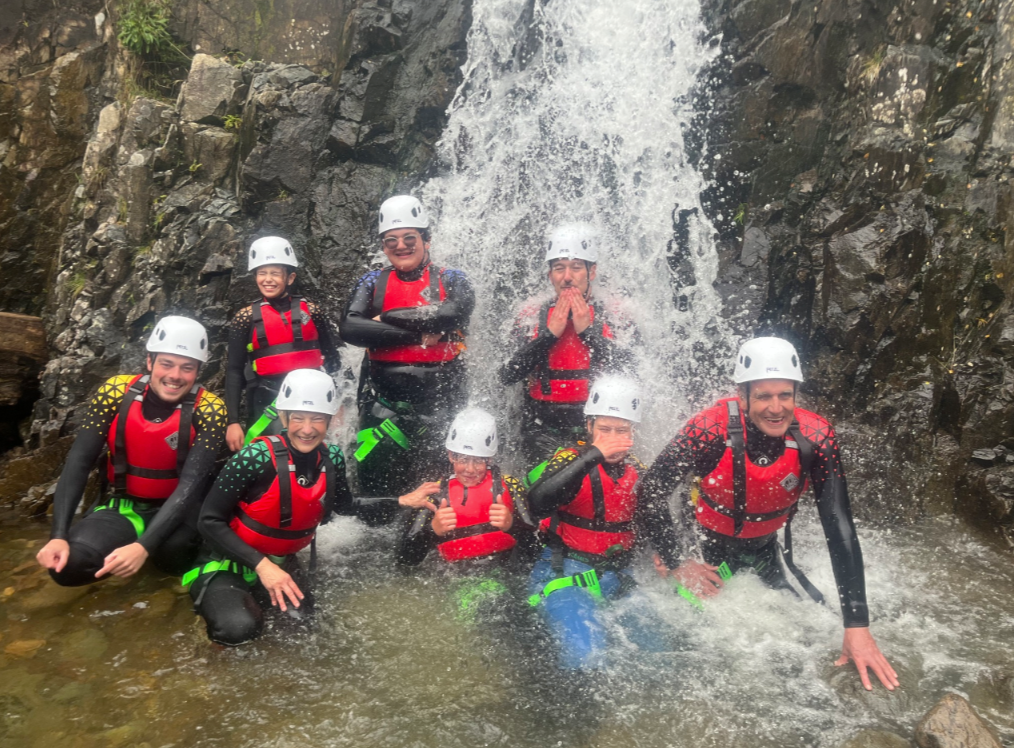
Firmenveranstaltungen & Teambuilding: Für Firmengruppen ist eine Ghyll-Kraxeltour ideal, die Teamarbeit, Kommunikation und Vertrauen fördert und gleichzeitig verschiedene Fitnesslevel berücksichtigt. Stickle Ghyll ist hier ein starker Kandidat: Beim Aufstieg können sich Teammitglieder gegenseitig über die Felsen helfen, während weniger Selbstsichere an schwierigeren Stellen vorbeigeführt werden. Es ist ein Ort, an dem Kollegen sich gegenseitig anfeuern können, wenn jemand in ein Becken springt oder einen Wasserfall bezwingt, wodurch Kameradschaft entsteht. Der moderate Schwierigkeitsgrad schließt diejenigen nicht aus, die keine besonders sportlichen Fähigkeiten haben. Church Beckeignet sich ebenfalls gut für Teambuilding, wenn die Gruppe überwiegend fit ist, da der „Wow“-Faktor ein Team durch ein gemeinsames Abenteuer eng zusammenschweißen kann. Jemandem unter Anleitung des Instruktors dabei zu helfen, eine Angst (etwa vor einem Sprung) zu überwinden, kann die Teammoral deutlich stärken. Stoneycroft ist eine weitere Option für einen entspannteren Teamausflug – es macht so viel Spaß, dass es Barrieren zwischen Kollegen schnell abbaut; am Ende lachen und plaudern alle wie Freunde.
Die nächstgelegenen Optionen zum Ghyll-Kraxeln nach Ort
Wenn du in einer bestimmten Stadt im oder rund um den Lake District wohnst oder sie besuchst, findest du hier die nächstgelegenen Ghyll-Kraxeltouren und Orte, die üblicherweise angeboten werden:
Kendal: Die nächstgelegene Ghyll-Kraxeltour ab Kendal findet oft im Wren Gill im Longsleddale Valley (nördlich von Kendal) statt. Wren Gill ist eine weniger bekannte, aber spannende Schlucht, die von Instruktoren aus Kendal genutzt wird und etwa 20 Autominuten von der Stadt entfernt liegt. Alternativ sind die beliebten Orte im zentralen Lake District innerhalb von 30–45 Minuten erreichbar: Stickle Ghyll (Langdale) und Church Beck (Coniston) liegen beide mit dem Auto etwa 20–25 Meilen von Kendal entfernt.
Keswick: In Keswick hast du die Qual der Wahl – mehrere Top-Ghylls liegen ganz in der Nähe. Die bekannteste nahe gelegene Kraxeltour ist Stoneycroft Ghyll im Newlands Valley, nur 15 Autominuten vom Stadtzentrum von Keswick entfernt. Tatsächlich zählen Stoneycroft und auch Hause Gill (bei Honister) zu den beliebtesten Orten für Abenteuer ab Keswick. Eine weitere Option direkt vor den Toren Keswicks ist Lodore Beck in Borrowdale (wird häufig für Canyoning mit Seilen genutzt).
Windermere: Windermere liegt am südlichen Ende der Seen, und mit einer kurzen Fahrt erreichst du mehrere Orte. Einer der nächstgelegenen ist Stickle Ghyll in Langdale (etwa 30 Autominuten vom Dorf Windermere entfernt). Ebenfalls etwa 30 Minuten entfernt, westlich über die Fähre oder über Ambleside, liegt Church Beck bei Coniston. Diese beiden sind die erste Wahl und werden Besuchern aus Windermere regelmäßig angeboten. Wenn du etwas noch Näheres bevorzugst, bringen dich manche Anbieter vielleicht zum Tilberthwaite Ghyll oder zum Tom Gill nahe Tarn Hows; beide sind etwa 20–25 Minuten von Windermere entfernt. Im Allgemeinen solltest du jedoch mit einer halben Stunde Fahrt rechnen, um von Windermere aus die besten Ghyll-Kraxeltouren zu erreichen.
Bowness-on-Windermere: Da Bowness direkt neben Windermere liegt, gibt es dieselben Optionen.
Ambleside: Ambleside liegt äußerst günstig – Stickle Ghyllin Great Langdale ist nur etwa 15 Autominuten von Ambleside entfernt und daher die erste Wahl für Kraxeltouren in der Nähe. Tatsächlich starten viele Touren von Ambleside nach Stickle Ghyll, da die Anfahrt so kurz ist. Eine weitere sehr nahe gelegene Option ist Rydal Beck (bei Rydal Hall), das manchmal für Einführungstouren in der Schlucht genutzt wird und nur 5 Minuten entfernt liegt. Für etwas Größeres ist Church Beck bei Coniston etwa ~25 Minuten von Ambleside entfernt. Auch Hodge Close/Tilberthwaite nahe Coniston (mit einigen Canyoning-Elementen) ist etwa 20 Minuten entfernt. Da Stickle Ghyll so nah liegt, beginnen die Bewohner von Ambleside jedoch oft dort – und der Ort eignet sich für eine große Bandbreite an Gruppen.
Kirkby Lonsdale: Kirkby Lonsdale liegt am südöstlichen Rand von Cumbria, deutlich außerhalb des eigentlichen Lake Districts. Direkt in Kirkby Lonsdale gibt es keine nennenswerte Ghyll-Kraxeltour (die Stadt ist eher für Flüsse wie den Lune bekannt, nicht für Schluchten). Die nächstgelegenen Optionen erfordern eine Fahrt in den Lake District oder die Yorkshire Dales. Eine Möglichkeit ist, etwa 45 Minuten nordwestlich in Richtung Windermere oder Coniston zu fahren – beispielsweise ist Church Beck (Coniston) ungefähr eine Autostunde von Kirkby Lonsdale entfernt und bietet ein erstklassiges Erlebnis. Eine weitere Option ist die Fahrt in die Yorkshire Dales; Hell Gill in Mallerstang (für eine extreme Tour) liegt etwa eine Stunde nördlich. Für eine familienfreundlichere Tour solltest du in den Lake District fahren – Stickle Ghyll oder Wren Gill sind mit dem Auto in knapp einer Stunde erreichbar.
Ulverston: Ulverston liegt südlich des Nationalparks nahe der Küste. Die nächstgelegene Ghyll-Kraxeltour ist Church Beck in Coniston, etwa 30 Autominuten nördlich (rund 15 Meilen). Damit ist Coniston eine ausgezeichnete und praktische Wahl für Abenteuerlustige aus Ulverston – Church Beck macht Spaß und eignet sich für verschiedene Gruppen. Ein weiterer relativ nahe gelegener Ort ist Tilberthwaite Ghyll (ebenfalls nahe Coniston), etwa 35 Minuten entfernt. Wenn du eine etwas längere Fahrt in Kauf nimmst (etwa 1 Stunde), könnte Esk Gorge in Eskdale infrage kommen, allerdings ist das eine Ganztagestour.
Grasmere: Grasmere liegt im zentralen Lake District, sodass du gute Optionen im Norden und Süden hast. Stickle Ghyll (Langdale) ist etwa 25 Minuten von Grasmere entfernt und wird aufgrund seiner Qualität und guten Erreichbarkeit besonders empfohlen. Eine ähnlich lange Fahrt in die andere Richtung bringt dich zu Stoneycroft Ghyll (über Dunmail Raise nach Keswick in ~30 Minuten). Für eine ganz nahe gelegene Option werden Greenhead Gill oder Sourmilk Gill nahe Grasmere gelegentlich genannt; dabei handelt es sich jedoch im Allgemeinen eher um Wanderkraxeleien für erfahrene Wanderer als um geführte Ghyll-Kraxeltouren.
Hawkshead: Hawkshead liegt zwischen Coniston und Windermere und ist daher ganz praktisch ziemlich nah an Church Beck – nur etwa 15 Autominuten über den Hügel nach Coniston. Damit ist Church Beck der beste nahegelegene Kletterbach für alle, die sich in Hawkshead aufhalten. Außerdem ist Tilberthwaite Ghyll (nördlich von Coniston) etwa 20 Minuten von Hawkshead entfernt und bietet eine ruhigere Alternative. Für mehr Abwechslung liegt Stickle Ghyll in Langdale etwa 30 Minuten von Hawkshead entfernt (über Ambleside).
Coniston: Wenn du in Coniston bist, befindest du dich bereits direkt vor einem der besten Kletterbäche – Church Beck liegt mitten im Ort! Viele Guides treffen sich genau aus diesem Grund mit den Teilnehmern in Coniston. Vom Zentrum Conistons sind es nur 5–10 Minuten zu Fuß bis zum Start der Church-Beck-Tour – bequemer geht es kaum. Neben Church Beck gibt es mit Tilberthwaite Ghyll/Canyon eine weitere Möglichkeit in der Nähe, etwa 10 Autominuten entfernt bei Tilberthwaite (wird häufig genutzt, wenn Church Beck voll ist). Aber ganz ehrlich: In Coniston zu sein und nicht Church Beck zu machen, wäre wirklich schade. Wenn du also hier übernachtest, solltest du diese Tour unbedingt machen. Für ein größeres Abenteuer ist Esk Gorge etwa 45 Autominuten entfernt (nach Eskdale), aber das ist normalerweise ein spezieller Ausflug.
Häufig gestellte Fragen (FAQ)
F: Sollte ich vorher online buchen? A: Ja – es wird dringend empfohlen, dein Abenteuer beim Kletterbachwandern im Voraus zu buchen. Am bequemsten geht das über eine Online-Plattform wie adventuro, auf der du Touren zum Kletterbachwandern bei den besten Guides und Instruktoren in deiner Nähe entdecken und buchen kannst adventuro.com. Beliebte Orte und Zeitfenster (besonders an Wochenenden und in den Ferien) können schnell ausgebucht sein. Wenn du deinen Platz im Voraus sicherst, verpasst du nichts. Bei einer Online-Buchung kannst du außerdem verschiedene Veranstaltungsorte und Anbieter vergleichen, Bewertungen lesen und eine Tour finden, die zur Größe und den Fähigkeiten deiner Gruppe passt. Adventuro bietet beispielsweise Hunderte von Optionen mit allen erstklassigen Orten und verfügbaren Guides – so kannst du ganz sicher einen renommierten, qualifizierten Instruktor für deine Tour auswählen.
F: Ist Kletterbachwandern sicher? A: Wenn es von erfahrenen Instruktoren mit der richtigen Ausrüstung durchgeführt wird, ist Kletterbachwandern trotz seines abenteuerlichen Charakters eine sehr sichere Aktivität . Alle seriösen Anbieter stellen dir Sicherheitsausrüstung zur Verfügung – Helm, Auftriebshilfe, Neoprenanzug und manchmal einen Klettergurt – und erklären dir, wie du dich sicher durch den Kletterbach bewegst. Instruktoren sind in Risikoeinschätzung und Gruppenführung geschult. Sie richten an schwierigen Stellen häufig Sicherungsseile ein oder sichern Teilnehmer durch Zurufe und wissen genau, wie die Routen verlaufen (einschließlich der Becken, in die man sicher springen kann, und der Gefahren, die man vermeiden sollte). Natürlich bestehen wie bei jedem Outdoor-Abenteuer gewisse Risiken, etwa Ausrutschen oder kaltes Wasser. Diese werden jedoch minimiert, wenn du die Anweisungen des Guides befolgst und die bereitgestellte Ausrüstung benutzt. Statistisch gesehen hat Kletterbachwandern bei fachkundiger Betreuung eine niedrige Unfallrate. Es ist entscheidend, mit einem lizenzierten Anbieter unterwegs zu sein – dadurch wird die Tour nicht nur sicherer, sondern auch unterhaltsamer, weil dir die besten Techniken und versteckten Besonderheiten gezeigt werden. Wenn du es allein versuchst (für Anfänger generell nicht empfohlen), musst du äußerst vorsichtig sein: Meide Hochwasserbedingungen (ein plötzlicher Anstieg des Wasserstands kann gefährlich sein), stelle sicher, dass du die richtige Ausrüstung hast, und springe niemals blind in Wasser, das du nicht überprüft hast. Bei einer geführten Tour gilt jedoch: Ja, Kletterbachwandern ist sicher – jedes Jahr unternehmen Tausende Menschen jeden Alters solche Touren ohne Probleme.
F: Was muss ich anziehen? A: Du musst keine spezielle Neoprenausrüstung mitbringen – der Anbieter stellt standardmäßig einen Neoprenanzug (normalerweise einen wärmenden, durchgehend langen und dicken Neoprenanzug), einen Helm und eine Auftriebshilfe zur Verfügung. Unter dem Neoprenanzug solltest du Badekleidung tragen (Badeanzug oder Badeshorts). Manche tragen zusätzlich eine Sportleggings oder leichte Trainingshose über dem Neoprenanzug, um ihn etwas besser zu schützen (und aus Gründen der Bedeckung). Frag am besten beim Anbieter nach – häufig wird empfohlen, alte Shorts über dem Neoprenanzug zu tragen, um ihn an den Felsen zu schützen. An deinen Füßen solltest du robuste Turnschuhe oder Wanderschuhe tragen, die ruhig komplett nass werden dürfen. Vermeide dünne Wasserschuhe oder Sandalen, da sie auf rutschigen Felsen kaum Halt für die Knöchel bieten. Ein gutes Paar alte Turnschuhe mit ausreichend Profil ist ideal. Falls der Anbieter Schuhe zur Verfügung stellt (manche tun das, zumindest in größeren Größen), wird er dich darüber informieren – grundsätzlich solltest du aber davon ausgehen, dass du deine eigenen geschlossenen Schuhe mitbringen musst, die vollständig durchnässt werden dürfen. Was du sonst noch anziehen solltest: was du sonst noch anziehen solltest: Lege sämtlichen Schmuck ab (Ringe können im kalten Wasser abrutschen, und baumelnde Ohrringe oder Halsketten stellen eine Gefahr dar). Wenn du eine Brille trägst, sichere sie oder ziehe ein Sportbrillenband in Betracht (oder trage Kontaktlinsen, wobei ein geringes Verlustrisiko besteht). Lange Haare sollten zusammengebunden werden. Grundsätzlich solltest du schnell trocknende Sportkleidung tragen, in der du dich wohlfühlst – du wirst dich bewegen, dehnen und durch enge Stellen zwängen, daher sollte nichts zu locker oder einengend sein. Nimm außerdem trockene, warme Kleidung zum Wechseln für danach mit.
F: Was muss ich mitnehmen? A: Die meisten Anbieter bringen die technische Ausrüstung mit, du solltest jedoch eine kleine Tasche mit persönlichen Dingen packen. Wichtige Dinge für unterwegs: ein Handtuch (ein großes ist praktisch zum Umziehen danach oder sogar als Sichtschutz beim Umziehen draußen), ein vollständiger Satz trockener Kleidung und trockene Schuhe für nach der Tour (am Ende wirst du komplett nass sein, einschließlich deiner Schuhe) sowie eine Plastiktüte für deine nasse Kleidung. Bei einer längeren Tour oder an einem abgelegenen Ort wie Esk Gorge solltest du eine Wasserflasche und einen Snack oder sogar ein Lunchpaket mitbringen – dein Guide wird dir sagen, ob das nötig ist (bei Esk-Touren gibt es normalerweise eine Picknickpause). Es ist außerdem sinnvoll, alle persönlichen Medikamente mitzunehmen, die du benötigen könntest (Inhalator, Adrenalin-Autoinjektor usw.). Informiere deinen Guide, dann kann er sie in einem wasserdichten Packsack transportieren. Während der Aktivität selbst brauchst du kaum etwas anderes. Nimm auf keinen Fall ungeschützte Wertsachen wie Handys oder Autoschlüssel mit in den Kletterbach. Wenn du Fotos machen möchtest, solltest du unbedingt eine wirklich wasserdichte Kamera oder Hülle verwenden und dir bewusst sein, dass dies auf eigene Gefahr geschieht (manche Guides haben GoPros oder machen Fotos für dich). Für davor und danach ist ein Paar Flip-Flops oder Crocs praktisch, die du beim Umziehen tragen kannst (damit du nicht barfuß auf einem Parkplatz oder in einer Umkleide bist). Für den Sommer: etwas Sonnencreme (vor dem Anziehen des Neoprenanzugs auf die unbedeckten Stellen auftragen) und Insektenschutzmittel, falls Kriebelmücken unterwegs sind. Kurz gesagt: Nimm das Nötigste für Komfort und Sicherheit mit: Handtuch, trockene Kleidung, Schuhe, Wasser, einen Snack und alle benötigten Medikamente. Alles andere solltest du an einem trockenen Ort lassen – du wirst im Kletterbach zu viel Spaß haben, um viel bei dir zu brauchen!
F: Wird mir kalt werden? A: Es ist verständlich, dass du dich das fragst, denn du wirst in Bergwasser unterwegs sein, das selbst im Sommer ziemlich kalt sein kann. Die Anbieter stellen jedoch dicke Neoprenanzüge (oft 5 mm Neopren) zur Verfügung, die den Wärmeverlust deutlich reduzieren und dich überraschend warm halten. Sobald du mit der Tour beginnst, bist du aktiv – kletterst, schwimmst und springst –, sodass dein Körper Wärme erzeugt. Tatsächlich berichten viele, dass ihnen während der Bewegung warm war und sie die Kälte erst bemerkten, als sie anhielten. An kühleren Tagen bekommst du außerdem zusätzliche Ausrüstung wie ein Fleece- oder Neopren-Cagoule-Oberteil zur Isolierung sowie in den kälteren Monaten Neoprenhandschuhe oder -mützen. Guides achten sehr genau auf das Wohlbefinden der Gruppe. Sie sorgen dafür, dass sich alle ausreichend bewegen, damit niemand auskühlt, und bringen in der kalten Jahreszeit möglicherweise eine Thermoskanne mit einem heißen Getränk für nach der Tour mit. Wenn dir kalt wird, solltest du deinem Instruktor unbedingt Bescheid sagen – er kann die Tour verkürzen oder für alle einen sonnigen Platz zum Aufwärmen suchen. Aber grundsätzlich ist Kletterbachwandern seiner Natur nach eine nasse Aktivität und wird das ganze Jahr über entsprechend angeboten. Im Hochsommer an einem sonnigen Tag fühlt sich das kühle Wasser tatsächlich fantastisch und erfrischend an (beim Wandern im Neoprenanzug könntest du überhitzen, bis du ins Wasser eintauchst!). In den Übergangsjahreszeiten wie Frühling und Herbst solltest du damit rechnen, dass der erste Kontakt mit dem Wasser erfrischend kalt ist. Danach gewöhnst du dich daran und die Aufregung übernimmt. Wenn du besonders schnell frierst, solltest du unter dem Neoprenanzug eine synthetische Basisschicht tragen und das angebotene Fleece-Cagoule auf jeden Fall anziehen. Außerdem kann es psychologisch beruhigen, wenn du weißt, dass am Ende ein warmes Pub oder Café (oder die Heizung deines Autos) auf dich wartet!
F: Muss die Sonne scheinen? A: Ganz und gar nicht! Kletterbachwandern ist eine dieser Aktivitäten, die du bei fast jedem Wetter genießen kannst. Tatsächlich gelten Regentage oft als ideal dafür – du wirst ohnehin nass, daher ist ein bisschen Regen von oben kein Problem. Solange die Bedingungen sicher sind (keine extremen Überschwemmungen oder Gewitter), finden die Touren bei Regen und Sonnenschein statt. Viele planen Kletterbachwandern sogar als Aktivität bei schlechtem Wetter, denn Klettern oder Wandern macht bei Regen vielleicht weniger Spaß, aber in Wasserfällen zu springen ist auch bei strömendem Regen großartig. Die einzige Wetterlage, bei der eine Tour abgesagt wird, ist wirklich gefährliches Wetter: etwa wenn sintflutartiger Regen den Wasserstand stark ansteigen lässt, wenn Blitze auftreten (bei einem Gewitter im Wasser zu sein, wird nicht empfohlen) oder wenn starke Winde die Zugangswege gefährlich machen (bei den niedrig gelegenen Kletterbächen selten). Wenn es im Winter außerdem deutlich unter den Gefrierpunkt fällt, setzen manche Anbieter ihre Aktivitäten wegen der Eisgefahr aus. Aber grundsätzlich ist das Wetter im Lake District berüchtigt wechselhaft, und die Guides arbeiten bei allen Bedingungen – wenn ein Kletterbach zu viel Wasser führt, wählen sie einen geeigneten anderen Ort.
Verwende den Code SCRAMBLE5 für 5% Rabatt auf deine nächste Buchung zum Kletterbachwandern bei adventuro.
Diese Abenteuer buchen
Bereit, aufzubrechen? Buche eine dieser Reisen auf adventuro.