We partner with Rewilding Britain to help protect our natural spaces for future adventures.
All centres are vetted for safety and quality. Your adventure is in good hands with adventuro.
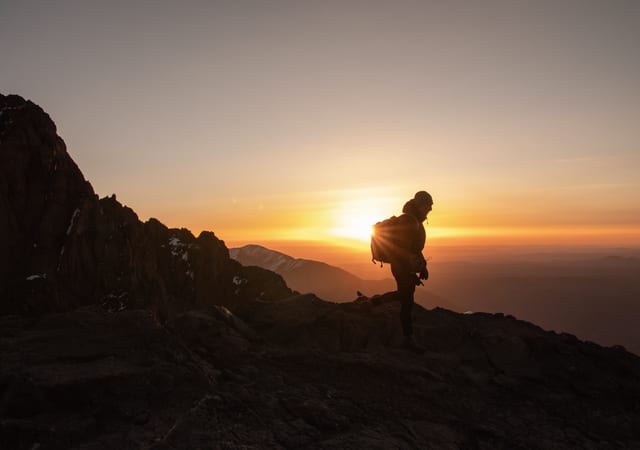
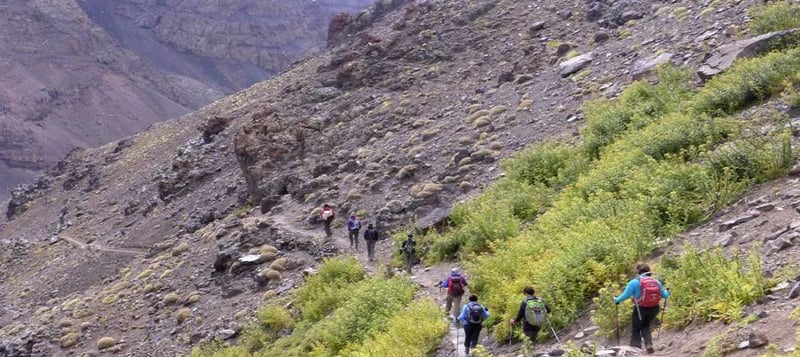
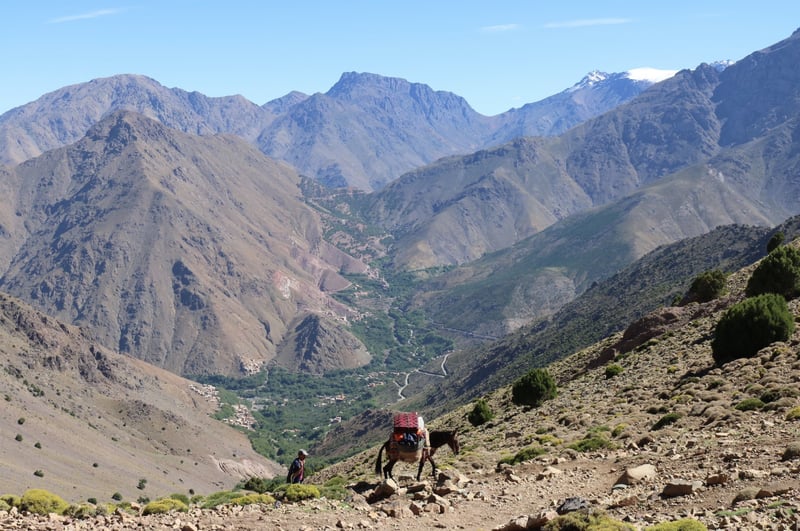
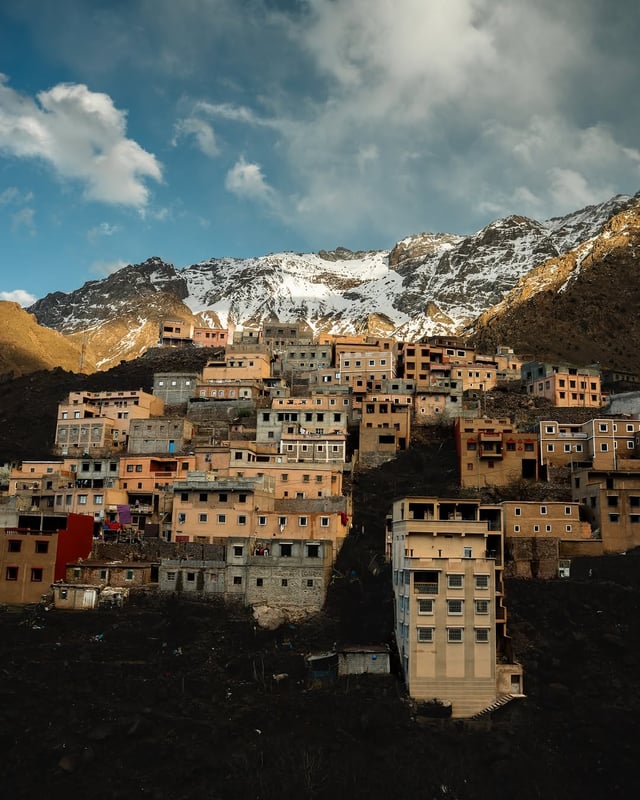
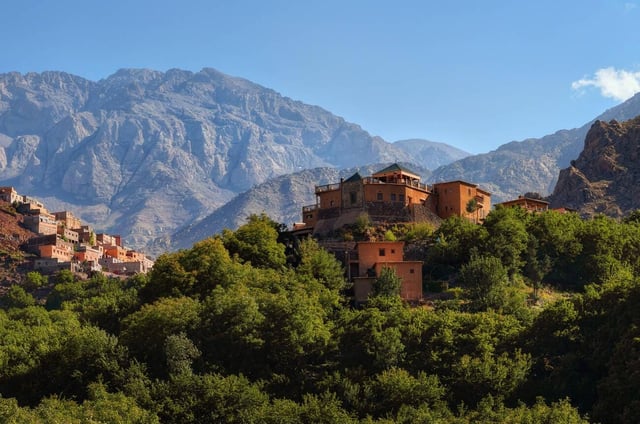
Climbing Mount Toubkal is one of Morocco's classic trekking experiences, taking you through the dramatic landscapes of the High Atlas Mountains before reaching the highest summit in North Africa. Rather than following the busiest route, this itinerary explores the beautiful Azzaden Valley, creating a circular journey that showcases waterfalls, traditional mountain villages and quieter mountain trails.
Although the ascent is considered non-technical for most of the year, the trek is physically demanding and best suited to walkers with a good level of fitness. Mules transport the main luggage throughout the journey, allowing you to focus on the climb while enjoying some of Morocco's finest mountain scenery.
Supported by experienced mountain guides and muleteers, this trek has been designed to combine a challenging summit with a more varied route through the High Atlas. By approaching Toubkal through the Azzaden Valley, you'll experience quieter trails while discovering landscapes that many visitors miss.
Every departure is led by CFAMM-certified guides with extensive knowledge of the mountains, weather conditions and local Berber communities. Their experience allows you to enjoy the trek safely while learning more about the region's history, culture and environment along the way.
Your adventure begins with an early morning transfer from Marrakech to the mountain village of Imlil, the starting point for many High Atlas treks. After meeting your guide and mule team, you'll begin walking through the beautiful Imlil Valley before climbing towards the Tizi n'Mzik Pass.
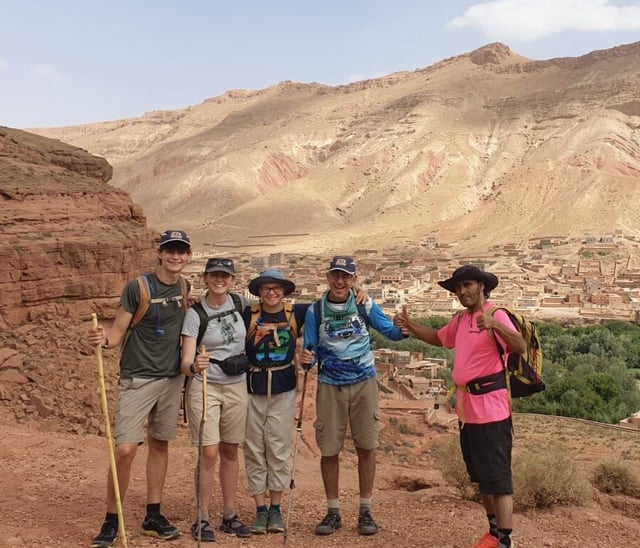
The trail continues through the peaceful Azzaden Valley, passing Azib n'Tamsoult refuge and the Ighouliden waterfalls before reaching your overnight accommodation. Depending on the group's pace, you'll stay at Azib n'Tamsoult or a nearby mountain refuge after around six hours of trekking.
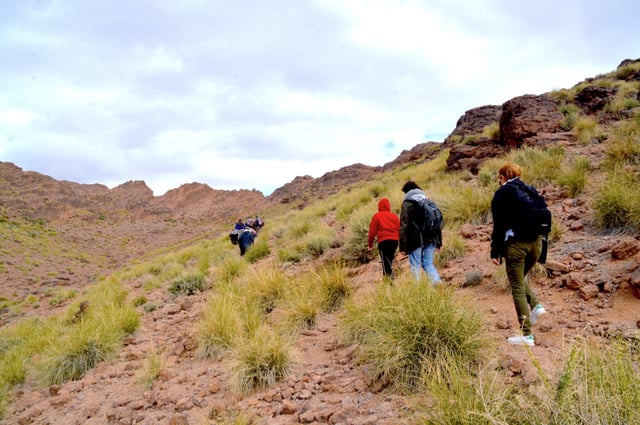
Today's route is the most demanding before summit day, climbing steadily out of the Azzaden Valley towards the Aguelzim Pass. As altitude increases, the scenery becomes more dramatic, with wide views across the surrounding Atlas Mountains providing an excellent reward for the effort.
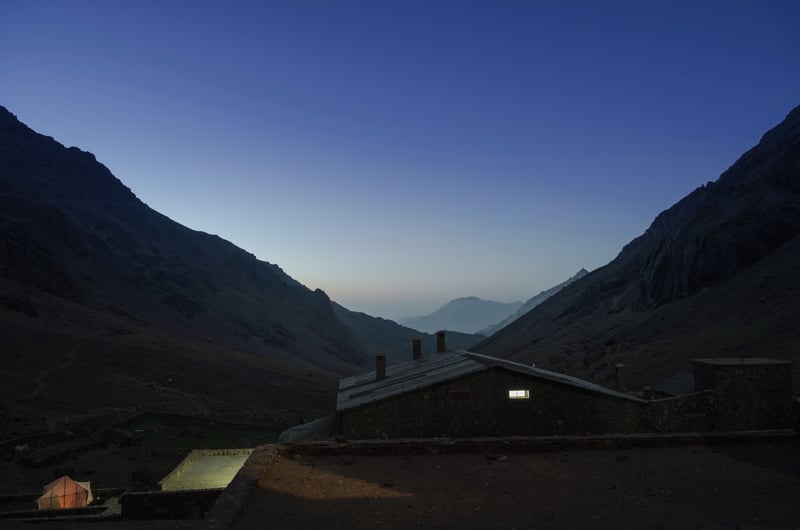
After lunch at a panoramic viewpoint, the trail continues to the Toubkal Refuge, where you'll spend the night alongside other climbers preparing for the summit ascent. An early night is recommended ahead of the following morning's climb.
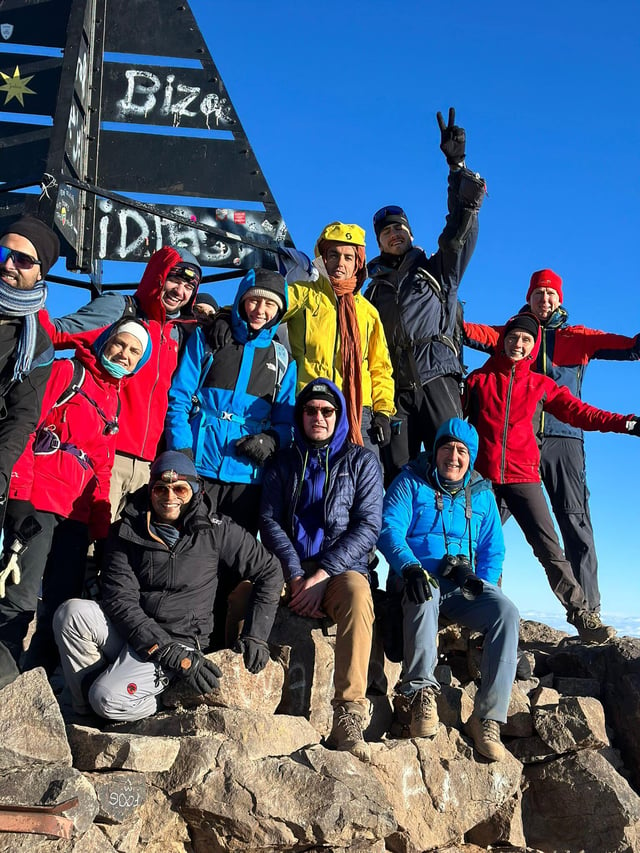
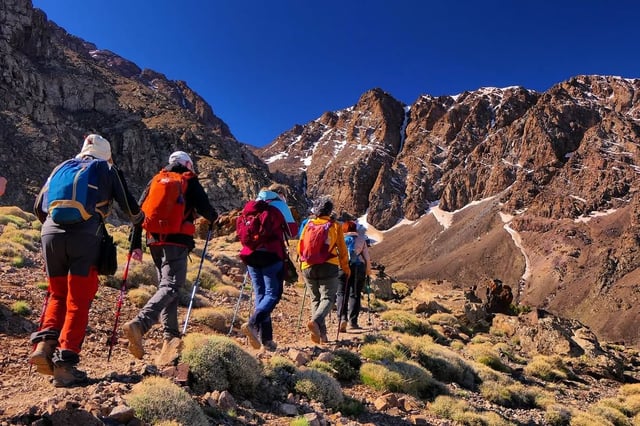
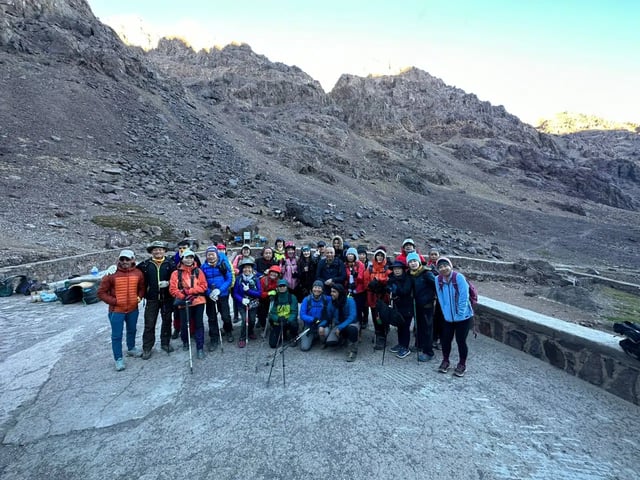
Before sunrise, you'll begin the final ascent towards the summit of Mount Toubkal at 4,167 metres. The climb involves uphill hiking with some straightforward scrambling, while winter departures may also include snow-covered sections depending on conditions.
From the summit, clear weather offers views across the Atlas Mountains, Marrakech and even the distant Sahara. After celebrating your achievement, you'll descend back past the refuge before continuing all the way to Imlil, where transport returns you to Marrakech, usually arriving during the late afternoon after a full day of trekking.
Accommodation varies depending on the stage of the trek and seasonal conditions. The first night is spent in either a mountain gîte or refuge within the Azzaden Valley, providing simple but comfortable accommodation close to the trail.
Your second night is spent at the Toubkal Refuge, where shared bunk rooms are common during the climbing season. Camping can also be available during certain departures, depending on weather conditions and the itinerary selected.
For most of the year, Mount Toubkal is considered a non-technical mountain, meaning you do not need climbing ropes or specialist mountaineering experience to reach the summit. The route mainly follows mountain paths with sections of uphill hiking and occasional easy scrambling across rocky ground.
Despite this, it remains a physically demanding trek due to the altitude and long walking days. During winter, snow and ice can make the ascent considerably more challenging, and additional equipment such as crampons and ice axes may be required depending on conditions.
This trek is designed for people with a good level of fitness who enjoy hiking and are comfortable spending several consecutive days in the mountains. Previous trekking experience is helpful but not essential if you regularly undertake long walks and are prepared for sustained uphill sections.
Altitude also adds to the challenge, particularly on summit day, when you'll reach 4,167 metres. Taking a steady pace and following your guide's advice helps most walkers complete the trek successfully.
The final day is the longest and most demanding part of the itinerary, with approximately eight to nine hours of trekking in total. You'll begin before sunrise, climb to the summit, descend back to the refuge and then continue all the way to Imlil before returning to Marrakech by vehicle.
Although it is a long day, the changing scenery and the achievement of reaching North Africa's highest peak make it the highlight of the entire journey.
Accommodation is simple and reflects the mountain environment. The first evening is usually spent in a mountain gîte or refuge within the Azzaden Valley, while the second night is spent at the Toubkal Refuge close to the summit route.
Rooms are generally shared with other trekkers, particularly during the busiest months. Depending on the departure and weather conditions, camping may also be used for parts of the itinerary.
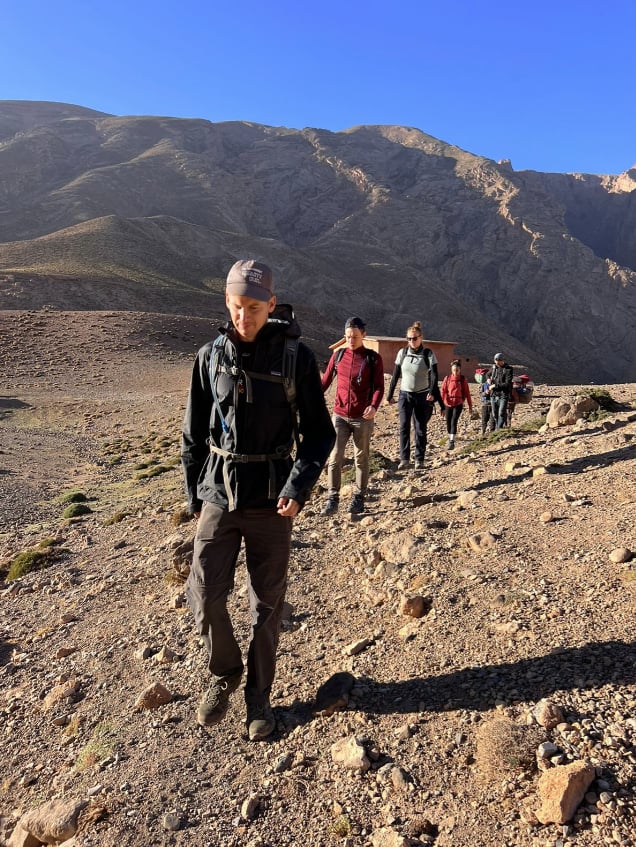
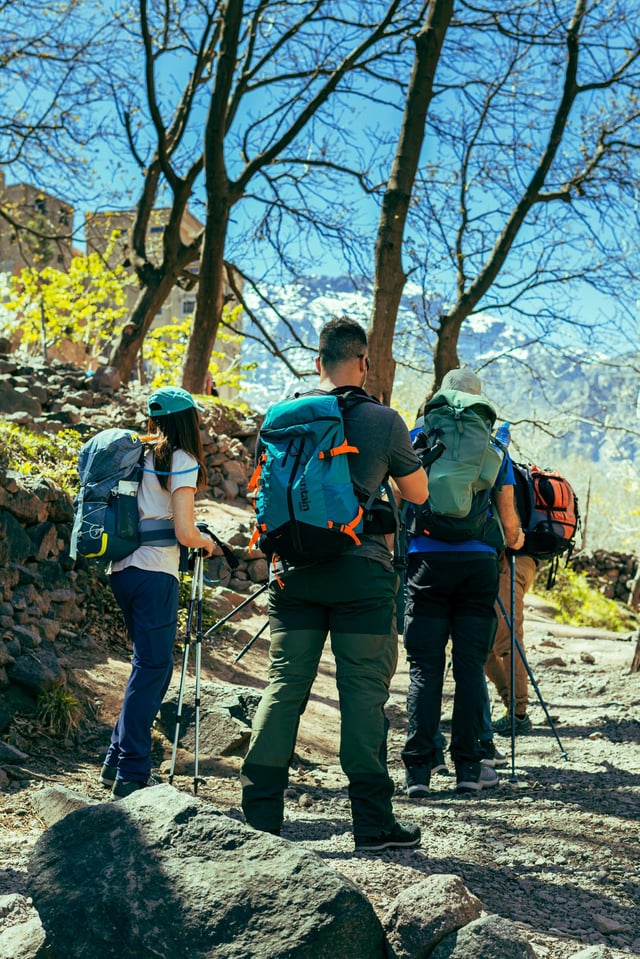
The accompanying mule team transports your main luggage, food and much of the group's equipment throughout the trek. This means you only need to carry a comfortable daypack containing water, snacks, waterproof clothing and any personal items needed while walking.
Travelling this way allows you to enjoy the trek without carrying a heavy backpack, while also following the traditional methods used by local mountain communities for generations.
The main trekking season runs from April through to late September, when mountain conditions are generally drier and the trails are usually free from snow. These months offer the most straightforward climbing conditions for most walkers.
Winter ascents are still possible but require greater preparation because snow and ice can make the route significantly more demanding. Your guide will advise if additional equipment is needed for seasonal conditions.
Reliable walking boots are one of the most important items for this trek, along with layered clothing suitable for changing mountain temperatures. Even during summer, mornings and evenings at higher altitude can be surprisingly cool.
A waterproof jacket, warm clothing, sun protection, a head torch and a reusable water bottle are also recommended. Packing light but including the essentials will help make the climb more comfortable.

About the centre
Marrakech
Operated by Adrar Travel, a partner of adventuro.
Central & Atlas Mountains, Morocco
From €100