We partner with Rewilding Britain to help protect our natural spaces for future adventures.
All centres are vetted for safety and quality. Your adventure is in good hands with adventuro.
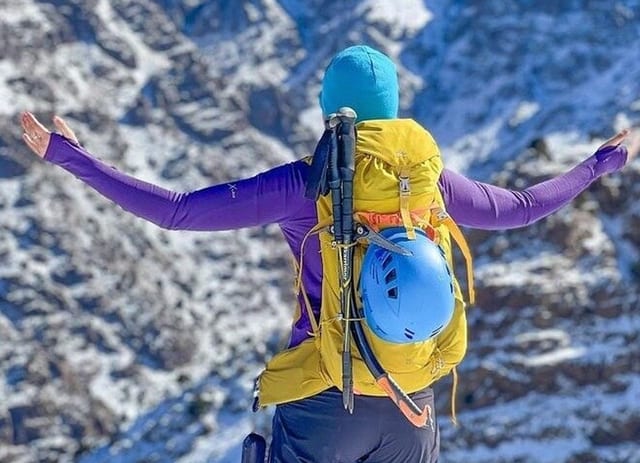
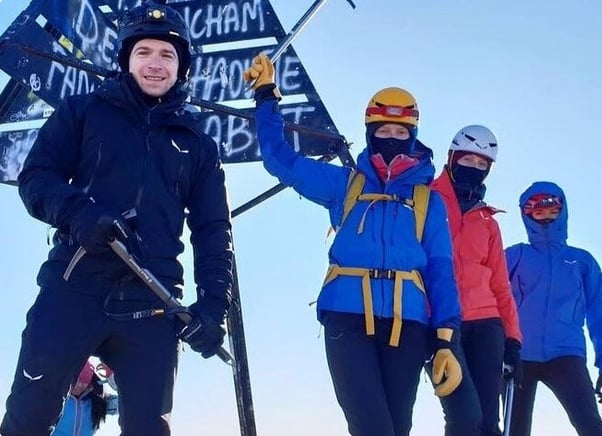
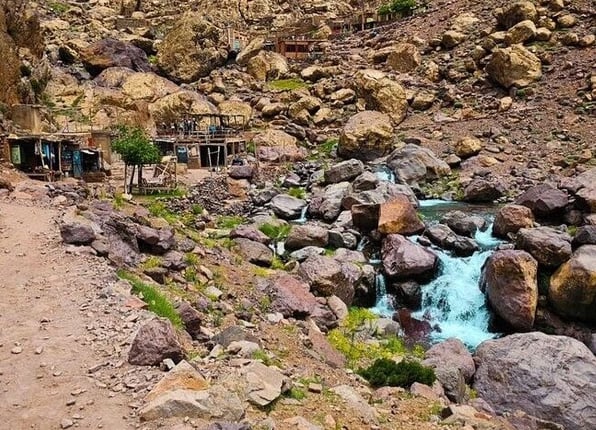
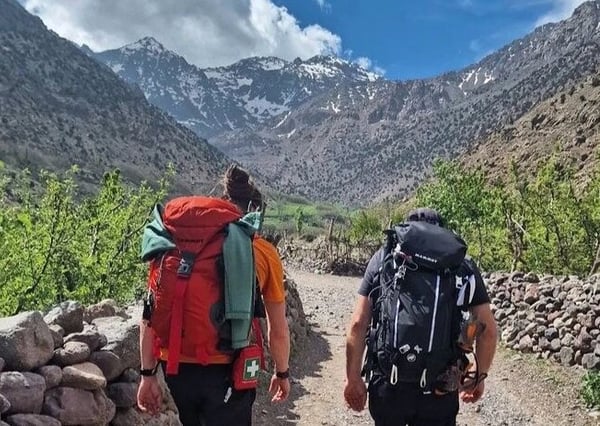
This two-day mountain experience offers a clear and well-supported introduction to high-altitude trekking in the Atlas Mountains. The route takes you through traditional valleys, remote terrain, and varied landscapes before reaching the highest peak in North Africa. With a local guide, mule support, and overnight refuge accommodation, you’ll follow an established path designed for adventurous travellers with moderate fitness.
Your journey starts with collection from Marrakech and a drive into the High Atlas. On arrival in Imlil, your guide and mule team organise equipment and supplies before you begin the ascent through the Ait Mizane Valley. The path leads through villages such as Aremd, where you’ll see traditional irrigation systems, terraced farmland, and daily rural life. After crossing towards the shrine of Sidi Chamarouch, the terrain becomes more rugged as you follow well-used mule tracks towards higher ground. Lunch is served en route before continuing up rocky slopes to reach the Toubkal Refuge, where you rest for the evening with dinner provided.
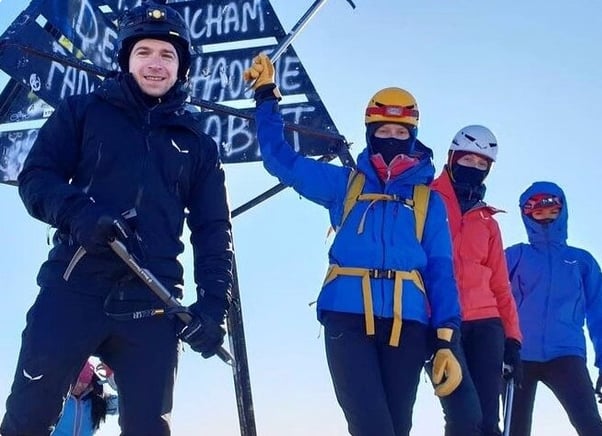
Day two begins early to take advantage of stable morning conditions for the ascent. The southern route leads over scree-covered terrain, with altitude being the main challenge. Your guide maintains a steady pace and builds in regular breaks to support acclimatisation. After several hours of climbing, the summit ridge appears, followed by the peak itself at 4,167 m. Views extend across the Marrakech Plain, the High Atlas ridge lines, and towards the Anti-Atlas and Sahara. After taking time at the top, you descend back to the refuge, continue to Imlil, and return to Marrakech by late afternoon.
This trek takes place in the High Atlas Mountains, beginning in the village of Imlil at around 1,740 metres. The valley is the principal starting point for Toubkal ascents and is home to established guiding families and well-maintained mule routes. The landscapes transition quickly from farmland and orchards to steep-sided valleys and exposed high-altitude terrain. Seasonal conditions vary, and snow can appear at any time from autumn through spring.
The Toubkal Refuge sits at approximately 3,200 metres and serves as the main base for summit attempts. Accommodation is simple and communal, reflecting its mountain setting. The route provides a clear progression through Morocco’s alpine environment, with the summit offering extensive views rarely seen elsewhere in the country. Trails are well known among local guides, and the ascent follows a recognised route used for both recreational and scientific access.
A moderate level of fitness is required, as you will be hiking for several hours on consecutive days at increasing altitude. The scree sections and elevation gain can be challenging for those unfamiliar with mountain environments, so preparation and suitable footwear are essential. While the route is not technically difficult, altitude can affect performance, and travellers must be prepared for variable weather conditions in exposed terrain.
Participants must be at least 18 years old, and personal travel insurance with trekking cover is mandatory. Guests should bring their own clothing layers, trekking poles, gloves, and other personal items suitable for cold or windy weather at altitude. The trek is not suitable for guests with mobility restrictions, respiratory issues, or those unaccustomed to prolonged physical activity at elevation.
This experience is led by guides who grew up in the Atlas region and understand the mountain environment, its communities, and the challenges posed by altitude. Their knowledge helps manage pacing, weather considerations, and route selection to ensure a safe and rewarding ascent. Mule support is provided so you can focus on the trek itself without carrying heavy loads.
The combination of cultural insight, structured planning, and clear communication makes this two-day itinerary suitable for travellers aiming to climb North Africa’s highest peak with confidence. You benefit from reliable logistics, locally prepared meals, and a guide who is invested in your safety and overall experience throughout the journey.
The ascent is considered moderately challenging, primarily due to altitude and the loose scree near the summit. While the trek does not require technical climbing skills, it does involve long periods of uphill walking at elevation, which can make the final push demanding. Most people with reasonable fitness and prior hiking experience manage the route comfortably.
Your guide sets a controlled pace to help with acclimatisation, and there are regular breaks to monitor how everyone is coping. Weather conditions can influence difficulty, particularly during colder months when snow may be present. Clear instruction is provided to help you manage the terrain safely.
The Toubkal Refuge offers simple, functional accommodation designed specifically for mountain use. Rooms are shared, and facilities are basic, with communal dining areas and limited amenities. It provides a warm, safe environment to rest before the summit attempt.
As this is a high-altitude hut, comfort is secondary to practicality. You will need to bring your own sleeping bag suitable for cold conditions, as temperatures can drop significantly at night. Despite its simplicity, the refuge is well run and a familiar overnight stop for trekkers attempting the peak.
The trek begins in Imlil at around 1,740 metres and the refuge sits at roughly 3,200 metres. The second day covers the remaining ascent to 4,167 metres. This steady increase allows your body to adjust, though some guests may still feel the effects of altitude.
Common symptoms include mild headaches, increased breathing rate, or reduced appetite. Your guide monitors the group and manages pacing to support acclimatisation. Hydration, layering appropriately, and eating regularly all help with altitude adaptation.
Layered clothing is essential due to large temperature shifts between day and night. A waterproof jacket, warm mid-layers, gloves, hat, and sturdy hiking boots with good traction are necessary. Even in summer, the summit can be cold and windy, so packing thermal layers is recommended.
Trekking poles can help with the descent, especially across scree. You should also bring a headtorch for the early-morning ascent, sunglasses, sunscreen, and any personal snacks. Your mule team will carry heavier items, but a small daypack is required for essentials during the hike.
Yes, personal travel insurance that covers trekking at altitude is mandatory. This ensures you have appropriate cover in case of injury, illness, or evacuation. Standard travel policies may not include high-altitude trekking, so it is important to check the specific terms before travelling.
Insurance details may be requested before the trek begins. Without appropriate cover, you may be unable to participate for safety and liability reasons. This requirement supports both guest safety and responsible guiding practices in mountain environments.
All meals are included from lunch on day one through lunch on day two. Meals typically consist of hearty dishes suitable for sustained physical effort, including salads, soups, stews, bread, and tea. Food is prepared using local ingredients and served at rest stops or in the refuge.
If you have dietary requirements, it is important to inform the organiser in advance. Vegetarian meals are usually available, though more specific dietary needs may require bringing supplementary snacks. Meals are structured to maintain energy throughout the trek.
The summit day generally begins before sunrise to take advantage of stable weather and firm early-morning conditions. Starting early also allows enough time for a steady ascent, time at the peak, and a controlled descent back to the refuge and then to Imlil.
Pre-dawn starts can feel challenging, but they are standard practice for this type of mountain environment. A headtorch is required, and guides ensure that the early section of the route is taken at a slow, manageable pace while visibility improves.
Previous mountain trekking experience is helpful but not essential. Many first-time high-altitude hikers successfully complete the route with guidance and steady pacing. What matters most is being moderately fit, comfortable walking uphill for several hours, and able to handle uneven terrain.
If you are new to trekking, good preparation helps. Regular walking, stair climbing, and basic fitness routines in the weeks leading up to the trip will make the experience more comfortable. Your guide will explain route features and safety considerations, making the trek accessible for motivated beginners.
Weather conditions can change rapidly in the High Atlas, particularly at altitude. Light snow or wind does not necessarily prevent a summit attempt, but your guide will assess conditions continuously. Safety remains the priority, and adjustments to pace or timing may be made.
In cases where conditions are unsafe—such as heavy snowfall, strong winds, or poor visibility—the summit attempt may be modified or cancelled. While disappointing, these decisions ensure that guests avoid unnecessary risk on exposed terrain.
After descending from the summit to the refuge, you continue down to Imlil via a familiar route. The drive from Imlil to Marrakech usually takes around 90 minutes, depending on traffic and road conditions. You can expect to return by late afternoon or early evening.
Pick-up and return drop-off services follow the same accommodation or designated meeting points used at the start of the trek. You will have a chance to rest during the journey, and bottled water is provided during the drive.
About the centre
Imlil
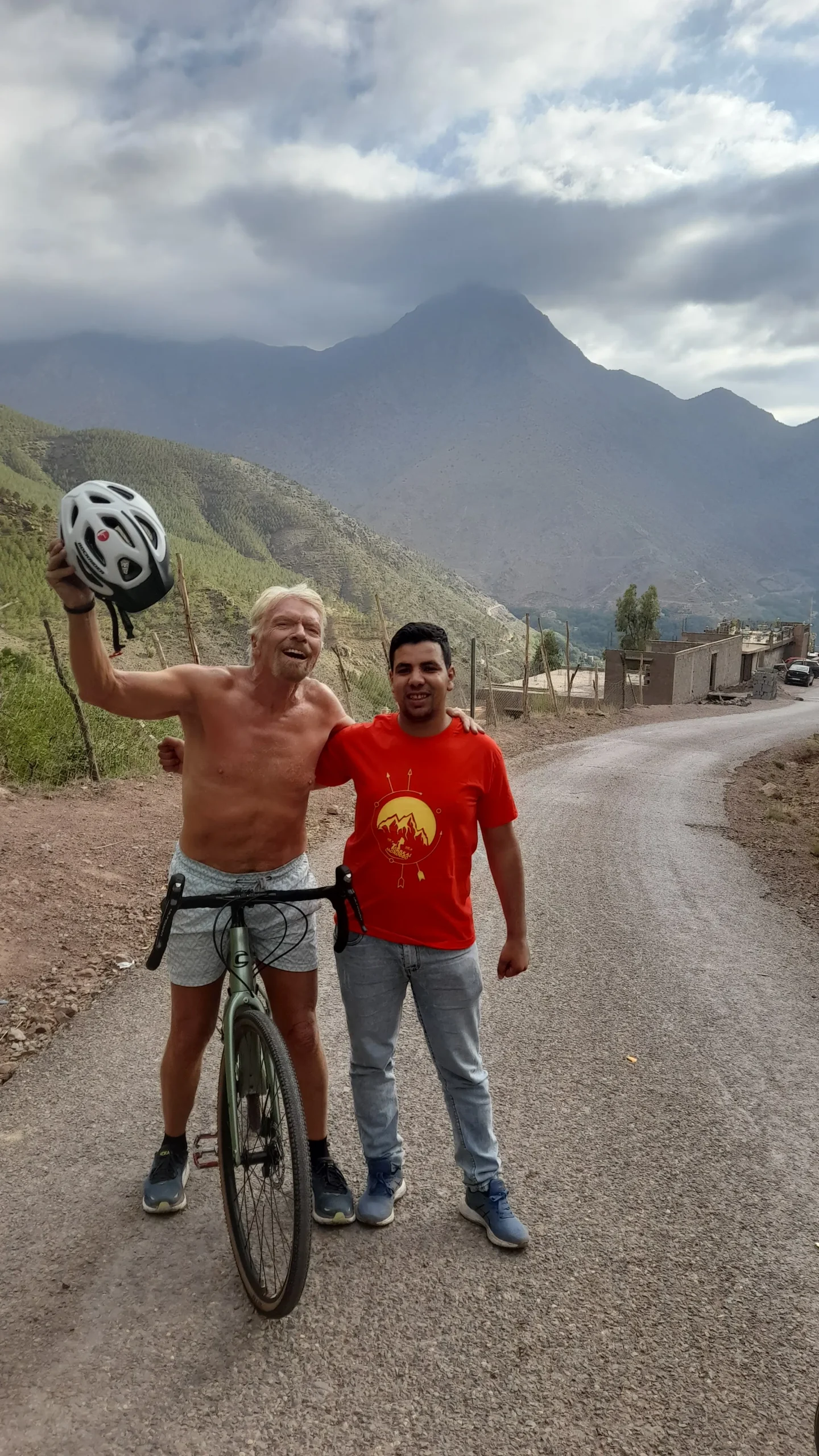
Operated by Amazouz Morocco Tours, a partner of adventuro.
From £190


Basseterre & South Peninsula, Saint Kitts and Nevis
From $275