
We partner with Rewilding Britain to help protect our natural spaces for future adventures.
All centres are vetted for safety and quality. Your adventure is in good hands with adventuro.
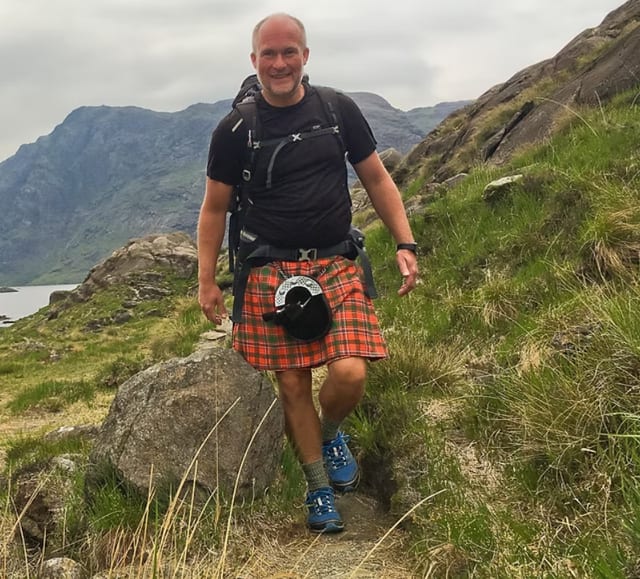
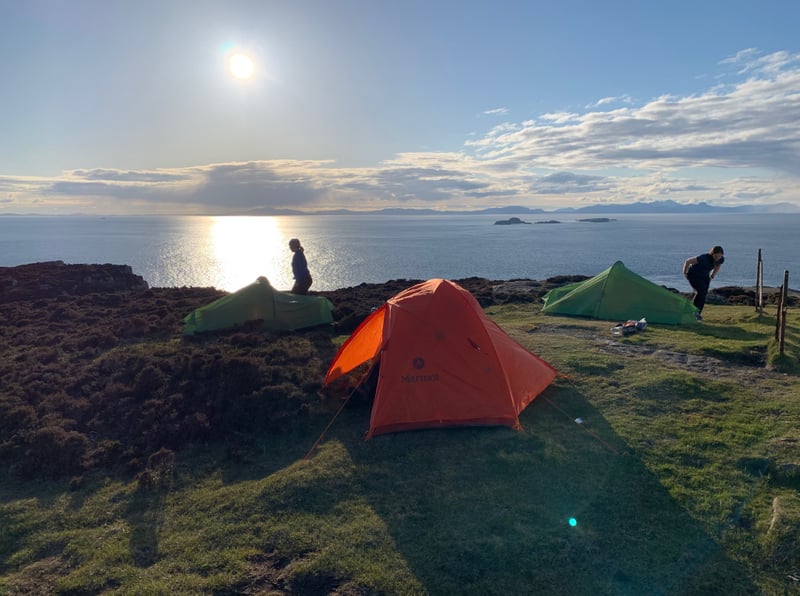
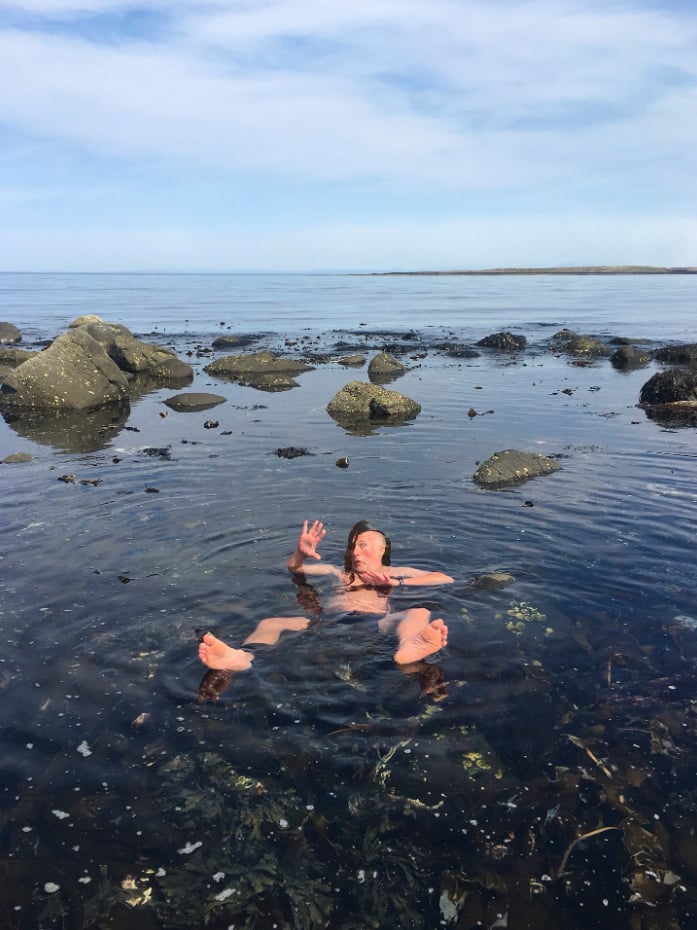
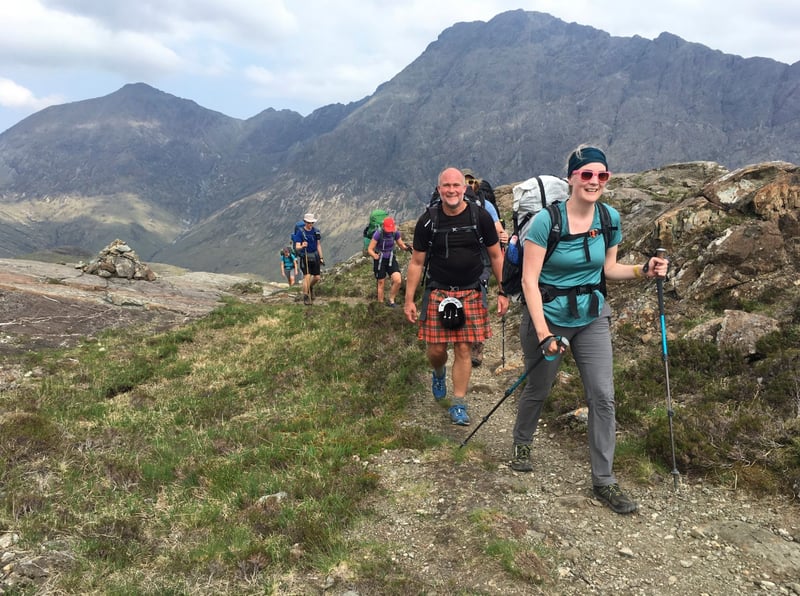
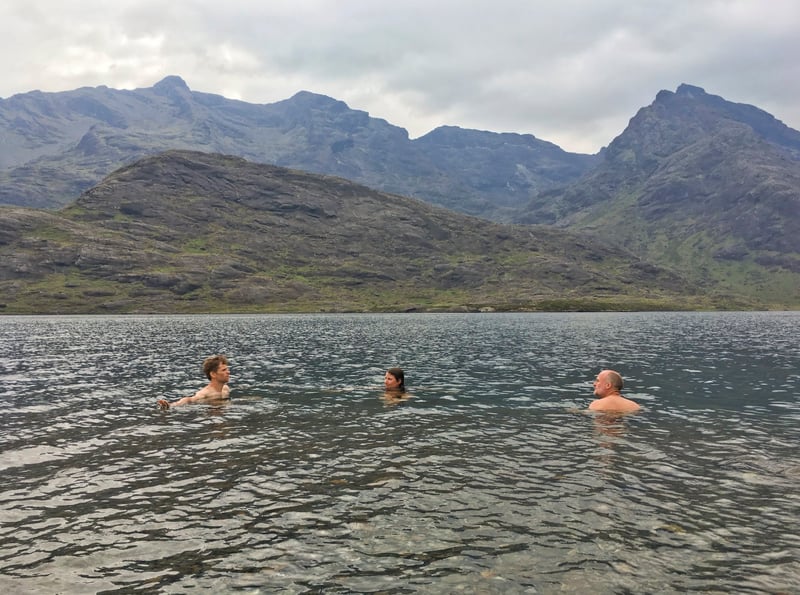
The Skye Trail offers a remote hiking experience across the Isle of Skye, taking in everything from cliff-top paths to glacially carved ridgelines. Over seven days, you'll cross dramatic, often pathless terrain, led by a qualified Mountain Leader and supported with logistics, food, and accommodation throughout.
Saturday – Arrival and Introductory Hike
After collection in Inverness, the group travels west to Skye and enjoys a short hike to Rubha Hunish, the island’s most northerly point. This first night will be spent wild camping by the coast, with an initial taste of the landscape and solitude that define the route.
Sunday – Rubha Hunish to Flodigarry (16km)
The trail begins along dramatic sea cliffs and coastal paths, a rugged and scenic introduction to Skye’s eastern edge. With no clear paths and occasional scrambles, this section sets the tone for the challenge ahead. Wild camping awaits near Flodigarry.
Monday – Flodigarry to The Storr (22km)
One of the most demanding yet visually rewarding days, this stage climbs through the Quiraing before continuing along the length of the Trotternish Ridge. Expect narrow ridgelines, dramatic views, and tough underfoot conditions. Camp is set in a wild spot beneath the Storr.
Tuesday – Trotternish Ridge to Portree (17km)
An easier stage, descending from the ridgeline and following scenic cliff-top tracks toward the capital town of Portree. There’s time to restock and relax, with a night in a local hostel and the first chance for a hot shower and a meal in a pub.
Wednesday – Rest Day and Optional Excursions
You can choose to walk stage 4 or take it easy, travelling by minibus to visit highlights like the Fairy Pools, Talisker Distillery, or viewpoints under the Black Cuillin. The day ends at a bunkhouse beside a sea loch and next to a favourite local pub for dinner.
Thursday – Cuillin Foothills to Elgol (14km)
Back on the trail, this stage passes under the jagged Cuillin mountains. The route may include a night of beach camping or continue along a dramatic cliff-side path to Elgol. Views back across the water and into the mountains are unforgettable.
Friday – Elgol to Torrin (17km)
This more relaxed day winds toward Torrin, offering views over the Sleat peninsula and small isles. Depending on conditions, the night’s camp could be on a summit with wide sea views, or beside a quiet beach often frequented by seals.
Saturday – Torrin to Broadford (18km)
The final stretch passes historic cleared villages and follows the Marble Line into Broadford. On arrival, you’ll check into your final accommodation and celebrate completing the trail with a group meal and drinks (not included in the price).
Sunday – Departure
A relaxed start followed by the return drive to Inverness. Expect to arrive back by early afternoon for drop-off at the station or airport.
The Skye Trail stretches across the entire Isle of Skye, starting at Rubha Hunish in the far north and ending in Broadford on the southern coast. The terrain varies from remote beaches to ridgelines above deep glens, and there’s little in the way of marked paths. The Isle of Skye is located off Scotland’s west coast and is known for its complex geology, historic ruins, and sparse human presence in many areas.
Meeting and drop-off takes place in Inverness, with private transport arranged to and from the island. The drive to Skye offers a scenic preview of the Highlands, and you’ll be well clear of busy roads and towns by the time the hiking begins.
Accommodation varies between wild camping and bunkhouses or hostels, depending on the night. Tents are provided and carried as part of the group kit during the wilder sections of the trail. Wild camps are chosen based on weather and location, with a focus on safety, remoteness, and access to water.
More comfortable bunkhouse or hostel accommodation is used at key points, particularly in Portree and during the rest day mid-week. These allow for drying kit, proper meals, and a good rest before tackling the second half of the hike. A final night indoors in Broadford rounds off the trip before returning to Inverness.
This is a physically demanding week-long hike with sections of rough, pathless terrain and variable weather. Participants should have a good level of fitness, experience of walking consecutive days with a backpack, and a willingness to face remote conditions. While you will be supported by a qualified leader and logistics team, there are long stretches without access to facilities, so resilience and adaptability are key.
No technical climbing or scrambling experience is required, but the ability to handle exposed sections, uneven terrain, and basic wild camping routines is important. Weather conditions can shift quickly, and the trail includes several long days between resupply points.
This adventure provider makes the wildest parts of the UK accessible without the need for long-haul flights or extended time off work. With logistics starting and ending in Inverness, and all food, camping, and accommodation arranged, it’s a straightforward way to complete one of the most scenic trails in Britain without the usual hassle of self-planning.
Founded by a dedicated team passionate about Britain’s mountainous regions, the company’s goal is to give people access to genuine outdoor adventure close to home. Their trips are designed to be immersive, expertly guided, and shaped around giving participants the best possible mountain experience over just a few days.
This is a fully guided experience led by a qualified Mountain Leader who is familiar with every section of the Skye Trail. They will handle navigation, decision-making around weather, camp locations, and help manage group safety throughout. There are no waymarked sections or signposts on this trail, so going with a guide removes the stress of route finding and gives you the freedom to enjoy the walk.
The guide will also offer background on the island’s history, geology, and culture as you move through each area. They’re there to offer encouragement, support with pacing, and ensure the group stays together where appropriate. You won’t need to carry maps or a GPS unless you want to learn how to use them as part of the experience.
This is a physically demanding hike that covers over 120km of rough and remote terrain over seven consecutive days. A good level of hiking fitness is essential, especially the ability to walk 15–22km per day with a rucksack on uneven ground. Expect sections with boggy ground, steep climbs, and loose footing that can be challenging in poor weather.
It’s important to have prior experience of multi-day hikes and camping, as you'll need to manage tiredness, carry essential gear, and keep going through potentially tough conditions. That said, there is a support vehicle that meets the group at intervals and the pace is always set with the whole group in mind.
You’ll be carrying a rucksack with your personal kit, sleeping gear, and some group camping items (like a shared tent or food supplies). However, heavy resupplies and backup gear will be managed via vehicle support where possible, especially around Portree and during the rest day.
You won’t be carrying full expedition loads, but you will need to be comfortable hiking long distances with a pack weighing around 10–13kg. The guide will help with packing advice and can redistribute shared items if needed to keep things manageable.
Accommodation is a mix of wild camping and indoor stays at hostels or bunkhouses, depending on the day and location. The early and later stages of the hike involve wild camping in remote spots, chosen for safety, shelter, and views. Tents are provided and shared with another group member unless you request otherwise.
In Portree and during the rest day, you’ll stay indoors with access to showers, drying rooms and beds. The final night is also spent in a comfortable indoor location in Broadford to give you the chance to relax and celebrate after finishing the trail.
All meals are included from breakfast on day two to lunch on day eight, excluding meals on the mid-week rest day. The food is hearty, designed to keep you fuelled on the trail, and includes breakfasts, packed lunches and evening meals. Some are cooked at camp using lightweight stoves, others are enjoyed at indoor accommodation when available.
You’ll need to bring your own snacks and any dietary-specific items. On the rest day, you’ll have time to explore local cafes or pubs for meals, and the evening of the last day also includes a group celebration dinner (cost not included). The team can cater for most dietary needs with advance notice.
Weather on Skye is famously changeable and you should expect a mix of sunshine, rain, wind, and low cloud at any time—even in summer. It’s not unusual to experience several types of weather in one day. This variety adds to the experience but also makes proper kit essential.
The guide will monitor forecasts closely and adjust plans for safety where needed. Good waterproofs, warm layers and sturdy footwear are key, and the kit list provided after booking is designed to ensure you’re fully prepared. With the right clothing, changing weather becomes part of the adventure.
Solo walkers are very welcome and in fact make up a large part of most groups. The hike is a great way to meet like-minded people, and group sizes are small so it feels sociable but not crowded. Shared tents and communal cooking at camp help create a relaxed and friendly atmosphere.
You’ll be paired with someone else for tent sharing unless you request your own, and if you're travelling solo but prefer a bit more privacy in hostels or bunkhouses, this can often be arranged for an additional cost if availability allows.
You can travel to Inverness by train or fly into Inverness Airport. The trip starts with a group collection from either the airport or train station, and return transport to the same points is included at the end of the week. It’s recommended to arrive early on the first day and book your return travel for later in the afternoon on the final day.
Exact pickup and drop-off times will be confirmed before departure so you can coordinate your travel with confidence. If needed, suggestions can be provided for accommodation in Inverness the night before or after the trip.
Skye is home to a wide range of wildlife and you’ll have a good chance of spotting creatures like red deer, seals, otters and a range of seabirds. Golden eagles and white-tailed sea eagles—nicknamed "flying barn doors" for their wingspan—are frequently seen overhead.
The coastal and mountain habitats you pass through are rich in biodiversity. You’ll also pass areas with Highland cattle, sheep and the occasional wild goat. Bring binoculars if you're interested in birdwatching, and be sure to respect wildlife by keeping a safe distance.
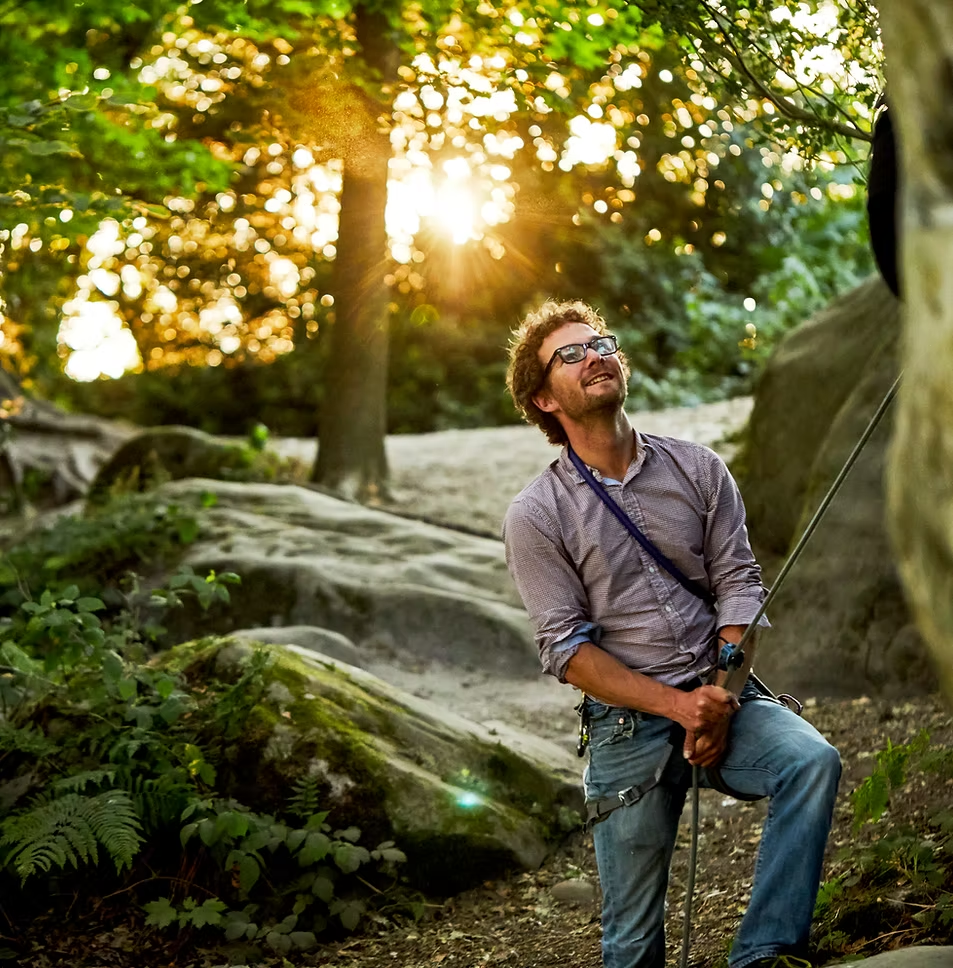
Operated by City Mountaineering, a partner of adventuro.

Highlands & Islands, United Kingdom
From £450
Brașov and Southern Carpathians, Romania
From €1216
Cataluña (Catalonia), Spain
From £1440
Highlands & Islands, United Kingdom
From £995
Highlands & Islands, United Kingdom
From £1245
West Central Scotland, United Kingdom
From £1245
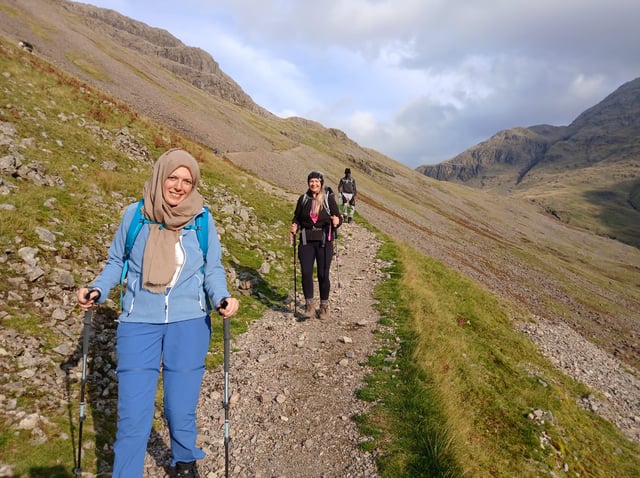
Cumbria, United Kingdom
From £945
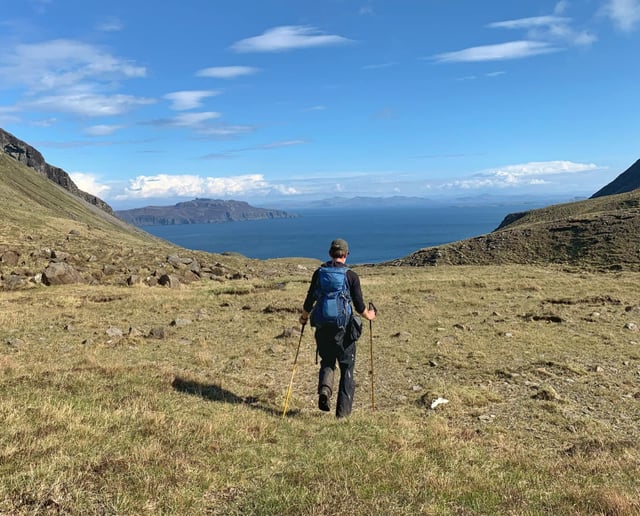
Dalcross, Inverness
From £845