We partner with Rewilding Britain to help protect our natural spaces for future adventures.
All centres are vetted for safety and quality. Your adventure is in good hands with adventuro.
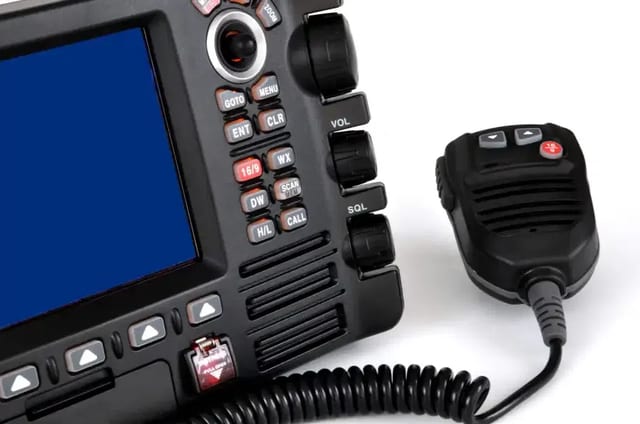
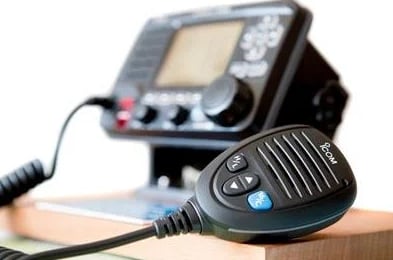
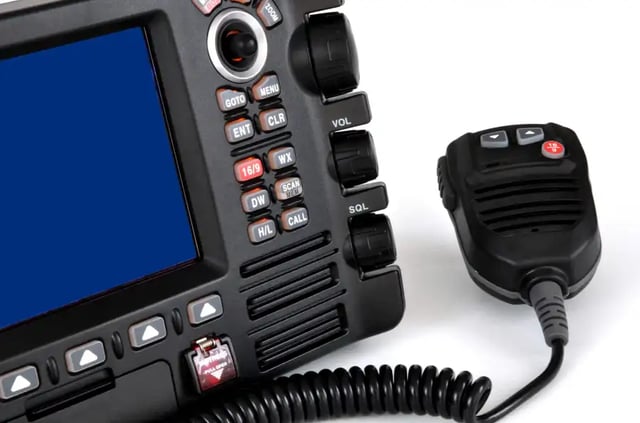
Marine VHF radios are essential for safe and legal boating, whether you operate a yacht, powerboat, or personal watercraft. This course offers flexible learning options, allowing you to study online at your own pace or attend a full-day classroom session. You’ll gain the knowledge and practical skills to communicate effectively, handle distress calls, and use DSC equipment confidently.
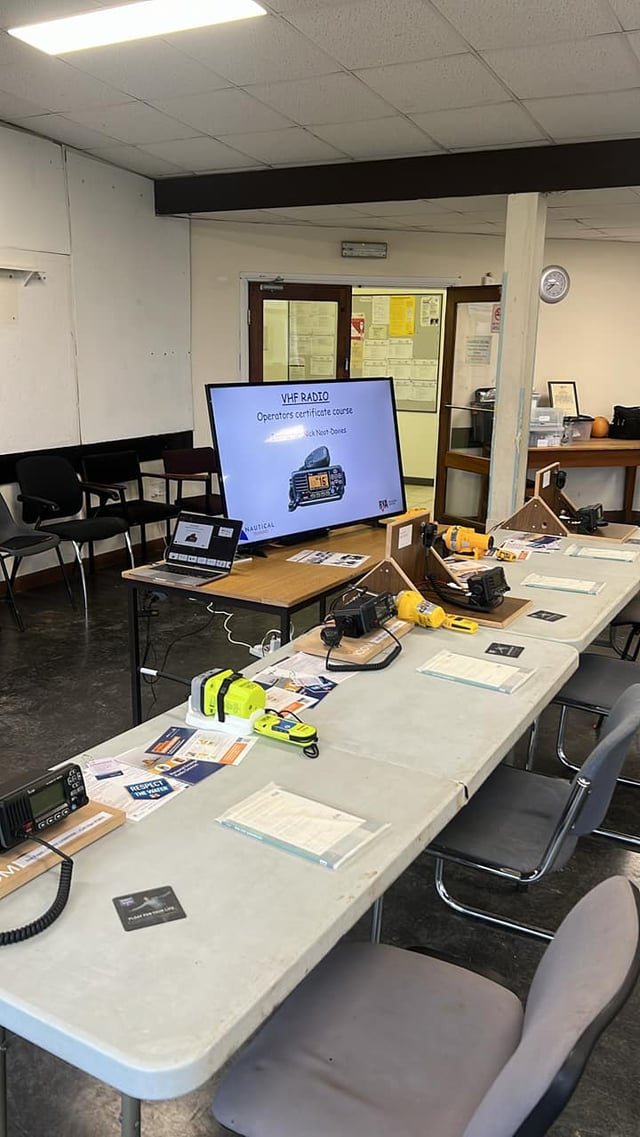
Classroom participants spend roughly seven hours in structured tuition, covering correct radio use, legal requirements, DSC operation, and emergency procedures. Practical simulations help you practise sending and receiving distress calls, using handsets, and applying radio protocol in realistic scenarios.
Online learners progress through interactive modules at their own pace, completing exercises on radio operation, channel usage, and emergency communication. The course content ensures that you understand both the theory and practical application before taking the assessment at an RYA-approved centre. Both formats provide guidance from experienced instructors or course support, ensuring questions are answered and learning is reinforced.
Classroom courses take place at Saltmakers House, Hamble Point Marina, or Marchwood Yacht Club, both with on-site parking and easy access. Training is conducted in fully equipped classrooms with radio simulators for hands-on practice. Please use the booking form below to select which location you'd like to attend.
The online course can be completed from anywhere in the UK with a computer or tablet and reliable internet. After completing the online modules, you can book the invigilated exam at a convenient RYA centre. Guidance is provided to help learners select the best assessment option.
No prior radio experience is required. Learners should complete approximately three hours of pre-course reading (materials supplied) for classroom sessions to ensure maximum benefit. Online learners simply need a reliable internet connection and the ability to follow interactive content.
This course is suitable for complete beginners as well as those wishing to refresh existing knowledge. A basic understanding of boating is helpful but not essential.
Rob and our experienced instructors ensure every learner understands radio safety and operation clearly. Classroom sessions are interactive and practical, giving learners confidence in real-world radio communication scenarios.
Online learners benefit from flexible study, detailed instructions, and support throughout the modules, with clear guidance on completing the final assessment. The approach ensures that, whether online or in person, every student gains confidence and competence in marine VHF and DSC use.
The RYA VHF / SRC course is required by law for anyone operating a marine VHF radio on a British-flagged vessel. It’s suitable for yacht and powerboat skippers, crew members, charterers, PWC users, and anyone who needs to communicate effectively at sea. The course covers both routine and emergency communication, including distress calls, urgency and safety procedures, and digital selective calling (DSC).
Participants gain understanding of the Global Maritime Distress and Safety System (GMDSS), as well as practical skills for using EPIRBs and SART devices. The knowledge and hands-on experience ensure learners are competent to handle real-world marine radio situations, from calm conditions to emergencies.
No previous radio experience is required. Classroom learners are asked to complete around three hours of pre-course reading to make the most of the practical sessions. Online learners can start at any time and progress at their own pace, covering all theory and practical exercises through the course platform.
Completion provides a lifetime RYA Short Range Certificate (SRC), recognised internationally for operating fixed or handheld VHF and DSC radios. Learners must be at least 12 for the course and 16 to hold the operator’s licence, ensuring compliance with legal requirements. Both classroom and online formats cater to beginners and those refreshing their knowledge.
Classroom learners enjoy roughly seven hours of tuition, practical simulations, and interactive exercises, finishing with an invigilated exam at an RYA centre. Online learners complete self-paced modules over approximately 6–10 hours, then attend an RYA-approved centre for the assessment.
The practical exam tests both theoretical understanding and operational competence on simulated or live radios, ensuring confidence in emergency and routine communications. This structure allows all learners to gain skills applicable to real-world boating scenarios.
Classroom sessions are held at Saltmakers House, Hamble Point Marina, SO31 4NB, and Marchwood Yacht Club, SO40 4AD, with convenient access, parking, and fully equipped facilities. Online learners can study from anywhere in the UK, booking the assessment at a nearby RYA-approved centre.
This flexible approach means learners can choose the format that suits their schedule, location, and preferred style of learning without compromising on practical competency.
Classroom learners should bring a notebook, pen, lunch, water, and photo ID for the exam. Glasses or other visual aids should be used if required. Online learners need a computer or tablet with reliable internet and audio for interactive modules.
Rob and the course team ensure that both learning formats provide all guidance, support, and practice needed to feel confident and competent using a VHF radio in all relevant scenarios.
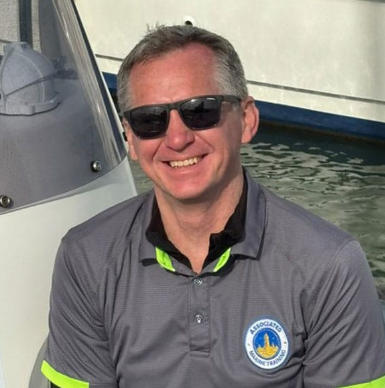
About the centre
Hamble-le-Rice, Southampton
Operated by Associated Marine Training / AMT Boat Experiences Ltd, a partner of adventuro.
Derbyshire and Nottinghamshire, United Kingdom
From £97


Derbyshire and Nottinghamshire, United Kingdom
From £120


From £89
Hampshire and Isle of Wight, United Kingdom
From £1895