

Ready to find a course or session?
RYA VHF/DSC Radio training leads to the Short Range Certificate, the qualification you need before calling the coastguard on a set with Digital Selective Calling. Skippers, crew and club safety officers take it because pressing DSC without knowing the voice follow-up helps nobody.
Centres deliver roughly ten hours of teaching plus a formal exam on radio simulators. You learn channel discipline, Mayday structure, MMSI programming and how GMDSS links your handheld to wider rescue networks. Classroom and online routes end at the same assessed standard with a written paper and practical test.
No prior boating tickets are required, but you must be sixteen for the exam. Prepare for structured distress templates and calm voice practice on simulators. The calm voice you rehearse in the classroom is the one you want in a real squall.
VHF/DSC Radio courses conclude with the RYA Short Range Certificate exam, distinct from the teaching hours.
Quick answers about this qualification. For anything else, use live chat or browse bookable activities below.
Find activitiesIt is RYA training for marine VHF with Digital Selective Calling, leading to the Short Range Certificate exam. You learn legal and practical radio use for leisure vessels fitted with DSC.
Listings titled VHF/DSC Radio and Marine Radio SRC usually cover the same qualification and exam standard.
None. The course assumes no prior radio knowledge. Sailors often take it before coastal practical courses; powerboaters take it before busy harbour seasons.
Leave a comment when you book if you already studied online and only need the exam slot at a local training centre.
Roughly ten hours of taught content plus exam time. Intensive classroom days are common; online routes spread study over days or weeks before the exam visit.
Ask whether exam fees are included in the listed price. Some centres bundle classroom teaching and assessment; others charge separately.
Yes. SRC requires a written paper and practical simulator exam with an RYA assessor. Listening to lectures without sitting the exam does not produce a certificate.
Simulators mimic real sets so you practise DSC button discipline as well as voice Mayday structure.
No. Training centres provide simulators and teaching sets for classroom and exam use. Bring notepad, reading glasses if needed, and photo ID for exam admin.
After certification you apply MMSI details to your own boat radio separately through the registration process your centre explains.
Sixteen for the exam. Younger crew may help aboard but cannot be the licensed operator on DSC-equipped UK leisure vessels.
Family cruisers often certify at least one adult skipper so legal responsibility is clear when children use the radio.
Yes. RYA interactive online courses cover theory, then you book a face-to-face exam at a training centre with simulators and an assessor.
Online suits busy schedules. The exam still requires physical attendance for the practical and written components.
Mobile coverage fails offshore and in remote anchorages. VHF reaches nearby vessels and coastguard stations quickly on marine channels.
DSC adds automated position alerts that phones cannot replicate on standard calls. Channel 16 still matters when voice follow-up is required.
Assessors give feedback and centres schedule re-sits after practice. Retake fees may apply. Most failures are procedural, fixed with a calm repeat attempt.
Book revision time before re-sitting if you travelled far for the first exam. Practise phonetic alphabet and distress templates until boring.
The operator certificate does not expire like a medical certificate, but regulations and equipment change over years. Refresh if you have not used the radio in a long time.
Some employers or charter firms ask for recent practice regardless of certificate age. A short refresher course may be cheaper than guessing on charter week.
adventuro lists RYA VHF/DSC Radio and SRC courses nationwide. Filter by classroom, online-plus-exam and weekend dates that fit your sailing season.
Leave a comment when you book if you need the exam on the same weekend as a practical sailing course at the same marina.
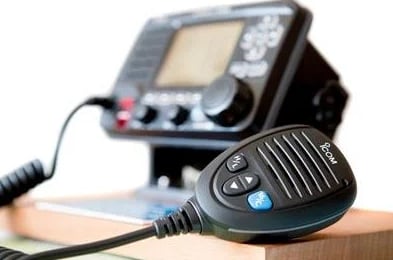
Take your RYA SRC/VHF Radio licence exam in London from £60pp. Complete the written and practical assessment required to gain your marine radio certificate.
From £ 60
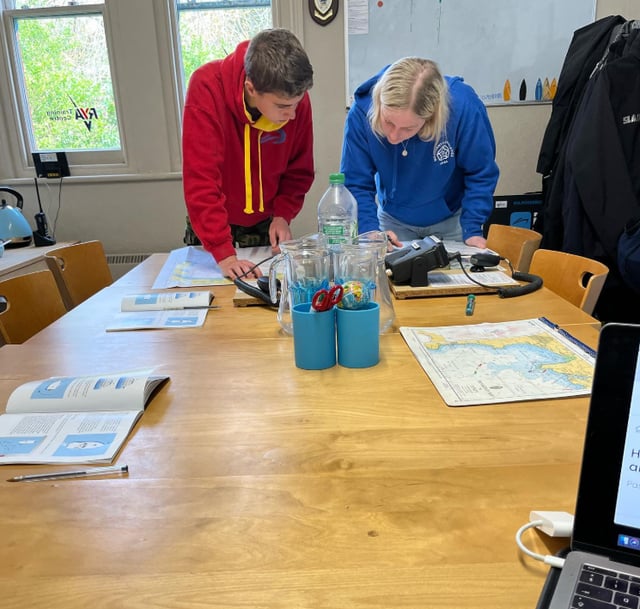
Learn to operate a marine VHF radio safely online with the RYA Short Range Certificate. Ideal for any boat, £79 per person.
From £ 79

Learn VHF radio operation with 8–10 hrs of online training & in-person exam. Fee applies. Held online, ages 16+. Get certified with ease!
From € 125

Become a confident yacht skipper with 15 days of hands-on sailing and theory. English Channel and Mediterranean options. No experience needed. Book now!
From £ 1675
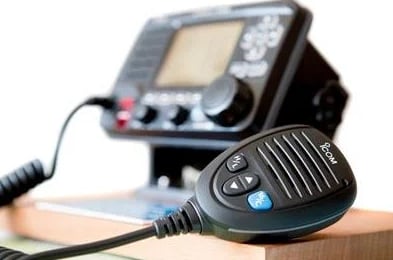
Learn marine VHF radio operation with the RYA SRC online course from £100pp. Study at your own pace with DSC simulators and safety procedures.
From £ 115
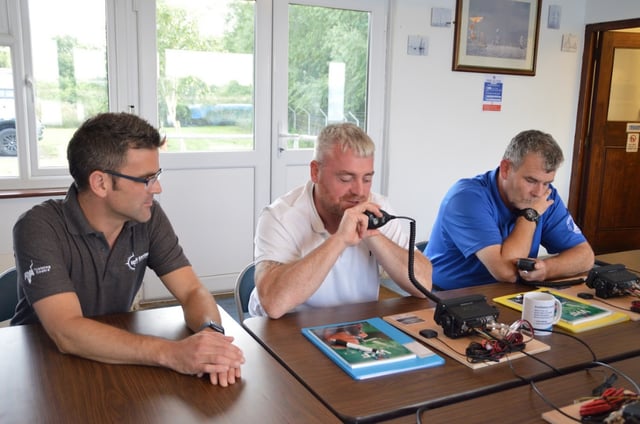
Master marine VHF operation from £129 with pre-course materials, realistic ICOM simulators, and optional SRC exam for commercial or leisure use.
From £ 129
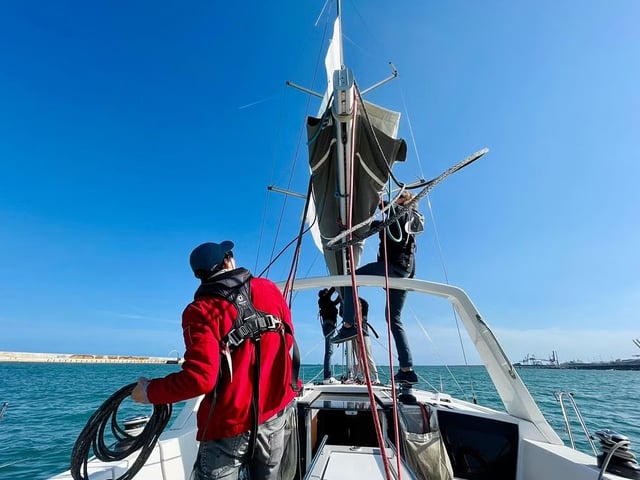
Learn to skipper a sailing yacht in Barcelona with a 10-day course for €2085. Includes practical and theory training. For ages 16+, max 5 per group.
From € 2085
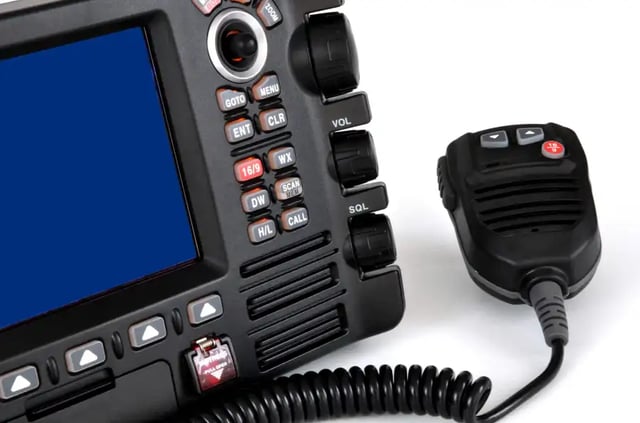
Learn essential marine radio communication skills with flexible RYA SRC training from £89 and internationally recognised certification.
From £ 89
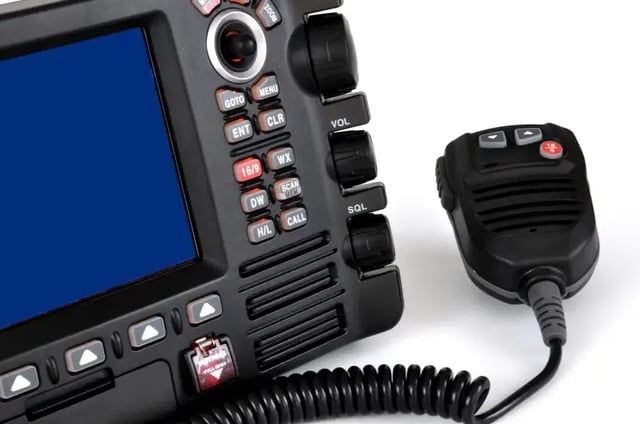
Obtain your RYA Short Range Certificate online or in class. Learn legal VHF/DSC radio operation, distress procedures, and marine communication from £79.
From £ 79

RYA SRC (VHF) course teaching you to use marine radios safely and legally. Learn distress calls, DSC operation, and clear communication with the coastguard and other vessels.
From £ 150
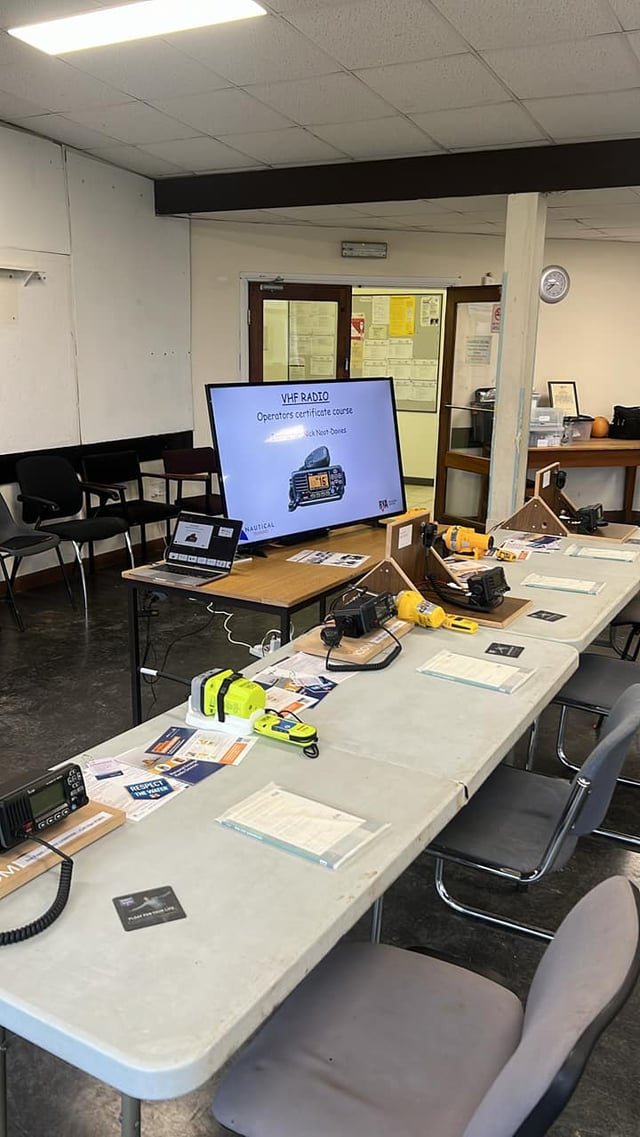
Gain essential VHF radio skills with hands-on training and certification. Includes DSC use, distress calls, and exam. Pre-course study required.
From £ 97

RYA VHF SRC online then exam in Menai Bridge. Legal minimum for VHF/DSC. RYA licence £60 paid separately.
From £ 100