
We partner with Rewilding Britain to help protect our natural spaces for future adventures.
All centres are vetted for safety and quality. Your adventure is in good hands with adventuro.
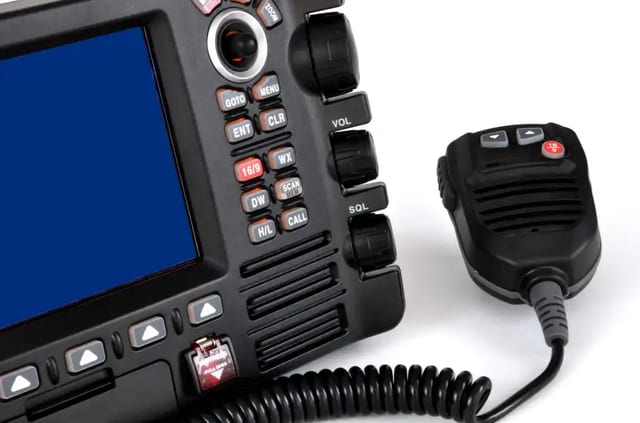
Build the knowledge needed to operate marine VHF radios safely and legally with this flexible online RYA SRC course. Designed for both beginners and experienced boaters, the training covers routine radio communication, emergency procedures and DSC operation to help students feel confident using marine radios in real situations.
Designed to meet the legal requirements for operating marine VHF radios, this course introduces the correct procedures for using both fixed and handheld VHF/DSC equipment. Online lessons guide students through routine communication methods as well as distress, urgency and safety procedures used during emergency situations at sea.
Training covers radio communication with marinas, coastguard services and other vessels, along with UK and international channel usage, DSC operation and an introduction to the Global Maritime Distress and Safety System (GMDSS). Practical scenarios and simulated radio exercises help students understand how procedures are applied in real boating situations.
Flexible online access allows students to study at their own pace while receiving support throughout the course. Once the online learning is completed, students take a practical and written assessment at an approved RYA centre. Successful completion provides the internationally recognised RYA Short Range Certificate, which has lifetime validity.
Course learning takes place fully online, allowing students to complete the theory training from anywhere using a computer or tablet with internet access and audio capability. Flexible study access makes the course easy to fit around work schedules and existing boating commitments.
The final practical assessment must be completed through an approved RYA examination centre. Support is available to help students arrange an assessment location or remote examination option where available under current RYA policies.
No previous boating or radio experience is required before starting this course. Training is suitable for complete beginners as well as experienced boaters who need the legally required certification to operate marine VHF radios.
Students require a computer or tablet with reliable internet access and audio capability to complete the online learning and simulated radio exercises successfully.
Training is designed to help students apply marine radio procedures confidently in real boating situations rather than simply memorising exam content. Flexible online learning combined with practical radio scenarios creates a structured and approachable introduction to marine communication procedures.
Courses follow recognised RYA standards while using interactive learning and simulated exercises to explain VHF and DSC operation clearly. Students benefit from support throughout the course and guidance when arranging their final SRC assessment.
Yes. Anyone operating a marine VHF or DSC radio in UK waters is required to hold an appropriate radio operator qualification such as the RYA Short Range Certificate.
The qualification is also widely recognised internationally and is commonly required for charter boats and cruising abroad.
Training includes routine VHF communication, distress procedures, urgency calls, safety calls and correct DSC radio operation.
Students also learn about channel usage, coastguard communication, marina procedures and the basics of the Global Maritime Distress and Safety System.
Most students complete the online learning in around 6–10 hours depending on previous experience and study pace.
Flexible access allows lessons to be completed over several sessions, making the course easier to fit around work and other commitments.
The learning portion of the course is completed online, but the final assessment must take place through an approved RYA centre.
Some centres may offer remote assessment options depending on current RYA guidance and availability.
The assessment includes both a written paper and a practical radio test using training radio equipment or approved remote assessment systems.
Students demonstrate routine communication procedures along with distress, urgency and safety calling techniques using DSC functionality.
Students who do not pass the assessment can arrange a re-sit through the assessment centre, although additional re-sit fees may apply.
Support and revision materials help students prepare thoroughly before attending the assessment, improving confidence with practical radio procedures and exam content.
À propos du centre
Géré par Associated Marine Training / AMT Boat Experiences Ltd, partenaire de adventuro.
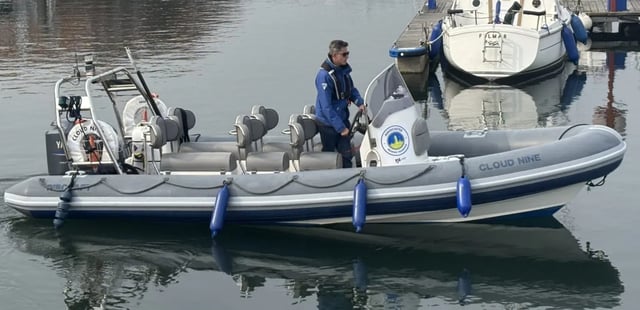
Hampshire and Isle of Wight, United Kingdom
À partir de £199
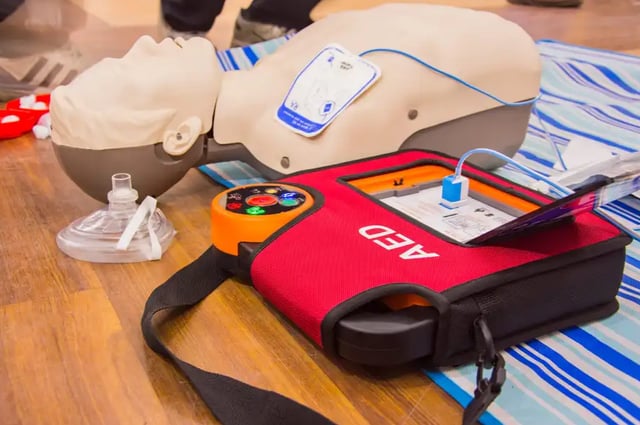
Hampshire and Isle of Wight, United Kingdom
À partir de £365
À partir de £99
Hampshire and Isle of Wight, United Kingdom
À partir de £1895
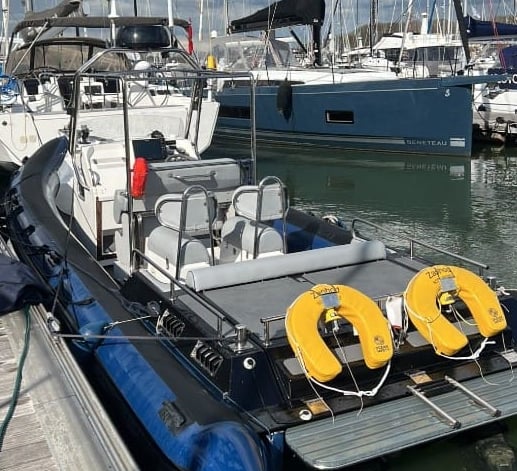
Hampshire and Isle of Wight, United Kingdom
À partir de £1095
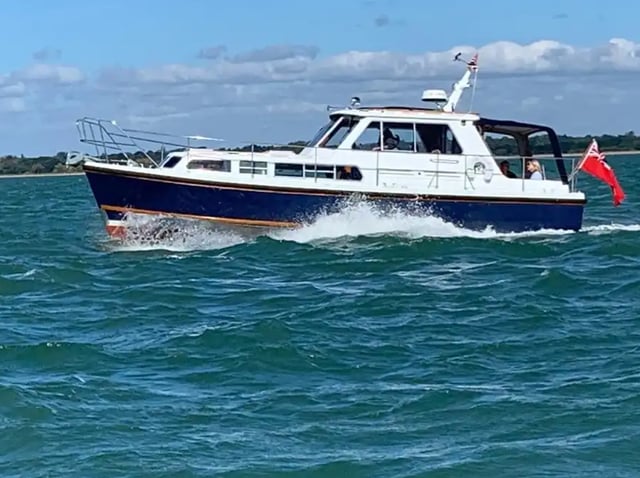
Hampshire and Isle of Wight, United Kingdom
À partir de £995