We partner with Rewilding Britain to help protect our natural spaces for future adventures.
All centres are vetted for safety and quality. Your adventure is in good hands with adventuro.
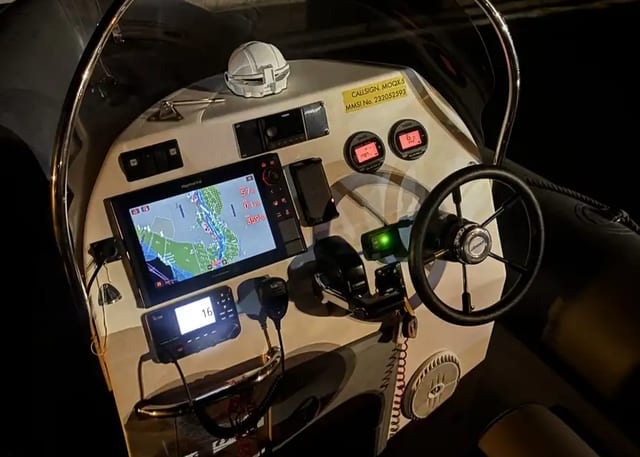
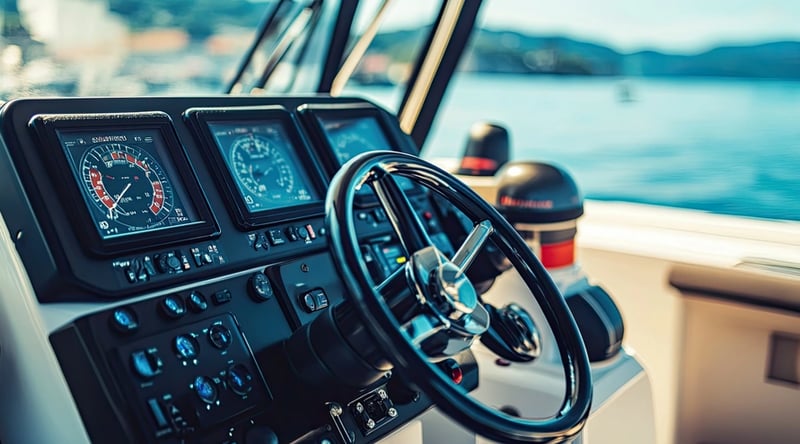
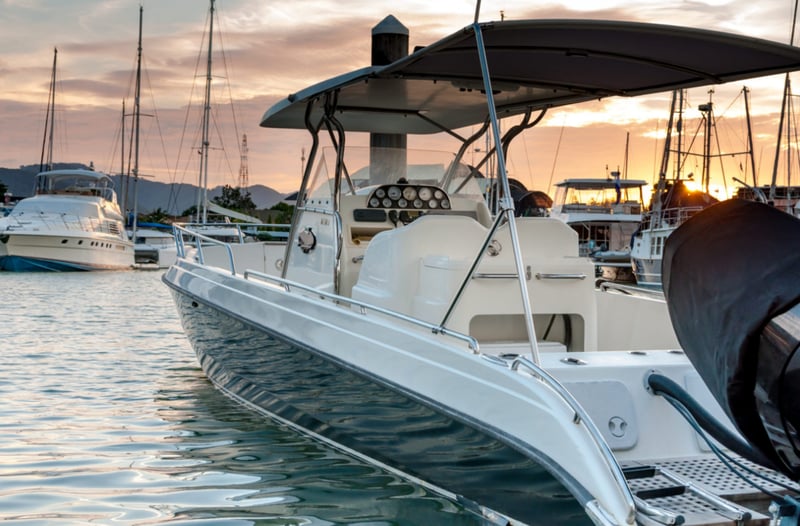
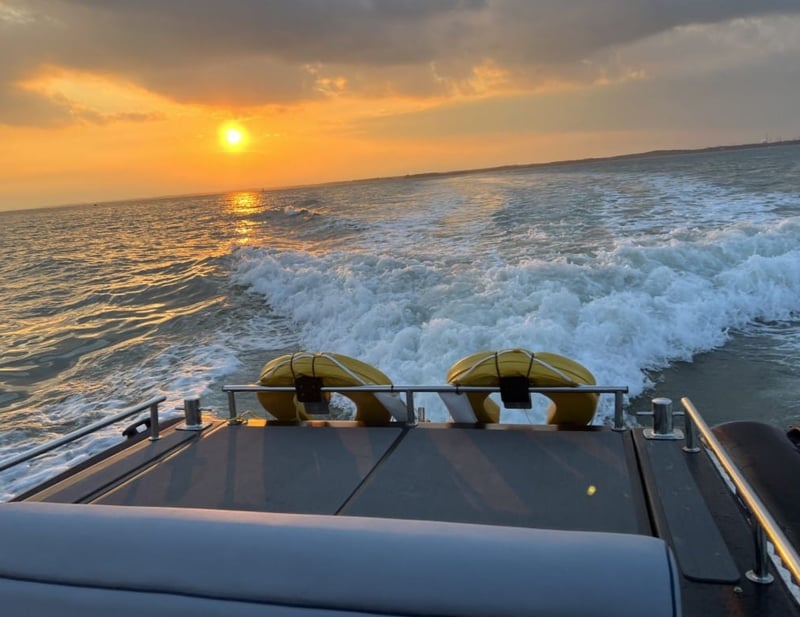
Night-time boating presents challenges not found during the day, and this course gives boaters practical experience in real conditions under expert guidance. You’ll practise navigating, interpreting lights, and managing tidal influences, all while building confidence in low-light conditions. The session combines focused instruction with hands-on helm time, allowing you to develop night navigation skills safely.
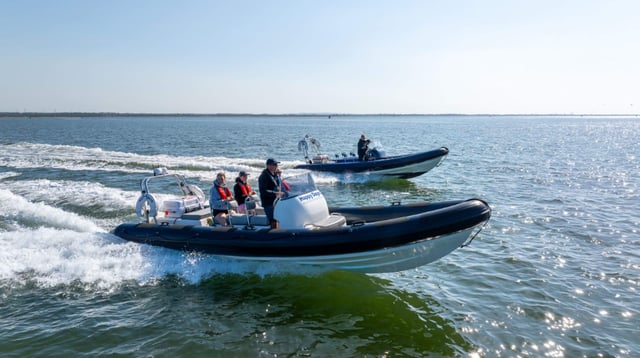
The evening starts with a short briefing at Hamble Point Marina covering night pilotage, buoyage, vessel identification, and safety procedures. You’ll then move onto the water to practise entering and leaving harbours, recognising navigation lights, and managing short night passages under Rob’s guidance.
During the session, you’ll repeatedly practise berthing and leaving moorings in reduced visibility, learning how tidal currents and wind affect manoeuvres after dark. The exercises are paced to let you develop skills confidently, ask questions, and practise techniques until they feel natural. You’ll leave with a clear understanding of how to operate a powerboat safely at night and the experience to plan short passages independently.
Training takes place in the Solent, an ideal environment for night navigation with sheltered channels, open stretches, tidal currents, and regular traffic. You’ll get exposure to real-world conditions that challenge your decision-making, boat handling, and navigation skills.
Sessions depart from Hamble Point Marina in Southampton, with easy access, secure berthing, and nearby facilities. Depending on tides and weather, exercises may also take place in nearby waters such as the Beaulieu River, Lymington, or Yarmouth harbours to provide a variety of night navigation scenarios while keeping the session safe and effective.
Operators should already be comfortable driving a powerboat during daylight hours. Skills roughly equivalent to RYA Powerboat Level 2, including basic navigation, pilotage, and boat handling, are recommended.
This course is intended to build confidence in night operations and is not suitable for complete beginners. It focuses on practical, real-world experience rather than formal certification, giving you the skills and knowledge to navigate safely in darkness.
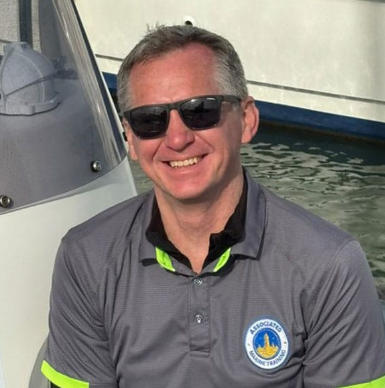
Rob leads each session personally, offering practical advice, real-world tips, and patient guidance. His approachable style helps you develop confidence quickly while practising night-time navigation in a realistic setting.
The sessions are small and hands-on, so you get maximum helm time and individual attention. Rob ensures that learning is engaging, interactive, and tailored to your current skill level. You’ll finish the evening with the knowledge to handle a powerboat safely after dark, plus practical skills you can immediately apply on your own boat or charter.
This night familiarisation course is perfect for boaters with prior daytime experience who want to gain confidence operating a powerboat after dark. You’ll practise real-world scenarios such as piloting in low light, recognising navigation lights, and planning safe passages while managing tidal currents, wind, and other vessels. The focus is on practical application, so you gain genuine confidence in night-time conditions.
The course also teaches critical night-time safety, including lookout duties, crew communication, and responding to unexpected situations. Exercises are paced to suit your skill level, and the small group ensures you get ample helm time, guided by Rob throughout the evening.
Yes, operators should be comfortable handling a powerboat in daylight conditions. Skills roughly equivalent to RYA Powerboat Level 2 are recommended, including basic navigation, pilotage, and boat handling. This ensures the session focuses on night-specific challenges rather than foundational skills.
Rob tailors the session to your skill and comfort level, allowing you to practise procedures such as berthing, leaving moorings, and navigating tidal channels at night. The goal is to build competence in low-light conditions while reinforcing essential safety principles.
The session is approximately 4–6 hours, scheduled to coincide with sunset for realistic night navigation conditions. Most of the time is on the water practising navigation, berthing, and handling, with a brief briefing at the start covering essential procedures and planning.
This duration allows multiple exercises to be completed under real night-time conditions, giving participants repeated opportunities to practise and reinforce skills while maintaining safety. The session is designed for confidence-building rather than rushed completion.
Sessions depart from Hamble Point Marina in Southampton and operate in the Solent’s tidal channels, sheltered waters, and open stretches. Depending on tides and weather, exercises may extend to adjacent locations such as the Beaulieu River, Lymington, or Yarmouth harbours, providing varied night navigation scenarios in real conditions.
The variety ensures participants gain experience in multiple settings, from quiet tidal channels to busier areas with passing traffic. This helps build confidence in boat handling, decision-making, and safe navigation during actual night-time boating.
No, this is a skills-development session rather than a formal RYA course. A certificate of attendance is provided, but no RYA qualification is awarded. The focus is on practical, hands-on learning guided by Rob, rather than assessment.
Despite being non-certificated, participants receive structured instruction covering decision-making, safety awareness, night-time procedures, and effective helm control. The goal is practical competence in real-world conditions.
The session provides a powerboat, fuel, and all necessary safety equipment. Helm time is structured for maximum learning opportunities.
Attendees should bring warm and waterproof layers, non-marking shoes, a head torch, and any personal medication. Optional items such as gloves or snacks can enhance comfort, but all essential gear is supplied.
Sessions may be adapted or rescheduled if tides, weather, or visibility make night navigation unsafe. Safety is always prioritised, with alternative dates offered if needed.
Adjustments can include altering the route, practising in sheltered areas first, or rescheduling entirely. Rob assesses conditions in advance and communicates clearly to ensure each session is productive, safe, and enjoyable.
About the centre
Hamble-le-Rice, Southampton
Operated by Associated Marine Training / AMT Boat Experiences Ltd, a partner of adventuro.
Derbyshire and Nottinghamshire, United Kingdom
From £120
Derbyshire and Nottinghamshire, United Kingdom
From £190

From £89
Hampshire and Isle of Wight, United Kingdom
From £1895