We partner with Rewilding Britain to help protect our natural spaces for future adventures.
All centres are vetted for safety and quality. Your adventure is in good hands with adventuro.
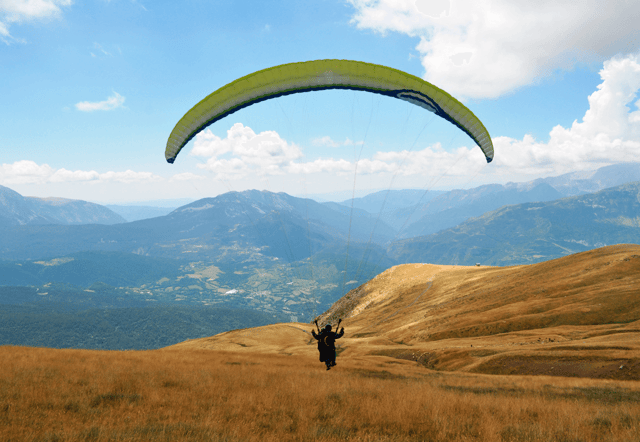
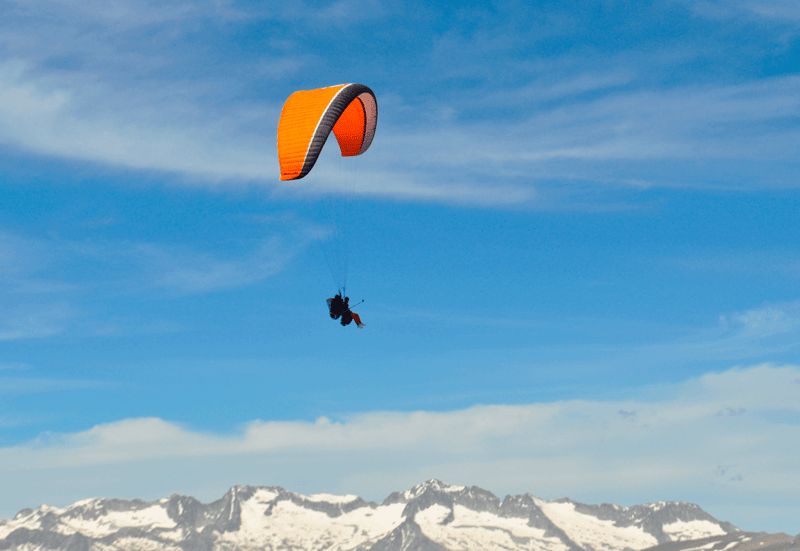
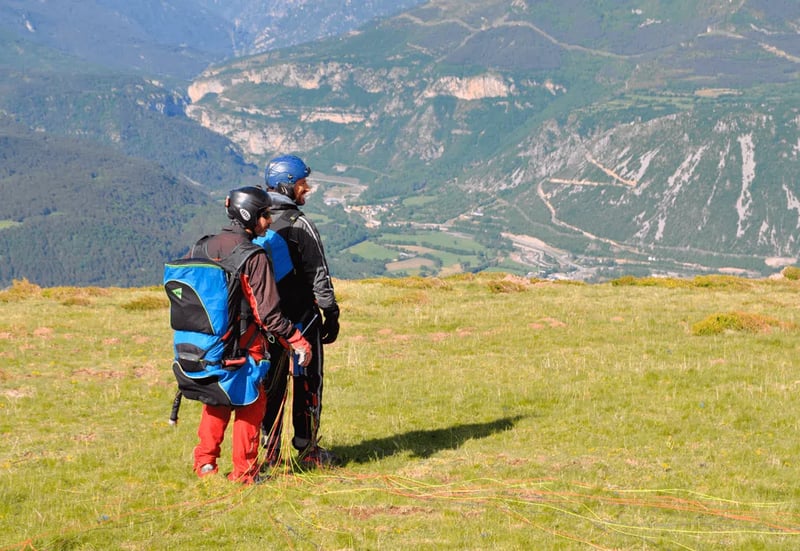
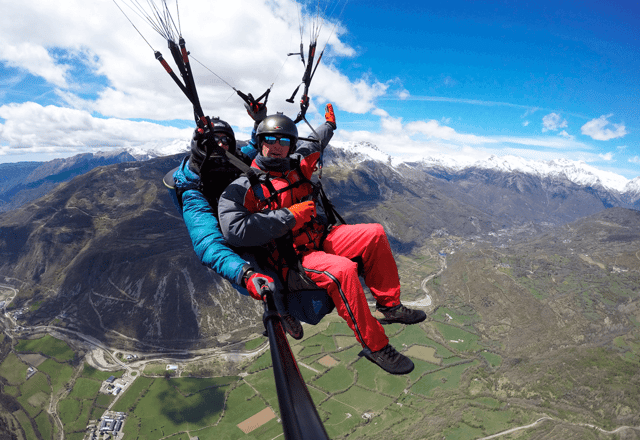
This course is designed for experienced pilots who want to learn how to fly safely with passengers, either for personal development or professional progression. Over an extended training period, you’ll build the skills needed to manage tandem flights with confidence, control and clear communication.
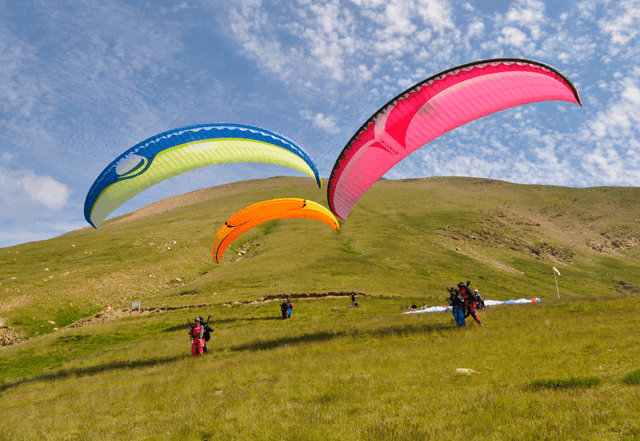
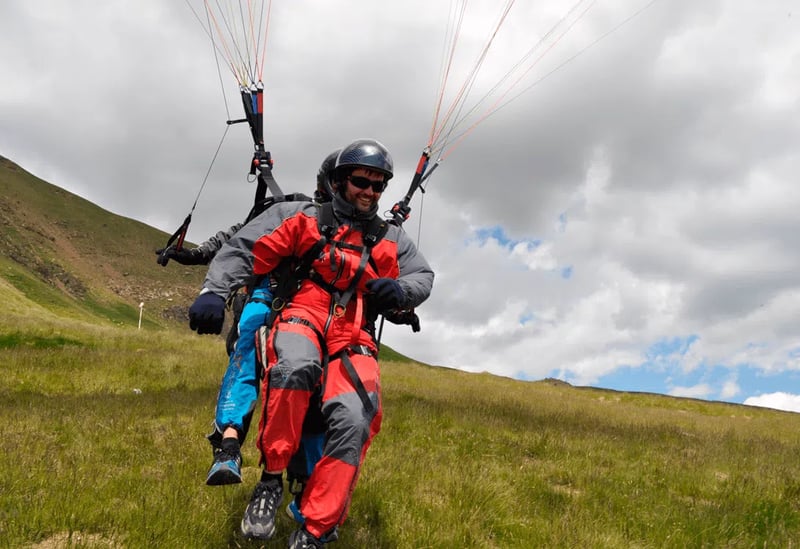
Training begins with ground sessions focused on understanding how tandem wings behave compared to solo equipment. You’ll practise inflation techniques with a passenger, learning how to manage the added weight and different wing response. These early sessions are essential for building control and confidence before moving into flight work.
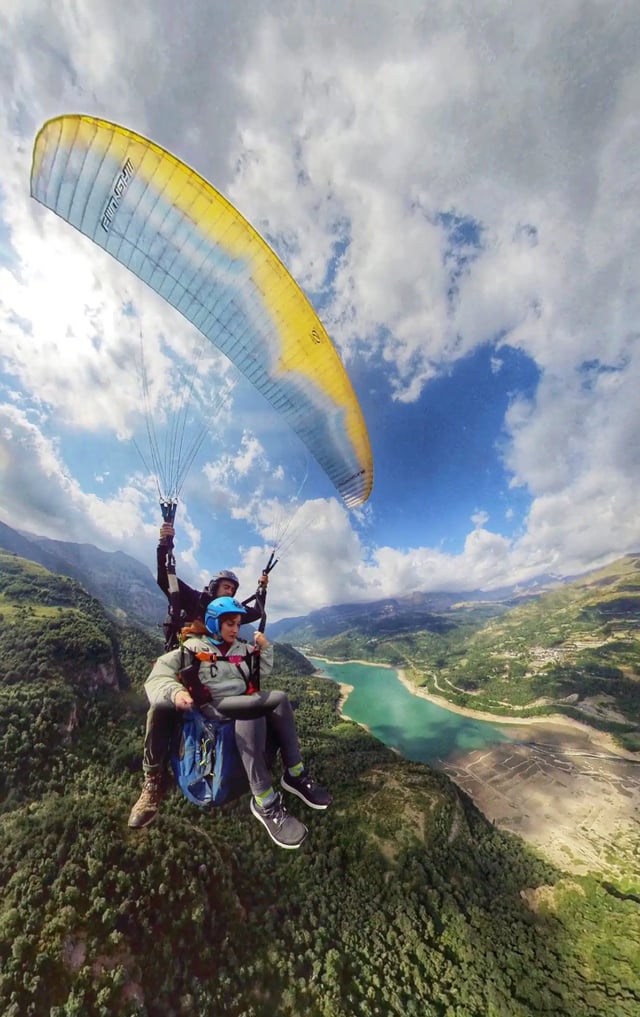
As you progress, you’ll complete short training hill flights before moving on to between 15 and 25 tandem flights from different take-off sites. These flights are carefully structured to expose you to a range of conditions, including calm air, changing wind directions and thermal activity. The emphasis is on developing smooth, controlled take-offs and landings while maintaining passenger comfort and safety throughout.
Alongside flying, theory sessions and video analysis are used to review your performance and refine technique. You’ll learn how to brief passengers properly, manage their expectations, and adapt your approach based on their comfort and experience. As the course develops, you’ll also work on handling more complex situations, helping you become more consistent and composed in the air.
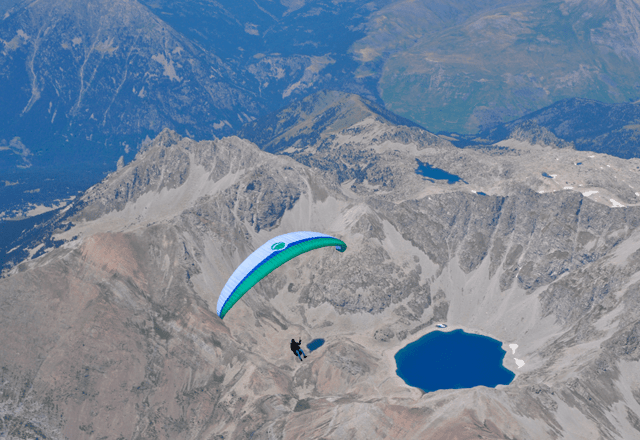
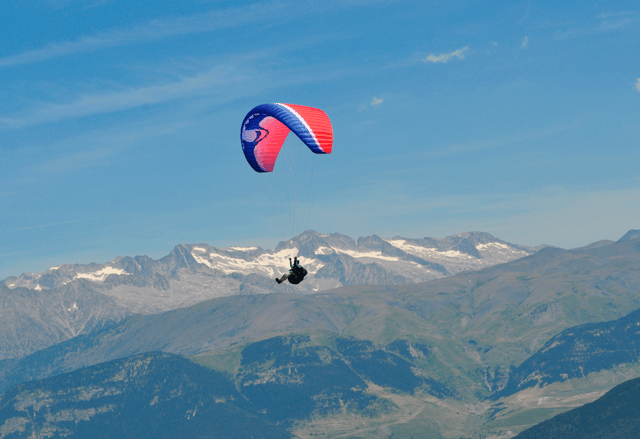
Castejón de Sos, located in the Benasque Valley, offers one of the most varied environments for tandem training in Spain. The mix of high take-offs, open valleys and reliable mountain conditions provides an ideal setting for learning how to manage passenger flights in different scenarios.
The area allows you to practise in a wide range of conditions, from smooth morning flights to more active afternoon air. Multiple launch and landing sites are used throughout the course, helping you gain experience across different terrain and wind patterns while building real-world tandem experience.
This course is intended for experienced pilots who already have strong solo flying skills, including confident take-offs, landings, and thermal control. You should feel comfortable managing your glider independently in mountain environments.
It is not suitable for beginner or low-hour pilots, as the focus is on adapting existing flying skills to tandem operations. A strong foundation in decision-making and wing control is essential before starting this level of training.
With decades of experience in both solo and tandem mountain flying, the team brings a highly practical approach to training new tandem pilots. The focus is on building real competence through repetition, varied conditions and structured progression rather than theory alone.
Instructors such as David and the wider team are active tandem pilots who regularly fly in the same environments used during training. This ensures that instruction is based on current, real-world experience, helping you develop the skills needed to handle passengers safely and confidently in a range of conditions.
This course is aimed at experienced paragliding pilots who want to learn how to fly with passengers. You should already be confident in solo flying and have solid control in different conditions.
It is suitable for those looking to progress into tandem flying either for personal use or professional development.
You will complete between 15 and 25 flights, depending on conditions and progression. These include ground-based training hill flights and full mountain tandem flights.
Each flight is structured to build specific skills, from take-off technique to passenger management and landing control.
Yes, you will learn to fly with passengers as part of the training process. This is a key part of developing real tandem pilot skills.
Early sessions focus on controlled training scenarios before progressing to full tandem flights in varied conditions.
You will learn how to brief passengers before flight, understand their comfort level, and manage communication throughout the experience.
The aim is to ensure passengers feel safe and comfortable while you maintain full control of the flight.
Yes, ground handling is a major part of the course, especially when adapting to tandem wings. You will practise inflation, control and coordination with passenger weight.
This stage is essential for building confidence before moving into full flights.
Theory sessions cover safety procedures, passenger communication, flight planning and analysis of your own performance through video review.
You will also learn how to adapt your flying based on weather conditions and passenger needs.
You will experience a range of flying conditions, including calm morning flights, thermal activity and changing wind patterns.
This variety helps you develop the ability to adapt your flying style to different situations.
No previous tandem experience is required, but you must be an experienced solo pilot. Strong control skills and mountain flying experience are essential.
If you are unsure about your level, it is usually recommended to complete advanced solo progression first.
You will receive a tandem pilot course certificate upon completion of the training.
This confirms your participation and training in tandem flying, and supports further development or licensing pathways.
The goal is to prepare you to safely and confidently fly with passengers in a variety of conditions.
By the end of the course, you should have the skills needed to manage tandem flights with control, awareness and consistency.
About the centre
Castejón de Sos
Operated by Parapente Pirineos, a partner of adventuro.