
Ready to find a course or session?
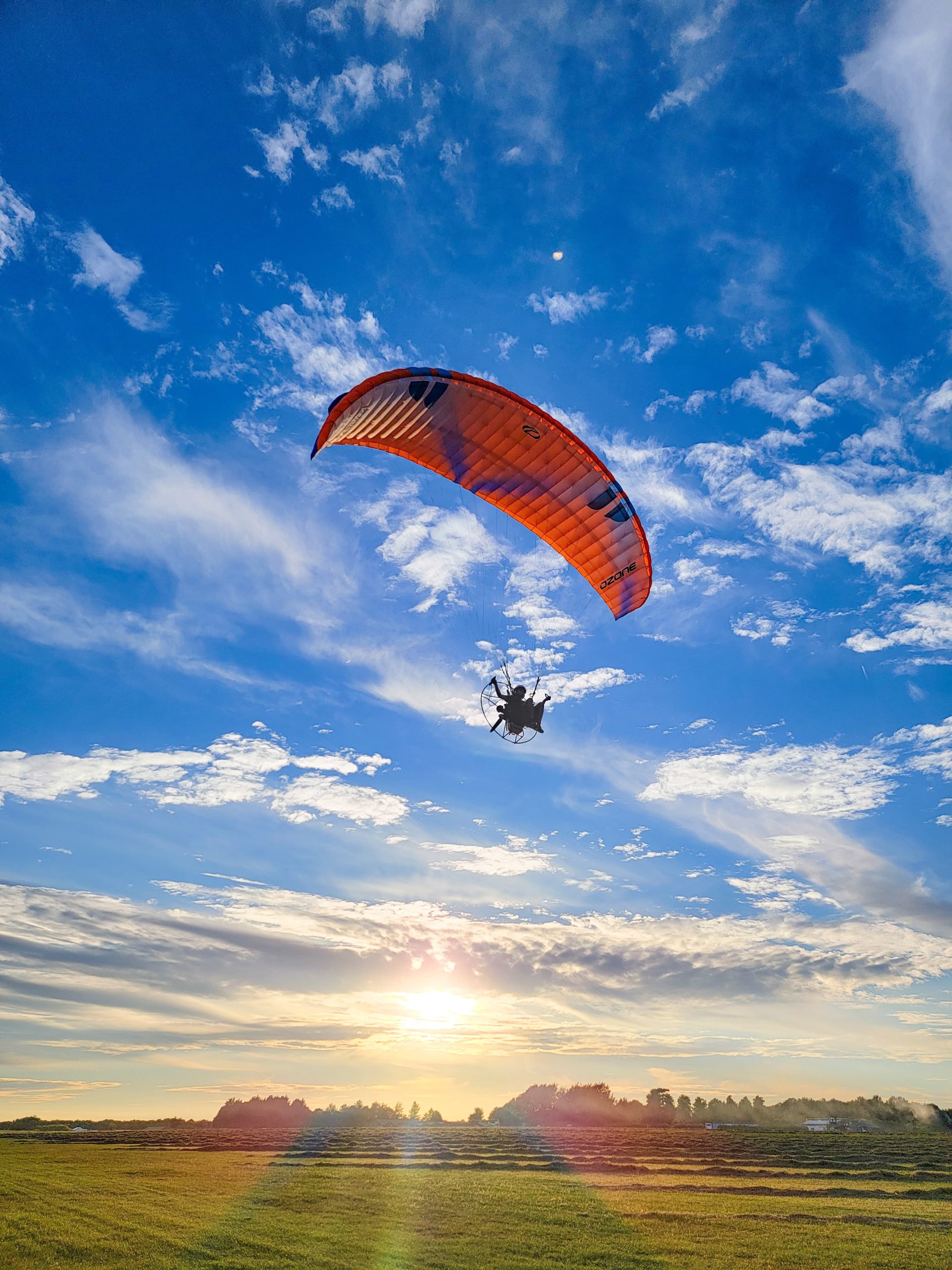
APPI PPG Pilot is the paramotor rating for pilots who want to launch with an engine on their back and fly without waiting for a ridge wind window. APPI splits powered paragliding into modules. Most students complete APPI PPG Adventure Pilot first, including at least one solo paramotor flight, then sit the minimum six-day APPI PPG Pilot course. Holders of APPI Advanced Paraglider or similar qualifications may enter the PPG Pilot course directly without the Adventure module.
Training covers weather, flight mechanics, how the motor affects the wing, air laws, piloting, equipment, ground handling and navigation planning from briefing through landing. Assessment uses the APPI PPG Pilot Level Training Syllabus and Logbook until your instructor submits a validated online application with photo and fee. Minimum age is sixteen. You must be physically fit enough for running launches with motor weight.
Paramotoring adds engine management, throttle discipline and field landing options to everything you already know about wings. Leave a comment when you book if you hold paragliding ratings elsewhere or need the full Adventure plus Pilot pathway from scratch.
APPI PPG Pilot assessment is continuous against syllabus performance requirements documented in the APPI PPG logbook.
Quick answers about this qualification. For anything else, use live chat or browse bookable activities below.
Find activitiesIt is the APPI paramotor rating showing you completed the APPI PPG Pilot syllabus and met all performance requirements documented in the APPI PPG logbook.
Most pilots arrive via APPI PPG Adventure Pilot with at least one solo paramotor flight. Advanced paraglider pilots may skip Adventure Pilot and enter PPG Pilot directly.
Powered Paragliding. You fly a paraglider wing with a paramotor unit providing thrust, usually a backpack engine and propeller.
It combines foot-launched free flight with powered climb and longer range, within training and legal limits.
The full pathway starts with ground handling and Adventure Pilot training before the six-day PPG Pilot course. APPI Advanced Paraglider or similar holders may move directly to PPG Pilot.
Leave a comment when you book if you only have tandem paragliding experience or ratings from another agency.
The APPI PPG Pilot course alone is a minimum six days. Count extra time for Adventure Pilot if you are on the full pathway from zero paramotor experience.
Weather, engine issues and solo readiness often extend real-world schedules beyond the minimum.
Assessment focuses on syllabus performance requirements in the APPI PPG logbook and instructor evaluation of practical competence. Schools confirm knowledge through briefings and checks rather than a separate classroom exam day for every student.
Advanced APPI PPG modules such as Performance Pilot include dedicated theory courses and exams.
Certified paramotor unit, paraglider wing, harness, helmet, reserve and radio suited to your weight. Most schools provide training kit initially.
You learn inspection and basic maintenance routines as part of safe paramotor operation. Leave a comment when you book about hire versus bring-your-own motor policies.
Like all aviation it carries risk, reduced by structured training, weather discipline and propeller awareness. APPI emphasises safety rules and quality standards from the first ground session.
Running launches with engine weight are physical. Honest fitness and abort habits matter as much as throttle technique.
Sixteen years old minimum for APPI PPG Pilot enrolment. Some countries set higher age limits for powered ultralight operations.
Check local aviation law as well as APPI rules when you book training at home or abroad.
APPI PPG certifications are recognised within the APPI PPG instructor network and partner schools worldwide. National authorities may require separate licences, medicals or aircraft registration for paramotors.
Always verify local powered flight regulations before operating outside your training country.
APPI PPG Advanced Pilot and Performance Pilot modules for pilots who want further powered progression, plus continued flying within APPI logbook and insurance expectations.
Many pilots simply consolidate local field flying before chasing advanced ratings.
adventuro lists APPI PPG training centres in the UK and abroad. Compare whether Adventure Pilot, kit hire, fuel and certification application fees are included.
Leave a comment when you book with your paragliding background, weight for kit sizing and whether you need the full pathway from zero.

Experience the excitement of Paramotoring with comprehensive 1-2-1 Professional Tuition for either a Taster Day or right through to a Full uncapped Training to become a fully qualified Paramotor Pilot
From £ 180
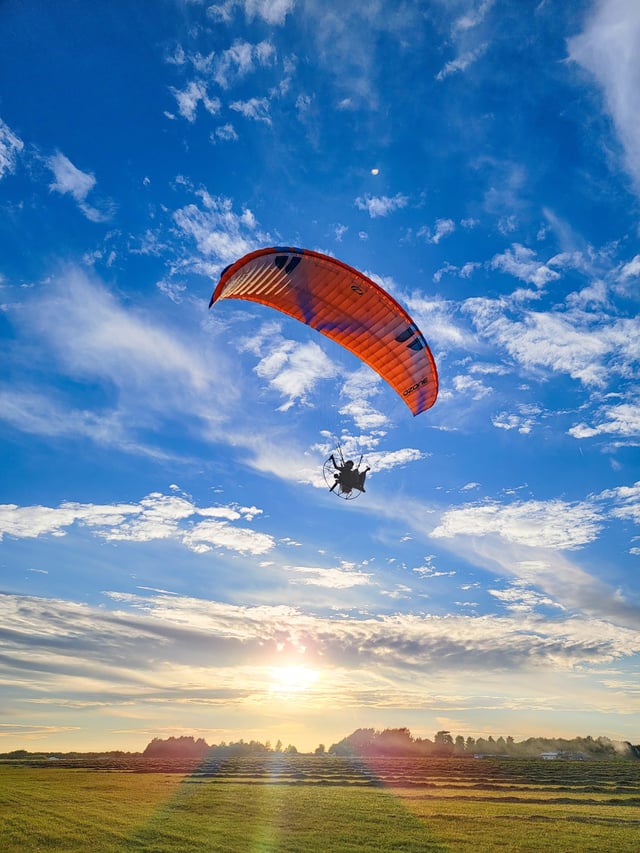
Become a certified paramotor pilot with a 12-day course in Spain. Expert training, solo flights & APPI PPG license.
From £ 1995
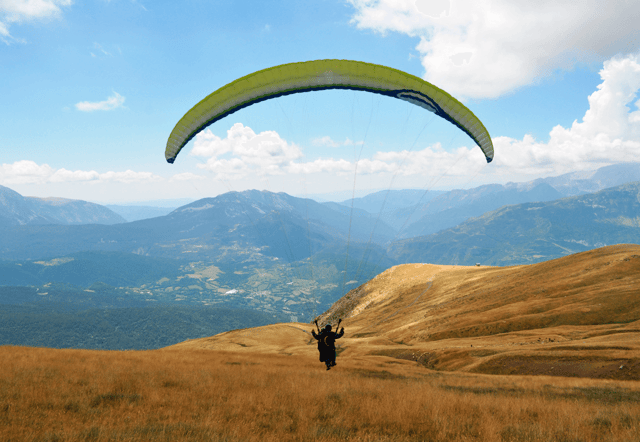
Tandem pilot training in Spain with 15–25 flights, passenger flying skills and certification pathway in the Pyrenees. From 950 EUR.
From € 950