We partner with Rewilding Britain to help protect our natural spaces for future adventures.
All centres are vetted for safety and quality. Your adventure is in good hands with adventuro.
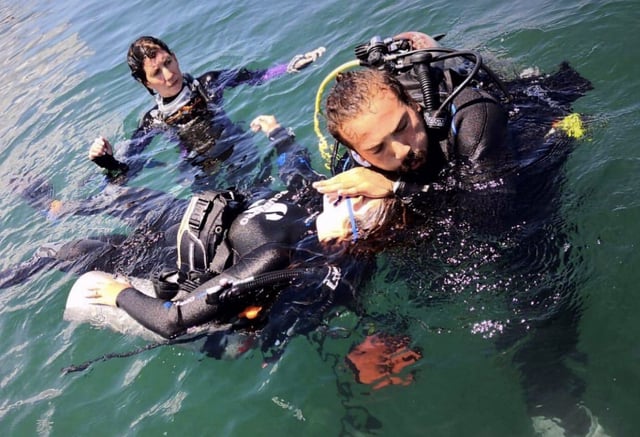
Vous apprendrez les gestes de soins primaires et secondaires dans le cadre du cours PADI Emergency First Response dans notre base de Cabo de Palos, avec une pratique de la RCP, une familiarisation au DAE et des premiers secours adaptés aux plongeurs qui préparent le Rescue ainsi qu’à toute personne souhaitant acquérir des compétences d’intervention au quotidien.
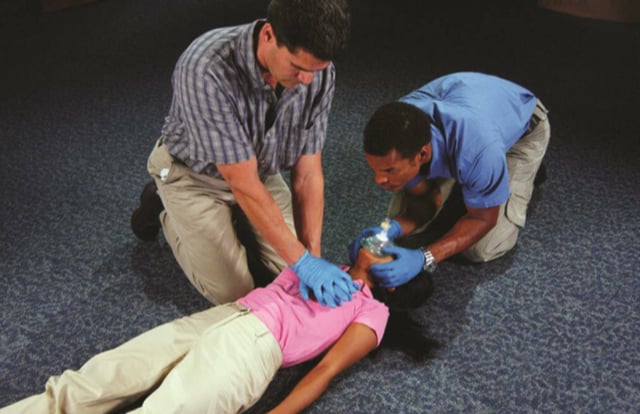
La pratique de la RCP et du DAE sur mannequins alterne avec les premiers secours pour les blessures courantes, l’identification des malaises et des scénarios de bandage, sous la direction d’instructeurs qui enseignent quotidiennement les cours de plongée et relient les compétences à des situations réalistes sur des bateaux de plongée et à la plage.
Les séances pratiques reposent sur des jeux de rôle et des cycles répétés afin de développer les automatismes avant de mettre vos connaissances en application dans le cadre du Rescue Diver ou dans un contexte professionnel. Attendez-vous à vous agenouiller, à pratiquer la ventilation de secours et à travailler avec des partenaires sur la pose d’attelles et l’évaluation de la sécurité d’une scène tout au long de la journée.
Les séquences en salle se déroulent dans notre centre du Paseo Dimas Ortega 18, qui dispose d’un espace pour les exercices au sol et les postes de mannequins à l’abri du vent du port, afin que vous puissiez vous concentrer sur les compressions et les bandages sans vous presser entre différents sites.
Les scénarios d’intervention peuvent se déplacer à l’extérieur pour plus de réalisme, tout en restant sur place à Cabo de Palos, puis revenir à l’intérieur pour les révisions théoriques et la validation de l’instructeur lorsque les compétences répondent aux normes EFR en vigueur.
Aucun prérequis. Ce cours convient aux plongeurs qui préparent le Rescue, aux équipages de bateaux, aux parents et à toute personne souhaitant acquérir des compétences pratiques en premiers secours sans certification préalable.
La principale attente pour la journée est d’être disposé à pratiquer sur des mannequins et avec des partenaires. Portez des vêtements confortables dans lesquels vous pouvez bouger, et dites-nous si vous avez besoin d’options assises pour certaines compétences afin que nous puissions nous adapter tout en maintenant les standards.
L’approche pratique rend la journée dynamique plutôt que centrée sur les cours magistraux ; les instructeurs, qui connaissent les incidents de plongée de Murcie dans le cadre de leur formation, expliquent pourquoi chaque compétence est importante en mer comme à terre.
Des certifications adaptées au monde professionnel vous accompagnent dans votre parcours vers le Rescue et dans la vie quotidienne au-delà de l’eau, et de nombreux élèves programment l’EFR juste avant leur semaine Rescue dans notre centre du port afin de profiter d’un itinéraire cohérent.
Vous vous entraînez à évaluer les scènes, à contacter les services d’urgence et à effectuer les étapes de RCP et d’utilisation du DAE sur des mannequins d’entraînement. La pratique se répète jusqu’à ce que les compressions et la ventilation de secours soient coordonnées.
Votre instructeur insiste sur l’importance d’appeler rapidement les secours et de veiller à votre propre sécurité.
Les soins secondaires couvrent l’évaluation des blessures et des malaises, ainsi que les techniques de bandage et de pose d’attelles pour les situations courantes. Les jeux de rôle vous aident à communiquer calmement avec les patients.
Les scénarios s’appuient sur les décisions de soins primaires abordées plus tôt dans la journée.
Les scénarios finaux combinent les soins primaires et secondaires afin que vous démontriez une séquence complète d’intervention. La réussite du cours permet de lancer le traitement de votre certification EFR.
Vous repartez avec des compétences pratiques utiles bien au-delà de la plongée.
Emergency First Response correspond généralement à une journée complète de théorie et de pratique à la base du port.
Les modules Soins aux enfants ou remise à niveau en RCP peuvent rallonger la journée si vous les réservez en complément. Nous gardons néanmoins toute la journée au même endroit afin que vous pratiquiez davantage au lieu d’attendre entre les postes équipés de mannequins. Les postes restent à la base du port, ce qui vous permet de pratiquer davantage au lieu de rester assis.
Les certifications EFR ont une période de remise à niveau recommandée, et de nombreux plongeurs renouvellent leurs compétences avant de suivre des cours Rescue ou professionnels.
Les séances de remise à niveau sont plus courtes que le cours complet lorsque vos compétences sont encore récentes. Nous pouvons vous conseiller sur le calendrier si vous enchaînez directement avec une semaine Rescue après cette journée. Les postes restent à la base du port, ce qui vous permet de pratiquer davantage au lieu de rester assis.
Oui. Les cycles de RCP, les consignes liées au DAE et la pratique de la ventilation de secours se font sur mannequins et avec des exercices en binôme tout au long de la journée.
Portez des vêtements dans lesquels vous pouvez vous agenouiller et bouger, et dites-nous si vous avez besoin d’options assises pour certaines compétences. Les instructeurs qui enseignent la plongée au quotidien relient chaque exercice aux situations en bateau et à la plage que vous pouvez rencontrer dans la région de Murcie. Les postes restent à la base du port, ce qui vous permet de pratiquer davantage au lieu de rester assis.
Aucun prérequis. Les plongeurs qui préparent le Rescue, les équipages de bateaux, les parents et toute personne souhaitant acquérir des compétences pratiques d’intervention peuvent participer.
La principale attente est d’être disposé à pratiquer sur des mannequins et avec des partenaires. Nous adaptons les postes tout en respectant les normes EFR en vigueur. Les postes restent à la base du port, ce qui vous permet de pratiquer davantage au lieu de rester assis. Les briefings du port de Cabo de Palos permettent de clarifier le programme avant le départ.
Non. Cette journée couvre les soins primaires et secondaires à terre, sur lesquels le Rescue s’appuie ensuite dans l’eau.
De nombreux élèves programment l’EFR juste avant leur semaine Rescue afin de profiter d’un itinéraire cohérent. Vous repartez avec des compétences en premiers secours et en RCP utiles en mer comme à terre, mais pas avec l’ensemble des scénarios de sauvetage dans l’eau. Les postes restent à la base du port, ce qui vous permet de pratiquer davantage au lieu de rester assis.
L’espace au sol du Paseo Dimas Ortega 18 permet d’installer les postes de mannequins à l’abri du vent du port.
Certains scénarios d’intervention se déroulent à l’extérieur pour plus de réalisme, puis nous revenons à l’intérieur pour les révisions théoriques et la validation. Vous ne passez pas la journée à vous déplacer entre différents sites, ce qui maximise le temps de pratique. Les postes restent à la base du port, ce qui vous permet de pratiquer davantage au lieu de rester assis.
Portez des vêtements confortables dans lesquels vous pouvez vous agenouiller, vous rouler au sol et pratiquer la ventilation de secours pendant plusieurs heures.
Prévoyez plusieurs couches si nous sortons pour évaluer une scène, et des chaussures fermées sont plus pratiques que des tongs sur le sol de la salle de cours. Apportez de l’eau et laissez à l’hôtel les bijoux qui pourraient gêner les compressions. Les postes restent à la base du port, ce qui vous permet de pratiquer davantage au lieu de rester assis.
Oui. Les parents, les équipages de bateaux et toute personne souhaitant acquérir des compétences d’intervention au quotidien peuvent participer sans carte de plongée.
Les compétences sont les mêmes que celles prévues par les normes EFR de PADI et que les plongeurs utilisent avant le Rescue. Nous expliquons également pourquoi chaque exercice est important dans un contexte de port, de plage ou de domicile. Les postes restent à la base du port, ce qui vous permet de pratiquer davantage au lieu de rester assis. Les briefings du port de Cabo de Palos permettent de clarifier le programme avant le départ.
Oui. Le positionnement des électrodes, les consignes et l’utilisation sûre du matériel sont pratiqués avec les cycles de RCP sur les mannequins.
Vous pratiquez jusqu’à ce que la séquence vous soit familière, au lieu de vous contenter de la regarder sur une diapositive. Les instructeurs relient l’utilisation du DAE à des scènes réalistes sur un bateau de plongée et à la plage, plutôt que de la traiter comme un simple complément théorique. Les postes restent à la base du port, ce qui vous permet de pratiquer davantage au lieu de rester assis.
Rendez-vous au Paseo Dimas Ortega 18 pour la journée complète de théorie et de pratique.
Arrivez prêt à commencer aux postes au sol afin de ne pas retarder le premier bloc de RCP. Le parking et les cafés se trouvent près du port si vous souhaitez faire une courte pause au déjeuner. Les postes restent à la base du port, ce qui vous permet de pratiquer davantage au lieu de rester assis.
À propos du centre
Cabo de Palos
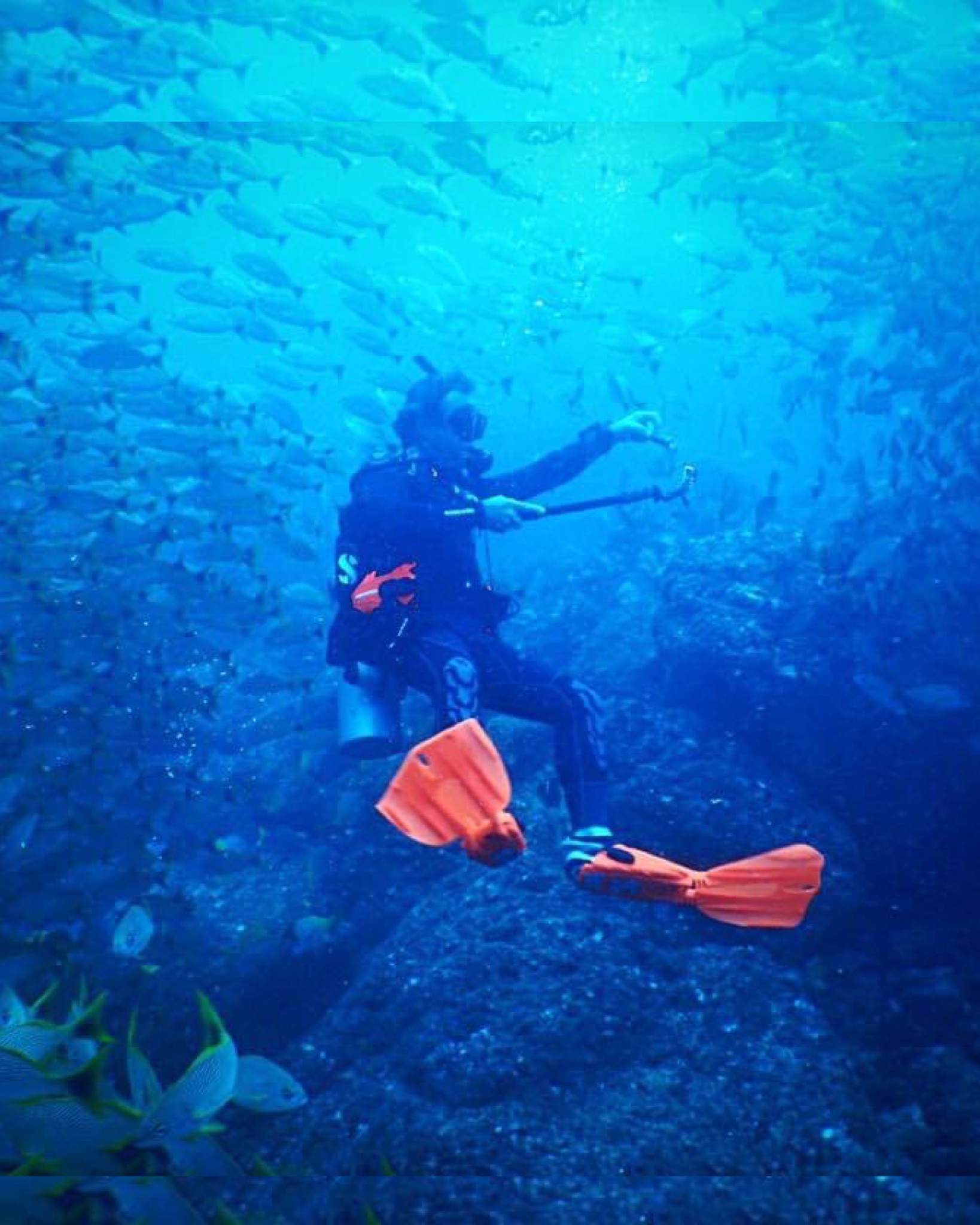
You'll dive on one of the most celebrated stretches of the Spanish Mediterranean, where the Cabo de Palos headland meets clear open water and protected seagrass meadows. Our team runs relaxed guided days, PADI training, and refresher sessions from a harbour-side base, with small groups and patient coaching whether you're blowing bubbles for the first time or logging another fun dive.
From shore entries and daily boat dives to specialty courses and seasonal dive trips, we keep the day well organised so you spend more time underwater. Equipment hire, briefings, and local site knowledge are part of how we work, and we're happy to help you plan the right experience for your certification level and the conditions on the day.
Géré par Mangamar Dive Center, partenaire de adventuro.
Surrey, East and West Sussex, United Kingdom
À partir de £125
East Central Scotland, United Kingdom
À partir de £145