We partner with Rewilding Britain to help protect our natural spaces for future adventures.
All centres are vetted for safety and quality. Your adventure is in good hands with adventuro.
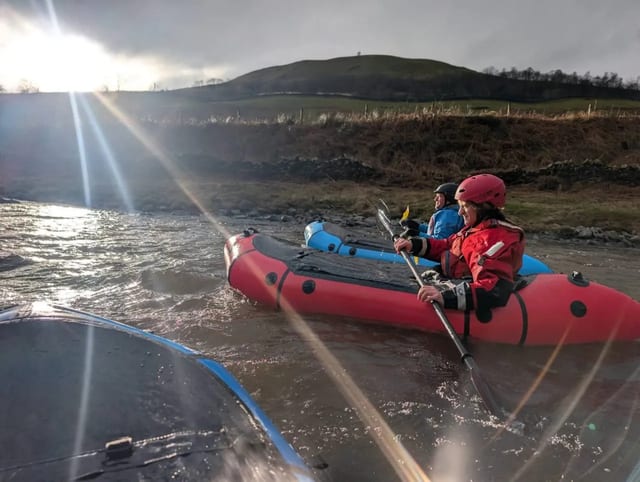
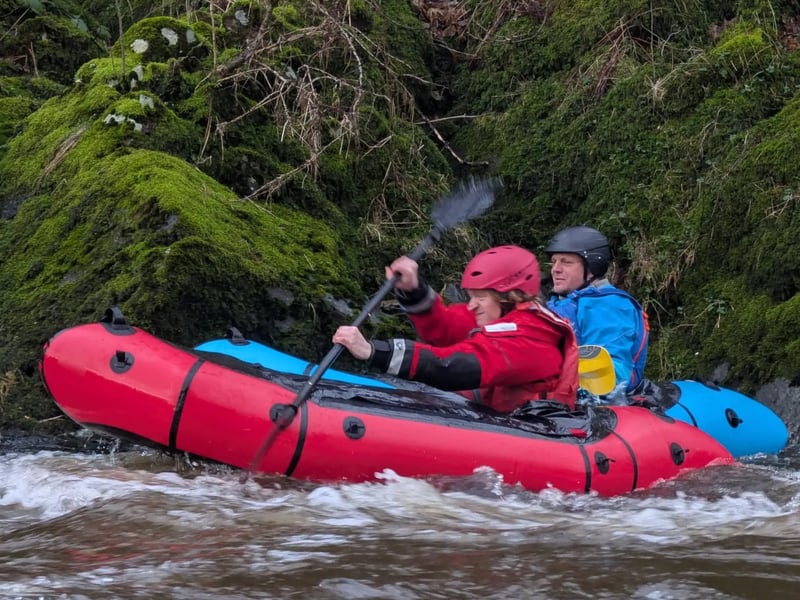
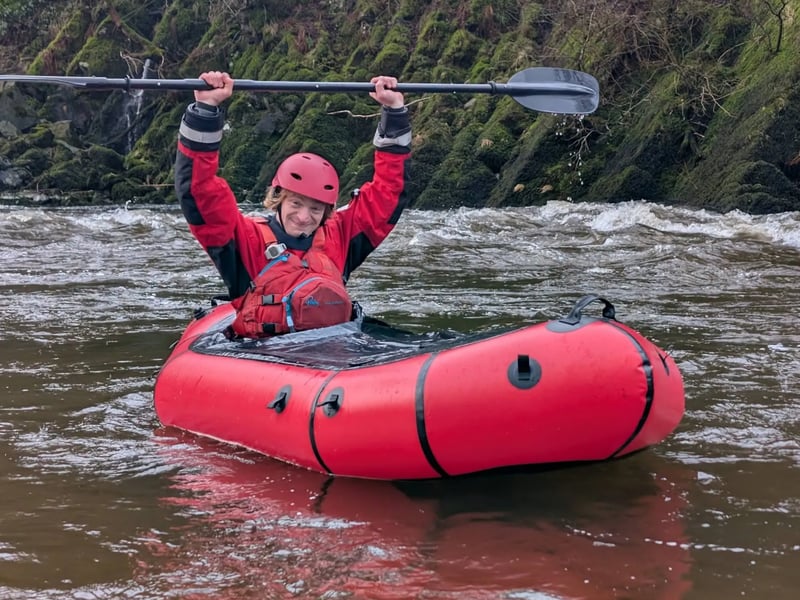

Build the confidence and competence to explore Cumbrian rivers under your own steam with a full-day training session run by experienced packrafters. This 7.5-hour course takes you well beyond the basics, covering the practical knowledge and on-water techniques needed to plan, paddle, and respond to whatever a river throws at you. Ideal for anyone keen to progress towards independent adventures, whether you're starting fresh or already have a bit of paddling under your belt.
Your day opens with a warm welcome at the meeting point, followed by a structured briefing that sets the tone for the coaching ahead. Your instructor will walk you through the aims of the day, fit your kit, and spend time on dry-land fundamentals — paddle grip, posture, stroke mechanics — before you touch the water. The first session on the river is deliberately paced for learning: short drills, clear feedback, and space to ask questions, so that the basics feel solid before you start building on them.
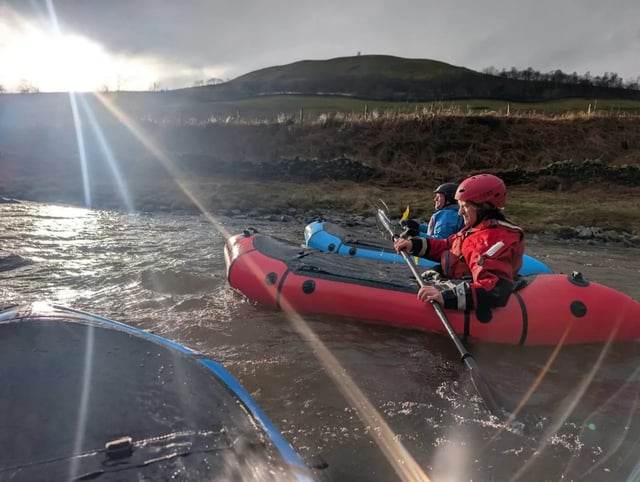
The middle of the day shifts into progressive skills development. Expect drills on ferry glides, turning in current, and moving confidently between eddies. You'll learn how to read water — spotting features like eddies, tongues, horizon lines and stoppers — and practise picking safe lines through increasingly varied terrain. Lunch is taken on a convenient riverbank or meadow, and offers a natural chance to debrief, ask questions, and set goals for the afternoon. Throughout, your instructor adapts the content to the group's progress, so no one is left behind or held back.
The afternoon is where everything starts to click. You'll work through self-rescue — what to do if you come out of your boat, how to re-enter, and how to keep yourself and your kit together in moving water — alongside practical drills in assisting others. The day ends with a longer applied run, where you put the techniques into practice on a proper stretch of river with your instructor nearby but increasingly hands-off. There's time at the end for individual feedback, next-step advice, and discussion of where your packrafting could take you from here.
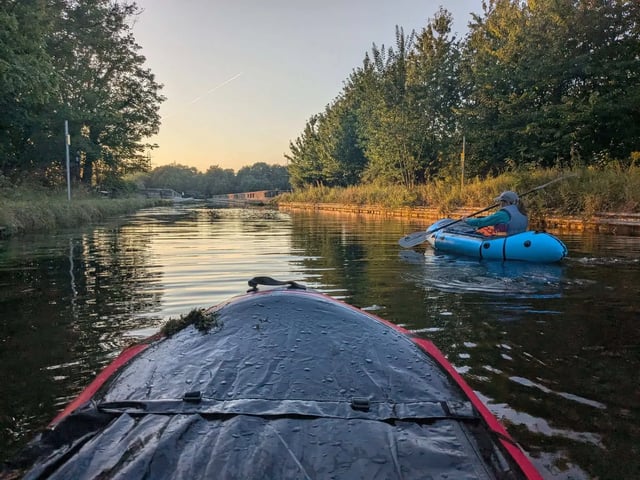
The Lake District is a genuinely good place to learn river skills. Within a short drive you can move between sheltered beginner-friendly stretches and livelier sections with proper features to practise on — and your instructor will choose the venues that best match the group's level on the day. Depending on conditions, you might train on a wooded river with a mix of pools and riffles, a more open valley section with readable features, or a combination of both across morning and afternoon. The variety is part of what makes a single day here so productive.
What really helps learning in this part of Cumbria is the consistency of the water. Rivers here tend to offer accessible put-ins and take-outs, clear features for reading water, and a manageable scale — ideal for building skills you can transfer to bigger rivers elsewhere. The landscape also keeps the day interesting: sessions run through woodland, past stone bridges, and under shifting light that makes even the drills feel less like hard work. You leave with transferable skills and a much better mental map of the local river network.
This course is open to paddlers of all starting points, from complete beginners to those with a few sessions already under their belt. No prior packrafting or whitewater experience is required — your instructor will pitch the content to match the group. You should, however, be reasonably mobile: enough to sit in a packraft for extended periods, get in and out of the boat from the bank, and manage a full day outside with short walks between sections of water. Children aged 8 and above can take part when accompanied by a participating adult, and anyone 18 or over can join independently. Basic swimming ability and water confidence are important, as you'll be practising self-rescue drills that involve being in the water.
Packing thoughtfully makes a real difference on a skills day. Comfortable outdoor clothing suited to the weather works best, with a waterproof layer and plenty of warm options for breaks between drills. Sturdy footwear — trainers or light walking boots with decent grip — is essential, along with a full change of dry clothes for afterwards. Bring a packed lunch, snacks, at least a couple of litres of water, and sun protection (sunglasses included). All training equipment is provided, including packraft, paddle and buoyancy aid, and your instructor will talk you through it all before you start.
Packrafting is our only focus, and that specialism runs through every minute of the coaching. Your instructor is an experienced paddler with deep knowledge of Cumbrian rivers, real teaching skills, and an approach that prioritises clarity over complexity — so each drill has a clear purpose and sits within a logical progression. Small group sizes mean genuine one-to-one attention, proper feedback, and enough water time to actually practise what you're being taught rather than standing on the bank watching.
What really sets this course apart is where it leads. Because packrafts pack down into a backpack, the skills you learn here unlock a huge range of adventures — hill-and-river combinations, remote valley paddles, multi-day trips deeper into Cumbria and beyond. We'll help you map out sensible next steps based on what you've picked up, and you'll leave with practical coaching, clear goals, and the confidence to start exploring independently. Many graduates come back for more advanced days, guided trips, or multi-day expeditions once they've found their feet.
No — the course is designed to work for complete beginners as well as paddlers with a little experience. Your instructor pitches the content to the group, so if you've never held a paddle, you'll start with the absolute fundamentals and progress from there. Packrafts are forgiving boats to learn in, and the day is structured so that each new drill builds logically on the one before, which means you never feel overwhelmed even if it's all brand new.
If you do have previous experience — perhaps a few guided outings, some kayaking, or self-taught time in a packraft — the day is equally valuable. You'll polish your existing technique, fill in gaps you didn't realise you had, and pick up the safety and decision-making side that casual paddling rarely covers. Most returning paddlers say they leave with a noticeably cleaner stroke and far more confidence in moving water.
Moderate general fitness is plenty. You don't need to be athletic, and you won't be paddling flat out for 7.5 hours — there are regular breaks for feedback, water, lunch, and simply watching each other run a section. Paddling a packraft uses your upper body lightly rather than intensely, and the drills are designed to teach technique rather than wear you down with effort. If you can manage a comfortable day of walking in the hills, you'll handle this course without trouble.
What matters more than cardiovascular fitness is mobility and a reasonable tolerance for being in and out of the water. You'll be getting in and out of the boat several times through the day, practising self-rescue in the water, and swimming back to your packraft more than once. If you have specific joint, back or balance concerns, mention them at booking so we can make sure the drills are manageable for you.
Yes — self-rescue drills are a core part of the course, and they're the best way to build the kind of calm, practical confidence that makes independent paddling genuinely safe. Your instructor will set up these drills in a controlled, shallow, calm section of river before progressing to slightly livelier water. You'll practise exiting your packraft, swimming safely with it, keeping hold of your paddle, and getting back in from deep water — all under close supervision, with clear instructions before each attempt.
The drills are demanding but not intimidating. Everyone wears a correctly fitted buoyancy aid, and your instructor is never more than a few metres away throughout. Wetsuits are available on request if the water is cold, and dry robes are on hand so you can warm up between drills. By the end of the day, most guests say these rescue drills are surprisingly enjoyable — and they're almost always the skills people mention when they describe the course afterwards.
On the practical side, expect clean, efficient forward and reverse strokes, a proper low brace and sweep, confident ferry glides across current, and the ability to make controlled turns into and out of eddies. You'll learn how to read water — identifying eddies, tongues, horizon lines, stoppers, and the safest line through a feature — and you'll have practised self-rescue, swimming with kit, and helping someone else who's come out of their boat. The end-of-day applied run gives you a chance to put it all together on a proper river.
Just as importantly, you'll leave with the less-visible skills that make someone a capable paddler: better judgement on line choice, clearer thinking about when to walk a section rather than run it, sensible kit management, and the basics of trip planning. These are the habits that turn technique into genuine independence, and they're built in deliberately throughout the day rather than tacked on at the end.
The course runs with small groups specifically so your instructor can adapt content to the people on the day. If everyone is brand new, the morning takes longer on strokes and balance before progressing; if the group has some experience, the pace lifts earlier and more time goes into advanced drills. Either way, the day covers the full syllabus — it's the depth and speed that shift, not the material itself.
Within any mixed group, individual attention is built in. Drills are set up so that one person runs a feature while others watch from an eddy, which means everyone is learning from each other's attempts and your instructor has time to give proper one-to-one feedback. Lunch and breaks are also used deliberately for personal coaching — small, practical tweaks to someone's technique that can make a big difference in the afternoon.
ou'll have the foundations to start paddling independently on gentle, well-chosen rivers — absolutely. The course deliberately covers the full picture: technique, rescue, river reading, kit, and trip planning, which means you leave with a realistic understanding of what you can manage safely and how to assess a new stretch of water. For many guests, the course unlocks a whole new chapter of adventures in their local rivers and beyond.
That said, confident independent paddling usually requires a bit more mileage. We'd recommend a few guided trips or further outings under your belt before taking on unfamiliar water alone, particularly anything with meaningful current. Your instructor will give honest, personal feedback at the end of the day about where you're ready to paddle independently, where you'd benefit from more practice, and what your next logical step might look like.
Skills days are designed to work across a wide range of conditions. Your instructor will choose the venue on the morning based on recent rainfall, wind direction, and group level — which means the course can usually run even if the weather isn't perfect. A little rain, cooler temperatures, and slightly higher water often make for excellent learning conditions, not a ruined day. The content adapts too: drills can shift to sheltered sections or quieter pools if the main river is unsuitable.
In rare cases where conditions are genuinely unsafe — major flooding, serious thunderstorms, or dangerously strong winds — we'll contact you ahead of the session to reschedule for a better day. Safety always comes first, and we'd much rather move your date than compromise the quality of your training. You won't be pushed out onto water that isn't right for learning.
Yes, you're very welcome to train on your own kit — in fact, this is often a good idea if you've recently bought a packraft and want to get to know it properly under expert guidance. Your instructor can give you feedback on how your boat is inflated, how your seat is set up, how your paddle length suits you, and any small tweaks that might improve your technique or comfort. That sort of kit-specific insight can be genuinely valuable.
If you'd rather use the training equipment provided, that's equally fine — everyone is welcome to, and many guests prefer to do so. All training kit is high quality and properly maintained, and your instructor can walk you through the differences between what you've tried and what you might eventually want to buy. If you're thinking about purchasing your own setup, the course is a great time to ask questions before committing.
Children aged 8 and above are welcome when accompanied by a participating adult, but a skills course is a more demanding day than a standard outing, and it's worth thinking carefully before booking children on. The content assumes a reasonable attention span, genuine interest in learning technique, and the physical capability to manage self-rescue drills in the water. For older teenagers with real enthusiasm, it can be a fantastic experience — for younger or less committed children, a shorter introductory session is often a better fit.
If you're considering a family skills day — perhaps two adults and a teenager, or two keen siblings with a parent — get in touch before booking. We can talk through your specific family's experience and goals, and help you decide whether this course is the right match or whether a guided outing would set you up better before committing to a full training day.
Plenty of options, depending on where you want to take your paddling. Some graduates head straight into guided full-day or multi-day trips, using the course as a foundation to enjoy more adventurous routes with an instructor still on hand. Others start paddling independently on gentle local rivers, gradually building experience before tackling anything livelier. A smaller number come back for more advanced coaching once they've put in some mileage and want to progress their technique further.
Your instructor will talk through your likely next steps at the end of the course, based on how you've progressed on the day and what you want to do. They can suggest specific routes, point you towards relevant kit, and recommend any follow-up training that would help — whether that's first-aid, swift-water rescue, or a more advanced whitewater day. The aim is always to set you up for the paddling life you actually want, rather than pushing any particular path.
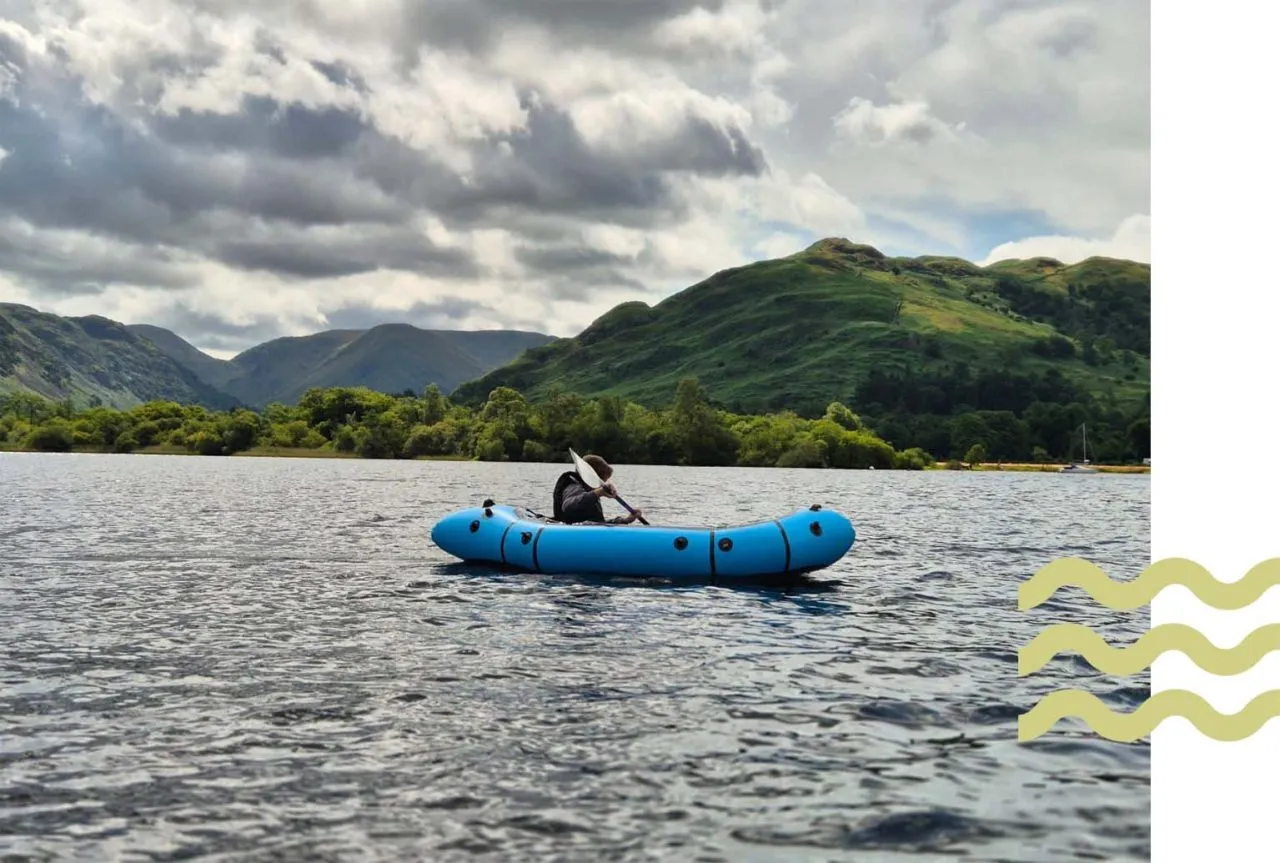
About the centre
Carlisle
Operated by Lake District Packrafting, a partner of adventuro.





Cumbria, United Kingdom
From £200
Cumbria, United Kingdom
From £182
Cumbria, United Kingdom
From £180
Cumbria, United Kingdom
From £173.65
Cumbria, United Kingdom
From £102
Cumbria, United Kingdom
From £102