
Upon your arrival at Tribhuvan International Airport, Kathmandu, a dedicated representative from Alpine Club of Himalaya will warmly welcome you and assist with your transfer to the hotel. Kathmandu, the capital city of Nepal, is a vibrant hub of history, culture, and spiritual heritage, blending modern urban life with centuries-old traditions.
After settling in, take some time to rest and recover from your international flight. In the evening, enjoy a special welcome dinner featuring authentic Nepalese cuisine, where you can try traditional dishes such as dal bhat, momo, and Newari specialties. This evening also provides an opportunity to meet fellow trekkers, discuss the upcoming adventure, and participate in a brief orientation session led by your Alpine Club of Himalaya guide, where essential information about the trek, safety measures, and logistics will be shared.
After an early breakfast, you will head to the domestic airport for a scenic flight to Lukla, widely regarded as the gateway to the Everest region. The flight itself is an adventure, flying amidst the soaring peaks of the Himalayas, with views of snow-clad summits and deep river valleys. Upon arrival in Lukla, a brief rest allows you to acclimatize slightly before starting the trek.
The trail descends gently from Lukla through lush forests and rhododendron-covered hills, passing through the village of Cheplung. From here, marvel at the view of Mt. Khumbila, a sacred peak that remains unclimbed due to local religious beliefs. Continuing along verdant woodland trails, you will reach Phakding, a quaint settlement on the banks of the Dudh Koshi River. Phakding offers your first experience of the Sherpa mountain lifestyle and local guesthouse hospitality.
Today’s trek is a journey through the heart of the Khumbu region. You will cross multiple suspension bridges over the roaring Dudh Koshi River, walk through dense forests, and pass small villages such as Zamphute and Tok Tok, where the local Sherpa community maintains a traditional mountain lifestyle. The trail provides striking views of Mt. Thamserku and other surrounding peaks.
At Monjo, the entrance to Sagarmatha National Park, your permits will be checked, and you will enter the protected park area. From Monjo, the trail ascends steeply toward Namche Bazaar, the Sherpa capital of the Everest region. As you climb, panoramic vistas of Mount Everest, Lhotse, and Tawache unfold. Namche is not only a trekking hub but also a cultural center, with bustling markets, cafes, and traditional tea houses. After reaching your guesthouse, rest and enjoy the views of the surrounding mountains.
Acclimatization is crucial at higher altitudes to reduce the risk of altitude sickness. Today, you will explore Namche Bazaar and surrounding areas with short hikes. Before sunrise, witness a breathtaking Himalayan sunrise from a vantage point above the village. After breakfast, take a gentle hike to Khumjung Village and the famous Everest View Hotel, offering panoramic views of Ama Dablam, Thamserku, Taboche, and Lhotse.
Visit Khumjung Monastery, which houses a purported Yeti scalp, and the Khumjung School, founded by Sir Edmund Hillary. Learn about Sherpa culture, Buddhist traditions, and the flora and fauna of Sagarmatha National Park. Spend the evening enjoying the sunset from your guesthouse, reflecting on the serene alpine environment.
Today’s trek takes you from Namche across open ridges and forested trails to Tengboche, famous for its monastery. The trail passes through Sherpa villages like Kyangjuma, Sanasa, and Phunki Thenga, offering opportunities to observe traditional lifestyles and impressive mountain panoramas.
At Tengboche, visit the Tengboche Monastery, the largest in the Khumbu region, known for its Buddhist rituals and chanting monks. The monastery offers unrivaled views of Everest, Ama Dablam, Lhotse, and Nuptse, making it an iconic photo opportunity. Overnight in Tengboche allows trekkers to rest while soaking in the spiritual and natural environment.
The trail today passes through birch, rhododendron, and conifer forests, gradually ascending to the Imja Valley. Stop at Pangboche, the highest permanent settlement in the valley, to admire the Pangboche Monastery and surrounding peaks. As you ascend to Dingboche, the landscape becomes arid, with sparse vegetation, high-altitude pastures, and sweeping views of Ama Dablam, Lhotse, Tawache, and Cholatse.
Dingboche offers traditional guesthouses and a chance to acclimatize in the thinner air of the upper Khumbu region, preparing for the more challenging passes ahead.
This is a crucial day for altitude acclimatization. You can hike to Nangkartsang Peak, a non-technical trail with panoramic views of the Khumbu Valley, Makalu, Cho Oyu, Island Peak, Ama Dablam, and Imja Glacier.
This day allows your body to adjust while exploring the natural beauty of the Everest region, including glaciers, high-altitude flora, and wildlife. Return to Dingboche to rest and prepare for the first high pass of the trek.
Trek through arid high-altitude landscapes to Chhukung, a small settlement overlooked by glaciers. After a brief rest, climb Chhukung Ri, a non-technical peak offering panoramic views of Ama Dablam, Imja Tse, Nuptse, Makalu, and Lhotse.
This day combines trekking and optional mountaineering, allowing for both acclimatization and unforgettable mountain vistas. Descend back to Chhukung for overnight stay in guesthouses with stunning alpine views.
This is the most challenging segment of the trek. Starting early, trek toward Kongma La Pass, one of the three major high passes of the Everest region. The trail ascends steeply through glacial moraines, rocky ridges, and small alpine lakes, culminating at the summit with breathtaking views of Ama Dablam, Everest, Nuptse, and Lhotse.
Descend along the moraine to Lobuche, a tiny yak pasture village. This day demands stamina, careful pacing, and proper hydration, but the spectacular Himalayan panorama makes every effort worthwhile.
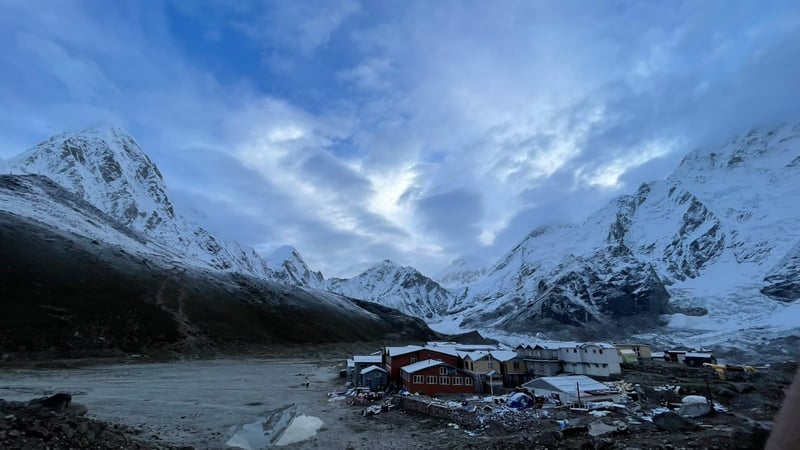
Today is one of the most exciting days of the Everest Three Passes Trek. After an early breakfast, start your trek from Lobuche towards Gorak Shep, a small settlement at the foot of the Khumbu Glacier. The trail follows the edge of the glacier moraine, with views of the surrounding peaks like Pumori, Nuptse, and the Mahalangur range, creating a dramatic and awe-inspiring setting.
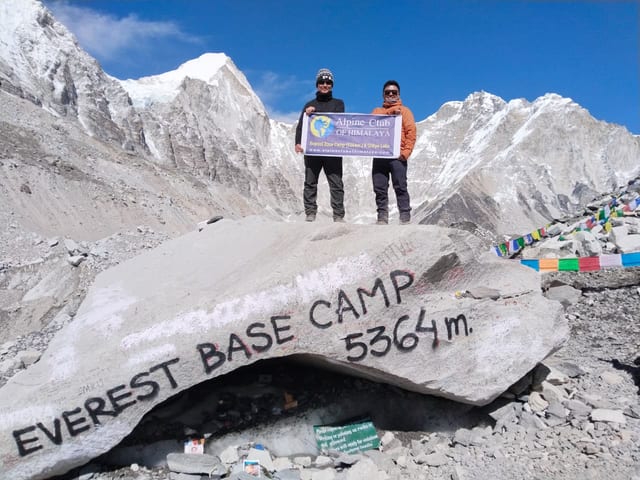
Once you reach Gorak Shep, leave your heavy backpacks and begin the hike to Everest Base Camp. The path winds across glaciers, icefalls, and moraines, providing trekkers with a close-up view of the massive Khumbu Icefall. Upon arrival at Base Camp, soak in the majestic view of the world’s highest peak, taking time to appreciate the incredible effort that brought you here. This is a once-in-a-lifetime experience, offering endless photo opportunities and memories that will last forever.
Return to Gorak Shep for overnight rest. The night at Gorak Shep helps with altitude acclimatization and prepares you for the high passes ahead.
Wake up before dawn to hike to Kala Patthar, one of the most famous vantage points in the Everest region. The non-technical climb offers spectacular 360-degree views of Everest, Lhotse, Nuptse, Pumori, Ama Dablam, and the surrounding peaks. From this viewpoint, trekkers can photograph the iconic Everest summit, the Khumbu Icefall, and the glacial valleys below.
After enjoying the sunrise and mountain vistas, descend to Gorak Shep, take a short rest, and then continue to Dzongla, located at the base of the Cho La Pass. The trail passes through rocky terrain and moraines, offering an immersive experience in high-altitude landscapes. This day is crucial for acclimatization and prepares trekkers for the challenging passes ahead.
Today, you cross one of the three major passes, Cho La Pass, a challenging yet rewarding segment of the trek. Start early to ensure safe crossing, as high-altitude weather can change quickly. The ascent involves rocky terrain and occasional ice patches, requiring caution and frequent breaks.
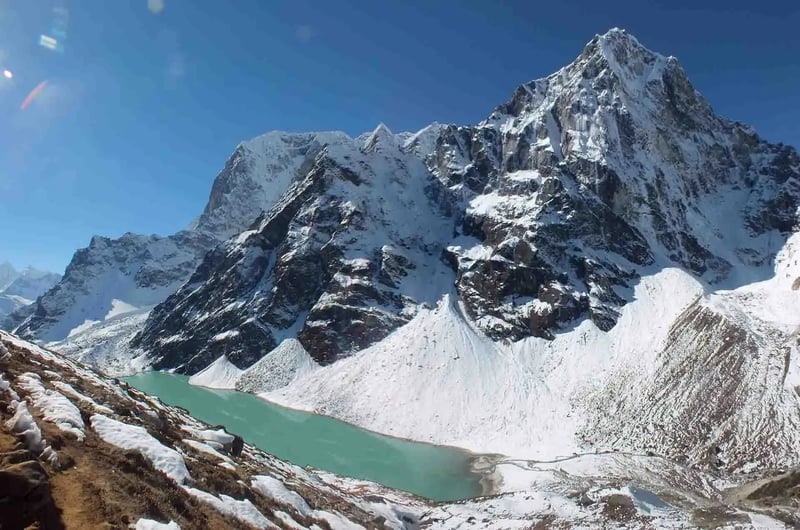
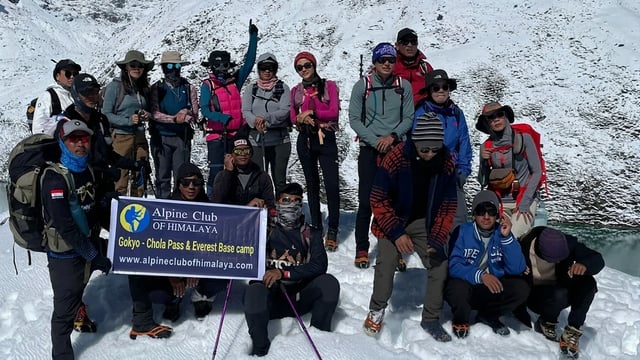
From the summit, marvel at Chola Lake, Ama Dablam, and the surrounding Himalayan giants. The descent to Thangnak follows moraine paths and stone staircases, showcasing the raw beauty of the Khumbu region. Guides from Alpine Club of Himalaya provide continuous support to ensure safety, monitor acclimatization, and assist in navigating tricky sections.
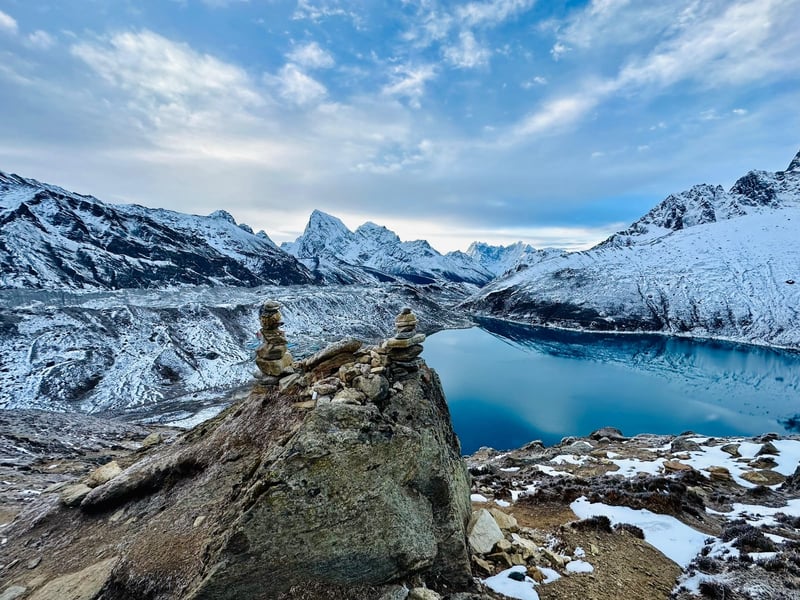
Today’s trek leads to Gokyo, a picturesque village at the edge of the Gokyo Lakes, famous for its turquoise waters and panoramic mountain views. The trail passes along the Ngozumpa Glacier, Nepal’s longest glacier, offering trekkers a remarkable view of its crevassed expanse.
The short trek allows you to rest and acclimatize while enjoying the tranquil alpine scenery. Once in Gokyo, explore the village and its surrounding lakes, reflecting the breathtaking beauty of the Everest region. This area is ideal for photography and observing the local Sherpa culture.
Today is dedicated to exploration and acclimatization. Start early with a hike to Gokyo Ri, offering one of the best panoramic views in the Everest region. From the summit, witness Everest, Cho Oyu, Lhotse, Makalu, and the Ngozumpa Glacier.
After descending, visit the 4th and 5th Gokyo Lakes, including the “Scoundrel’s Viewpoint,” which offers striking views of the high Himalayan peaks. This day combines adventure, photography, and cultural insight, as the lakes hold religious significance for local communities. This rest and exploration day also ensures your body is well-adjusted for the remaining high passes.
Cross the final high pass of the trek, Renjo La, known for its panoramic Himalayan views including Mt. Cho Oyu, Everest, and the Rolwaling Range. The ascent is steep and requires caution, but the summit rewards trekkers with unforgettable vistas of the surrounding glacial lakes and villages.
Descend via stone staircases and scree trails to Marlung, a remote Sherpa settlement along the Bhote Koshi River. This day combines high-altitude trekking, glacier views, and alpine landscapes, making it both challenging and immensely rewarding.
Begin the descent through Sherpa villages and scenic river valleys, passing Namche Bazaar before reaching Monjo. The trail descends through forests, rhododendron paths, and suspension bridges over the Dudh Koshi River.
This section offers a chance to reflect on the trek, observe daily Sherpa life, and enjoy relatively easier walking after the strenuous high passes. Monjo is a peaceful village, perfect for rest before the final leg to Lukla.
The final trekking day is a descent along scenic trails to Lukla. Cross villages, forests, and rivers while taking in the last panoramic views of the towering Khumbu peaks. Upon arrival, celebrate the completion of your trek with your guides and porters.
This day also allows for packing and organizing gear for the return flight to Kathmandu. It’s a day to relax, share stories, and appreciate the journey through the Everest region’s diverse landscapes and Sherpa culture.
Morning flight from Lukla to Kathmandu, weather permitting. The scenic flight over the Himalayas provides unparalleled aerial views of the mountains, glaciers, and valleys. Upon arrival, transfer to your hotel for rest.
In the evening, enjoy a farewell dinner, celebrating your achievement on the Everest Three Passes Trek. Share experiences with fellow trekkers and guides while enjoying authentic Nepalese cuisine.
Trekkers require the following permits:
Both options are available.
Alpine Club of Himalaya ensures professional service, whether in private or group arrangements.
We partner with Rewilding Britain to help protect our natural spaces for future adventures.
All centres are vetted for safety and quality. Your adventure is in good hands with adventuro.
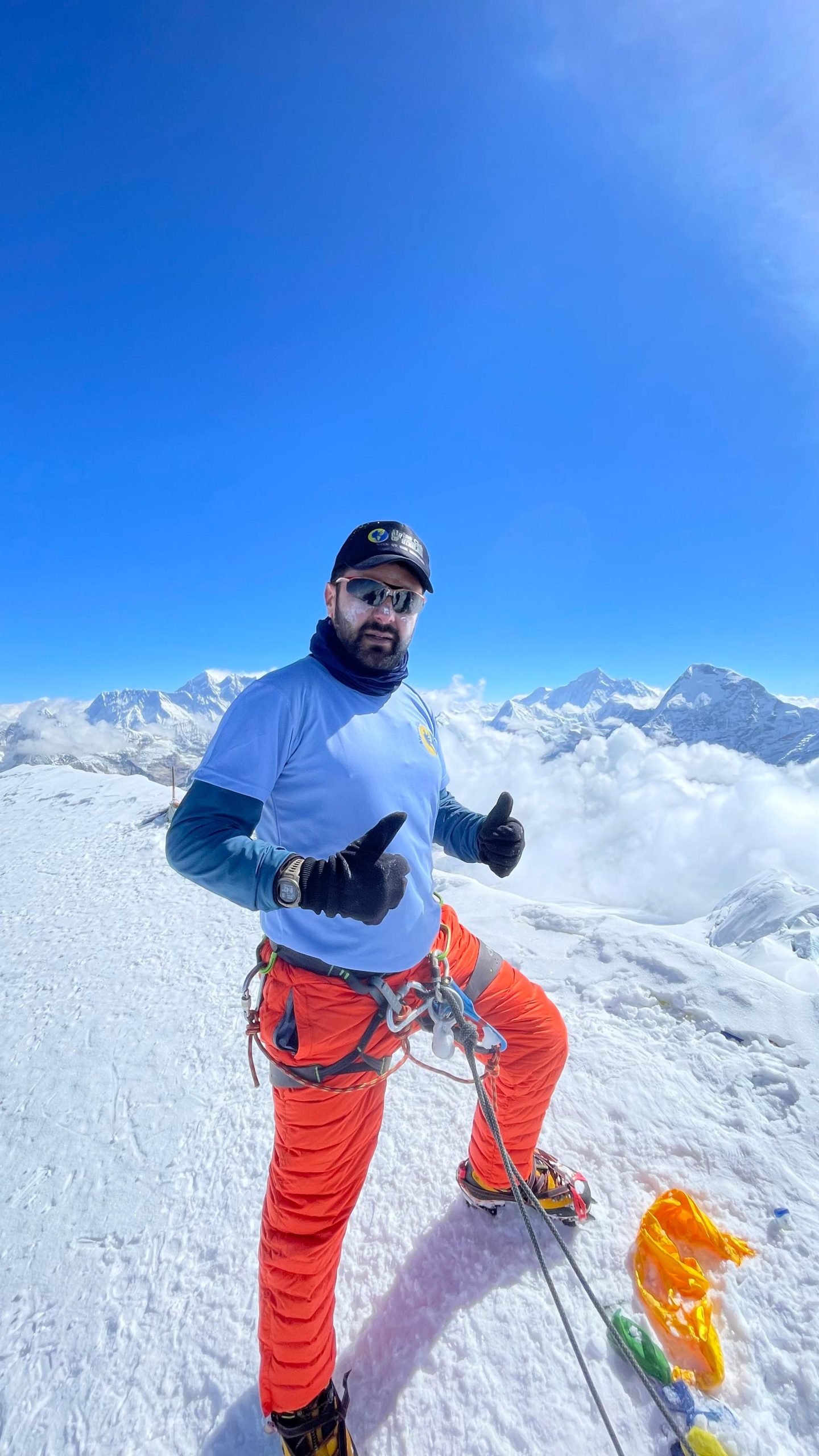
Despre centru
Kathmandu
We are a Kathmandu-based team of licensed trekking and mountaineering guides who lead small groups through the Everest, Annapurna, Manaslu, and peak-climbing routes of Nepal. Every itinerary is built around steady acclimatization, reliable local logistics, and tea-house or lodge nights that keep you comfortable after long days on the trail.
From your arrival briefing in Thamel to the flight to Lukla or the roadhead for western circuits, we handle permits, domestic connections, porter support, and experienced lead guides who know these valleys season by season. Whether you are aiming for a classic base camp, a high pass, or a summit attempt, we focus on safety briefings, realistic pacing, and warm Sherpa hospitality so you can enjoy the journey as much as the destination.
Operat de Alpine Club of Himalaya, partener al adventuro.
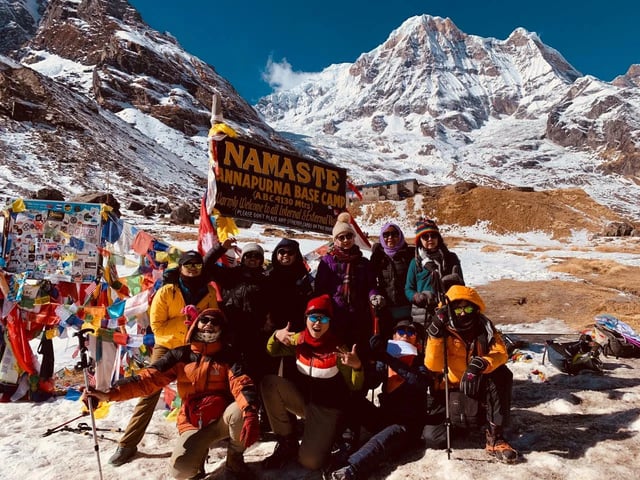
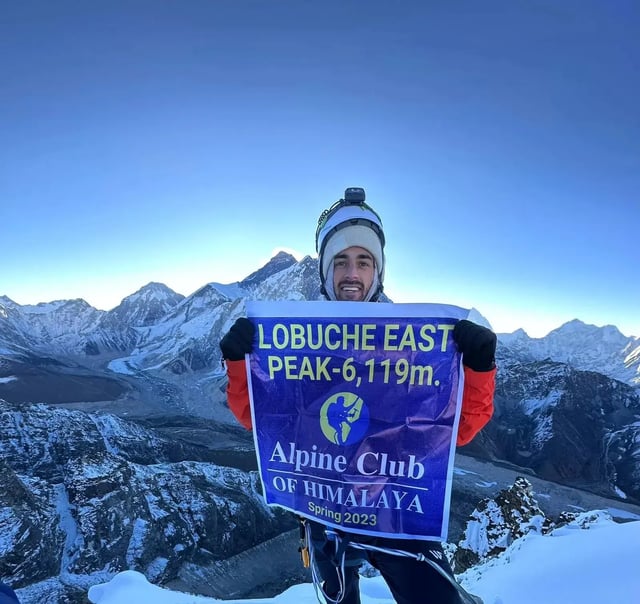
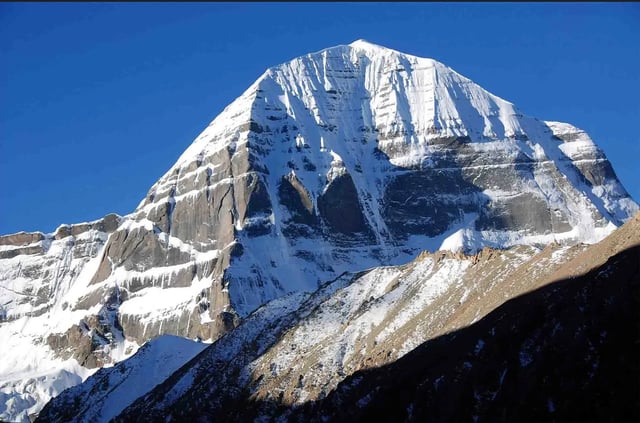


Bagmati Province, Nepal
De la $2499
Bagmati Province, Nepal
De la $2399

Bagmati Province, Nepal
De la $2299