We partner with Rewilding Britain to help protect our natural spaces for future adventures.
All centres are vetted for safety and quality. Your adventure is in good hands with adventuro.
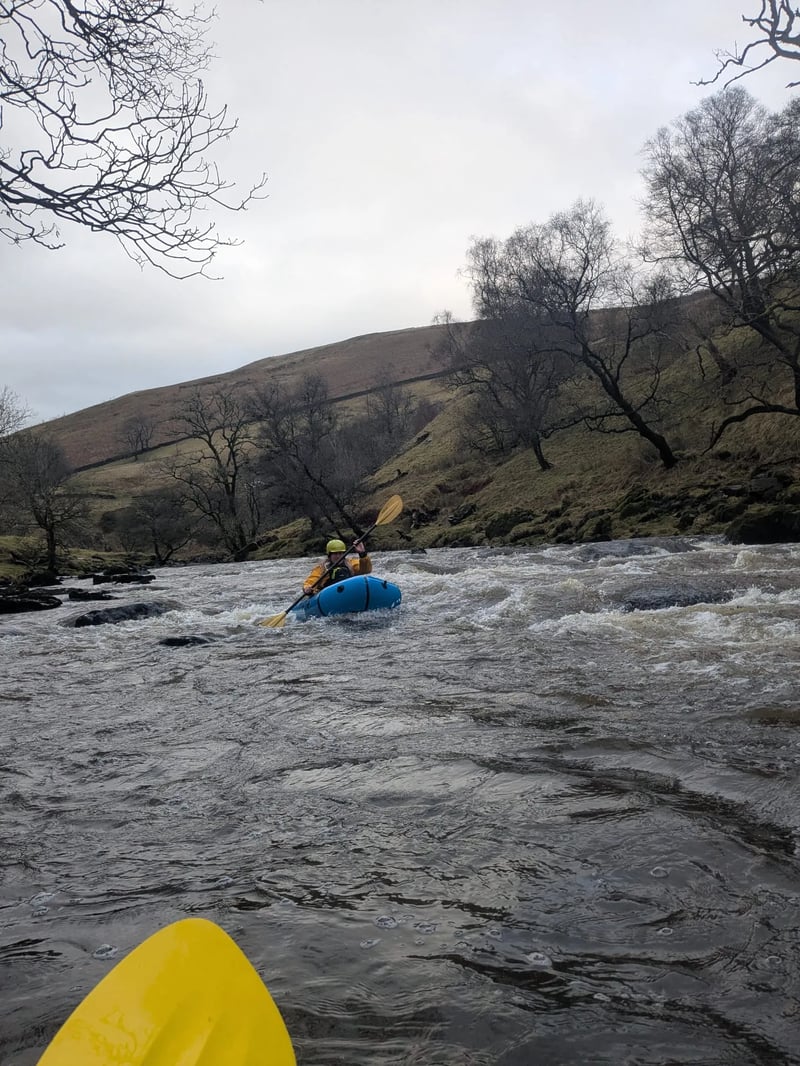
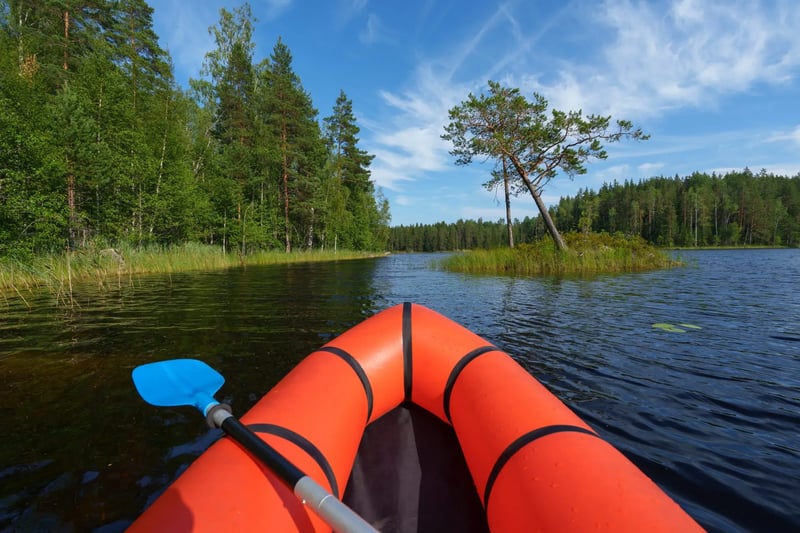
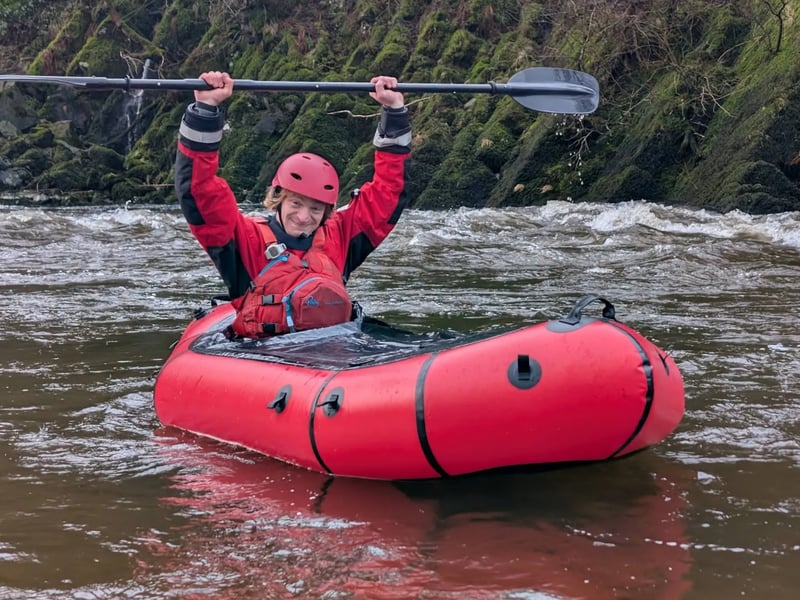
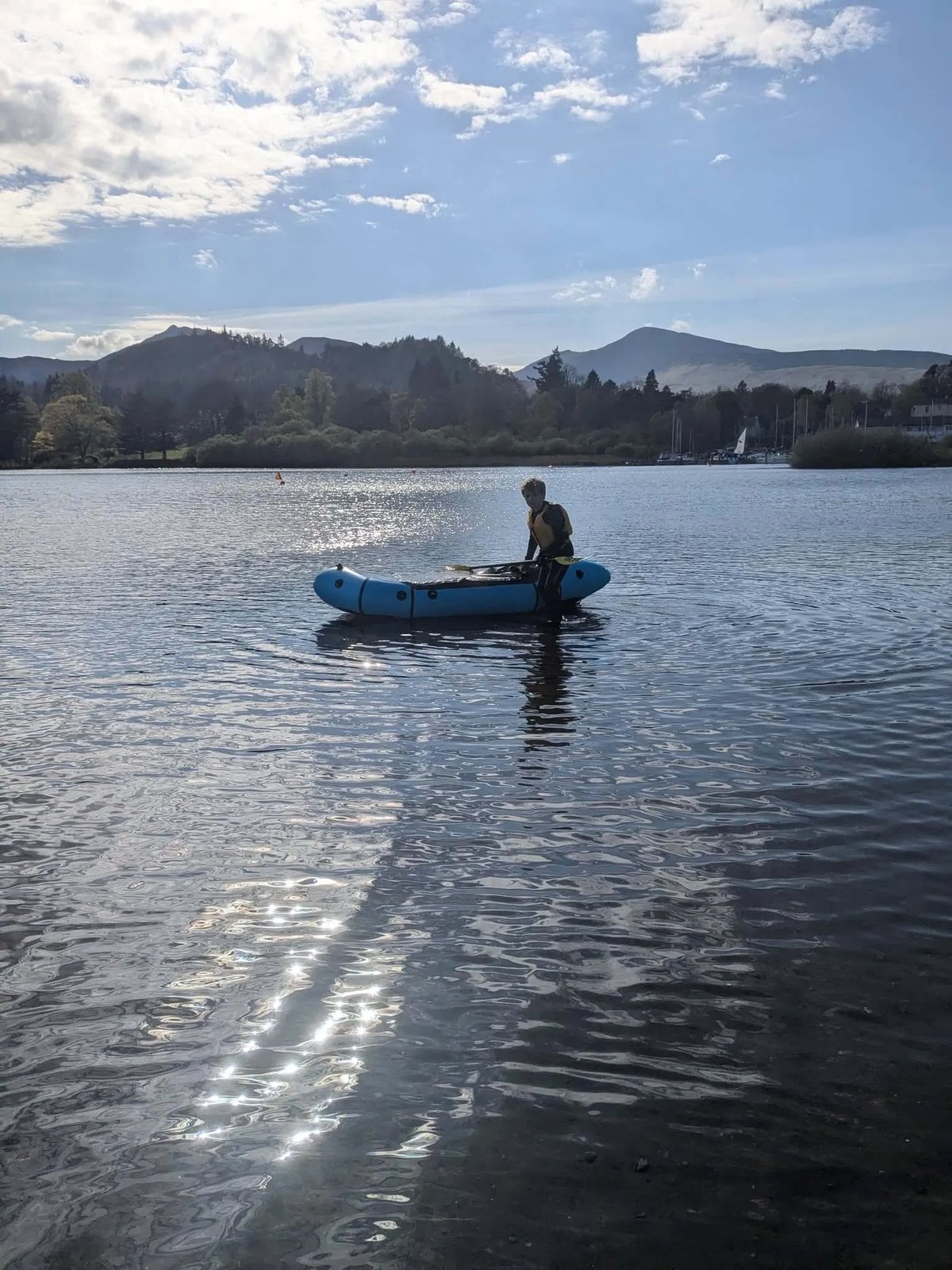
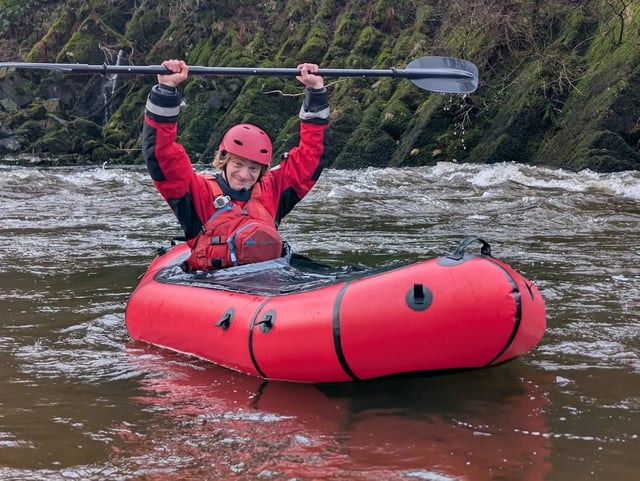
Stepping into the world of packrafting is easiest on a gentle river — and this half-day introduction is made exactly for that. Designed for complete first-timers, it's an unhurried, beginner-friendly outing along some of Cumbria's most welcoming waterways, with patient guidance from start to finish. Expect drifting currents, wooded banks, and that quiet satisfaction of discovering you've picked up a new skill without ever really noticing you were learning.
Your outing begins at the meeting point with a friendly welcome and a proper walk-through of your kit. Because this trip is built as an introduction, the briefing takes a little longer than on more advanced sessions — your guide will cover how to sit comfortably in the packraft, handle the paddle for forward strokes and steering, and react if the wind or current shifts unexpectedly. Everything is pitched for complete beginners, without any jargon, and there's plenty of time to ask as many questions as you like before the boats go anywhere near the water.
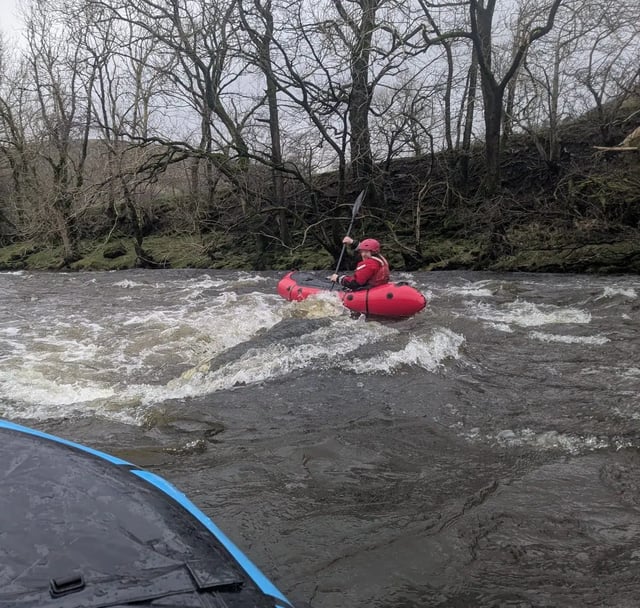
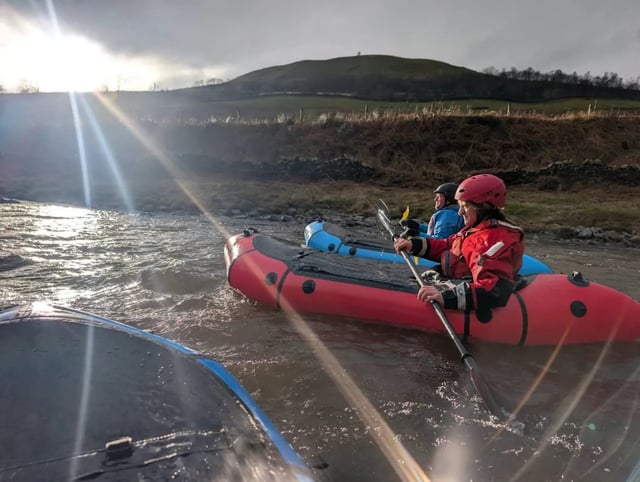
Once afloat, the pace is deliberately relaxed. The river carries you gently while you find your balance and rhythm, with regular stops so your guide can share small tips, point out a heron on the bank, or simply let you soak up the view. You'll learn by doing — guided turns, easy ferry glides across the current, and short practice sections in calmer pools — and most people are surprised how quickly it starts to feel natural. Because the route is shaped around the group, your guide will adjust distance, pace and difficulty to make sure everyone finishes the session feeling confident and accomplished.
How the trip ends depends entirely on the route. Some outings are loops that bring you back to the launch point; others drift downstream to a new village, with the return completed by foot, bike or taxi; a few extend deeper into the valley for keener groups who want a little more. Whatever shape the morning or afternoon takes, there's time at the end to change into dry clothes, chat through what you've learned, and start planning your next paddle if you've caught the bug.
The Lake District is best known for its lakes, but it's also laced with rivers, becks and connecting waterways that are ideal for learning. Depending on the day, you might find yourself paddling a sheltered river section bordered by ancient woodland, drifting through open valley landscape with fells rising on either side, or exploring quieter feeder streams that link the bigger waters together. Packrafts suit this varied terrain perfectly — they're agile enough for narrow passages and stable enough for anyone who's never paddled before.
What makes Cumbria so welcoming for a first river outing is the combination of gentle water and genuine scenery. You're not stuck in a manicured training pond — you're out in a proper landscape, seeing stone bridges, small waterfalls, reed beds and shy river wildlife from an angle most visitors never catch. The flow of the water tends to be forgiving, the banks shelter you from wind, and the whole feel of a river outing is a world away from paddling a big open lake.
This outing is designed with true beginners in mind, so if you've never picked up a paddle before, you're in the right place. Families with older children, couples, solo adventurers, and groups of friends are all equally well-suited. General mobility helps — enough to sit comfortably in a packraft, manage the walk in, and get in and out of the boat from the bank — but there's no fitness test and the pace is very relaxed. Children aged 8 and above can take part when accompanied by a participating adult, and anyone 18 or over can join independently. A little basic water confidence is useful, as everyone wears a buoyancy aid and the session begins with a full safety briefing.
Clothing makes a bigger difference than most people expect. Comfortable outdoor layers suited to the day's weather work best, with a waterproof jacket packed in case conditions shift. Sturdy trainers or light boots are ideal — something you don't mind getting slightly wet, with decent grip for the walk in and any wet banks. Bring a small backpack with snacks, water, sun protection, and a warm layer for cooler spells. All packrafting equipment, including buoyancy aids, is provided, and your guide will walk you through everything before you set off.
Packrafting is our only focus, and this beginner outing is designed with genuine care rather than treated as a throwaway taster. Every route has been scouted, paddled, and refined over years of exploring Cumbria's rivers, which means each trip is built around real local knowledge. Small group sizes keep things personal and unhurried, and our kit is chosen specifically for comfort, warmth and easy learning — so first-timers can focus on enjoying themselves rather than wrestling with awkward gear.
What really sets these sessions apart is the flexibility. Because packrafts pack down into a backpack, we can start and finish almost anywhere, which means your introduction to the sport can happen on water that genuinely suits you — sheltered, gentle, and quietly beautiful. Combined with patient, personable guidance and a deep respect for the landscapes we work in, that flexibility is why so many guests come back for a full-day adventure or begin exploring the wider possibilities of packrafting after just one session.
Stepping into the world of packrafting is easiest on a gentle river — and this half-day introduction is made exactly for that. Designed for complete first-timers, it's an unhurried, beginner-friendly outing along some of Cumbria's most welcoming waterways, with patient guidance from start to finish. Expect drifting currents, wooded banks, and that quiet satisfaction of discovering you've picked up a new skill without ever really noticing you were learning.
Duration: Up to 3.5 hours Location: Lake District National Park Category: River packrafting, beginner-focused Group size: Small, personal groups Minimum age: 8 when accompanied by a participating adult, 18+ to join independently Skill level: Complete beginners welcome — no experience needed Equipment: All packrafting kit provided Changing facilities: Dry robes available Dry bag: Provided for essentials during the outing Optional extras: Wetsuits available if needed, waterproof phone cases available to purchase Return options: Varies by route (circular, downstream finish, or return by foot, bike or taxi)
Your outing begins at the meeting point with a friendly welcome and a proper walk-through of your kit. Because this trip is built as an introduction, the briefing takes a little longer than on more advanced sessions — your guide will cover how to sit comfortably in the packraft, handle the paddle for forward strokes and steering, and react if the wind or current shifts unexpectedly. Everything is pitched for complete beginners, without any jargon, and there's plenty of time to ask as many questions as you like before the boats go anywhere near the water.
Once afloat, the pace is deliberately relaxed. The river carries you gently while you find your balance and rhythm, with regular stops so your guide can share small tips, point out a heron on the bank, or simply let you soak up the view. You'll learn by doing — guided turns, easy ferry glides across the current, and short practice sections in calmer pools — and most people are surprised how quickly it starts to feel natural. Because the route is shaped around the group, your guide will adjust distance, pace and difficulty to make sure everyone finishes the session feeling confident and accomplished.
How the trip ends depends entirely on the route. Some outings are loops that bring you back to the launch point; others drift downstream to a new village, with the return completed by foot, bike or taxi; a few extend deeper into the valley for keener groups who want a little more. Whatever shape the morning or afternoon takes, there's time at the end to change into dry clothes, chat through what you've learned, and start planning your next paddle if you've caught the bug.
The Lake District is best known for its lakes, but it's also laced with rivers, becks and connecting waterways that are ideal for learning. Depending on the day, you might find yourself paddling a sheltered river section bordered by ancient woodland, drifting through open valley landscape with fells rising on either side, or exploring quieter feeder streams that link the bigger waters together. Packrafts suit this varied terrain perfectly — they're agile enough for narrow passages and stable enough for anyone who's never paddled before.
What makes Cumbria so welcoming for a first river outing is the combination of gentle water and genuine scenery. You're not stuck in a manicured training pond — you're out in a proper landscape, seeing stone bridges, small waterfalls, reed beds and shy river wildlife from an angle most visitors never catch. The flow of the water tends to be forgiving, the banks shelter you from wind, and the whole feel of a river outing is a world away from paddling a big open lake.
This outing is designed with true beginners in mind, so if you've never picked up a paddle before, you're in the right place. Families with older children, couples, solo adventurers, and groups of friends are all equally well-suited. General mobility helps — enough to sit comfortably in a packraft, manage the walk in, and get in and out of the boat from the bank — but there's no fitness test and the pace is very relaxed. Children aged 8 and above can take part when accompanied by a participating adult, and anyone 18 or over can join independently. A little basic water confidence is useful, as everyone wears a buoyancy aid and the session begins with a full safety briefing.
Clothing makes a bigger difference than most people expect. Comfortable outdoor layers suited to the day's weather work best, with a waterproof jacket packed in case conditions shift. Sturdy trainers or light boots are ideal — something you don't mind getting slightly wet, with decent grip for the walk in and any wet banks. Bring a small backpack with snacks, water, sun protection, and a warm layer for cooler spells. All packrafting equipment, including buoyancy aids, is provided, and your guide will walk you through everything before you set off.
Packrafting is our only focus, and this beginner outing is designed with genuine care rather than treated as a throwaway taster. Every route has been scouted, paddled, and refined over years of exploring Cumbria's rivers, which means each trip is built around real local knowledge. Small group sizes keep things personal and unhurried, and our kit is chosen specifically for comfort, warmth and easy learning — so first-timers can focus on enjoying themselves rather than wrestling with awkward gear.
What really sets these sessions apart is the flexibility. Because packrafts pack down into a backpack, we can start and finish almost anywhere, which means your introduction to the sport can happen on water that genuinely suits you — sheltered, gentle, and quietly beautiful. Combined with patient, personable guidance and a deep respect for the landscapes we work in, that flexibility is why so many guests come back for a full-day adventure or begin exploring the wider possibilities of packrafting after just one session.
Travel to and from the meeting point Personal outdoor clothing and a waterproof layer Sturdy footwear (light boots or trainers) Snacks, water and sun protection A warm layer for cooler or breezy conditions Waterproof phone case (available to purchase on the day) Any onward transport (bike hire, bus or taxi) if the route finishes away from the launch point Gratuities for your guide
Most people who book this outing are genuinely complete beginners — many have never sat in any kind of paddle boat before, let alone a packraft. The session is built around that fact, not despite it. Packrafts are naturally stable and forgiving, the water is chosen to suit first-timers, and the pace is gentle enough that there's no sense of rushing to catch up. Within the first twenty minutes, almost everyone is moving the boat exactly where they want it.
Your guide's job is to make the learning invisible. Rather than giving a long classroom-style talk, they'll drip-feed tips on the water — a small adjustment to your grip here, a gentle reminder about body position there — so the skills build naturally as you paddle. If anything feels awkward, you can ask at any time. By the end of the session, you won't just have survived; you'll have actually learned something, and most guests finish genuinely proud of what they've picked up.
Rivers and lakes feel noticeably different from the water. On a lake, you're mostly providing your own movement with your paddle — forward strokes, turning, gliding across open water. On a river, the current gives you a constant sense of motion, the banks are close, and the scenery changes every few minutes as the channel twists. Many people actually find river paddling easier for a first outing because the flow does some of the work, and you get a strong sense of progress without having to paddle hard.
A river also offers a different kind of immersion in the landscape. Rather than looking across a wide expanse of water, you're threading through it — under low-hanging branches, past reed beds, over clear gravel shallows where you can see straight to the riverbed. Wildlife tends to be closer, too: herons, dippers, the occasional kingfisher, even the odd deer on the bank. It's a quieter, more intimate experience than most people imagine.
Comfortable outdoor clothing that suits the day's weather is the starting point, with a waterproof layer packed in case conditions shift. Quick-drying trousers or leggings work well, as do long-sleeved tops or base layers. It's sensible to avoid heavy cotton (like jeans or a cotton hoodie), as those hold water and get uncomfortable fast if they get splashed. A light fleece or insulated layer is useful for breaks and cooler sections of river that pass through shaded woodland.
Footwear matters more than people expect. Sturdy trainers or light walking boots — with decent grip for wet banks and any short walks between water sections — work best. Avoid flip-flops or loose sandals. Also bring sunglasses (bright reflections off the water are a real thing, even on grey days), sun protection, and a warm top for after you come off the water, particularly if there's any wait before you change back into dry clothes.
Children aged 8 and above are very welcome provided they're accompanied by a participating adult, and river outings tend to be a genuinely good fit for that age group. The packrafts are stable, the routes chosen for beginners are forgiving, and everyone wears a correctly fitted buoyancy aid at all times. Your guide carries safety equipment and stays close to younger paddlers throughout, ready to offer a line or a steadying hand at any point.
For parents, the main call is whether your child is comfortable around water and can follow instructions. Most 8- to 12-year-olds love a river outing — the sense of gentle adventure suits them perfectly. If you're not sure whether your child is ready, just get in touch before booking. We can talk you through what to expect, describe the likely character of the water, and help you decide whether this outing is the right first step.
Rivers change character with recent rainfall, so the outing is always built around the conditions your guide finds that morning. If water levels are moderately high, you'll still paddle — just on a slightly different stretch or with an adjusted plan to keep the experience comfortable and enjoyable. If levels are low, your guide might choose a deeper section or a different put-in so that you're not dragging over gravel bars. This kind of flexibility is one of the real strengths of a local, specialist operator.
In rare cases where conditions are genuinely unsuitable — for example, after heavy prolonged rainfall, or in the middle of a storm — we'll contact you ahead of the session and arrange a reschedule for another day that works for you. Safety always comes first, and we'd much rather move your date than compromise the quality of your outing. Either way, you won't be pushed onto water that isn't right for beginners.
You might catch the occasional splash from your paddle, a stray drop off the bow, or a little water on your hands — but a full soaking is unlikely on a beginner river outing. Most guests come off the water damp rather than drenched, and the packraft keeps you largely dry as you sit. For most people in warmer months, comfortable outdoor clothing and a waterproof layer are all that's needed.
If you feel the cold, want maximum peace of mind, or if you're joining earlier or later in the season when temperatures dip, wetsuits are available on request — just let us know at the time of booking or at the meeting point. Your guide can also advise on the day based on the weather, air and water temperature, and how the group is dressed. Dry robes are always on hand at the end of the outing for comfortable changing.
This outing is built around gentle, beginner-friendly water rather than whitewater challenges. Expect calm pools, slow bends where the current gives you a gentle push, and perhaps the occasional small riffle — a shallow, slightly livelier section that's fun to paddle through without ever feeling intimidating. Nothing on the route is designed to test you or require advanced skills, and your guide chooses the line through each section ahead of time.
Because we run on rivers across the Lake District and Cumbria, the exact character of the water depends on which route best suits the group, the day, and the conditions. Some sections feel almost still, others carry a slightly brisker flow, but all are chosen with beginners firmly in mind. If you're nervous about rapids, don't be — this outing is designed to build your confidence, not stretch it.
Fitness requirements are modest. You're not covering huge distances, not paddling at speed, and not pushing against strong current — the flow of the river helps carry you along, and the pace is relaxed throughout. Paddling a packraft uses your upper body lightly, which most people find perfectly manageable regardless of age or fitness background. If you can walk for a comfortable half hour without strain, you'll be more than capable of this outing.
What you do need is the mobility to sit in a packraft for extended periods, step in and out of the boat from a river bank, and manage a short walk to and from the water over uneven ground. If you have any specific mobility considerations — joint issues, balance concerns, or anything that might affect you getting in and out of a boat — just mention it at booking. We can adjust the launch and exit points, or suggest a different experience if this one isn't the right fit.
It depends on the route your guide has chosen for the day. Some outings run as a loop on a stretch of river that naturally returns you to the starting point — you'll finish where you began, with no extra logistics needed. Others are point-to-point: you drift downstream to a different exit, and the return is completed by a short walk, a pre-arranged bike ride, a quick taxi, or occasionally a local bus. Your guide will explain the plan clearly before you launch.
If your route involves onward transport, the cost of that (for example, a taxi or bus fare) isn't included in the session price, so it's worth having a little spare cash on hand just in case. For larger groups, we can sometimes arrange shuttle transport separately. Ask at booking if you want to know in advance how the return leg will work — we're happy to talk through the options so you can plan the rest of your day around the session.
Yes, and most people want to — river outings are genuinely photogenic, with all the light, reflections and small wildlife moments you'd hope for. We provide a dry bag for essentials, which is where any phone or small camera is safest between shots. If you'd like quicker access while paddling, a waterproof phone case is strongly recommended, and we have cases available to purchase on the day if you don't already own one.
We'd just ask that you stow anything valuable securely before setting off across trickier sections or when your hands need to be firmly on the paddle. Your guide knows each route well and can usually suggest the best spots for photographs — a hidden bend, a wooded section, or bankside wildflowers — so you won't miss the highlights. Many guests leave with some of their favourite photos of the Lake District from water level.
About the centre
Carlisle
Operated by Lake District Packrafting, a partner of adventuro.
Cumbria, United Kingdom
From £200
Cumbria, United Kingdom
From £182
Cumbria, United Kingdom
From £180
Cumbria, United Kingdom
From £173.65
Cumbria, United Kingdom
From £102
Cumbria, United Kingdom
From £102