We partner with Rewilding Britain to help protect our natural spaces for future adventures.
All centres are vetted for safety and quality. Your adventure is in good hands with adventuro.
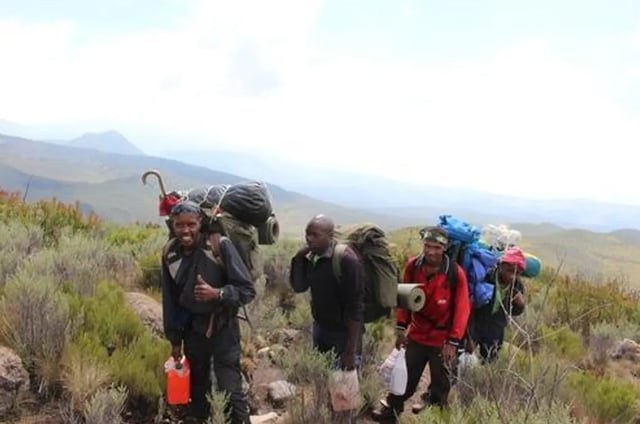
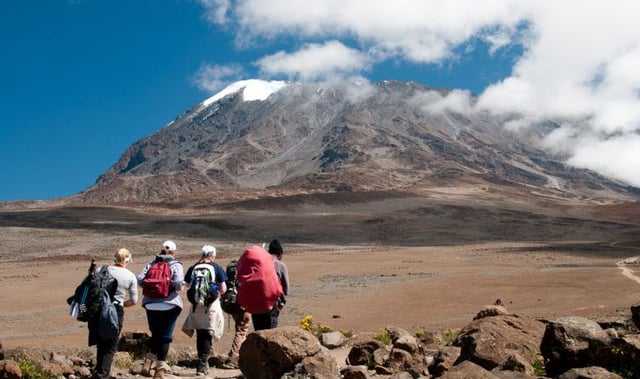
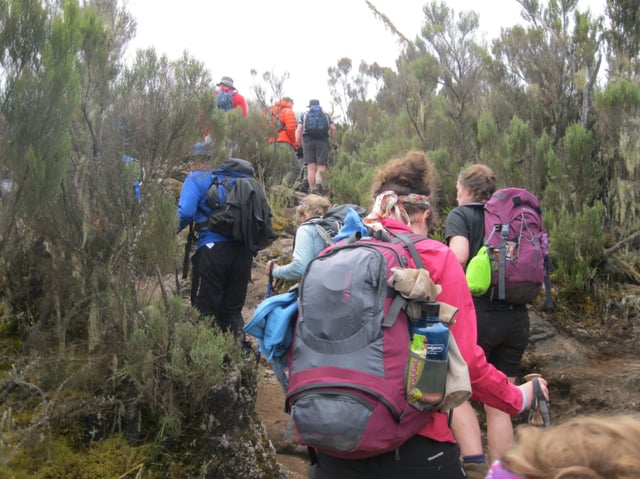
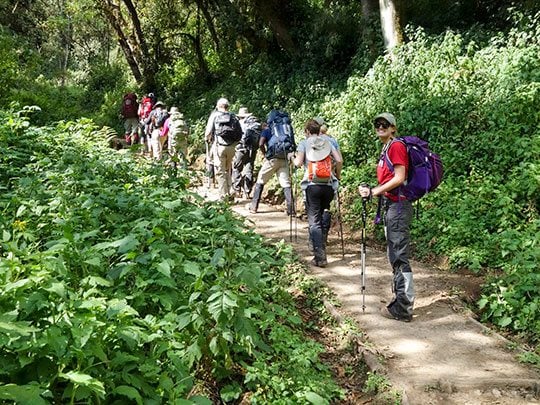
Machame is the classic camping line through rainforest, moorland, and alpine desert, joining iconic ground such as Lava Tower and the Barranco Wall. Porters carry the heavy bags, meals are cooked on the mountain, and camps are chosen for water, shelter, and a measured build-up to Uhuru Peak. You'll walk from Machame Gate to Shira, then the climb-high, sleep-low pattern via Lava Tower and Barranco.
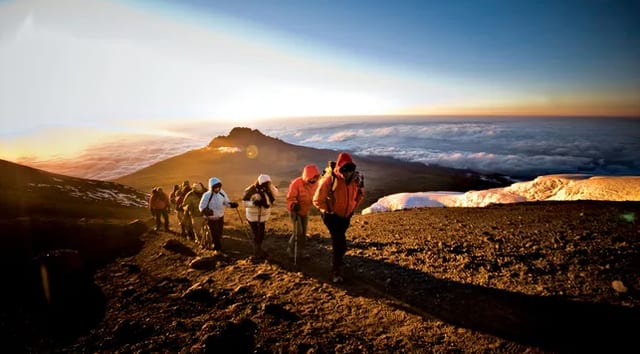
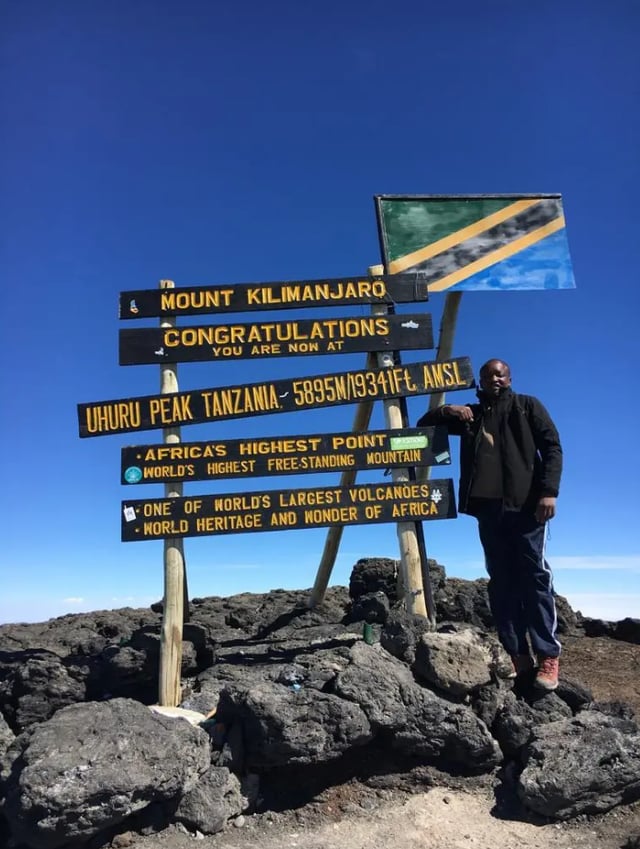
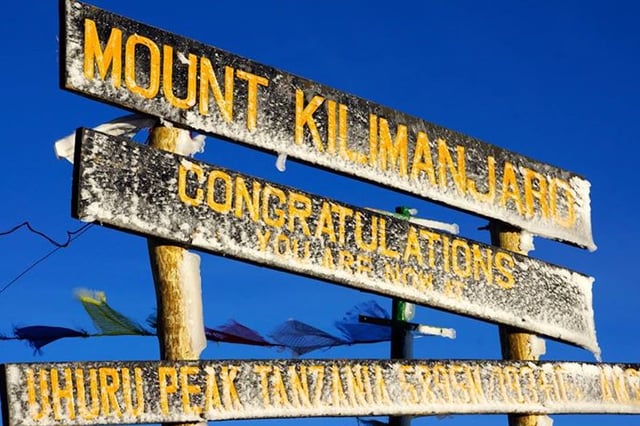
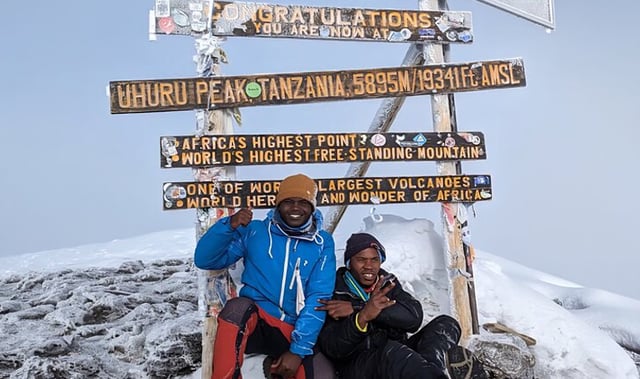
Summit night leaves Barafu for Stella Point and Uhuru Peak, then a long descent to Mweka. Guides trained in altitude safety set the pace. Arusha or Moshi briefings sit at either end of the nine days.
Climbs are delivered by a locally owned Arusha team with multilingual mountain guides trained in altitude safety and first aid. Every itinerary is tailored, and you can talk through kit, pacing, and summit night with the same people who run the trek.
Machame is their classic camping line through rainforest, moorland, and alpine desert, joining iconic ground such as Lava Tower and the Barranco Wall. Porters carry the heavy bags, meals are cooked on the mountain, and camps are chosen for water, shelter, and a measured build-up to Uhuru Peak.
On the mountain, climbers sleep in well-maintained tents provided by the support team. Campsites include foam sleeping pads, pillows, and blankets. Dining tents serve hot meals three times daily, and the support crew manages tent setup and takedown. Campsites are carefully selected for safety, water access, and scenic views.
In Arusha, Maura Apartment offers private rooms with attached bathrooms, hot showers, and comfortable bedding. Pre- and post-trek stays allow climbers to rest, prepare for the climb, and recover afterward. The accommodation complements the trekking experience by providing security, comfort, and easy access to the park gates.
Accommodation on the trek consists of high-quality, durable tents with foam sleeping pads, pillows, and blankets, ensuring a comfortable night’s sleep after long days of trekking. Dining tents provide three meals daily, freshly prepared by the support team, and campsites are selected for safety, water access, and scenic surroundings.
In Arusha, climbers stay at Maura Apartment, with private rooms and bathrooms, hot showers, and comfortable bedding. Pre- and post-trek nights give time to adjust to altitude, relax, and prepare for or recover from the mountain experience. Guides are available to assist with any accommodation-related needs.
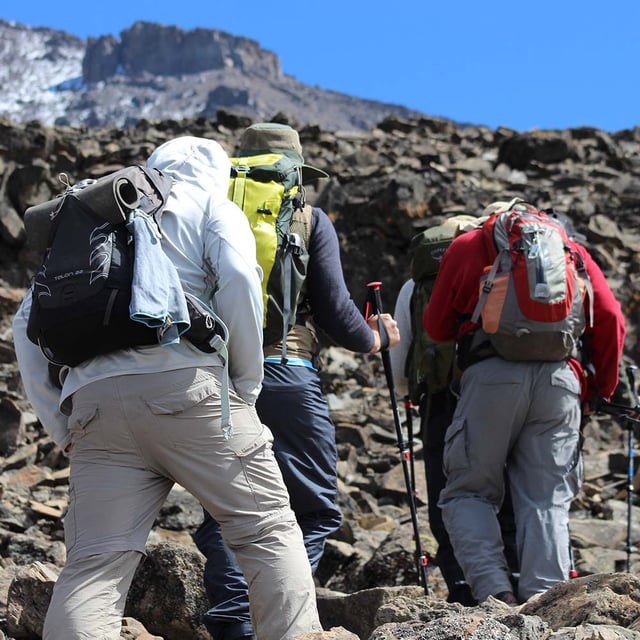
The Machame Route is considered moderately challenging. Daily treks vary from 3 to 7 hours at altitudes of 5,400–19,345 ft, with the summit day being the most demanding. Climbers navigate steep ascents, scree slopes, moorlands, and alpine desert terrain.
Experienced guides manage pacing and acclimatisation, monitor for altitude sickness, and provide support throughout. Porters carry heavy equipment, allowing climbers to focus on the trek. The itinerary includes acclimatisation days to improve summit success and safety.
All meals during the trek are included. Breakfast typically includes porridge, bread, and hot drinks. Lunch offers sandwiches, pasta, or rice dishes with vegetables and protein, while dinner is a hot, balanced meal with soup, starch, protein, and vegetables.
Snacks, fruits, and hot drinks are available between meals, and the team provides boiled water for safe hydration. Special dietary requirements are usually accommodated if notified in advance.
Yes, altitude sickness is a possibility due to the summit reaching 19,345 ft. Symptoms include headache, nausea, dizziness, and fatigue. The itinerary includes acclimatisation days, gradual elevation gains, and rest periods to mitigate risks.
Guides monitor climbers’ condition and adjust pace or altitude if necessary. Emergency oxygen is available on the trek, and climbers are encouraged to report symptoms immediately. The “pole pole” approach—slow and steady—is recommended.
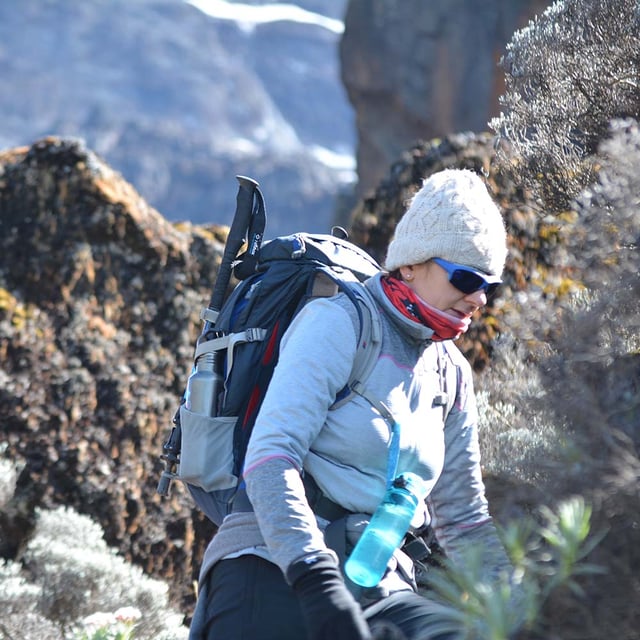
Climbers require sturdy hiking boots, layered clothing for cold, wet, and windy conditions, gloves, hats, and a sleeping bag rated for sub-zero temperatures. Trekking poles, sunglasses, and sunscreen are essential.
The support team provides tents, foam pads, and dining equipment. Some specialised climbing gear is available for rent locally. Guides advise climbers on essential items and check equipment before departure.
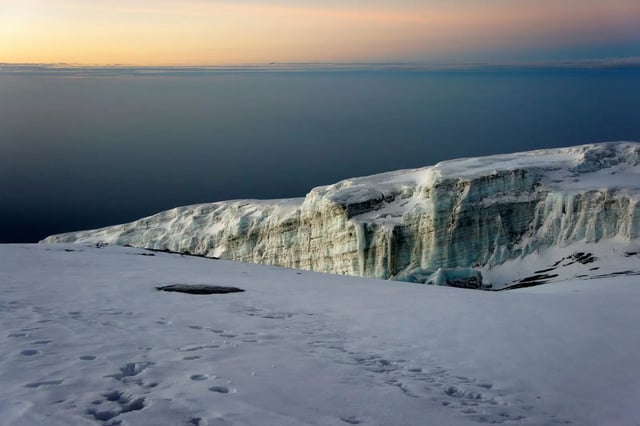
Yes, optional side walks at Shira Plateau, Lava Tower, and Karanga Valley allow for acclimatisation and photography opportunities. Summit day offers optional visits to Furtwangler Glacier and ash pits at Crater Camp.
Guides recommend which excursions are suitable based on fitness and weather conditions. All side trips are carefully supervised to ensure safety while providing additional mountain experiences.
Boiled water is provided at all camps to prevent illness. Meals are prepared under strict hygiene standards by the support team.
Climbers are advised to wash hands regularly and avoid untreated water. Snacks, fruit, and hot drinks are prepared safely each day to maintain energy levels.

About the centre
Kilimanjaro
Operated by Nature Bound Africa, a partner of adventuro.
Kilimanjaro & Arusha, Tanzania
From $5460
Kilimanjaro & Arusha, Tanzania
From $2600