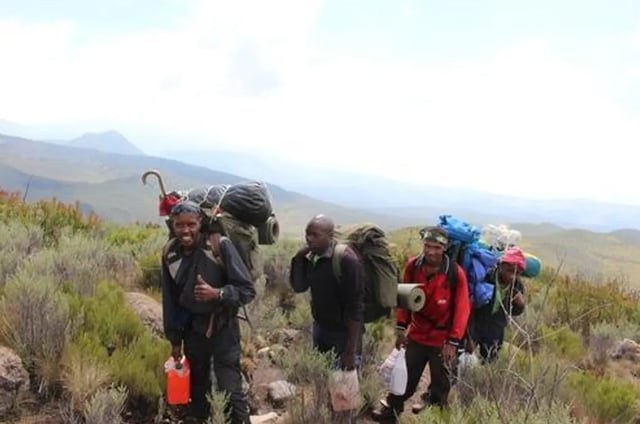
We partner with Rewilding Britain to help protect our natural spaces for future adventures.
All centres are vetted for safety and quality. Your adventure is in good hands with adventuro.
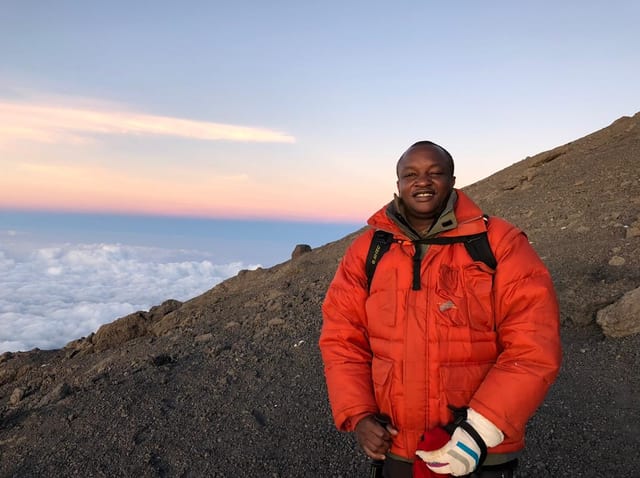
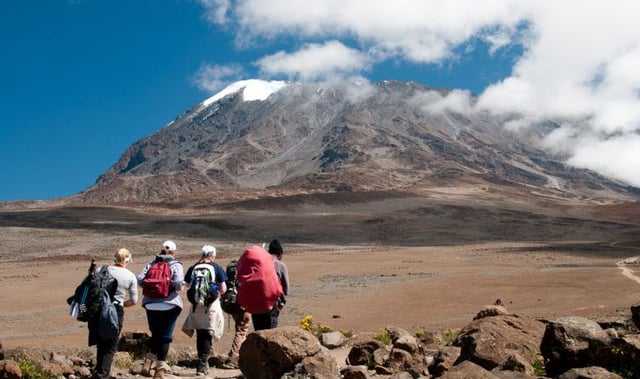
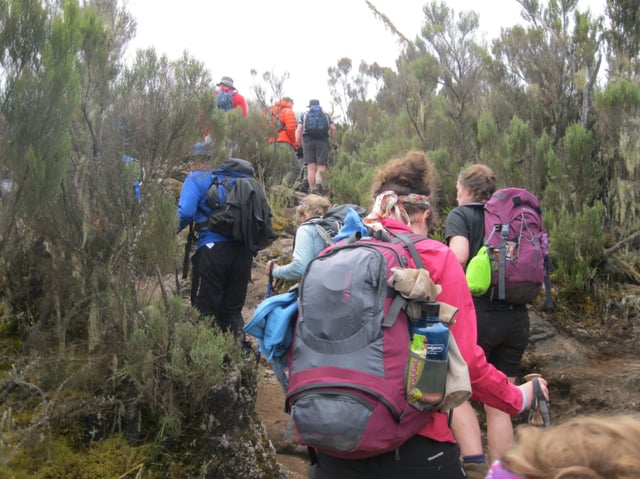
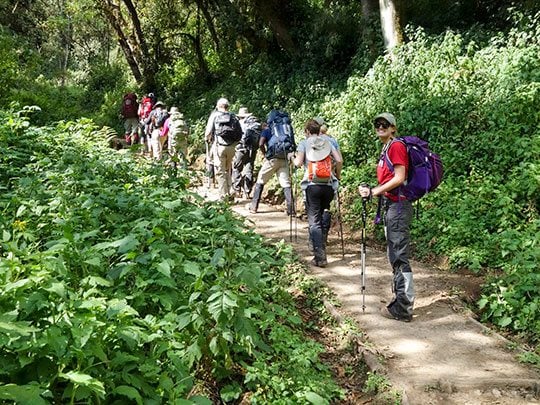
Umbwe is a steep, quieter line that joins Machame for the summit and descends via Mweka. You'll climb a forested ridge quickly into moorland, then traverse below the southern icefields. Experienced guides manage pace and altitude, while porters and cooks carry camp so you can concentrate on the climb.
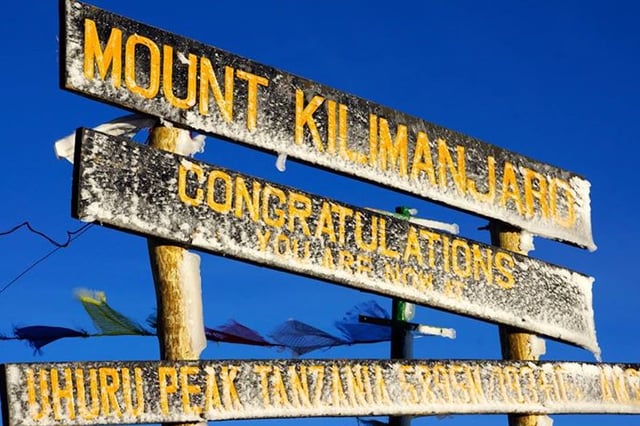
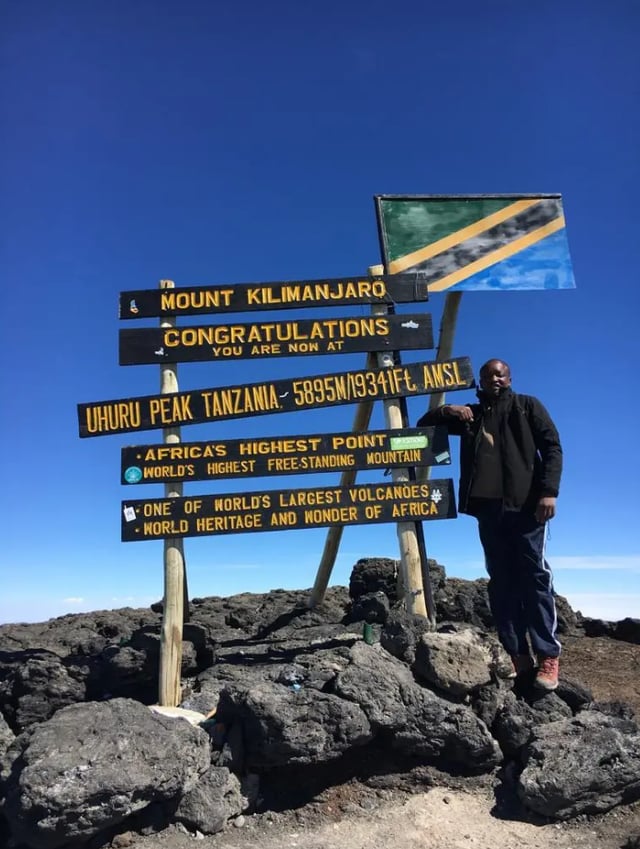
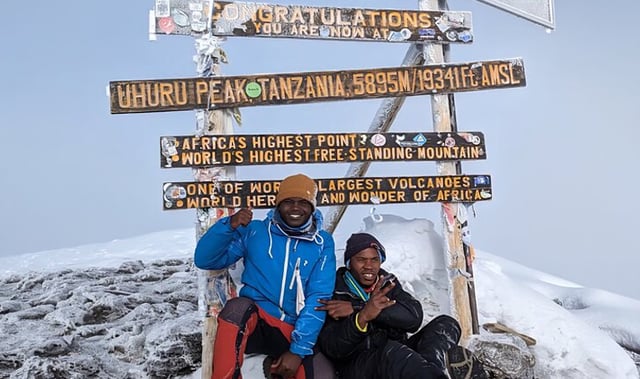
Summit night follows the Barranco and Barafu pattern shared with Machame: Stella Point, then Uhuru Peak, then a long descent. The same team looks after park permits, equipment, and the Arusha nights either side of the trek. This route suits fit walkers who want a direct, less crowded start.
Climbs are planned by a locally owned Arusha team with years of hands-on work across East Africa's mountains, from porter days on Kilimanjaro to running full itineraries. You speak with the people who design the route, not a distant booking desk, and the plan is tailored to your fitness and travel dates.
Umbwe is a steep, quieter line that joins Machame for the summit and descends via Mweka. Experienced guides manage pace and altitude, while porters and cooks carry camp so you can concentrate on the climb. The same team looks after park permits, equipment, and the Arusha nights either side of the trek.
During the climb, accommodation is in tents set up by the support team at designated camps along the route. Each campsite is positioned to support acclimatisation and provide a safe place to rest between trekking days. Meals are prepared by a cook and served in a dedicated dining setup or outdoor area depending on conditions.
Before and after the trek, accommodation in Arusha provides a comfortable environment to prepare for the climb and recover afterwards. This helps break up the journey and ensures you are well rested at both the start and end of the experience.
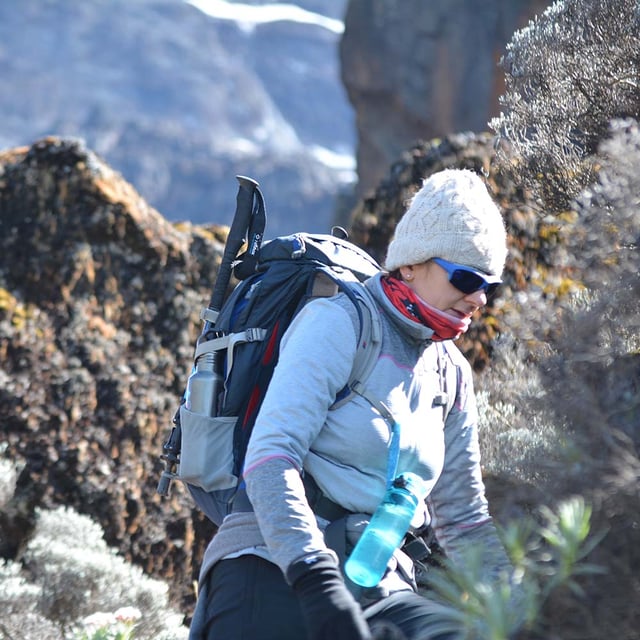
Trekking poles are strongly recommended due to the steep and often slippery sections, particularly in the lower rainforest zone and during the descent. A daypack is also needed for daily essentials.
The Umbwe Route is widely considered one of the most challenging routes on Mount Kilimanjaro due to its steep and direct ascent. It gains altitude quickly, which can make acclimatisation more difficult compared to longer, more gradual routes.
Because of this, it is best suited to fit individuals who are comfortable with sustained uphill trekking and have some experience in mountain environments. The reward is a quieter and more direct path to the summit.
While no technical climbing skills are required, this route is not usually recommended for complete beginners due to its steep gradient and fast altitude gain. It demands a strong level of fitness and mental resilience.
If you are new to high-altitude trekking, a longer route with a slower ascent profile may offer a more comfortable introduction to Kilimanjaro.
This route stands out for its direct approach and lower foot traffic, offering a more remote experience on the mountain. It also passes through multiple climate zones in a shorter timeframe, giving a varied trekking experience.
The early stages are particularly steep, which sets it apart from more gradual routes like Machame or Lemosho.
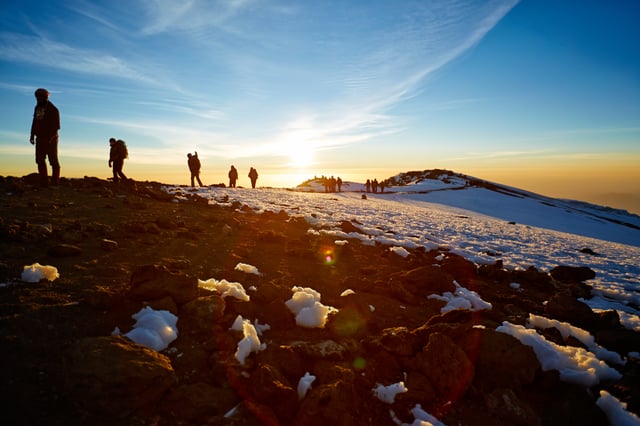
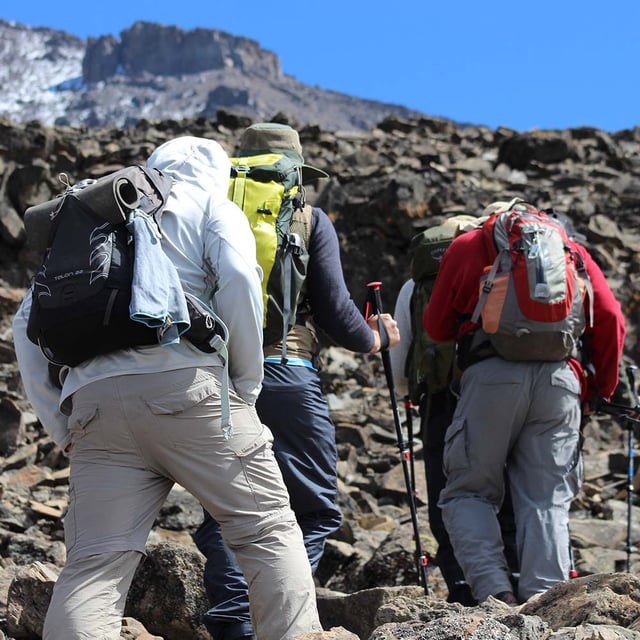
Summit day begins late at night, with a challenging climb over steep scree slopes towards Stella Point. This is often the most physically demanding part of the entire trek due to altitude and fatigue.
After reaching the crater rim, the final stretch to Uhuru Peak is more gradual, allowing time to take in the surroundings before beginning the long descent.
All camps are fully managed by the support team, who set up tents and prepare meals in advance of your arrival. This allows you to focus on trekking and recovery rather than logistics.
Dining is typically in a shared tent or outdoor area, depending on conditions, with hot meals provided throughout the climb.
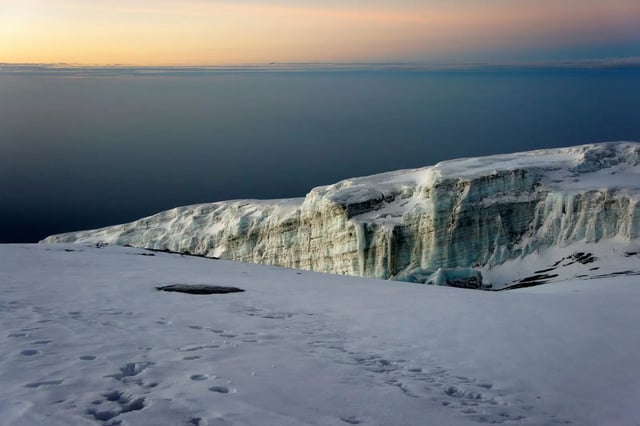
Conditions vary significantly depending on altitude. Lower sections are warm and humid, while higher camps can be cold, especially at night. The summit area is often below freezing.
You should be prepared for rapid weather changes, including rain in the forest and cold winds higher up the mountain.
Although the route is steep, the itinerary includes key stops to help with acclimatisation. Guides monitor your condition closely and adjust pace where needed.
Staying hydrated, eating well, and maintaining a steady pace are essential for managing altitude effectively on this route.
The climb includes a full support team of guides, porters, and a cook. They handle equipment transport, meal preparation, and camp setup throughout the trek.
This level of support allows you to concentrate fully on the climb while knowing that logistics are being handled professionally.

About the centre
Kilimanjaro
Operated by Nature Bound Africa, a partner of adventuro.
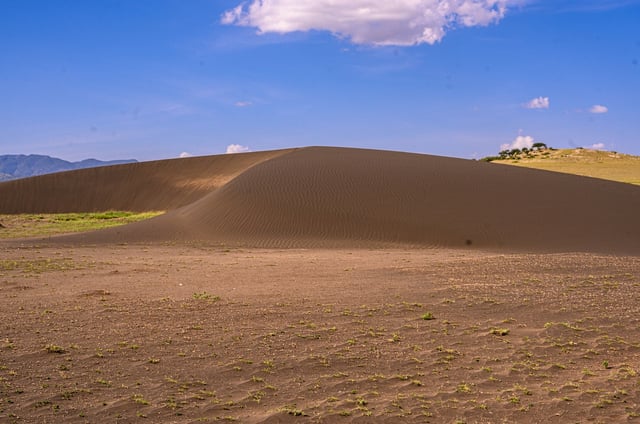
Kilimanjaro & Arusha, Tanzania
From $5460
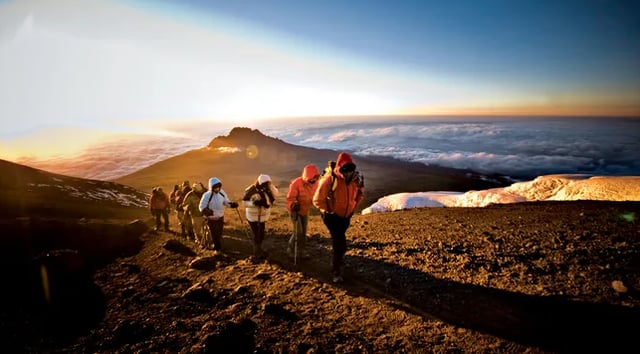
Kilimanjaro & Arusha, Tanzania
From $2600