We partner with Rewilding Britain to help protect our natural spaces for future adventures.
All centres are vetted for safety and quality. Your adventure is in good hands with adventuro.
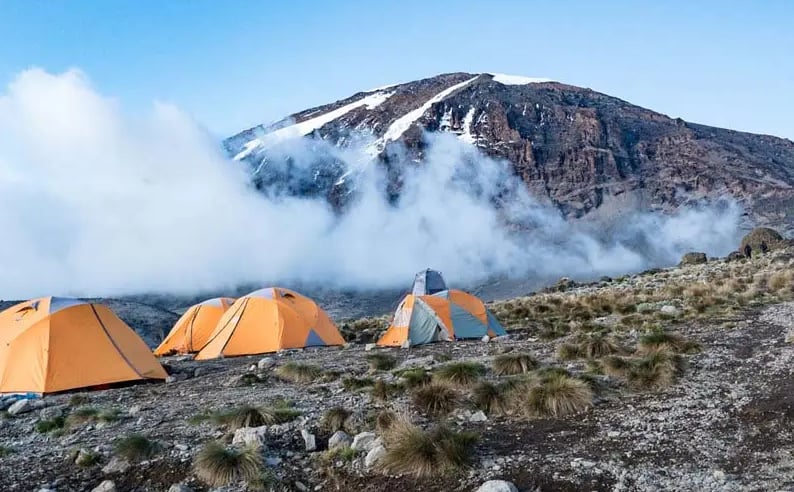
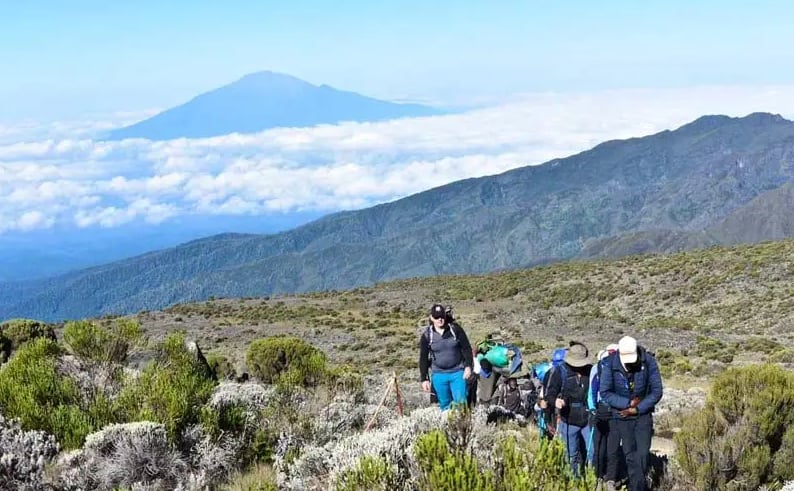
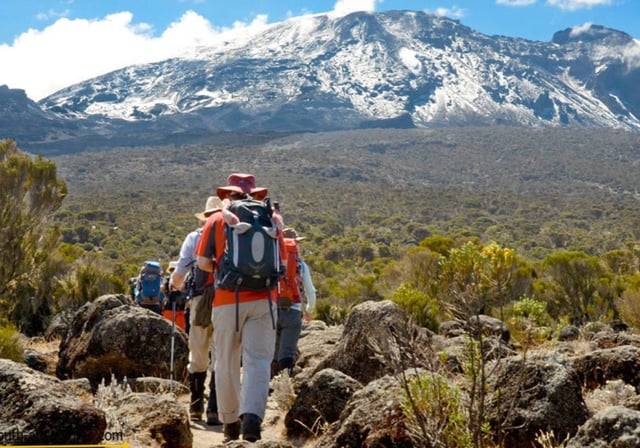
This seven-day Kilimanjaro trek gives you the flexibility to choose between three of the mountain’s most established routes, each offering a different experience on Africa’s highest peak. Whether you prefer the quieter and more gradual Lemosho Route, the varied and popular Machame Route, or the remote northern approach of the Rongai Route, each option has been designed to provide a balanced and well-paced climb.
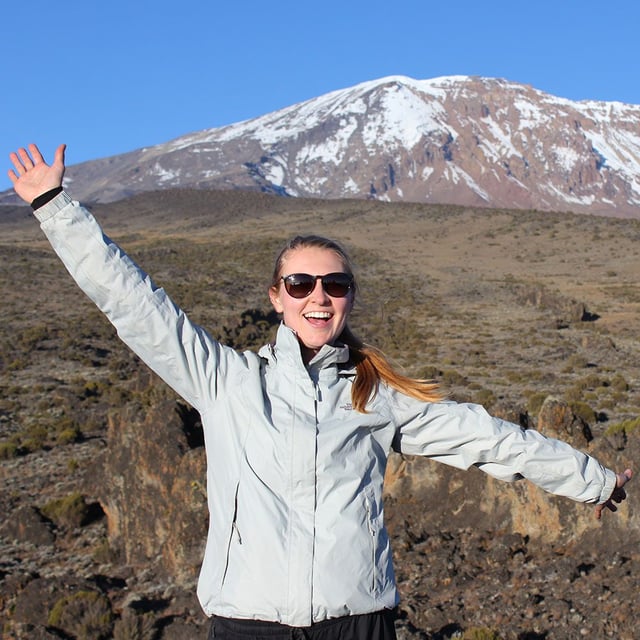
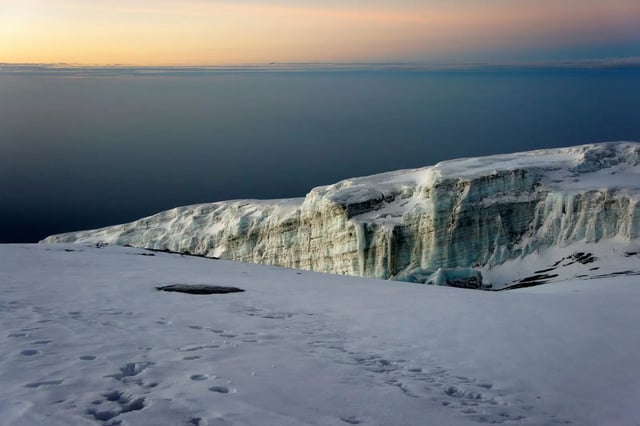
Throughout the trek, you move through a range of environments, from dense rainforest at the base to high-altitude alpine desert and eventually the summit zone. Each route follows a carefully planned acclimatisation strategy, helping your body adjust to the altitude while giving you time to take in the surroundings and manage the physical challenge.
Support is provided every step of the way, with experienced guides monitoring your progress and a full crew handling camp setup, meals, and logistics. This allows you to focus on the climb itself, knowing that everything behind the scenes is taken care of for a smooth and well-managed experience.
Starting on the western side of the mountain, this route is known for its quieter trails and wide, open scenery. It offers one of the best acclimatisation profiles, with a gradual ascent that improves summit success rates while giving you more time to adjust to the altitude.
This route is one of the most widely chosen options due to its combination of varied landscapes and strong acclimatisation structure. It includes steeper sections and well-known features like the Barranco Wall, offering a more physically engaging climb.
Approaching from the north near the Kenyan border, this route is typically less crowded and follows a steadier incline. It’s a good option for those looking for a quieter experience and tends to be drier than the southern routes.
The team brings extensive experience in leading Kilimanjaro treks, with a strong focus on safety, preparation, and consistent support throughout the climb. Guides are trained to monitor altitude closely, helping you maintain a steady pace and making informed decisions at each stage of the journey.
Attention is given to every detail, from well-organised camps to reliable equipment and meals that support long trekking days. There is also a commitment to responsible tourism, ensuring local crews are supported and the mountain environment is respected, while still delivering a well-structured and memorable climbing experience.
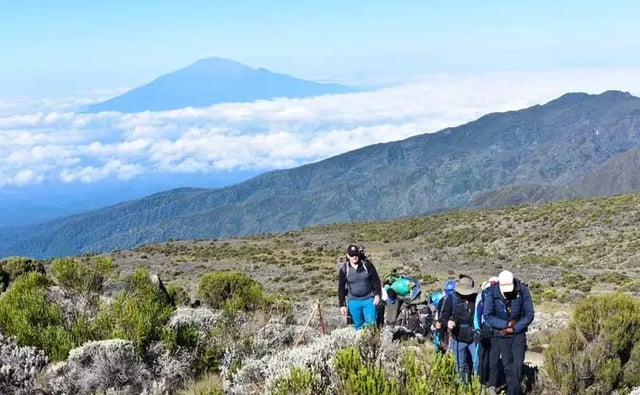
The trek begins with a drive to the western side of the mountain, where you start in dense rainforest. Early days are designed to ease you into the climb, with shorter hikes and gradual elevation gain. As you move higher, the landscape opens into moorland and the Shira Plateau, offering wide views and a clear sense of the mountain’s scale.
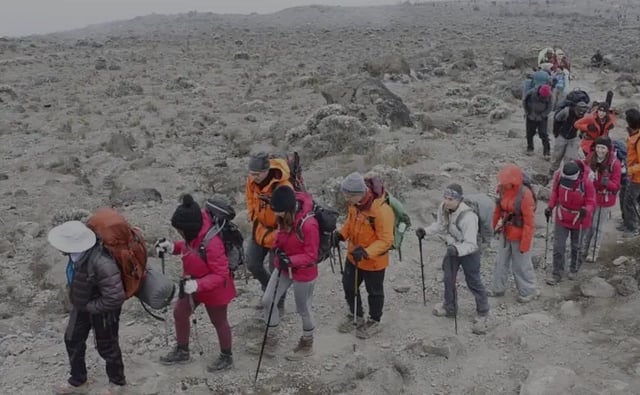
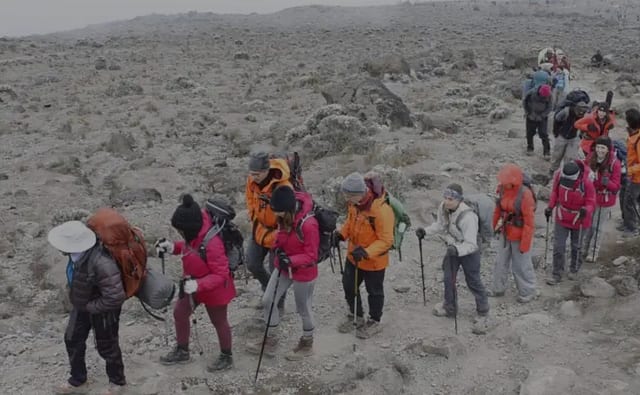
Midway through the route, you follow a climb-high-sleep-low approach, heading up to higher altitudes before descending to camp. This is key for acclimatisation and helps your body adapt to the thinner air. You’ll pass volcanic formations, cross valleys, and climb the Barranco Wall, which, while steep, is manageable and rewarding.
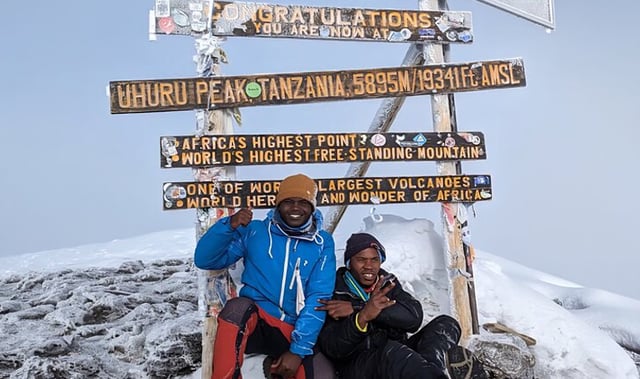
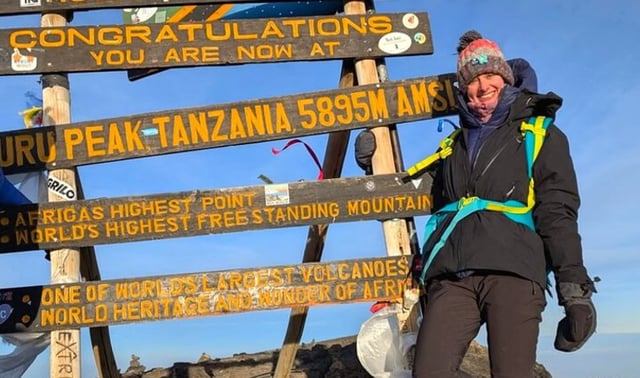
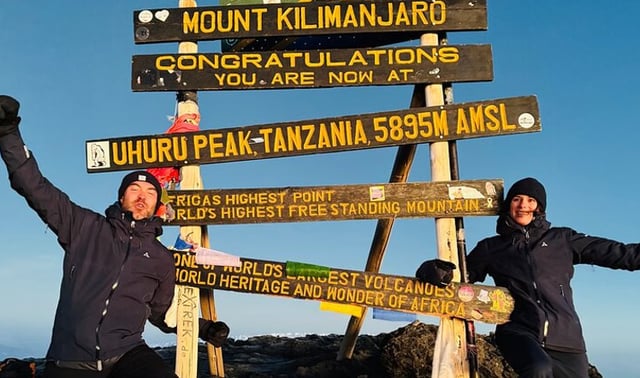
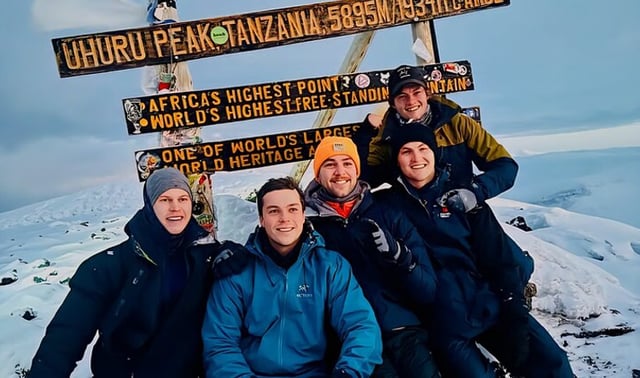
The final stretch takes you to base camp, where you rest before a midnight summit attempt. The climb to Uhuru Peak is slow and steady, reaching the summit at sunrise before descending back through changing terrain to the lower camps and eventually the exit gate.
Beginning in lush rainforest, the Machame Route quickly transitions into steeper terrain as you climb into moorland. This route is known for its variety, with each day bringing noticeable changes in landscape and elevation. The trail includes ridgelines, open plateaus, and panoramic viewpoints across the mountain.
A key feature of this route is its acclimatisation strategy, where you climb to higher elevations during the day and descend to sleep at a lower altitude. This approach helps your body adjust more effectively and increases your chances of reaching the summit. The Barranco Wall is a highlight, offering a hands-on climb with wide views once you reach the top.
As with the other routes, you reach base camp before beginning the summit push around midnight. The final ascent is challenging, but reaching the summit at sunrise makes the effort worthwhile. Afterward, you descend through multiple zones, eventually returning to the forested lower slopes.
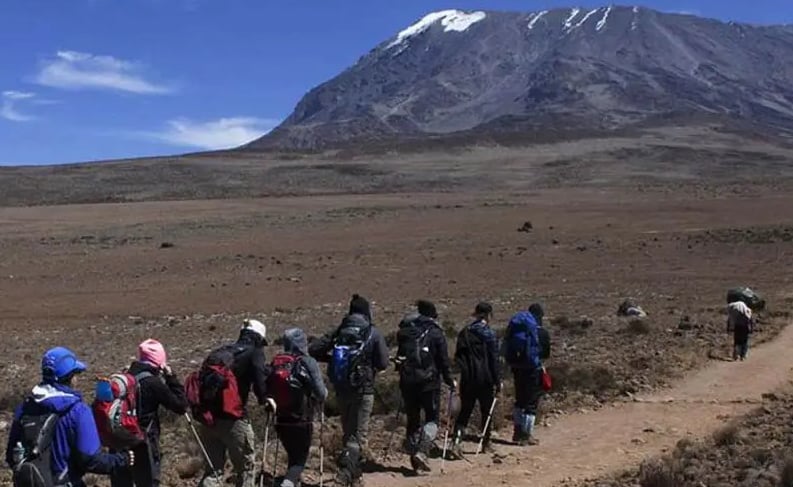
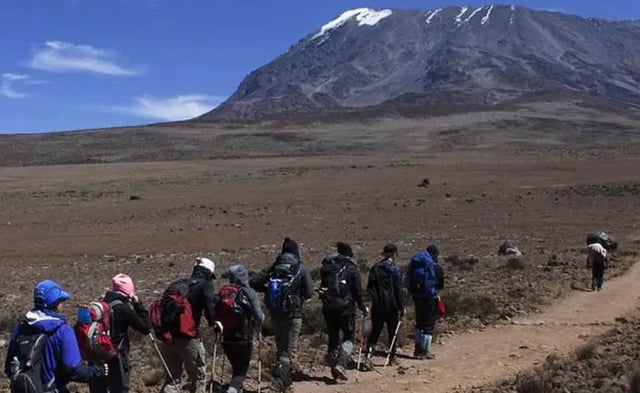
The Rongai Route begins on the northern side of the mountain, offering a quieter and more gradual climb. Early days take you through open woodland and moorland, with fewer trekkers on the trail and clear views across the surrounding plains.
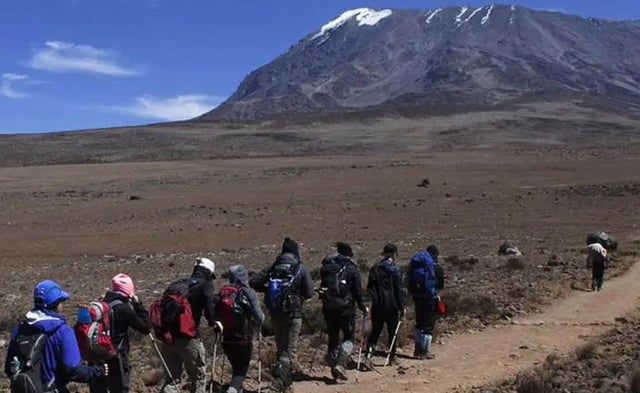
The route maintains a steady incline, making it a good option for those who prefer a more consistent pace. As you climb higher, the terrain becomes more rugged, with rocky paths and alpine desert landscapes. You’ll also pass close to Mawenzi Peak, one of Kilimanjaro’s distinct summits.
After reaching base camp, the summit attempt begins at night, following a long and steady ascent to Uhuru Peak. The descent follows a different route, allowing you to experience another side of the mountain before completing the trek at the exit gate.
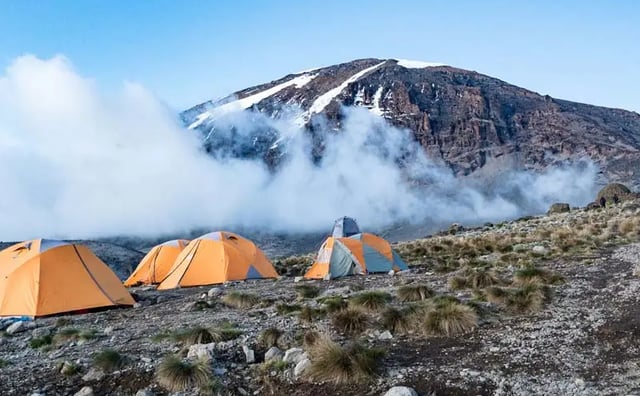
During the trek, you will stay in mountain tents at designated camps along the route. These camps are set up by the support team each day, providing a consistent place to rest as you move up the mountain.
At higher elevations, conditions become colder and more exposed, so proper equipment is important for comfort. Before and after the trek, accommodation can be arranged in Moshi or Arusha if required, giving you time to prepare and recover.
Each route offers a different balance of scenery, difficulty, and crowd levels. Lemosho is ideal if you want a quieter route with excellent acclimatisation, Machame suits those looking for varied terrain and a more active climb, and Rongai works well if you prefer a steadier, less crowded approach.
Your decision should also consider the time of year and your personal preference for trail conditions. Speaking with an expert before booking can help match the route to your experience level and expectations.
The trek is physically demanding, with long days of hiking and increasing altitude. While no technical climbing skills are required, endurance and mental resilience are important for completing the route.
Altitude is the biggest challenge rather than the terrain itself. A steady pace, proper acclimatisation, and support from guides play a key role in reaching the summit.
Previous trekking experience is helpful but not essential. Many people attempt Kilimanjaro as their first high-altitude trek and successfully reach the summit with the right preparation.
Training beforehand, including long walks and some elevation gain, will make the experience more manageable and enjoyable.
Summit night begins around midnight and involves a slow, steady climb in cold and dark conditions. Head torches are used to guide the way as you move towards the crater rim.
Reaching the summit at sunrise is the highlight, but the climb is challenging both physically and mentally. After reaching the top, you begin a long descent to lower altitude.
Guides monitor your health throughout the trek and are trained to recognise symptoms early. Daily checks help track how your body is adjusting to the altitude.
If symptoms worsen, the team will decide whether to pause or descend. Safety always comes first, and plans are adjusted accordingly.
Meals are prepared by a dedicated cook and are designed to provide energy and nutrition for long trekking days. You can expect a mix of hot meals, snacks, and drinks throughout the trek.
Dietary requirements can usually be accommodated if requested in advance, ensuring you have suitable options each day.
The best times to climb are during the dry seasons from January to mid-March and from June to October. These periods offer more stable weather and clearer conditions for trekking.
The rainy seasons in April, May, and November can bring slippery trails and reduced visibility. However, routes like Rongai are often drier and can still be a good option during these times.
Accommodation on the mountain is in camping tents set up at designated camps along the route. These are organised by the support team, so you arrive each day to a prepared campsite with sleeping arrangements ready.
Facilities are basic, and conditions become colder at higher altitudes. Before and after the trek, accommodation in Moshi or Arusha can be arranged separately if needed for added comfort.
Prices typically start from around $2000 per person, but this is a rough estimate. The final cost depends on factors such as group size, level of support, route choice, and time of year.
For an accurate price, it’s best to request a personalised quote using the booking form. This ensures the trip is tailored to your needs and preferences.
About the centre
Moshi, Tanzania
Operated by Tanzania Migration Safaris and Travel, a partner of adventuro.
Kilimanjaro & Arusha, Tanzania
From $2600
Kilimanjaro & Arusha, Tanzania
From $2800
Kilimanjaro & Arusha, Tanzania
From $2800
Kilimanjaro & Arusha, Tanzania
From $850