We partner with Rewilding Britain to help protect our natural spaces for future adventures.
All centres are vetted for safety and quality. Your adventure is in good hands with adventuro.
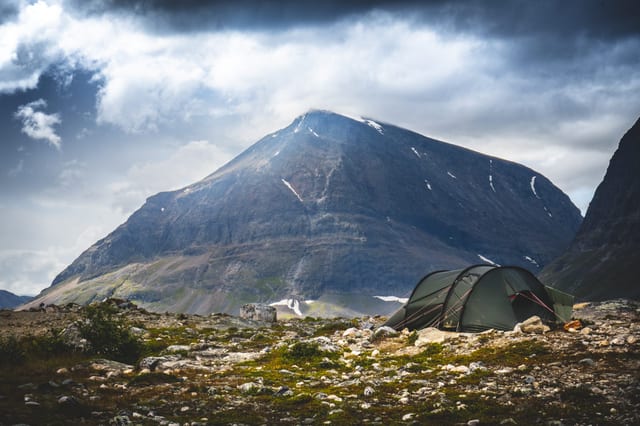
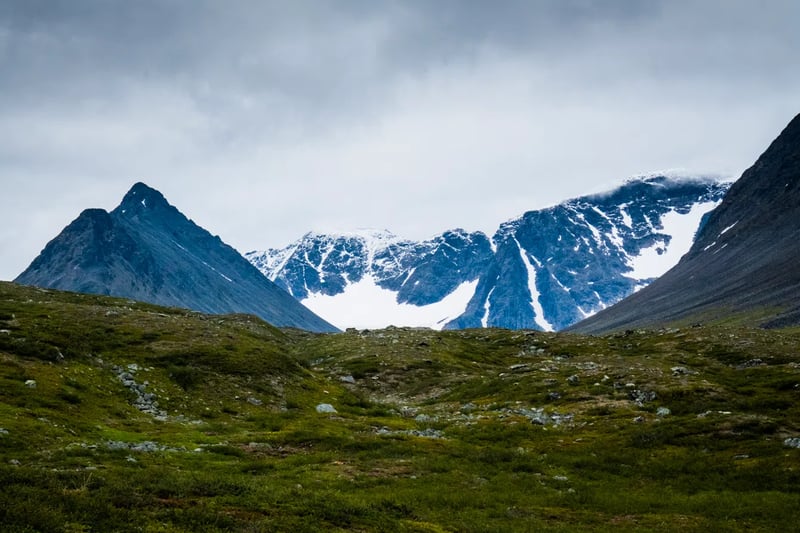
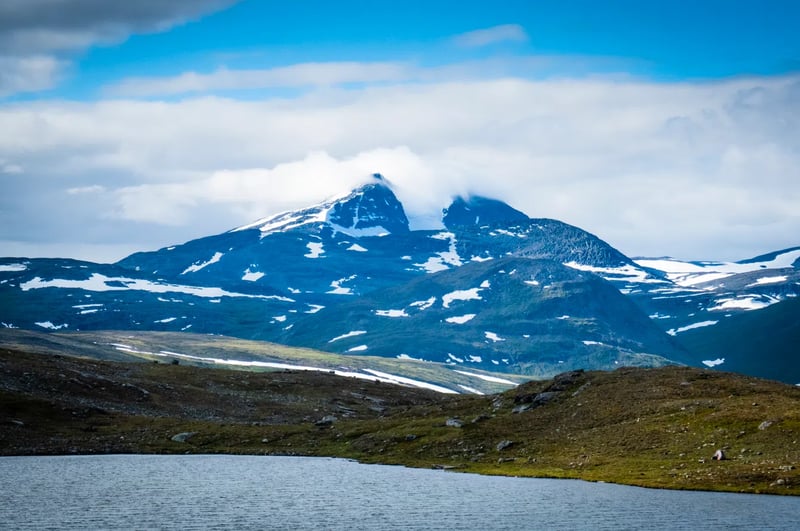
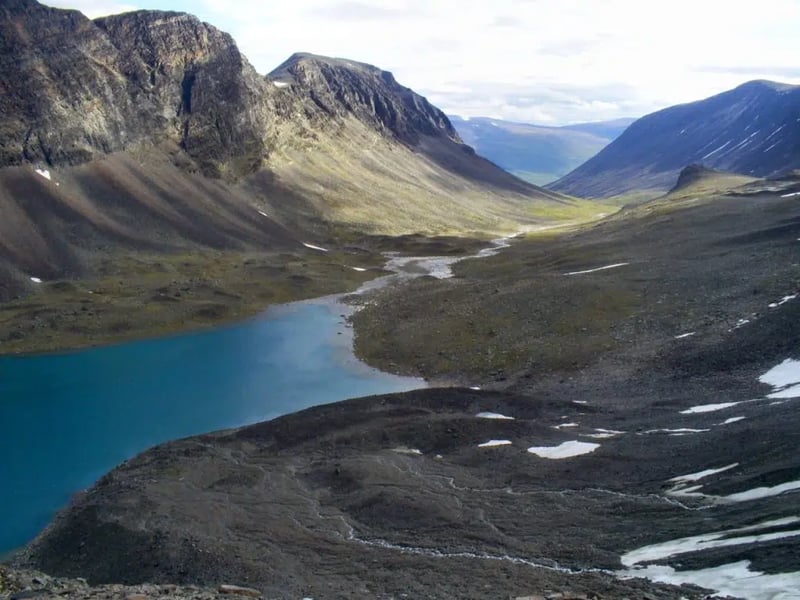
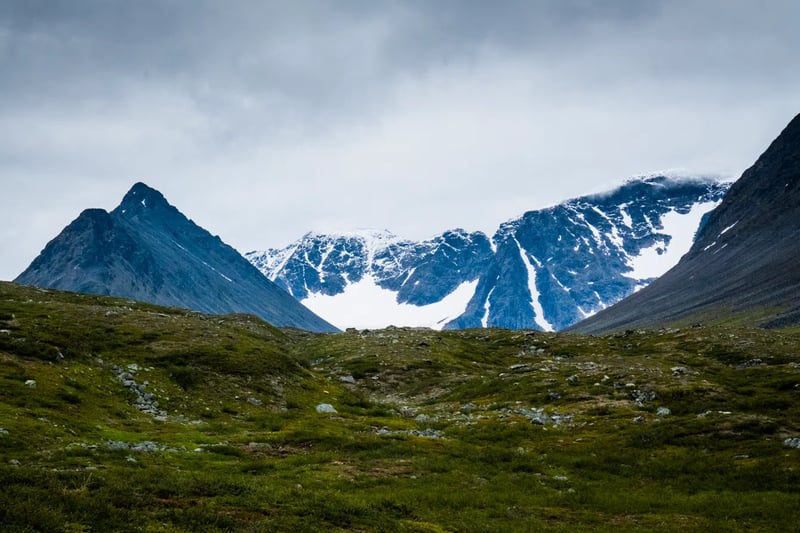
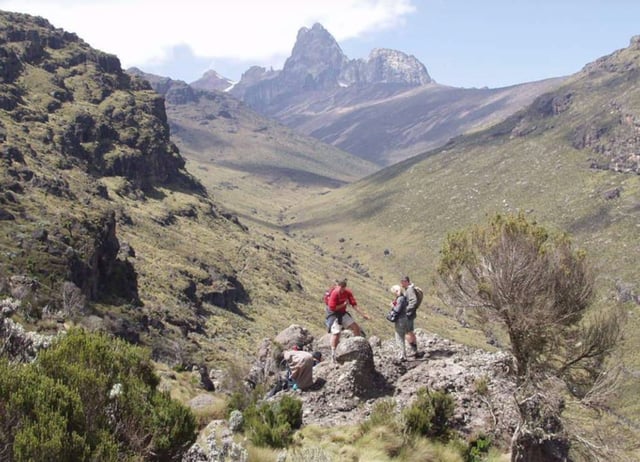
Ideal for those who seek high-altitude hiking with glacier views, this 7-day trek covers roughly 110 km around Kebnekaise. Participants will experience dramatic mountain landscapes, visit over 20 glaciers, and explore alpine terrain while practising navigation and team-building skills.
Day 1 begins with a meeting at Nikkaluokta, where introductions and an overview are followed by an 18 km hike towards Kebnekaise mountain station. The terrain is mainly flat, offering views of iconic peaks. Participants set up tents and enjoy dinner at the station’s restaurant, preparing for the days ahead.
On Day 2, the group climbs into the Skarta massif with significant altitude gain. There’s time for map and compass practice if visibility allows. The day ends near peaceful ponds with panoramic views in a less-frequented area.
Day 3 involves a gentler hike of 15 km towards Sälkastugorna through Tjäktavagge valley, passing peaks and glaciers while learning about glacier history and future. The campsite offers views of twin peaks Madir and Madirtjåkka.
After breakfast at Sälkastugorna on Day 4, supplies can be replenished before heading northeast towards Nallo. The terrain becomes more alpine, and discussions include altitude sickness, relevant for those interested in higher mountain expeditions.
Day 5 is flexible; participants may hike around Nallo mountain, getting close to the Tjäktjatjåkka glacier, or rest in camp. Later, the group moves south to Unna Reitasvaggi to prepare for the next day’s challenges.
Day 6 covers the three-pass trail, a demanding 13.5 km route with about 1100 metres of elevation gain. Steep and rocky sections test endurance, but the reward includes impressive alpine views and arrival at Tarfalastugan cabin, featuring beds and a sauna.
The final day, Day 7, follows a scenic descent through Tarfaladalen, passing the icefall glacier and Storglaciären before heading back to Nikkaluokta. The day ends with a boat crossing and reflections on the journey.
Please note that the itinerary may be adjusted due to weather and other conditions.
The trek takes place in the Kebnekaise region of northern Sweden, known for its high mountain peaks and vast glaciers. Starting from the village of Nikkaluokta, the route circles the Kebnekaise massif, Sweden’s highest mountain, and includes parts of the famous Kungsleden trail.
The area is characterised by alpine terrain with rocky ridges, glacier fields, and valleys, offering remote wilderness experiences. This region is popular among hikers and mountaineers, providing a mix of challenging ascents and scenic landscapes.
Accommodation is varied, including nights spent camping in tents and a stay at the Tarfalastugan mountain cabin with basic facilities and a sauna. On the first night, participants stay at Kebnekaise mountain station where meals and rest are provided indoors.
Participants should be prepared for camping in mountain conditions for most of the trip, bringing their own suitable gear or arranging rental equipment in advance.
This trip demands good physical fitness and experience with long days of hiking in mountain terrain. Participants should be comfortable with rocky and uneven paths, carrying their own pack, and prepared for variable weather conditions.
No specialised skills are required, but basic navigation experience is helpful. Those with a severe fear of heights should consider the nature of some steep and exposed sections before booking.
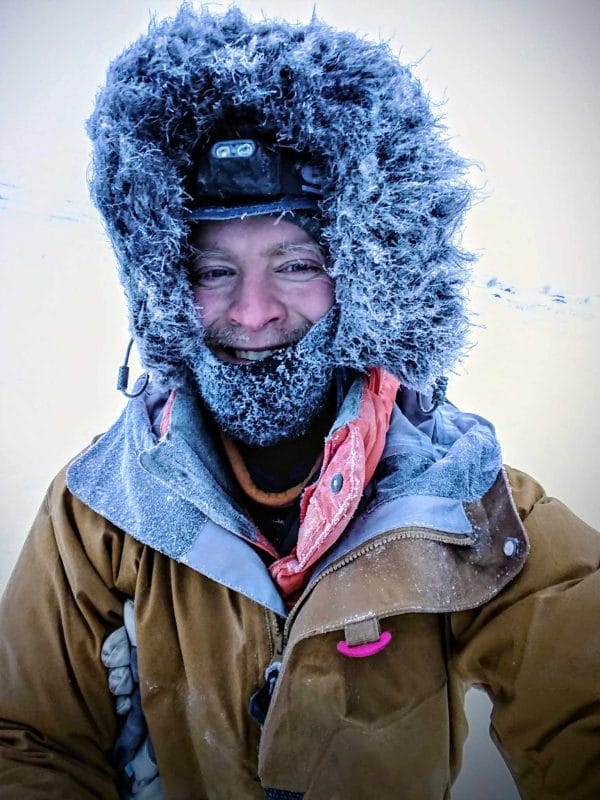
The guide leading the tour is an experienced mountain professional with qualifications including a Mountain Guide certification [SFLO], Nature Guide SLAO, and first aid training in terrain. With a background working in the reindeer industry and extensive Nordic outdoor experience, the guide brings a deep respect for the environment and a strong focus on safety.
Sustainable tourism and respectful communication with local communities form the core of the guiding philosophy. The guide’s personal experience includes a 1323 km solo trek through the Swedish and Norwegian mountain range, reflecting a genuine passion for mountain environments and authentic travel experiences. Each trip is carefully planned to balance safety with memorable adventure.
The levels shown on trips and courses reflect the organiser’s own grading system based on the demands of each specific activity. They are not meant to compare one activity type against another—for instance, a “medium” grade on a climbing session might still involve more intense physical effort than a “demanding” hiking trip. Each rating considers the typical conditions of that activity, including how long participants are active each day, what the terrain is like, how many days the trip runs, and the pace expected from the group.
Rather than being about technical difficulty or required skills, these levels are more about overall physical commitment. A participant might not need advanced ability, but they should be comfortable with the general demands outlined in the trip description. It’s always a good idea to read through the itinerary and contact the organiser with any questions about whether a trip is suitable, especially if someone is unsure where they fit within the scale.
Yes, people with allergies or dietary requirements are more than welcome to join. When filling in the booking form, there is space to mention any specific dietary needs or health conditions that the organisers should be aware of. Alternatively, these details can be sent separately by email, ideally well ahead of the trip so that there’s time to prepare accordingly.
The organiser makes every effort to accommodate these requests, whether it’s food preferences, allergies, or intolerances. On multi-day trips especially, meals are often planned in advance, so early communication helps make sure everyone is catered for properly. The aim is for every guest to enjoy the experience fully without having to worry about food or health concerns along the way.
When poor weather is forecast or arrives unexpectedly, the organiser's first approach is always to adapt rather than cancel. This might involve choosing a more sheltered route, adjusting the itinerary to avoid exposed areas, or shifting the timing to get the best possible conditions. Mountain weather can change rapidly, so a degree of flexibility is always built into the trip plans.
Only in cases where the weather creates a genuine safety risk—such as storms, high winds, or flooding—would cancellation be considered, and this is treated as a last resort. In those rare situations, guests will be contacted to agree on a suitable new date for the trip. Staying safe is the priority, but the goal is still to deliver a memorable and enjoyable experience wherever possible.
Private tours for individuals or small groups are absolutely possible. These are ideal for those who prefer a more tailored experience or want to move at their own pace. Anyone interested can reach out through the adventuro chat below or use the contact form to start planning a trip that fits their preferences and schedule.
Once a request has been received, the organiser will provide a personalised quote and suggest route options or activity ideas based on availability. Private bookings can usually be adapted to suit particular interests, fitness levels or time constraints, making them a flexible and popular option for couples or solo travellers.
Please contact us via the adventuro chat below to arrange this.
Arriving on time is the responsibility of each participant, and most activities run to a fixed schedule that cannot be delayed once underway. In some cases, the group may be able to wait a short time, but this is not guaranteed. If a guest misses the designated start time and the group has already departed, it’s likely they won’t be able to join later or receive a refund.
However, if someone knows in advance that they might be delayed, they’re encouraged to get in touch as early as possible. While nothing can be promised, the organiser will do their best to help where they can—this could include joining at a different meeting point or shifting the plan slightly if others in the group are flexible. Communication is key, especially on the day of the activity.
This hike is demanding and covers long distances over varied, sometimes rocky terrain. Participants should have good basic fitness and experience with multi-day hiking in mountain environments. You’ll be carrying a backpack, often on uneven paths, so being comfortable with sustained physical effort is important. While no technical climbing skills are needed, endurance and stamina are essential to keep up with the daily distances and elevation gain.
If you are new to mountain hiking or have limited experience, it’s recommended to train in advance with longer hikes carrying a pack. Familiarity with walking on uneven or rocky ground will help prevent injury and increase enjoyment. The guide will provide coaching and preparation advice before the trip to help you get ready.
Participants need to bring suitable mountain hiking gear, including a backpack (40–60 litres), tent (which can be rented or shared), sleeping bag rated for around 0°C, and sleeping mat with good insulation. You should have sturdy, broken-in hiking boots with terrain soles and appropriate clothing layers for wind and waterproof protection.
An outdoor kitchen setup is necessary to prepare at least one hot meal per day, plus utensils like a spoon or spork, bowl, and saucepan. Other essentials include water bottles to carry at least 1 litre, a small first aid kit, repair kit, sun protection, gloves, and navigation tools like map and compass. A full detailed packing list will be provided before departure to ensure nothing is missed.
No specialised navigation or technical mountaineering skills are required for this trek. Basic map and compass skills are helpful and will be practiced during the trip, but the guide will lead all route finding and provide instruction as needed. The route stays mostly on marked trails or well-established paths.
Some sections involve rocky and uneven terrain, but there is no technical climbing or use of ropes. Participants should be comfortable moving confidently over rough ground and some steep ascents or descents. The guide’s focus is on safety, ensuring everyone is supported and the group moves at a suitable pace.
On the first night, dinner and breakfast are provided at Kebnekaise mountain station. For the rest of the trip, participants bring their own food for lunches and dinners, although it is possible to restock supplies at Sälkastugorna on Day 4.
Lunch breaks tend to be short, between 30 and 60 minutes, so easily prepared or no-cook lunches are recommended. The guide suggests simple meals like flatbread or cold snacks for lunch and hot meals for dinner using the outdoor cooking setup. Participants should be comfortable preparing their own meals in a mountain environment. Detailed advice and meal planning support will be offered before the trip.
Accommodation varies between camping in tents and staying in mountain huts. The first night is spent at Kebnekaise mountain station with indoor facilities, including a restaurant. Most nights will be camping in tents, either your own or rented, in designated sites along the route.
On Day 6, the group stays at Tarfalastugan cabin, which offers beds and a sauna, providing a comfortable break before the final day. Participants should be prepared for basic mountain accommodation and bring all necessary camping gear unless renting. The guide ensures campsites are safe and in scenic locations to enhance the experience.
Cataluña (Catalonia), Spain
From £1350
About the centre
Kiruna, Sweden
Operated by Fjällkloka äventyr, a partner of adventuro.
Middle Norrland (Mellersta Norrland), Sweden
From £290