
We partner with Rewilding Britain to help protect our natural spaces for future adventures.
All centres are vetted for safety and quality. Your adventure is in good hands with adventuro.
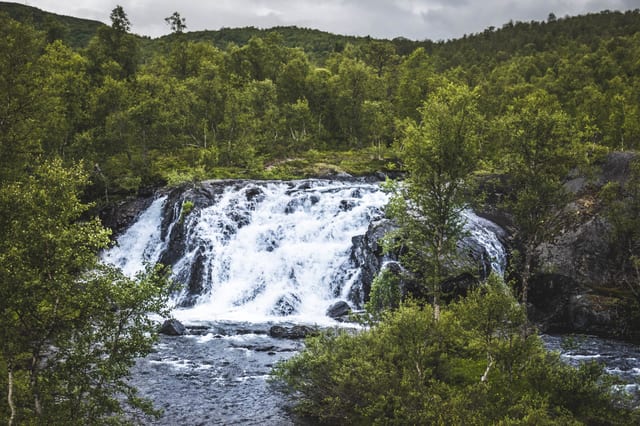
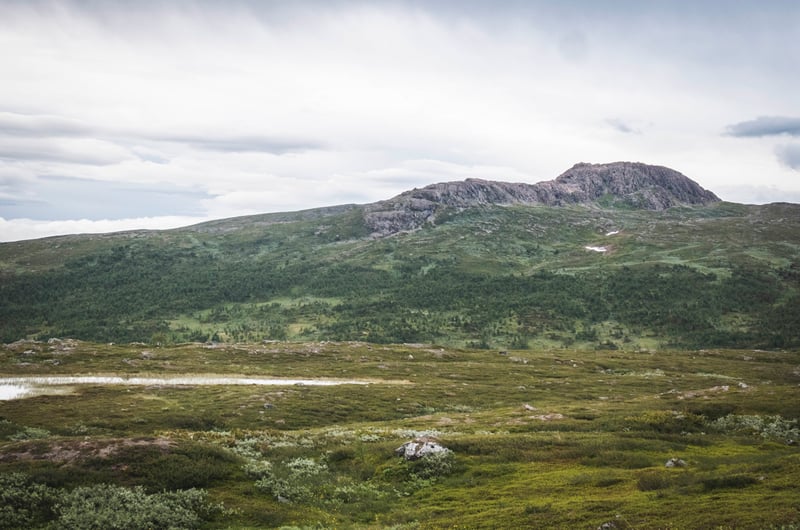
Combining mountain walking with Sami culture, history and nature, this four-day trek crosses the borderlands between Sweden and Norway. Travelling through mountain birch forests and bare peaks, participants learn about local traditions alongside the natural environment while camping each night. The route offers physical challenge and cultural insight for those aged 18 and over.
Day 1 starts in the evening at Kittelfjäll where the group meets before transferring by minibus to Skalmodal, the trailhead. After setting up camp, a barbecue dinner around the fire gives time to introduce the hike and share expectations.
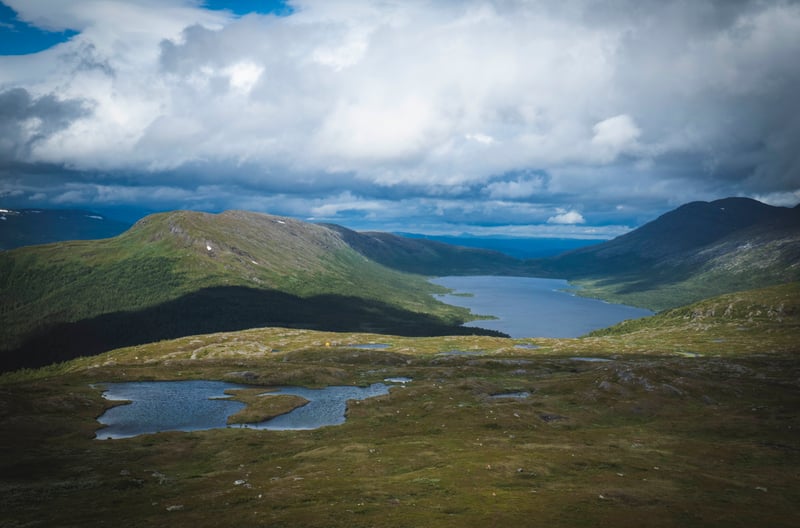
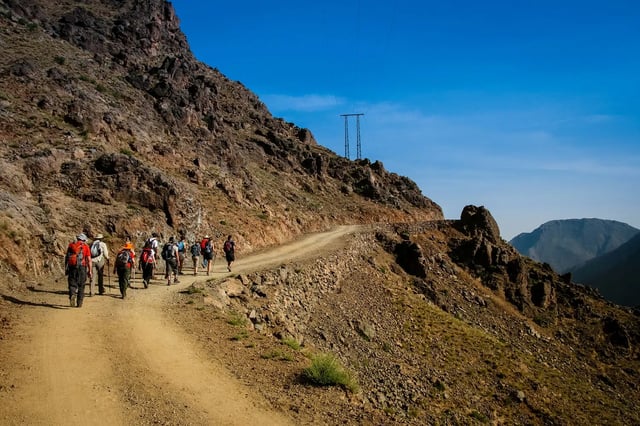
On Day 2, following breakfast and a briefing, the walk begins with a steady climb up the Lapland Trail towards Skaalmavaartoe ridge. Scenic views accompany breaks including a stop at the national border for coffee and a talk on how the landscape was formed. The afternoon features climbing Stoere Tjåhke mountain, reaching around 1100 metres, then descending to camp beside Lake Arevattnet.
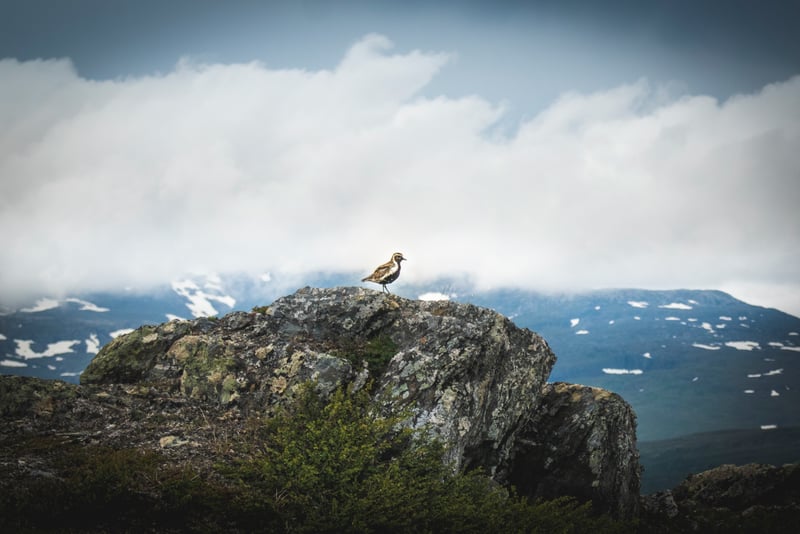
Day 3 opens with a discussion on the plants and wildlife encountered so far. The trek proceeds north through bare mountains, approaching Atoklimpen, a sacred Sami mountain within Sweden’s only Sami cultural reserve. The group camps nearby, sharing dinner and stories in the quiet wilderness.
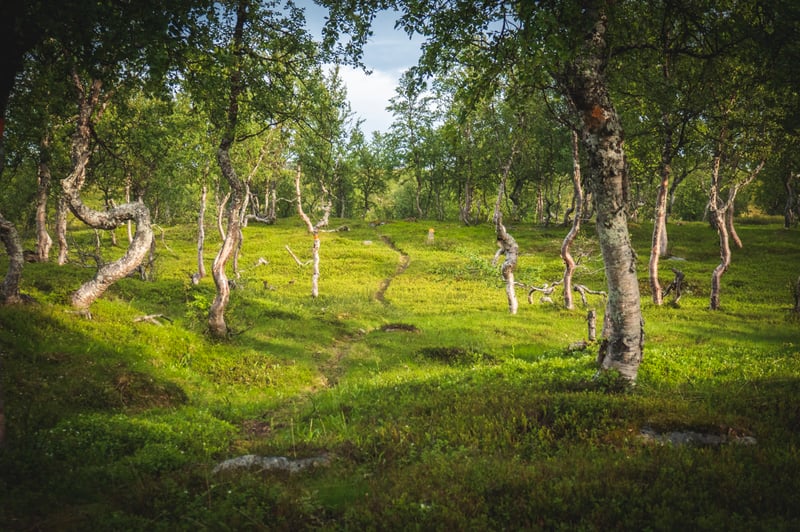
On Day 4, the route descends into mountain birch forest, where reindeer and historical trapping sites may be seen. After lunch at Atostugan, a culturally significant location, the group is transported by minibus to Hemavan to conclude the trek.
The walk takes place in the border region between Sweden and Norway, within Sapmi’s Sami cultural landscape. Starting at Kittelfjäll, the route passes through mountain birch forests, bare ridges and lakes, crossing one of Sweden’s few Sami cultural reserves known for its natural and cultural significance.
Reaching the start involves train or bus travel to Östersund or Vilhelmina, then local bus to Kittelfjäll. Vehicle access is limited, helping preserve the wilderness atmosphere. The trek finishes in Hemavan, a village with transport links to the south.
Camping for three nights is provided, with shared tents available. Participants can bring their own gear or rent from recommended suppliers to ensure familiarity before the trip.
Campsites are set in remote, scenic spots near lakes and mountains. Participants should bring suitable sleeping bags and pads to ensure comfort in the mountain environment.
Good physical fitness is required for hiking up to 18 km per day over uneven, hilly terrain while carrying a backpack. Prior experience walking in similar conditions is helpful but not essential.
Some knowledge of wading streams is useful but not necessary, as guidance will be offered. Well-broken-in boots and lightweight packing are strongly recommended.
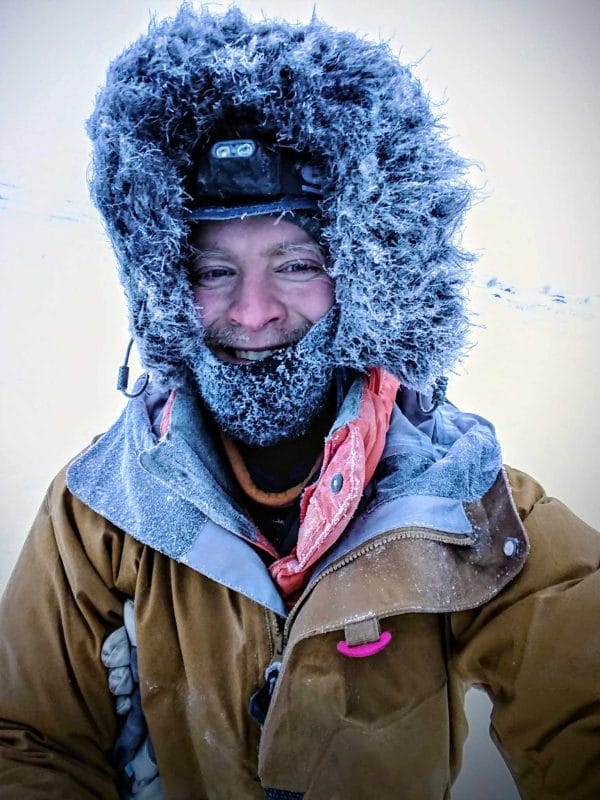
Jonn holds certifications as a Mountain Guide and Nature Guide, bringing deep expertise in Nordic nature and Sami culture. His background includes working with reindeer herding and trekking thousands of kilometres across Scandinavian mountains. The guiding style focuses on safety, respect, and sharing authentic local knowledge.
Sustainability is central to the approach, balancing adventure tourism with responsible travel in fragile mountain areas. Careful planning and attention to safety allow participants to enjoy both the physical challenge and cultural richness of the route.
The levels shown on trips and courses reflect the organiser’s own grading system based on the demands of each specific activity. They are not meant to compare one activity type against another—for instance, a “medium” grade on a climbing session might still involve more intense physical effort than a “demanding” hiking trip. Each rating considers the typical conditions of that activity, including how long participants are active each day, what the terrain is like, how many days the trip runs, and the pace expected from the group.
Rather than being about technical difficulty or required skills, these levels are more about overall physical commitment. A participant might not need advanced ability, but they should be comfortable with the general demands outlined in the trip description. It’s always a good idea to read through the itinerary and contact the organiser with any questions about whether a trip is suitable, especially if someone is unsure where they fit within the scale.
Yes, people with allergies or dietary requirements are more than welcome to join. When filling in the booking form, there is space to mention any specific dietary needs or health conditions that the organisers should be aware of. Alternatively, these details can be sent separately by email, ideally well ahead of the trip so that there’s time to prepare accordingly.
The organiser makes every effort to accommodate these requests, whether it’s food preferences, allergies, or intolerances. On multi-day trips especially, meals are often planned in advance, so early communication helps make sure everyone is catered for properly. The aim is for every guest to enjoy the experience fully without having to worry about food or health concerns along the way.
When poor weather is forecast or arrives unexpectedly, the organiser's first approach is always to adapt rather than cancel. This might involve choosing a more sheltered route, adjusting the itinerary to avoid exposed areas, or shifting the timing to get the best possible conditions. Mountain weather can change rapidly, so a degree of flexibility is always built into the trip plans.
Only in cases where the weather creates a genuine safety risk—such as storms, high winds, or flooding—would cancellation be considered, and this is treated as a last resort. In those rare situations, guests will be contacted to agree on a suitable new date for the trip. Staying safe is the priority, but the goal is still to deliver a memorable and enjoyable experience wherever possible.
Private tours for individuals or small groups are absolutely possible. These are ideal for those who prefer a more tailored experience or want to move at their own pace. Anyone interested can reach out through the adventuro chat below or use the contact form to start planning a trip that fits their preferences and schedule.
Once a request has been received, the organiser will provide a personalised quote and suggest route options or activity ideas based on availability. Private bookings can usually be adapted to suit particular interests, fitness levels or time constraints, making them a flexible and popular option for couples or solo travellers.
Please contact us via the adventuro chat below to arrange this.
Arriving on time is the responsibility of each participant, and most activities run to a fixed schedule that cannot be delayed once underway. In some cases, the group may be able to wait a short time, but this is not guaranteed. If a guest misses the designated start time and the group has already departed, it’s likely they won’t be able to join later or receive a refund.
However, if someone knows in advance that they might be delayed, they’re encouraged to get in touch as early as possible. While nothing can be promised, the organiser will do their best to help where they can—this could include joining at a different meeting point or shifting the plan slightly if others in the group are flexible. Communication is key, especially on the day of the activity.
Participants should have a good level of fitness as the trek involves walking up to 18 km per day over uneven and hilly terrain while carrying a backpack. The route includes steep climbs and descents, so being comfortable with sustained physical activity is important. If you regularly walk or hike in similar conditions, you should be well prepared.
It is helpful to build endurance beforehand with longer walks and some hill training if possible. Guidance on training plans and packing light to reduce weight can be provided on request to help prepare. The pace is steady, and breaks are frequent to keep energy levels up.
Essential items include a backpack (40-60 litres), a tent (which can be shared or rented), a sleeping bag rated for around 0°C comfort temperature, and a sleeping pad with an R-value of at least 3.0 for insulation. Sturdy, broken-in hiking boots with terrain soles are vital for comfort and safety, along with weatherproof clothing layers including windproof and waterproof jackets.
You will also need outdoor cooking equipment with fuel, utensils, food containers, water bottles (able to carry 1 litre or more), and a small personal first aid kit and repair kit. Additional useful items include trekking poles, headlamp, insect repellent, and basic hygiene products. Guidance on packing and equipment rental options is available.
Yes, the itinerary includes detailed stories and discussions about Sami history, traditions, and contemporary life. The route passes through one of the most important Sami cultural landscapes in Sapmi, including a sacred mountain and the only Sami cultural reserve in Sweden.
Participants will hear about reindeer herding, local myths, and how climate and environmental changes affect both the people and nature in the region. The guide, with extensive knowledge and experience in Sami culture, ensures that cultural education is an integral part of the experience.
Camping takes place in shared tents set up in scenic and remote locations such as near lakes and mountain areas. Participants are encouraged to bring their own camping gear or rent equipment in advance to become familiar with it before the trip.
The environment is basic but comfortable with campfires for cooking and socialising. Weather conditions can vary, so bringing appropriate sleeping bags and mats is essential for warmth. The shared camping experience also encourages group bonding and mutual support throughout the trek.
The starting point is in Kittelfjäll, which can be reached by train or bus from larger towns like Östersund or Vilhelmina, followed by local bus connections. Private car travel to the start is not recommended due to limited parking and the desire to keep the area quiet and wild.
At the end of the trek, the group is transferred by minibus from Atostugan to Hemavan, where public transport options are available to return to larger towns or further destinations. Detailed travel instructions and advice are provided upon booking to help with planning.
About the centre
Kittelfjäll, Sweden
Operated by Fjällkloka äventyr, a partner of adventuro.
Brașov and Southern Carpathians, Romania
From €375

Cumbria, United Kingdom
From £379
Middle Norrland (Mellersta Norrland), Sweden
From £290