
We partner with Rewilding Britain to help protect our natural spaces for future adventures.
All centres are vetted for safety and quality. Your adventure is in good hands with adventuro.


Pokhara is the meeting city, then the drive to Jhinu and the climb on stone steps through forest to Chhomrong at 2,170 metres on day one. Day two continues to Dovan, day three reaches Machhapuchhre Base Camp, and day four visits Annapurna Base Camp at 4,130 metres before dropping to Himalaya. Walking hours stay long because height is gained in four days rather than spread across a week.
Descent days return through Chhomrong to Jhinu, with an optional river-side soak if you want it, then a drive back to Pokhara. No Kathmandu transfer sits on the walking days. Teahouse nights and porter support are included, walking-day meals are included, and steep stairs plus early starts need decent legs. Headache or nausea is reported early because altitude arrives fast on this calendar.
Permits, porters, lodges and a licensed leader are confirmed before anyone leaves Lakeside. Briefing time covers daily distance, how altitude is watched on a short calendar, and what happens if weather slows the group. Logistics stay with one local team from that meeting to the drive back.
Wake-up times stay realistic for the stairs, and the sanctuary is not forced if someone is struggling. Porter support and lodge space are already held from Pokhara. If cloud or rain sits in the basin, the team adjusts rather than treating the amphitheatre as a deadline.
Scenic drive to Jhinu, then trek uphill through forest and stone steps to Chhomrong (2,170 m) with views of Machhapuchhre and Annapurna South.
Stone steps and forest shade dominate these middle-elevation days. Poles help knees on descents, and a head torch is useful if pre-dawn starts are planned for viewpoint hikes.
Teahouses here are often family-run; evenings are social around the dining stove. Charge devices when power is offered and keep a book or cards for nights without Wi-Fi.
You walk at a comfortable pace, with tea stops and altitude checks along the way.
Walking pace stays steady with breaks for water, snacks, and photos. Lunch is usually in a teahouse en route; dinner and breakfast are at the lodge where you sleep, often dal bhat or hot noodle dishes.
Carry rain gear and layers in your daypack even when mornings look clear. Tell your guide about headaches, nausea, or knee pain early so tomorrow's stage can be adjusted if needed.
Visit Annapurna Base Camp (4,130 m) and descend to Himalaya (2,920 m) on the published six-day schedule.
The amphitheatre of Annapurna I and Machhapuchhre closes in as you enter the sanctuary. Avalanche roar from hanging glaciers is normal; stay on marked paths and heed your guide near icefall zones.
Nights can feel cold even in spring; a good sleeping bag liner helps in shared lodges. Sunrise on the summits rewards early risers when skies clear.
Stone steps climb and drop between Gurung villages as you work toward Chhomrong, the last big settlement before the sanctuary. The ridge views of Annapurna South grow clearer with each hour.
Stone steps and forest shade dominate these middle-elevation days. Poles help knees on descents, and a head torch is useful if pre-dawn starts are planned for viewpoint hikes.
Teahouses here are often family-run; evenings are social around the dining stove. Charge devices when power is offered and keep a book or cards for nights without Wi-Fi.
A long descent from the sanctuary brings you back toward Jhinu Danda, where hot springs by the river reward tired legs if you choose a soak. The forest feels lush after high camp.
Stone steps and forest shade dominate these middle-elevation days. Poles help knees on descents, and a head torch is useful if pre-dawn starts are planned for viewpoint hikes.
Teahouses here are often family-run; evenings are social around the dining stove. Charge devices when power is offered and keep a book or cards for nights without Wi-Fi.
Meet at your Pokhara hotel or our office location confirmed after booking. Return to Pokhara on the final trekking day.
Strong fitness and prior hiking experience are strongly recommended.
Lakeside rooms in Pokhara cover the night before the Jhinu drive and the night you finish, with a private bathroom and a proper shower after the stairs. Meeting is at your hotel or our confirmed office. No Kathmandu hotel sits on the walking days of this itinerary.
Chhomrong dining rooms are social around the stove, after which Dovan, Machhapuchhre Base Camp, Annapurna Base Camp and Himalaya get progressively colder. Sanctuary rooms at 4,130 metres are basic, so a bag rated for altitude matters. Lodge space is reserved from Pokhara. Hot water, Wi-Fi and charging are paid at the lodge when they are offered.
Yes for fit walkers who accept long days, early starts, and a rapid height gain from the Pokhara foothills into the sanctuary.
If you prefer shorter stages or are new to consecutive hill days, the longer Annapurna calendar is kinder. We will say so honestly if you describe your recent walking.
Pokhara is the meeting city. We collect you at your hotel or our confirmed office before the drive to Jhinu and the climb toward Chhomrong.
Lakeside is your base the night before and the night you finish, so you skip the Kathmandu highway on walking days. Share your Pokhara hotel name in advance.
Height arrives fast. Tell guides about past altitude trouble, and treat headache or nausea as something to report rather than push through.
Drink steadily, keep evenings quiet, and trust a slower afternoon if the group needs it. This route is compact, not a race to the amphitheatre.
Conservation area and local permits are arranged with your passport copies before you leave Lakeside, so you are not queuing on the first walking morning.
Keep the papers dry in your daypack. Checkpoints sit on the stone steps, and your guide handles the conversation while you catch your breath.
Broken-in boots, warm layers, a rain shell, and a sleeping bag suited to teahouse nights are the core. A head torch matters for pre-dawn sanctuary starts.
Pokhara has rental shops if you are missing a bag or poles. We run a kit glance the evening before Jhinu so gaps are fixed in town, not at Dovan.
Trekking evacuation cover is required, including helicopter rescue from the sanctuary, even on a short itinerary.
Policies that only cover city sightseeing will not do. Send a summary through Adventuro Chat if you want a quick sense-check of the altitude wording.
Full board on trek days as per your confirmation, with lodge breakfasts and dinners and a lunch stop on the steps or in the gorge.
Lakeside meals in Pokhara before and after the walk are usually your own unless a welcome sitting is listed. Carry snacks for the longest stair days.
Rain gear is essential in monsoon shoulder weeks, and snow can still dust the basin. Cloud often builds in the afternoon inside the amphitheatre.
Your guide may start earlier to keep views. If a day is washed out, the team adjusts rather than forcing a summit-style push in poor visibility.
Yes. Private dates work well when you already have a Pokhara plan and want your own pace on the stairs.
Tell us group size and preferred week on Adventuro Chat. Lodge space in Chhomrong and the sanctuary is the usual limit in peak autumn weeks.
You return to Jhinu and drive back to Pokhara, with time for a lakeside evening once the legs stop buzzing.
Most guests keep at least one night by Phewa Lake before onward travel. We can advise on a later Kathmandu connection if you want a slower finish.
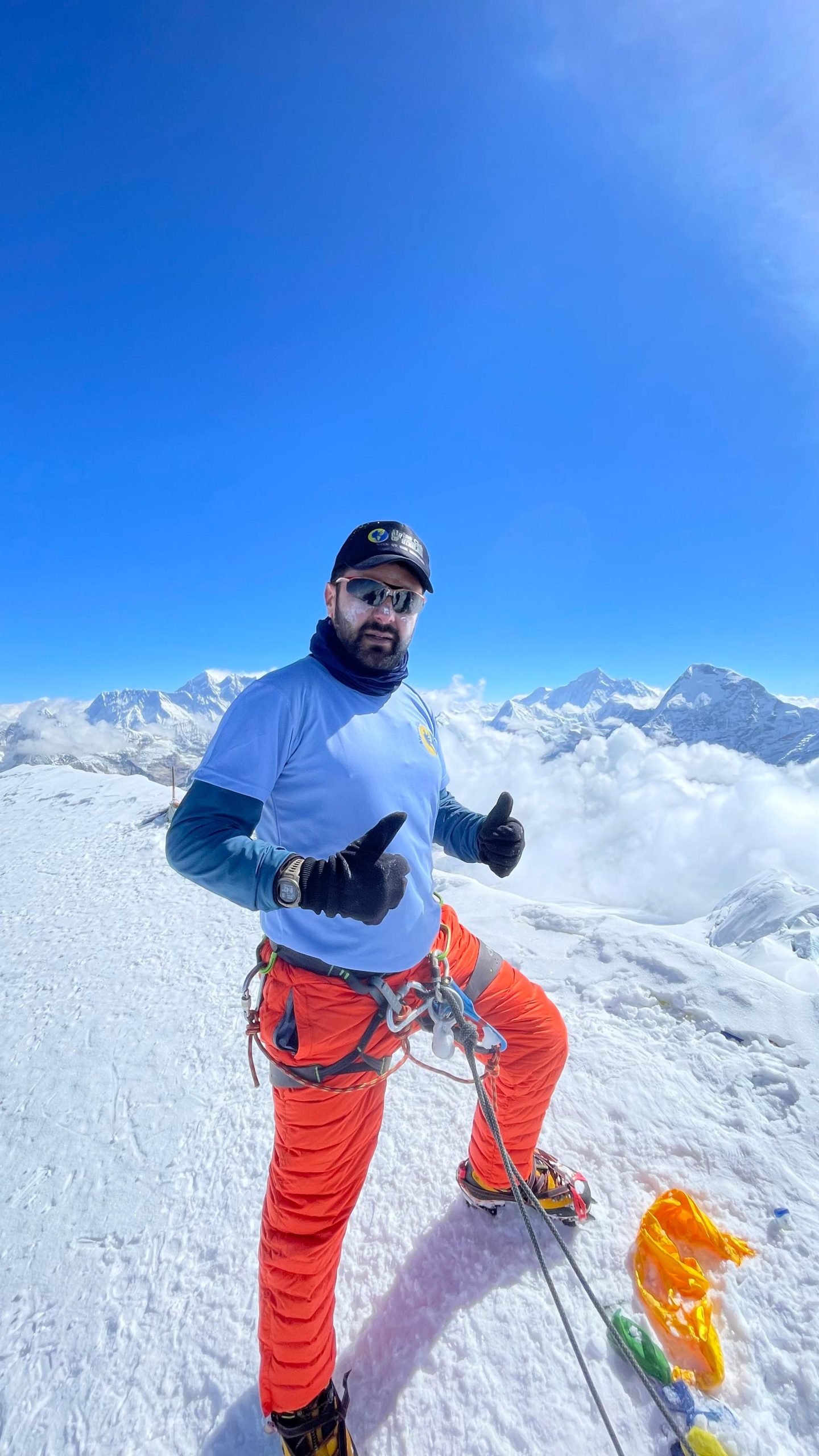
About the centre
Kathmandu
We are a Kathmandu-based team of licensed trekking and mountaineering guides who lead small groups through the Everest, Annapurna, Manaslu, and peak-climbing routes of Nepal. Every itinerary is built around steady acclimatization, reliable local logistics, and tea-house or lodge nights that keep you comfortable after long days on the trail.
From your arrival briefing in Thamel to the flight to Lukla or the roadhead for western circuits, we handle permits, domestic connections, porter support, and experienced lead guides who know these valleys season by season. Whether you are aiming for a classic base camp, a high pass, or a summit attempt, we focus on safety briefings, realistic pacing, and warm Sherpa hospitality so you can enjoy the journey as much as the destination.
Operated by Alpine Club of Himalaya, a partner of adventuro.


