Richard
Found the whole experience very enlightening and educational

We partner with Rewilding Britain to help protect our natural spaces for future adventures.
All centres are vetted for safety and quality. Your adventure is in good hands with adventuro.
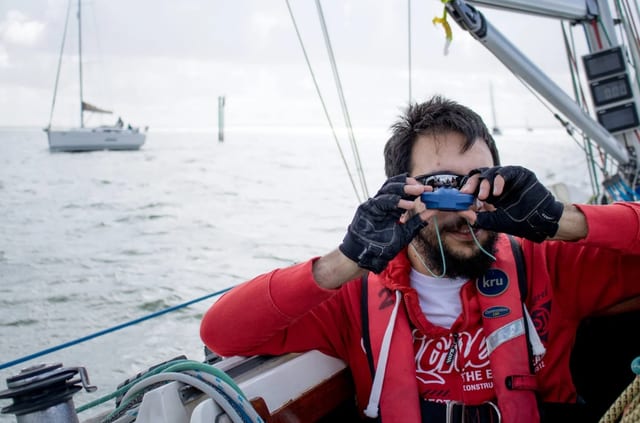
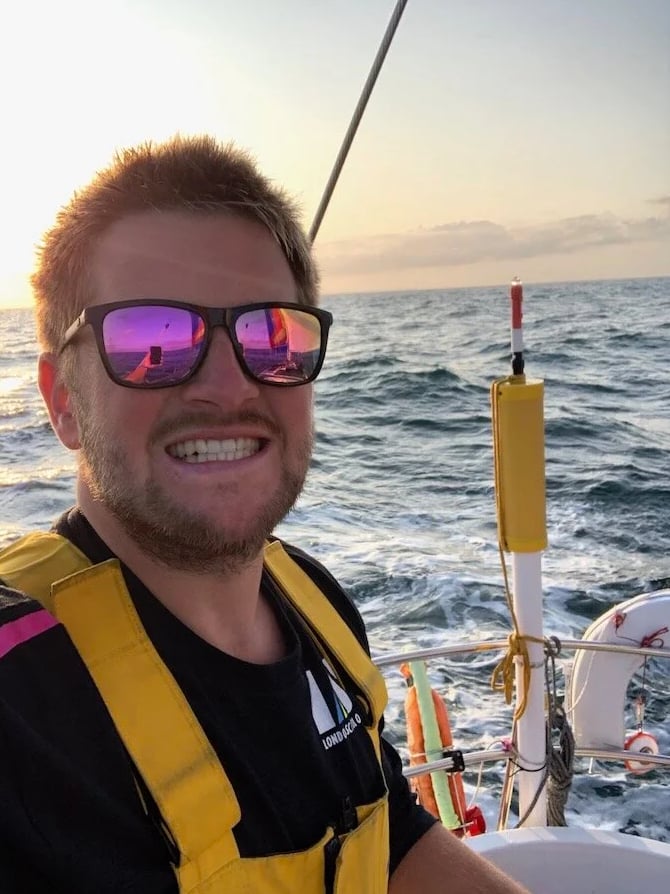
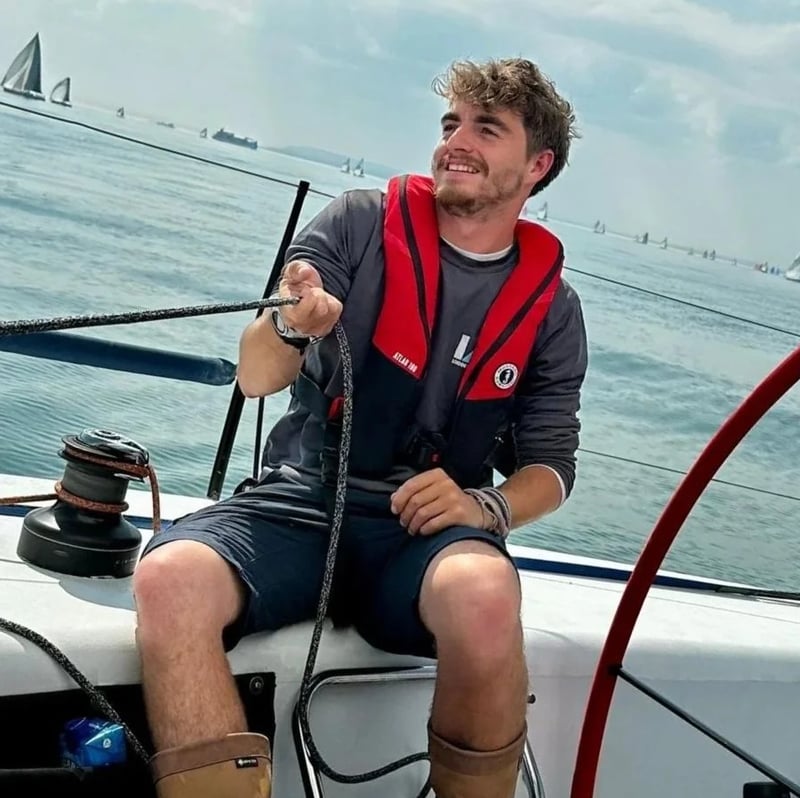
Stepping up from Day Skipper level, this course focuses on developing stronger skippering and navigation skills for longer coastal passages. Over five days, students practise advanced boat handling, navigation, and decision-making both by day and at night. Training takes place on the Solent, providing varied conditions ideal for refining practical sailing ability.
Training builds on previous sailing experience and focuses on developing the confidence needed to skipper a yacht on coastal passages. During the course you will practise passage planning, pilotage, navigation, and boat handling in more challenging situations than earlier training levels. Students take turns leading manoeuvres and planning legs of the journey while the instructor provides guidance and feedback.
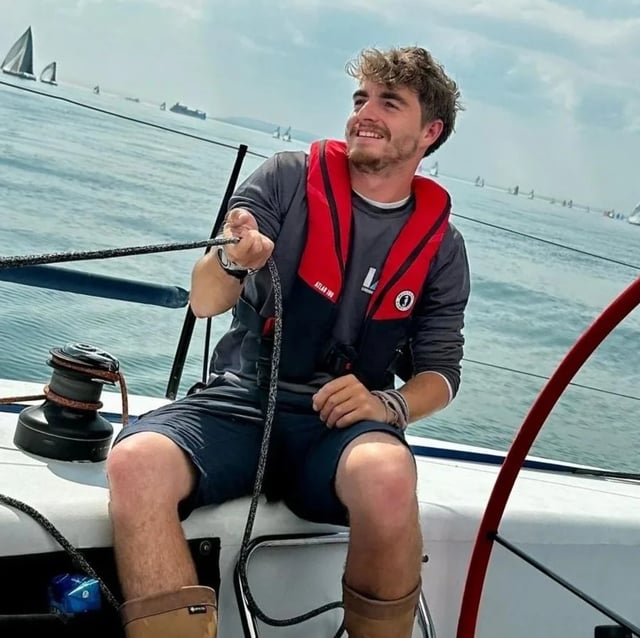
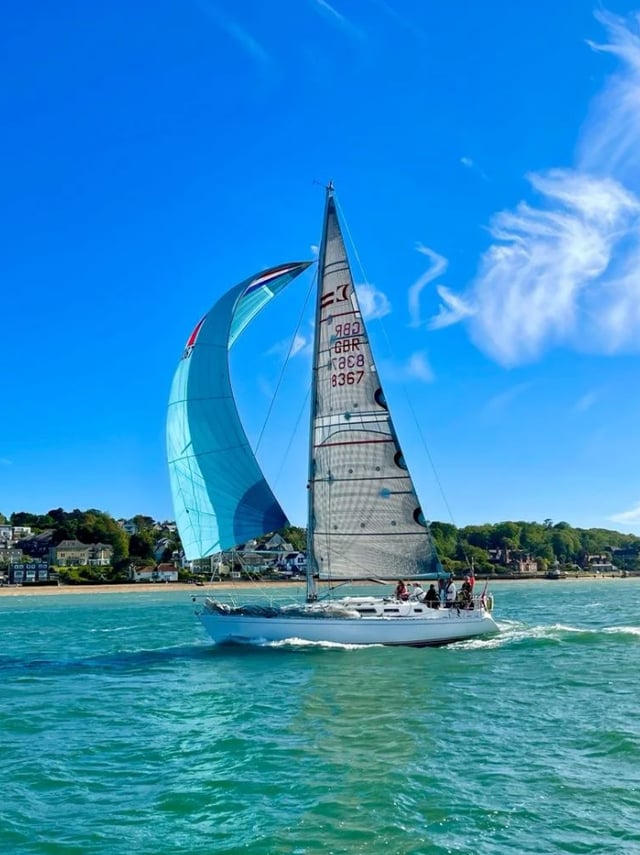
Sailing takes place across the Solent and nearby coastal areas where tidal streams, busy harbours, and varied weather create realistic learning conditions. Longer passages allow students to practise navigation, watchkeeping, and crew coordination, including sailing at night and operating safely in restricted visibility.
Throughout the week you will be encouraged to take responsibility on board, directing the crew, preparing the yacht for sea, and managing navigation tasks. The course operates as a taught assessment, meaning students who demonstrate the required competence across the five days will successfully complete the qualification.
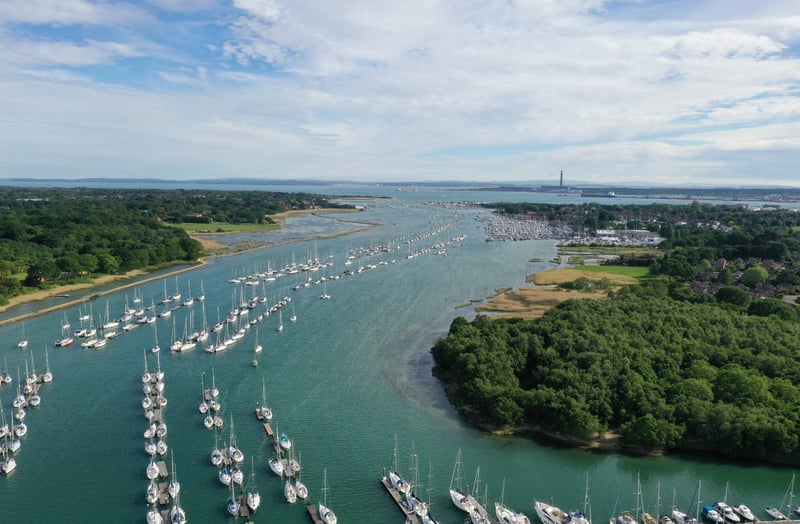
Training begins from Port Hamble Marina in the village of Hamble, situated on the River Hamble along the northern edge of the Solent. This area is widely recognised as one of the UK’s best sailing locations due to reliable winds, strong tidal streams, and the close proximity of numerous harbours and anchorages.
Typical sailing routes may include Cowes, Yarmouth, Beaulieu River, Lymington, The Needles and Alum Bay, Newtown Creek, Portsmouth, Wootton Creek, Osborne Bay, Langstone Harbour, and Chichester Harbour. These varied locations provide ideal opportunities to practise pilotage, navigation, and harbour manoeuvres in real coastal sailing conditions.
Accommodation is provided onboard the yacht for the duration of the course. The vessels used are Reflex 38 sailing yachts which offer practical training space as well as comfortable bunk-style cabins for overnight stays.
Although the yachts can sleep up to eight people, courses operate with a maximum of five students plus the instructor to ensure plenty of hands-on participation. Facilities include bunk beds, a galley kitchen, sink, toilet, and shower. Most evenings are spent in marinas or harbours where shore-based shower facilities are available.
Participants should already have solid sailing experience before attending the course. Recommended experience includes at least 15 days at sea, around 300 miles sailed, and approximately 8 hours of night sailing, including some time acting as skipper.
Students should also possess theoretical knowledge to Yachtmaster Theory level and be comfortable performing routine sailing tasks. The course is designed for sailors ready to develop the confidence and competence required to skipper a yacht on longer coastal passages.
We aim to create sailing experiences that combine practical instruction with a supportive and positive learning environment. Students are encouraged to take part in every aspect of running the yacht, both above and below deck, helping them build genuine confidence as skippers and crew members.
Our instructors bring many years of sailing and racing experience across the UK and international waters. Training focuses on real-world situations, helping students learn through practice, teamwork, and constructive guidance while developing the skills required for safe and responsible coastal sailing.
The course is intended for sailors who already have experience at Day Skipper level and want to advance their abilities. It focuses on developing the confidence and judgement needed to skipper a yacht on longer coastal passages.
Students typically attend after gaining additional sea miles following the Day Skipper qualification. The course prepares sailors for more demanding navigation and passage planning situations.
Participants are expected to have completed significant time on the water before starting the course. Recommended experience includes around 15 days at sea, 300 miles sailed, and several hours of night sailing.
These requirements ensure students arrive with the basic sailing skills needed to handle a yacht safely while focusing on more advanced skippering techniques during the training.
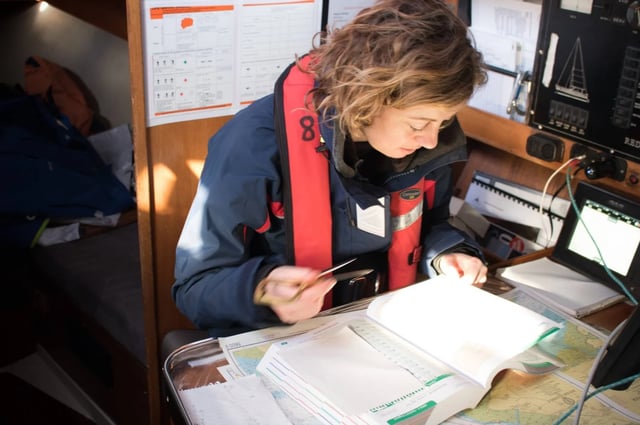
Training focuses on planning and executing coastal passages, managing crew responsibilities, and navigating in both daylight and darkness. Students also practise advanced manoeuvres under sail and engine.
Additional skills include heavy weather preparation, anchoring, pilotage planning, and emergency procedures such as man overboard recovery and restricted visibility navigation.
The course operates in the Solent, one of the most active sailing areas in the UK. This region provides a wide variety of sailing conditions, including tidal streams, busy harbours, and sheltered anchorages.
Students may visit locations such as Cowes, Yarmouth, Beaulieu River, Lymington, Portsmouth, and Chichester Harbour. These routes provide realistic opportunities to practise navigation and harbour manoeuvres.
Students sail on Reflex 38 yachts based on the River Hamble. These boats are designed for performance sailing and provide an excellent platform for training and skill development.
Although the yachts can sleep eight people, courses run with smaller groups to allow everyone plenty of time at the helm and involved in deck work.
Yes. Accommodation is provided onboard for the duration of the five-day course. Students sleep in bunk-style cabins and share facilities such as the galley and washroom.
Most evenings are spent in marinas or sheltered harbours where shore-based facilities such as showers are available.
The Coastal Skipper course is a taught assessment rather than a formal exam. The instructor evaluates each student’s performance and competence throughout the week.
Students who demonstrate the required knowledge and practical ability during the course will successfully complete the training.
Students should bring practical sailing clothing suitable for varying weather conditions, including waterproofs and non-slip footwear. Personal items such as towels and toiletries are also recommended.
A sleeping bag is often useful for onboard accommodation. Specific kit recommendations may be provided before the course begins.
While meals, accommodation, and instruction are included, some additional costs may arise. These include rental of waterproof clothing if required and food or drinks purchased ashore.
If the group stays in marinas outside the MDL network, mooring fees are shared among students and may add a small additional cost.
After gaining this qualification, many sailors move on to more challenging passages and gain further sea miles as skipper. Charter companies often view the qualification as evidence of increased competence and experience.
With additional experience and mileage, sailors may then work towards the RYA Yachtmaster Coastal or Yachtmaster Offshore certificates of competence.

Found the whole experience very enlightening and educational
Operated by The London School of Sailing, a partner of adventuro.
Hampshire and Isle of Wight, United Kingdom
From £780
Hampshire and Isle of Wight, United Kingdom
From £780
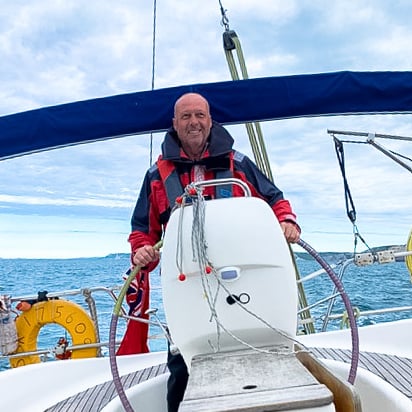
Hampshire and Isle of Wight, United Kingdom
From £780
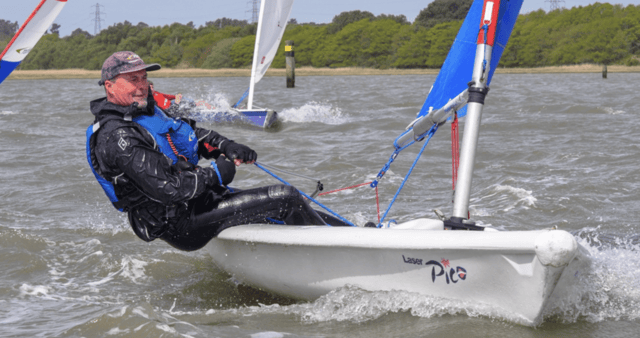
Somerset and Dorset, United Kingdom
From £450
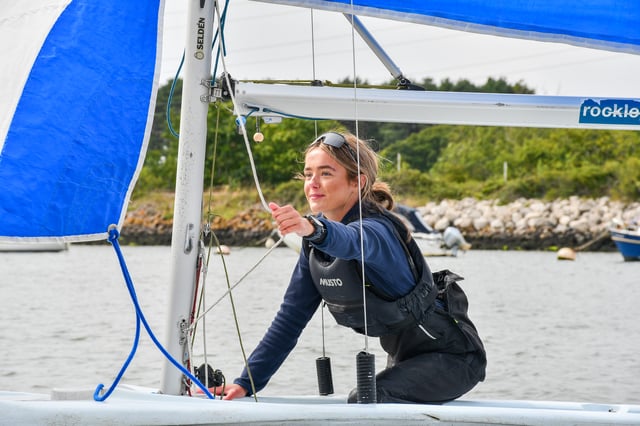
Somerset and Dorset, United Kingdom
From £450
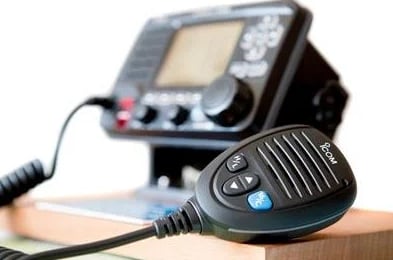
Hampshire and Isle of Wight, United Kingdom
From £1020
Hampshire and Isle of Wight, United Kingdom
From £930
Hampshire and Isle of Wight, United Kingdom
From £765
Hampshire and Isle of Wight, United Kingdom
From £450
