
We partner with Rewilding Britain to help protect our natural spaces for future adventures.
All centres are vetted for safety and quality. Your adventure is in good hands with adventuro.
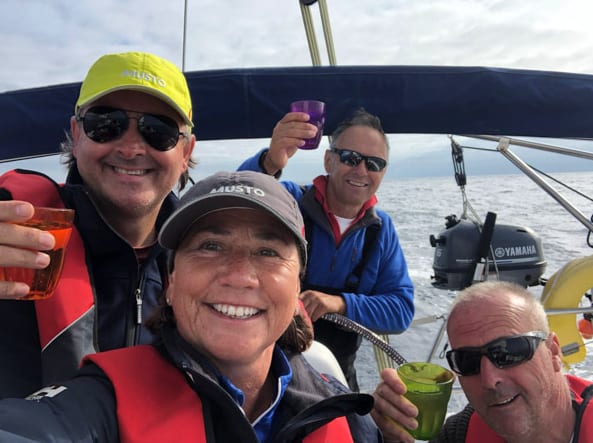
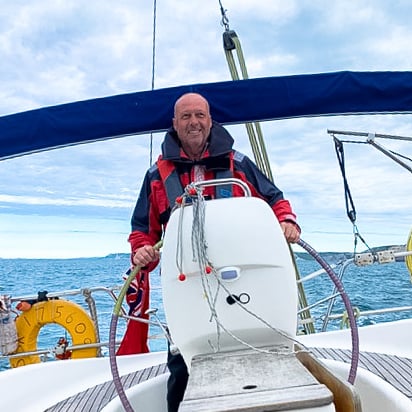
Handling a yacht confidently under sail and power takes more than theory alone, which is why this practical RYA Day Skipper course focuses heavily on real decision-making and hands-on experience around the Solent. Aimed at sailors with previous experience and Day Skipper theory knowledge, the course helps build the confidence needed to skipper a small yacht safely in familiar waters during daylight hours.
Throughout the week, students rotate through different onboard responsibilities while building the confidence to take charge of the yacht during practical sailing situations. Sessions cover marina manoeuvres, passage planning, navigation, pilotage and handling the yacht under both sail and engine power, with increasing responsibility introduced as the course progresses.
Practical exercises often involve planning and completing passages between different ports around the Solent and South Coast, giving students the opportunity to work with tides, navigation marks, weather forecasts and busy harbour traffic in real conditions. Alongside daytime sailing, the course may also include night cruising, emergency drills, onboard problem-solving and skipper decision-making exercises to help prepare students for independent chartering in the future.
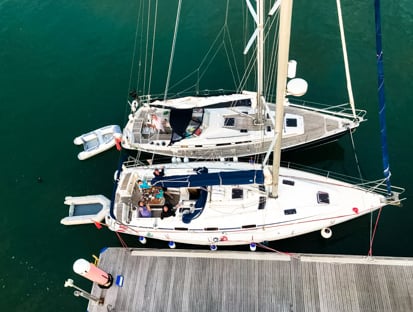
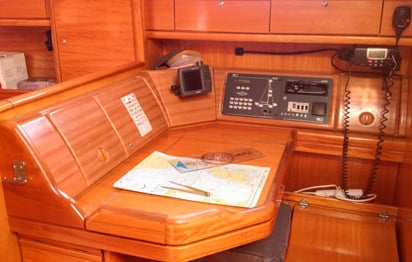
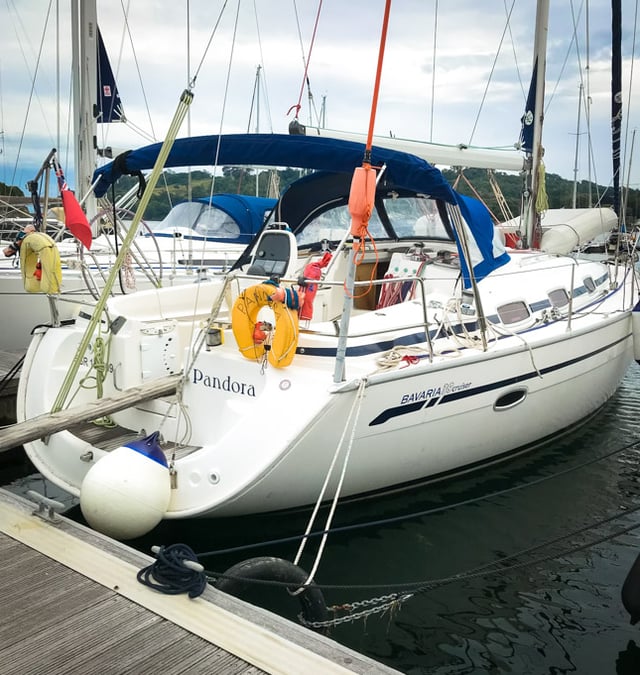
Accommodation is onboard a Bavaria 39’c yacht with three double cabins, two toilets and integrated heating. Depending on scheduling and availability, guests may also have the option to join the yacht the evening before the course begins.
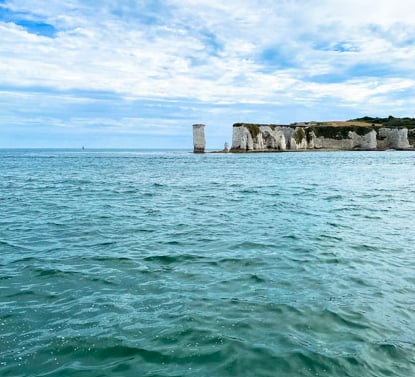
Stretching between Hampshire and the Isle of Wight, the Solent provides one of the UK’s most varied sailing environments for advanced practical training. Strong tidal flows, commercial traffic, busy marinas and sheltered cruising waters create excellent conditions for developing confident skippering skills across a wide range of situations.
Southampton remains one of the country’s busiest sailing hubs, offering direct access to training areas within a short distance of the marina. Sailing routes may include Cowes, Portsmouth, Yarmouth and surrounding South Coast destinations depending on weather conditions and passage plans developed during the course.
This is not an entry-level sailing course. Students are expected to have completed the RYA Day Skipper theory course beforehand and should already have sailing experience roughly equivalent to RYA Competent Crew level, along with around 100 logged sea miles.
Confidence moving around a yacht and participating in general onboard duties is important before joining the course. Training focuses on building skippering ability rather than introducing basic sailing concepts for the first time.
Years of instructional and offshore sailing experience allow Theo to adapt training around the strengths and weaknesses of each student onboard. Rather than rushing through exercises to meet a timetable, additional time can be spent refining manoeuvres and decision-making where needed.
Lower student-to-instructor ratios provide more practical time at the helm and more opportunities to take responsibility during passages. Training takes place aboard a commercially coded Bavaria 39’c yacht inspected annually by the RYA and equipped for comfortable liveaboard sailing.
Previous sailing experience is required before taking part in the RYA Day Skipper practical course. Students should already understand the basics of sailing, be comfortable onboard and have completed the RYA Day Skipper theory course before arrival.
Around 100 logged sea miles and practical experience equivalent to RYA Competent Crew level are also expected. The course focuses on skippering and decision-making rather than beginner-level instruction.
Competent Crew focuses on learning how to become a useful crew member onboard, while Day Skipper practical training is designed for sailors wanting to take charge of the yacht themselves. Students begin making navigation decisions, planning passages and managing the crew throughout the course.
Responsibility gradually increases during the week, helping students gain confidence handling real situations they may later encounter while chartering or skippering independently. The pace and level of responsibility are noticeably higher than entry-level courses.
Night sailing may form part of the syllabus depending on weather conditions, timings and the progress of the group onboard. Sailing after dark helps students become more confident interpreting navigation lights, entering harbours safely and maintaining situational awareness in reduced visibility.
These sessions also help reinforce pilotage, passage planning and communication skills in more demanding conditions. Practical experience at night is valuable preparation for future skippering and chartering situations.
Courses operate with a maximum of four students onboard, although many weeks run with only three participants. Smaller group sizes allow for more hands-on involvement and more direct instructor guidance throughout the course.
More time at the helm also means students gain additional practical experience handling the yacht themselves rather than waiting for long periods between exercises. Extra onboard space helps create a more comfortable liveaboard environment during the week as well.
Passages vary depending on weather conditions, tides and the training goals of the group onboard. Students may plan and complete trips between Southampton, Cowes, Yarmouth, Portsmouth and other South Coast destinations during the week.
Rather than following fixed routes every course, passages are often adapted to create realistic learning opportunities. This helps students work through navigation, tidal planning and pilotage exercises in changing real-world conditions.
Accommodation is included aboard a Bavaria 39’c yacht with shared cabin arrangements as standard. Living onboard throughout the week forms an important part of the course and helps students gain experience with daily yacht routines and onboard organisation.
Integrated heating, multiple cabins and onboard facilities help make the yacht comfortable for longer training periods. Guests may also be able to join the evening before departure depending on availability.
Wet weather clothing is available onboard, although many students choose to bring their own sailing gear if they already have it. Layered clothing, soft non-marking shoes and warm clothing for evenings are recommended for changing UK sailing conditions.
Sleeping bags, towels and pillowcases are not included and should be brought for the liveaboard stay. Sailing gloves, personal medication and waterproof bags for clothing can also help make the week more comfortable.
About the centre
Southampton
Operated by Zephyr Sailing, a partner of adventuro.
Hampshire and Isle of Wight, United Kingdom
From £930

Hampshire and Isle of Wight, United Kingdom
From £935
Devon, United Kingdom
From £1070
Devon, United Kingdom
From £1070

Somerset and Dorset, United Kingdom
From £595
Hampshire and Isle of Wight, United Kingdom
From £780
Hampshire and Isle of Wight, United Kingdom
From £780
Hampshire and Isle of Wight, United Kingdom
From £370