We partner with Rewilding Britain to help protect our natural spaces for future adventures.
All centres are vetted for safety and quality. Your adventure is in good hands with adventuro.
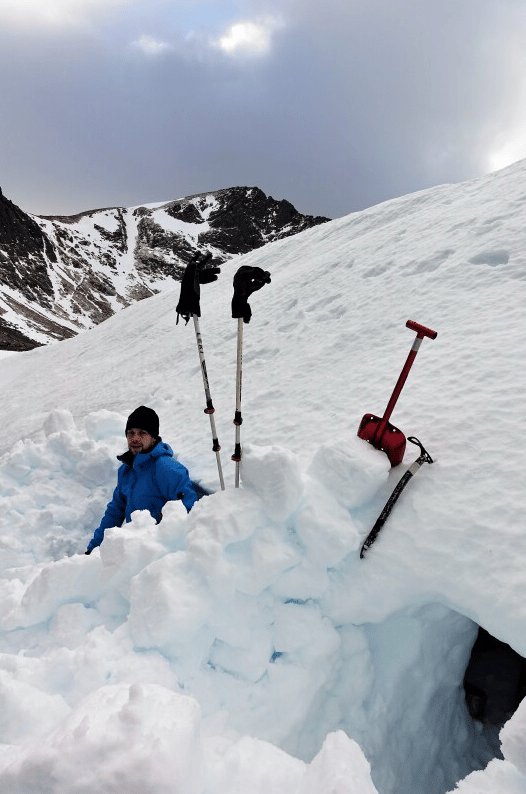
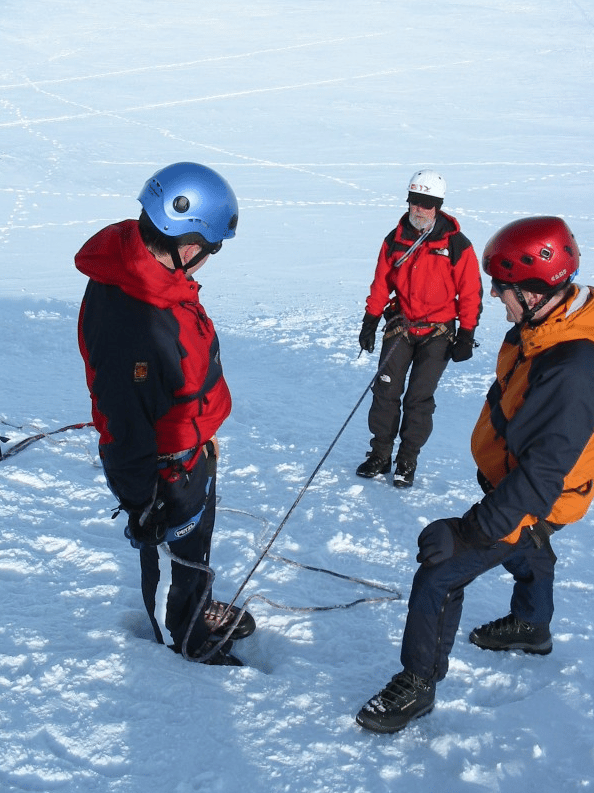
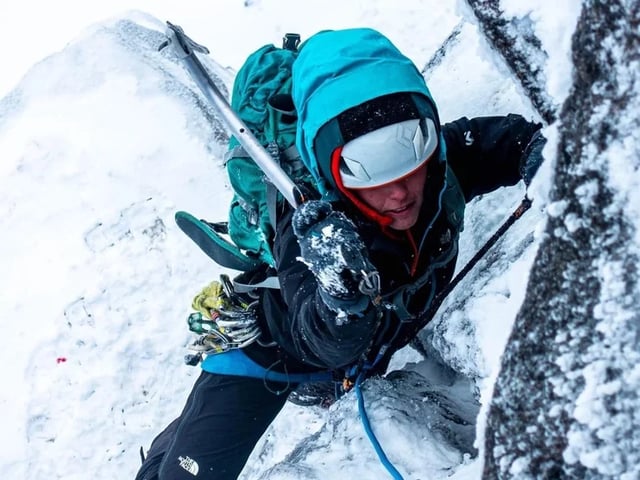
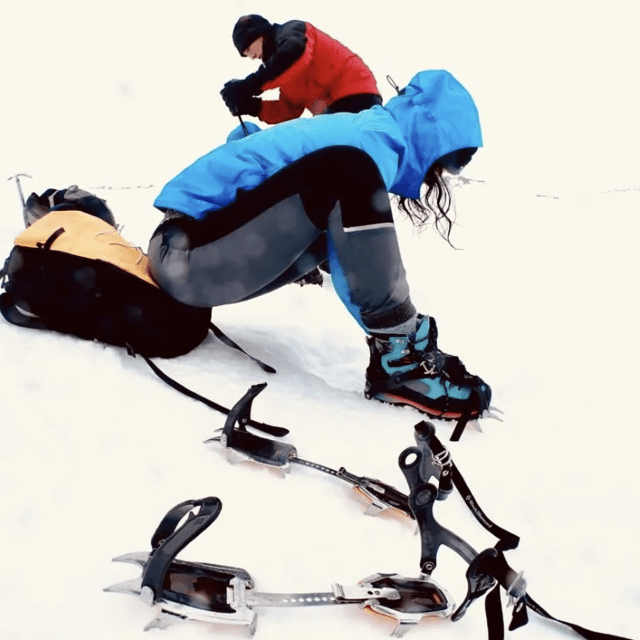
A practical introduction to winter skills in the Cairngorms, this three-day expedition includes two nights in a snowhole built by the group. You’ll learn how to move safely in winter terrain, use essential equipment like ice axes and crampons, and prepare for mountain conditions in a high plateau environment. Ideal for beginners, this experience is focused on skill-building and self-sufficiency in cold weather.
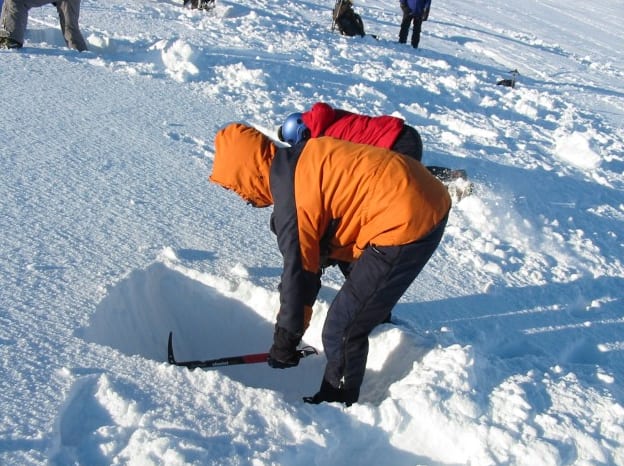
Day one begins with a meet-up in Aviemore where kit checks are carried out, and any loan gear is fitted. After a briefing and packing session, the group heads to a suitable snow-covered area high on the Cairngorm plateau. You'll be introduced to essential winter skills including walking in snow, using crampons and ice axes, movement on steeper ground, and basic avalanche awareness. Once at the chosen snowhole site, the group will work together to dig and shape the snow shelter using snow shovels and saws. The night is spent in the snowhole, where you'll also learn tips on insulation, ventilation, and managing kit inside the shelter.
Over the following two days, the group continues training with a focus on navigation, safe route planning, and decision-making in winter conditions. There may be opportunities to summit nearby peaks or practise ropework on steeper ground, depending on snow and weather. After two nights in the snowhole, the group returns to Aviemore in the afternoon of day three. The itinerary remains flexible to make the most of the conditions while covering key mountain skills across the full duration.
The course takes place in the Cairngorm Mountains, accessed from Aviemore in the Scottish Highlands. The area offers reliable snow cover at higher elevations and is known for its wide, open plateaus, steep corries, and challenging winter conditions.
Training typically takes place in Coire Cas or nearby snow-holding areas, with overnight snowholes built at elevations around 1000–1100 metres depending on snowpack and weather. Aviemore is well-connected by road and rail, with transfer options from Inverness and Inverness Airport available.
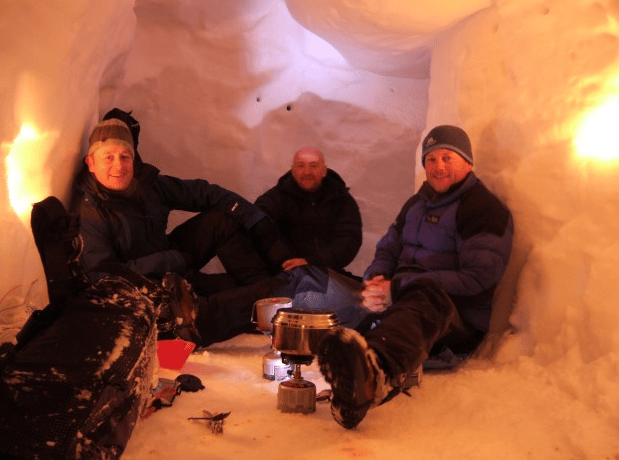
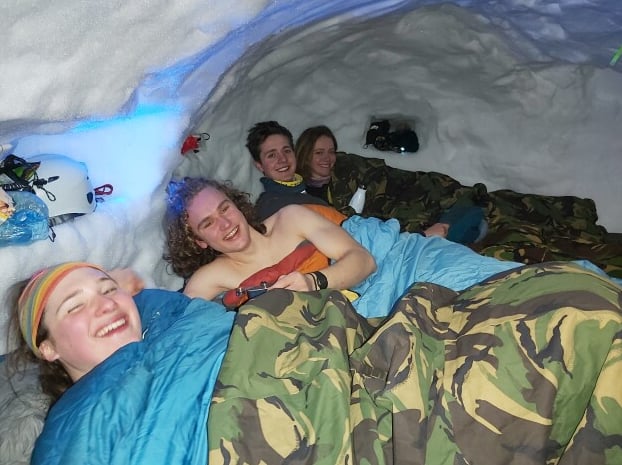
Accommodation is in a group snowhole dug by participants during the course. All technical equipment for snow shelter construction is provided. You’ll be supplied with a warm sleeping bag, bivvy bag, and sleeping mats for comfort and insulation. This is a shared group shelter, and the experience is part of the course training in winter survival and cold-weather skills.
You don’t need any prior winter experience, but you should have some general hillwalking experience and be confident walking for several hours at a time on uneven ground. A reasonable level of fitness is expected, as you’ll be carrying a full pack, sometimes through deep snow, and helping to dig the group shelter.
If you’re new to mountain walking, it may be worth trying a summer skills course first before joining a winter expedition.
This centre is known for delivering immersive, hands-on winter skills training in realistic mountain conditions. The focus is on practical learning, with each course designed to maximise time on the hill and give participants genuine experience of what it’s like to operate in full Scottish winter. Instruction is always tailored to the group, ensuring that even beginners come away with a strong foundation and the confidence to plan their own winter outings.
The team is made up of instructors who live and work year-round in the Highlands, and who bring extensive knowledge of local snowpack behaviour, navigation challenges, and cold-weather survival. With a low client-to-instructor ratio, participants benefit from close support while gaining the skills needed to make good decisions in the mountains. These are not set-piece lessons, but responsive days shaped by the weather, the terrain, and the needs of each group.
Participants should have a reasonable level of fitness, as the course involves sustained walking on snow and uneven terrain at altitude. You will need to be comfortable carrying a daypack and using crampons and an ice axe for several hours each day. Although you don’t need to be an athlete, a good base of endurance and mobility will help you get the most from the experience.
No prior winter mountaineering experience is necessary, but some summer hillwalking experience is highly recommended. If you are unsure about your fitness or ability, it’s best to discuss your concerns before booking to ensure the course is suitable for you and to avoid any disappointment.
Most specialist winter mountaineering gear is provided, including crampons, ice axes, snow shovels, bivvy bags, and sleeping mats for the snowhole. You will need to bring your personal kit such as base layers, waterproof clothing, suitable walking boots, gloves, hats, and other thermal layers. This personal clothing is essential to keep you warm and dry throughout the trip.
The instructors will help you finalise your kit list before the trip and offer advice on what is best suited for the conditions. It’s important to have reliable clothing because the weather on the plateau can change quickly and temperatures will be low, especially overnight.
The snowhole is dug by the group using snow shovels, creating a shelter carved out of compacted snow. This method offers effective insulation from wind and cold, making it surprisingly warm inside once built properly. It is spacious enough for the group to rest and sleep together, and your instructor will guide you through the process step-by-step to ensure safety and comfort.
Sleeping in a snowhole is a unique experience that requires some mental adjustment but offers excellent protection from the elements. You will be provided with a sleeping bag, bivvy bag, and mats to maximise warmth. Although it’s not traditional accommodation, many find the shelter cosy due to the insulation and the communal atmosphere inside.
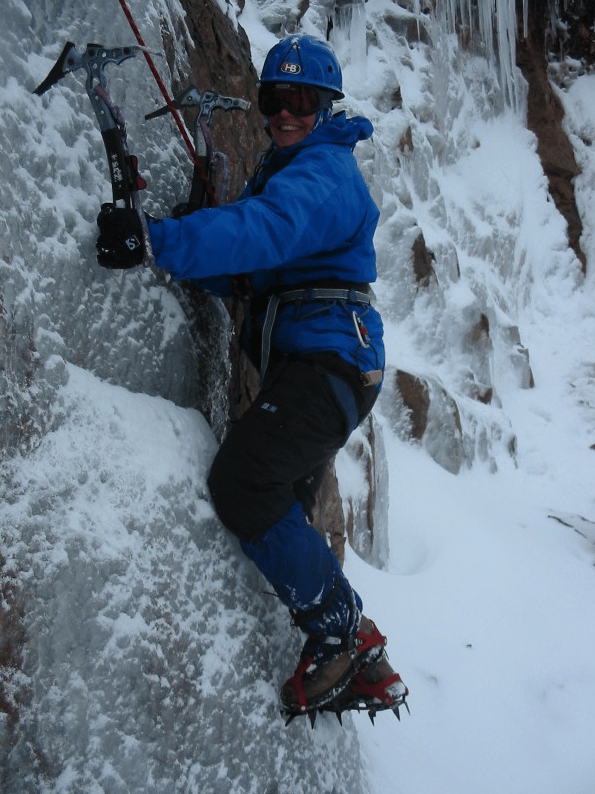
Yes, learning how to use an ice axe and crampons is a core part of the course. Early in the trip, you will receive practical instruction on how to walk, self-arrest, and move safely on snow and ice with these essential tools. This training builds confidence and ensures you know how to manage yourself in different winter conditions.
These skills will be practised throughout the expedition, with the instructors providing continuous feedback to help you improve. By the end of the course, you should be comfortable and competent in using this equipment for winter hillwalking and mountaineering.
The itinerary is flexible and will be adapted daily based on weather conditions and safety considerations. In poor weather, the instructors might focus more on technical skills training, such as navigation and shelter building, rather than peak ascents. Safety is the priority at all times, and the team will always make decisions to minimise risk.
If conditions are very severe, there is an option to pause or shorten the trip, or relocate to safer terrain nearby. The instructors are experienced in managing mountain weather and will communicate clearly with participants about any changes to plans.
Navigation training is an integral part of the course, focusing on using maps, compasses, and GPS devices in winter conditions. You will learn how to interpret snow-covered terrain and identify safe routes, as well as techniques for navigating in low visibility such as fog or snowfall.
Practical sessions will include night navigation and route planning, equipping you with the confidence to travel safely on your own in challenging environments. These skills are essential for anyone looking to progress in winter mountaineering or backcountry expeditions.
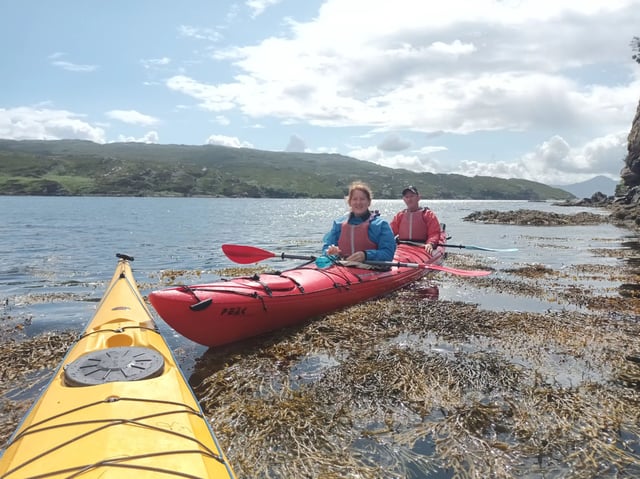
Epic adventure across the loch. Great tuition and equipment. Had a great afternoon out.
We had an amazing time! Beautiful location and a great guide!
Operated by Mountain & Sea Guides, a partner of adventuro.
Highlands & Islands, United Kingdom
From £310

Vancouver Island and Coast, Canada
From £1150
Highlands & Islands, United Kingdom
From £850