We partner with Rewilding Britain to help protect our natural spaces for future adventures.
All centres are vetted for safety and quality. Your adventure is in good hands with adventuro.
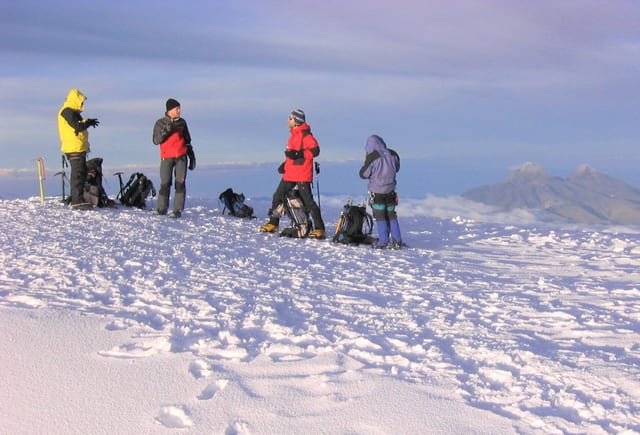
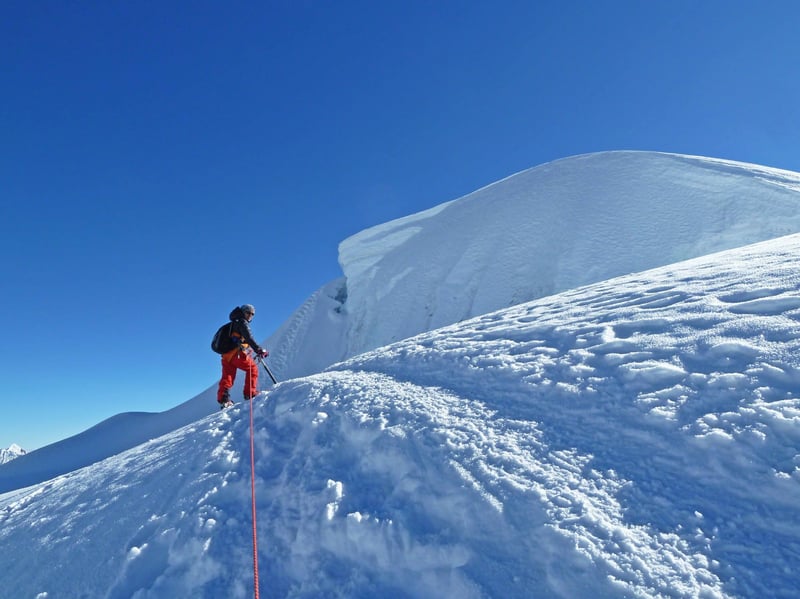
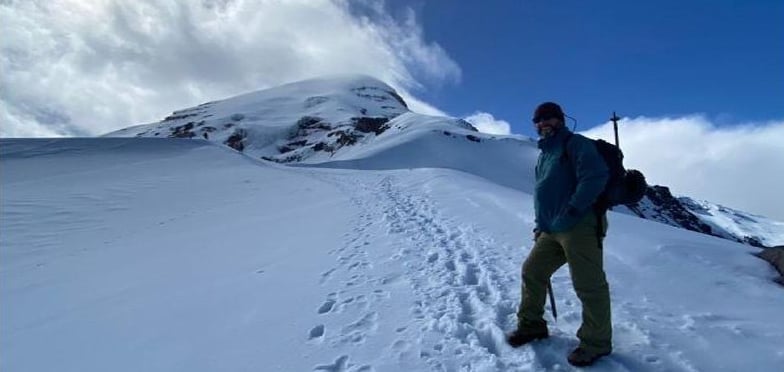
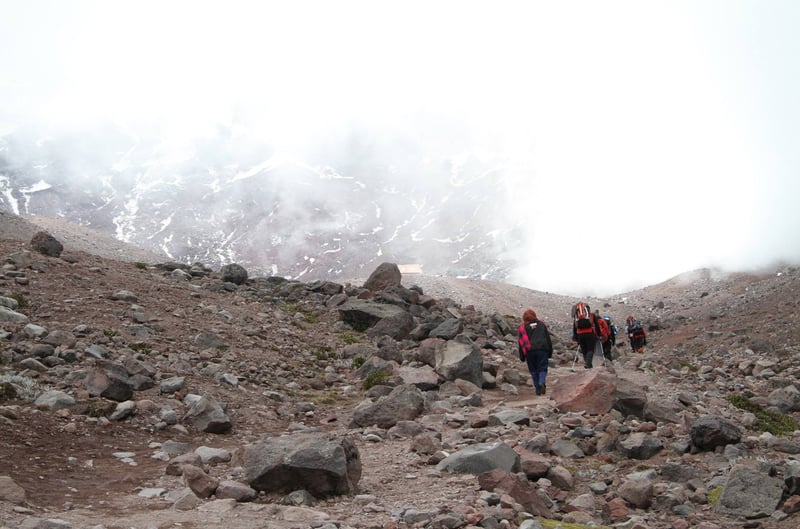
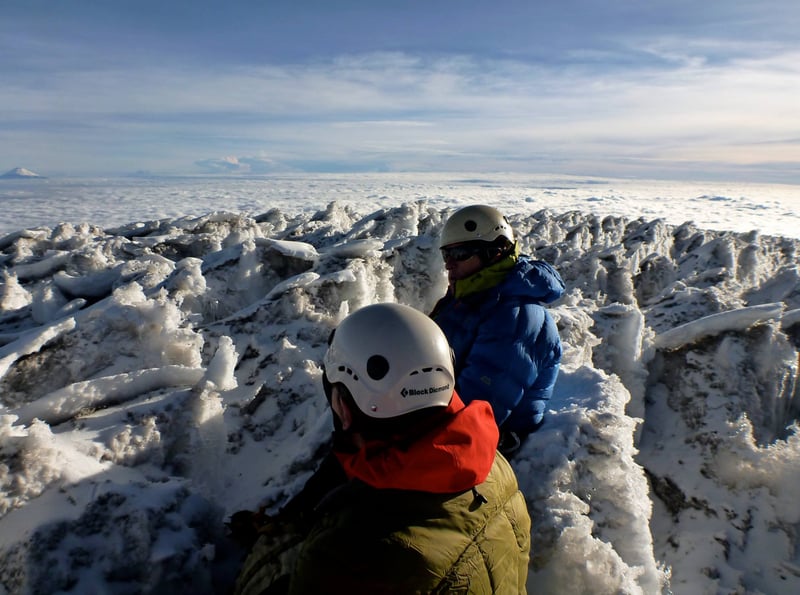
Chimborazo Volcano offers a two-day high-altitude climbing challenge to Ecuador’s highest peak and the closest point on Earth to the sun. This expedition combines technical mountaineering with wellness activities like yoga and breathing exercises to support acclimatisation and endurance. The climb demands physical strength and mental focus amid spectacular Andean landscapes.
The experience begins with a morning pick-up from your location in Quito or Riobamba followed by a drive of approximately four and a half hours to Chimborazo Fauna Production Reserve. Upon arrival at the refuge at 4800 metres, you will undergo a detailed briefing covering rope safety, crampon use, and other technical skills essential for the climb. Afternoon options include an acclimatisation hike to the high camp at 5400 metres to prepare for the summit attempt.
Summit day starts at midnight with a cold, early departure towards the first summit, Veintimilla, and then onward to the highest point, Whymper Peak at 6310 metres. The ascent can take between 7 to 11 hours depending on your starting point and fitness. After reaching the summit, climbers enjoy time for photos before descending approximately four hours back to the refuge for a well-earned breakfast and rest. The trip concludes with a return to your starting location in the early evening.
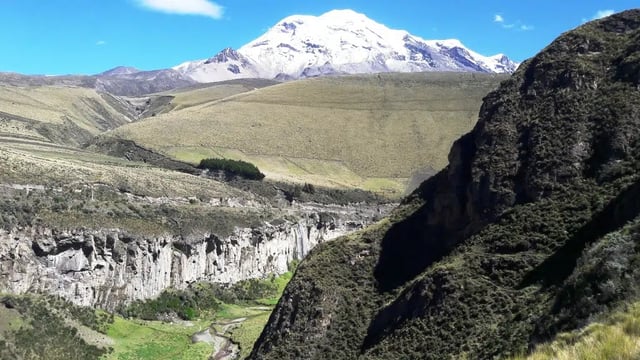
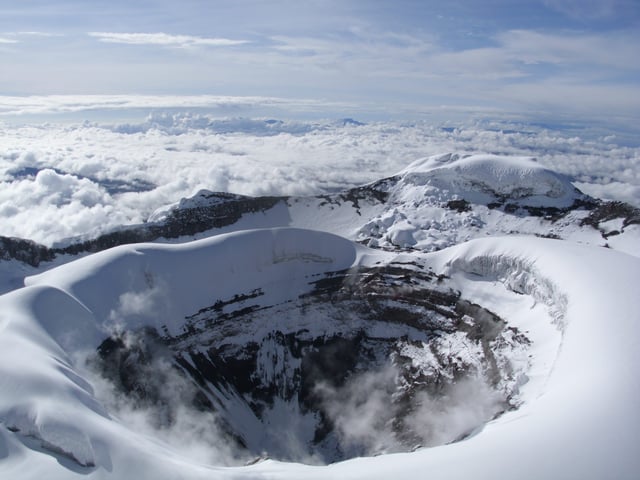
Chimborazo Volcano is located in the central Andes within the Chimborazo Fauna Production Reserve near the city of Riobamba. The reserve protects unique Andean ecosystems and is known for its towering snow-capped peak, which, due to Earth’s equatorial bulge, is the furthest point from the Earth’s centre.
The terrain features glaciers, volcanic rock, and steep slopes, creating a challenging environment for climbers. Weather conditions can be extreme with cold temperatures, snow, and strong winds common at altitude. Proper preparation and technical skills are essential to navigate this environment safely.
Lodging is arranged at the Carrel refuge, situated at 4800 metres within the reserve. This mountain shelter provides basic communal dormitories and dining areas, offering shelter and warmth at high altitude.
The refuge facilitates acclimatisation and provides a secure base for technical briefings, equipment checks, and rest before and after the summit climb. It also supports the wellness activities incorporated into the itinerary, such as yoga and breathing exercises.
Participants must have strong high-altitude mountaineering experience and be familiar with glacier travel techniques including crampon use, rope handling, and ice axe skills. A high level of fitness and endurance is required to manage prolonged exertion at extreme altitude.
Wellness components assist in acclimatisation and mental focus but do not replace the need for technical ability or physical preparation. Climbers should bring appropriate layered clothing and personal technical equipment to meet the demands of this challenging ascent.
With over a decade of experience in South American mountain tours, this operator offers expert guidance combined with holistic wellness practices to enhance safety and enjoyment. Their bilingual guides specialise in high-altitude climbing and incorporate yoga and mindfulness to support climbers physically and mentally.
Their responsible tourism ethos ensures respectful interaction with the mountain environment and local culture. This approach provides a well-rounded, supportive experience for those seeking to reach Ecuador’s highest peak.
The ascent involves glacier travel on steep, icy slopes requiring confident use of crampons, ice axes, and rope systems. Technical mountaineering experience is necessary to navigate safely.
Guides provide instruction and support, but prior knowledge and practice in these skills are essential to complete the climb successfully.
Climbers should have excellent endurance and strength to handle extended hours at extreme altitude. The physical challenge is significant due to the length and steepness of the ascent.
While wellness sessions assist acclimatisation, participants must prepare physically ahead of time for the strenuous climb.
Essential gear includes layered technical clothing for cold and windy conditions, insulated boots compatible with crampons, gloves, hats, and UV-protective sunglasses.
Personal climbing equipment such as crampons, ice axe, harness, helmet, and ropes are required unless provided or rented. A backpack with hydration and energy snacks is also recommended.
Yoga, stretching, and breathing exercises improve oxygen uptake, flexibility, and mental calmness, aiding acclimatisation and reducing fatigue during the climb.
These practices promote focus and decision-making skills, contributing to overall safety and a positive mountain experience.
The Carrel refuge offers basic dormitory-style accommodation and shared dining spaces. It provides a warm and secure environment vital for rest and acclimatisation at high altitude.
The refuge is the base for technical briefings, equipment checks, and wellness sessions, making it a supportive environment throughout the expedition.
Summit day varies between 7 to 11 hours, depending on the starting point and individual fitness. The descent typically takes around four hours back to the refuge.
Climbers should be prepared for a full day of sustained effort in challenging conditions.
Yes, the itinerary includes gradual altitude gain with technical training and wellness practices to help the body adjust to high altitude.
Guides closely monitor participants to manage altitude sickness risks and ensure safety during the ascent.
Safety is paramount, so the summit attempt may be postponed or cancelled due to poor weather. Alternatives such as extra acclimatisation or early descent are offered when necessary.
Guides continually assess conditions to prioritise participant wellbeing.
Meals listed in the itinerary, including breakfast, dinner, and snacks, are provided to maintain energy and nutrition.
Additional meals outside the itinerary are not included. Dietary requirements should be communicated in advance.
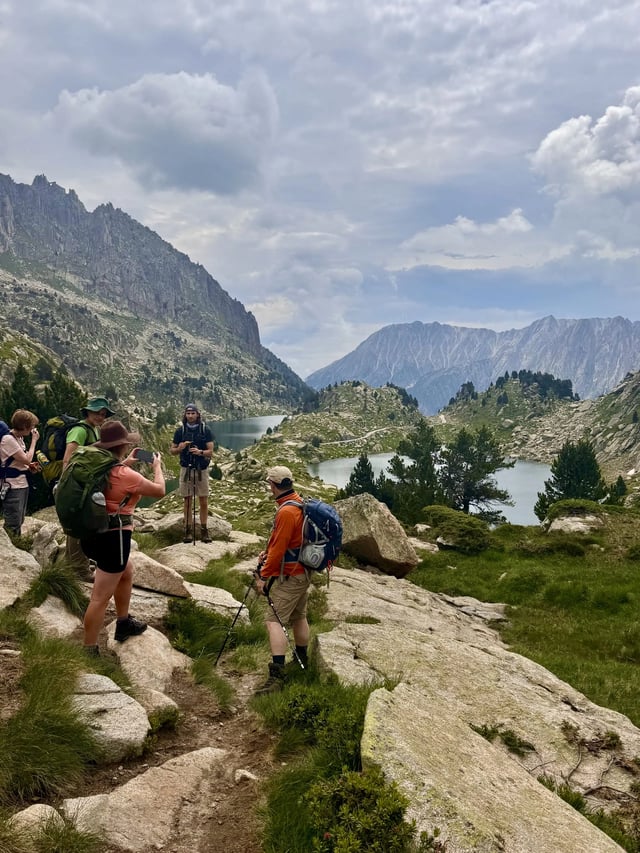
Cataluña (Catalonia), Spain
From £1350
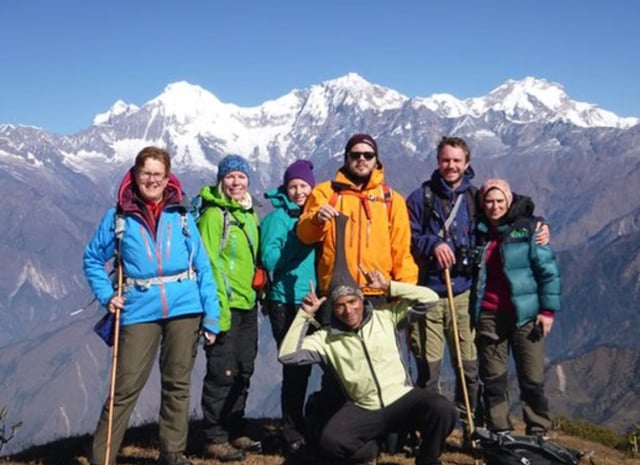
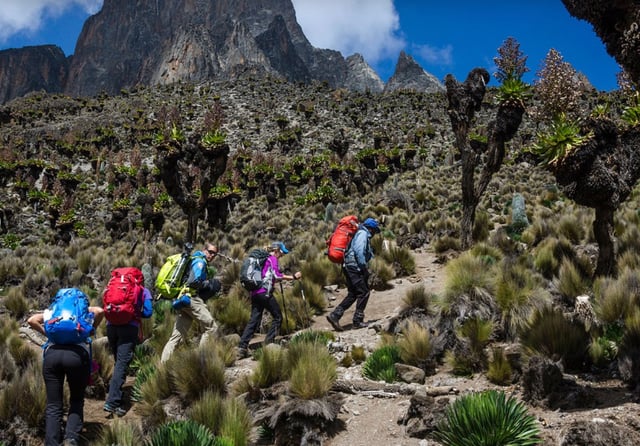
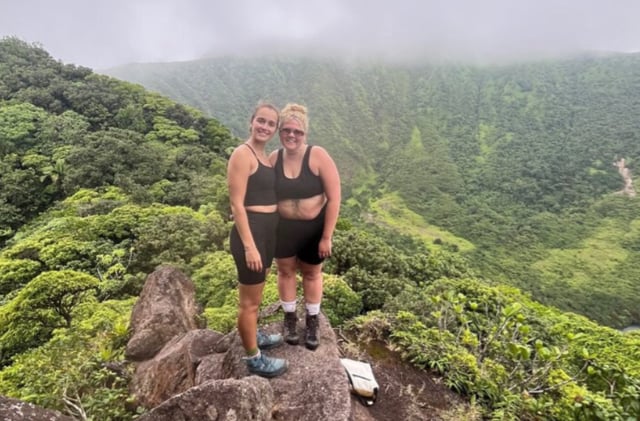
Basseterre & South Peninsula, Saint Kitts and Nevis
From $275
Basseterre & South Peninsula, Saint Kitts and Nevis
From $100
About the centre
Quito, Ecuador
Operated by Responsible Travel, a partner of adventuro.

Quito & Avenue of Volcanoes, Ecuador
From $4035