
We partner with Rewilding Britain to help protect our natural spaces for future adventures.
All centres are vetted for safety and quality. Your adventure is in good hands with adventuro.
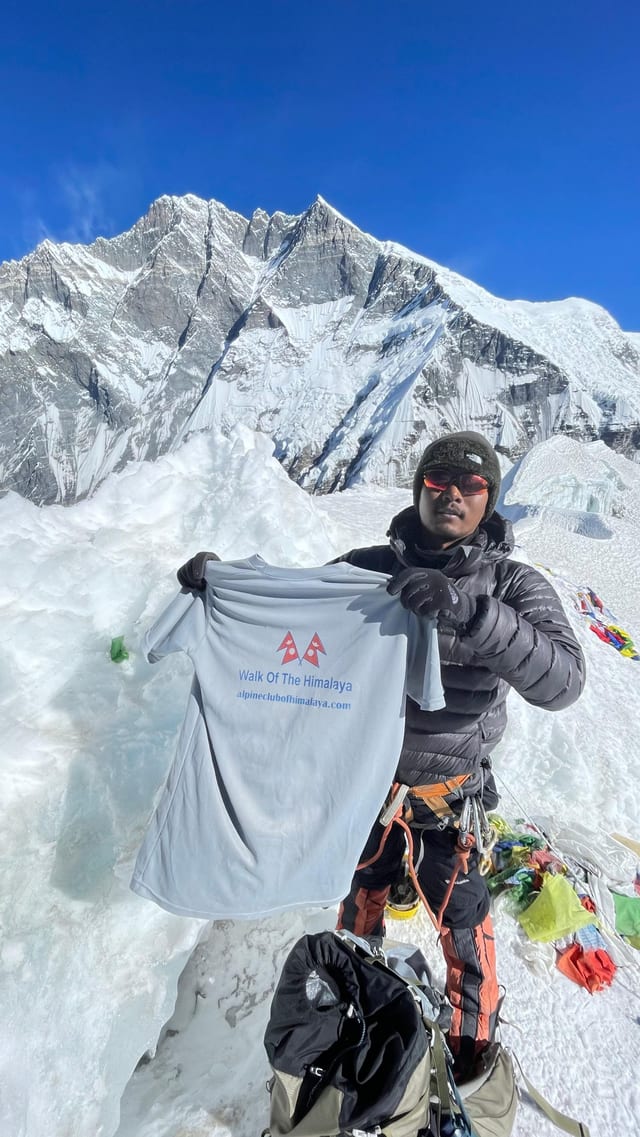
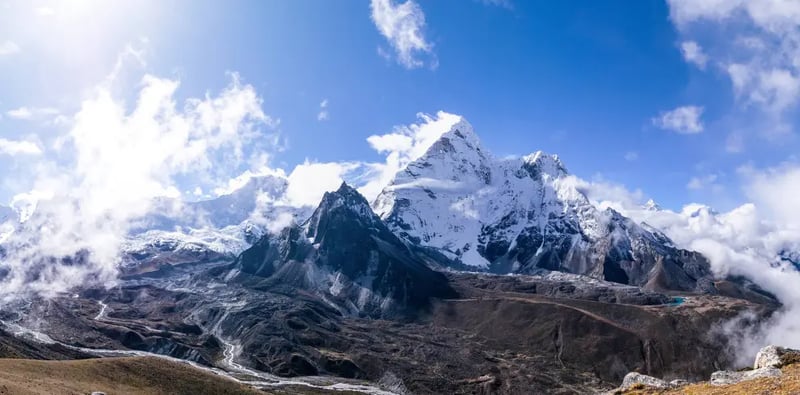
Once the Thamel briefing and Lukla flight are done, the Khumbu approach runs through Phakding, Namche, Tengboche and Dingboche, with a rest day at Namche so height gain matches a standard Base Camp walk. Dingboche is where the route turns up the Imja Valley to Chhukung and Island Peak Base Camp. A skills day covers crampons, jumar and rope travel before the summit block, and approach days are usually four to six hours.
Fixed lines on the ridge are used on summit morning, with an alpine start and a turn-around time if wind or snow makes the crest a poor idea. Descent then runs through Pangboche and Namche to Lukla for the Kathmandu flight. Teahouse nights cover the approach. High camp is more basic. Porters and the climbing crew move group gear, and walking-day meals are included.
Island Peak and Sagarmatha climbing permits, Lukla flights, group ropes and a licensed climbing leader are arranged from Kathmandu. Briefing time covers the Khumbu approach, the training day and how the summit decision is made. Evacuation planning sits with the same team as the lodge bookings.
Wind or snow on the crest means turning around. Skills session and ridge are led by the climbing guide, not left as a self-managed scramble. Porter support stays with you from Lukla to high camp and back.
Airport welcome, hotel transfer, evening briefing, and welcome dinner before the Island Peak climb.
After you land, a team member can meet you at the airport or your hotel in Thamel when transfer details are shared in advance. Use the afternoon to rest, hydrate, and unpack kit you will need on the trail.
Your lead guide introduces the route, checks permits and insurance wording, and answers questions about altitude, packing, and tipping customs before the mountain days begin.
An early flight into Lukla opens Himalayan views before you meet the trail crew. A gentle walk along the Dudh Koshi through pine forest and suspension bridges brings you to Phakding for your first teahouse night.
Sherpa villages and suspension bridges line the river valley. Porters usually pass ahead so your main bag is waiting at the lodge when you arrive.
Even on shorter first days, hydrate steadily and keep sunscreen handy on open sections. Your guide checks how everyone feels before tomorrow's climb toward Namche.
Cross prayer-flagged bridges and climb the main trail into Namche Bazaar, the Sherpa hub of the Khumbu. Everest, Lhotse, and Ama Dablam begin to dominate the skyline as you gain height.
The climb from the river includes the famous Hillary suspension bridge and a steady pull into the amphitheatre of peaks above town. Bakeries, gear shops, and espresso stops make Namche a welcome rest hub.
Spend the evening sorting layers for higher cold and charging devices while power is available. Your guide may outline acclimatization hikes or tomorrow's trail time over dinner.
A rest day in Namche with short hikes higher, then back to the same lodge to sleep low. This extra time helps lungs adapt before you push toward Tengboche.
A popular option is the hike toward Everest View Hotel or Khumjung for wider panoramas, then return to town. Even a few hundred metres higher helps your body adapt.
Use the afternoon for gear checks, optional museum visits, or a slow stroll through market stalls. Skip alcohol and drink plenty of fluid so appetite stays strong.
Walk through rhododendron forest with Ama Dablam overhead until Tengboche monastery appears on the ridge. Many groups pause for monastery views before settling into the lodge below the gompa.
If timing allows, listen for chanting and watch light change on the ice walls. Ask your guide about respectful photography inside sacred spaces.
The lodge area sits just below the gompa; evenings cool quickly once the sun drops. Pack a warm layer for dinner and turn in early if tomorrow climbs higher.
The trail opens into alpine country with wider views toward Lhotse and neighbouring summits. Dingboche spreads across stone-walled fields where the air already feels noticeably thinner.
The Imja Khola valley widens here and walking feels more exposed, so windproof layers help even on clear afternoons.
Turn in early if tomorrow is another walking day or a ridge hike for acclimatization, depending on your confirmed schedule.
You walk at a comfortable pace, with tea stops and altitude checks along the way.
The goal is to climb high and sleep low: short hikes above camp, then return to the same lodge for the night. This is one of the most important days for safe altitude gain later in the trip.
Use the time for laundry, charging devices where available, and light stretching. Avoid alcohol and stay hydrated; your guide may check how you slept and how appetite is holding up.
You walk at a comfortable pace, with tea stops and altitude checks along the way.
Walking pace stays steady with breaks for water, snacks, and photos. Lunch is usually in a teahouse en route; dinner and breakfast are at the lodge where you sleep, often dal bhat or hot noodle dishes.
Carry rain gear and layers in your daypack even when mornings look clear. Tell your guide about headaches, nausea, or knee pain early so tomorrow's stage can be adjusted if needed.
Island Peak days mix Khumbu teahouse walking with a high camp and a technical summit push. Your climbing guide sets rope plans and turn-around times.
Alpine starts are common when weather windows are narrow. Crampons, harness, and head torches should be ready the night before; your climbing guide confirms rope plans and turn-around times for safety.
Summit attempts depend on fitness, snow conditions, and group consensus. Reaching the top is celebrated, but a controlled descent when conditions worsen is always the right call.
First day of the published days 10 to 11 climb toward Island Peak (6,165 m) with fixed ropes and guide support.
Alpine starts are common when weather windows are narrow. Crampons, harness, and head torches should be ready the night before; your climbing guide confirms rope plans and turn-around times for safety.
Summit attempts depend on fitness, snow conditions, and group consensus. Reaching the top is celebrated, but a controlled descent when conditions worsen is always the right call.
Second day of the published summit block; complete the attempt and return to Island Peak Base Camp when safe.
Alpine starts are common when weather windows are narrow. Crampons, harness, and head torches should be ready the night before; your climbing guide confirms rope plans and turn-around times for safety.
Summit attempts depend on fitness, snow conditions, and group consensus. Reaching the top is celebrated, but a controlled descent when conditions worsen is always the right call.
A long descent from high camp returns oxygen to your legs step by step. Lunch in a lower village breaks up the day before you reach the lodge for a warmer, easier sleep.
Downhill days feel faster but hammer knees on long stone steps. Trekking poles and steady pacing protect joints as oxygen gradually feels richer.
You will notice details missed on the ascent: side valleys, chortens, and village life.
Gravity helps on the return through familiar Khumbu villages, with time to notice trailside details you missed on the way up. Hot showers and bakery stops in Namche feel like a reward after high camp.
Downhill days feel faster but hammer knees on long stone steps. Trekking poles and steady pacing protect joints as oxygen gradually feels richer.
You will notice details missed on the ascent: side valleys, chortens, and village life. Lunch stops break up the drop in elevation before the next lodge night.
The last full walking day drops through forest and farmland toward Lukla airstrip. Celebrate with your crew over dinner and pack flight documents where you can reach them at dawn.
The trail crosses one last round of bridges before the airstrip town. Weather can still shift flight times, so keep one clean outfit and documents packed separately.
Early bed helps when a dawn airport call comes. Your guide confirms tomorrow's briefing if you fly out in the morning.
Morning flight from Lukla to Kathmandu when weather allows, then time to rest in Thamel.
Queues at Tenzing-Hillary Airport move quickly when the weather window opens; stay near the gate with your passport ready. Weight limits are strict, so confirm which bags fly with you and which porters carry down separately.
Back in Kathmandu you can shower, sort laundry, and enjoy a proper meal in Thamel. Share flight times with your hotel so airport transfers or international connections stay on track if the mountain sector runs late.
Transfer to Tribhuvan International Airport for your onward flight. Keep insurance details handy until you are fully home.
Allow time for airport traffic in Kathmandu and keep insurance details handy until you are home. Porters and guides appreciate farewell tips in an envelope when you are happy with the service.
If Lukla or road delays shortened a buffer day, confirm international flight changes with your airline as soon as you have a new departure time from the team.
Meet in Thamel, fly Lukla, and trek the approach with standard Khumbu acclimatization pacing before the Imja diversion.
Carry insurance that explicitly covers technical climbing and high-altitude evacuation.
Skills-day plans and high-camp expectations are covered at the Thamel hotel, in a twin or double with a private bathroom and breakfast, both before Lukla and after the return. Airport pickup is available when flight times are shared. City nights are also the buffer if the mountain sector moves.
Imja Tse high camp is tented, cold and shared, with a toilet tent rather than a lodge bathroom, after standard Khumbu teahouses at Phakding, Namche, Tengboche, Dingboche and Chhukung and a more basic night at Island Peak Base Camp. A four-season bag is needed. Teahouse beds are reserved from Kathmandu, and group tents and ropes are carried for the alpine nights. Showers and charging on the walk-in are paid when they are offered.
It is introductory mountaineering rather than a walk. You use crampons, a harness, and jumar on fixed lines above high camp on a narrow crest.
A skills session in the Imja Valley refreshes those moves before the alpine start. If ropes are new to you, say so early so the training day can go slowly.
Experience above 4,000 metres is strongly recommended so the Khumbu approach and Chhukung nights are not your first meeting with thin air.
The itinerary still includes acclimatisation hikes. Previous teahouse treks make the technical day safer because you already know how you sleep at height.
You follow Khumbu trails as far as Dingboche and Chhukung, then turn up the Imja toward Island Peak rather than spending the highlight day at the icefall.
Side trips depend on the confirmed schedule and how the group is feeling. The climbing objective is Imja Tse, not a full EBC circuit.
Mountaineering boots, crampons, harness, helmet, and an ascender are the usual personal set, plus clothing for a pre-dawn ridge.
Group ropes and some shared equipment come with the team. The Thamel briefing is where we check fit so you are not discovering a problem at high camp.
The policy must cover technical climbing, high-altitude trekking, and helicopter evacuation, not only walking on teahouse paths.
Many standard policies exclude Island Peak by name. Send the wording on Adventuro Chat before you travel so we can flag a gap while you can still change it.
Spring and autumn are the climbing windows. Monsoon snow and winter cold on the Imja glacier make the ridge a poor idea.
Shoulder weeks need an honest weather call. We would rather wait a day at Chhukung than push fixed lines in high wind.
Yes. Your climbing guide runs a dedicated session on crampons, jumar, and rope travel in the Imja Valley before you occupy high camp.
Take that day seriously even if you have climbed before. The Island Peak ridge is short and exposed, and shared habits keep the line moving safely.
No. Fitness, snow, wind, and the guide’s turn-around time decide whether you continue above high camp.
A controlled descent when conditions worsen is the right call. You still walk out through Pangboche and Namche with a full Himalayan approach behind you.
Island Peak climbing permits and Sagarmatha papers are arranged in Kathmandu with your passport copies before the Lukla flight.
Keep copies in your daypack. Peak permits are checked on the approach, and the team will not move to base camp without them in order.
Build buffer days after the expedition. Weather can close the airstrip even in peak season, on the way in or the way out.
We update you as soon as the morning window is known. Flexible international tickets and an extra Kathmandu night save a lot of stress after a summit week.


About the centre
Kathmandu
We are a Kathmandu-based team of licensed trekking and mountaineering guides who lead small groups through the Everest, Annapurna, Manaslu, and peak-climbing routes of Nepal. Every itinerary is built around steady acclimatization, reliable local logistics, and tea-house or lodge nights that keep you comfortable after long days on the trail.
From your arrival briefing in Thamel to the flight to Lukla or the roadhead for western circuits, we handle permits, domestic connections, porter support, and experienced lead guides who know these valleys season by season. Whether you are aiming for a classic base camp, a high pass, or a summit attempt, we focus on safety briefings, realistic pacing, and warm Sherpa hospitality so you can enjoy the journey as much as the destination.
Operated by Alpine Club of Himalaya, a partner of adventuro.
