
Ready to find a course or session?
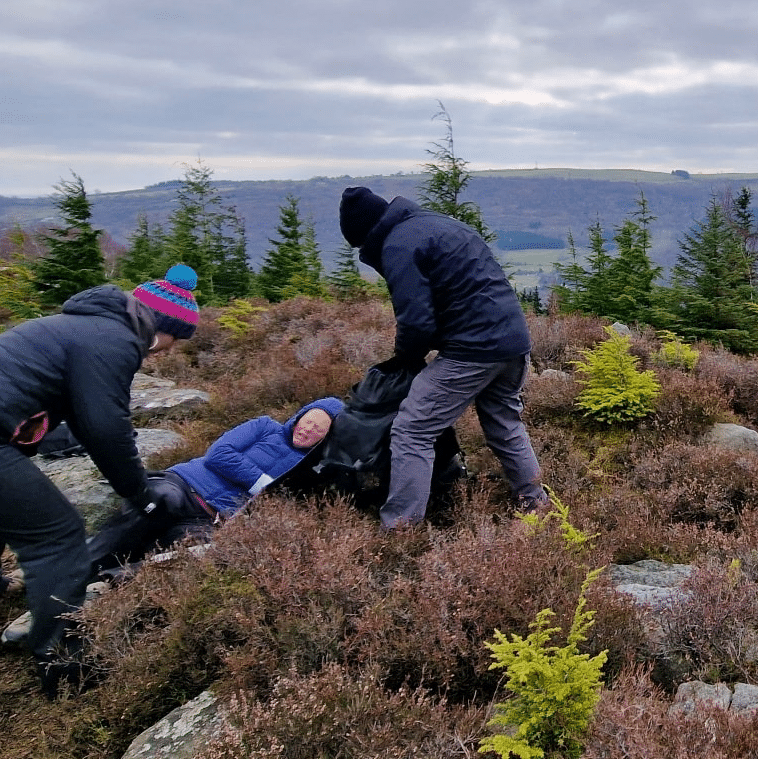
Outdoor First Aid sixteen-hour is the qualification mountain leaders, paddle coaches and expedition staff book when the ambulance is not in the car park. FAA and REC providers deliver two full days of scenario training in kit you might actually wear on a hill or riverbank: hypothermia, fractures, major bleeds and CPR on wet grass.
Workplace one-day emergency courses teach valuable skills but rarely rehearse prolonged care, improvised carries or environmental injuries remote teams face. National Governing Bodies including Mountain Training and Paddle UK pathways commonly specify sixteen contact hours from outdoor-specialist syllabi. Check your exact award wording before booking a shorter course.
Kneeling on cold ground beats a clean classroom floor for remembering compression depth. Certificates last three years. Refresh before expiry if you are mid-season on leader assessments. Lapsed first aid blocks registration even when your navigation is sharp.
Leaders who treat outdoor first aid as a tick-box Saturday often discover the gap on a real hillside casualty. Scenarios exist so your hands know what to do when the group is watching.
Outdoor First Aid is assessed continuously through practical scenarios over both days. Most courses have no formal written exam.
Quick answers about this qualification. For anything else, use live chat or browse bookable activities below.
Find activitiesA two-day outdoor-specialist first aid qualification from FAA or REC providers covering remote incident management, major trauma and environmental injuries on hills, rivers and coastlines.
It targets people working or leading where professional help may be delayed, not office workers who only need a one-day emergency certificate for HSE compliance.
No prior first aid qualification is required, though many candidates hold an expired workplace certificate they are upgrading. Suitable for outdoor professionals and serious hill walkers wanting proper remote care training.
You should be able to kneel, bend and perform CPR drills repeatedly over two days outdoors. Tell providers about injuries or mobility needs when you book so scenarios can be adapted.
More time on hypothermia, fractures, evacuation decisions and outdoor scenarios in weather and terrain. Workplace courses skip prolonged care outdoors leaders need.
Your NGB may reject one-day certificates even if recently issued.
Assessment is continuous practical scenarios and skills checks. Providers may use short quizzes but emphasis is on what you do outdoors.
CPR depth gets practised until instructors are satisfied, not once.
Typically three years. Renew with a full sixteen-hour course or approved refresher per provider policy.
Book refresh before spring assessment season if your card expires mid-year.
Meet sixteen-hour outdoor first aid requirements for many Mountain Training, Paddle UK and outdoor instructor pathways. Support expedition and DofE teams with rehearsed incident management beyond basic workplace courses.
Leave a comment when you book naming your target NGB award so the provider confirms syllabus acceptance before you pay for the wrong weekend.
You kneel, lift and move outdoors in scenarios. Not athletic, but not sedentary. Tell providers about injuries or mobility needs in advance.
Outdoor clothing and waterproofs required even in summer.
Outdoor kit you can kneel in, waterproofs, lunch, water, personal medication. Providers supply manikins and training materials.
Scenario days go outside in British weather. Warm layers matter.
Both deliver recognised sixteen-hour outdoor courses if the syllabus matches NGB expectations. Employers may prefer one brand on policy documents.
Check acceptance if your centre is picky; most outdoor sectors accept both.
Often yes, and it exceeds minimum workplace content. Some employers still want explicitly labelled workplace FAW. Outdoor leader pathways want outdoor sixteen-hour regardless.
Book for the strictest requirement you face.
adventuro lists Outdoor First Aid sixteen-hour courses from FAA and REC providers UK-wide. Compare weekend versus block dates and NGB acceptance notes on listings.
Book early in the year before leader assessment slots fill.

Unlock outdoor first aid skills in a 2-day course. Suitable for all ages. From £95pp. Experience hands-on learning in diverse outdoor settings.
From £ 95

Outdoor first aid over one or two days from £150; scheduled two-day courses at Harrogate Business Park and Marrick Priory; ages 16+.
From £ 150
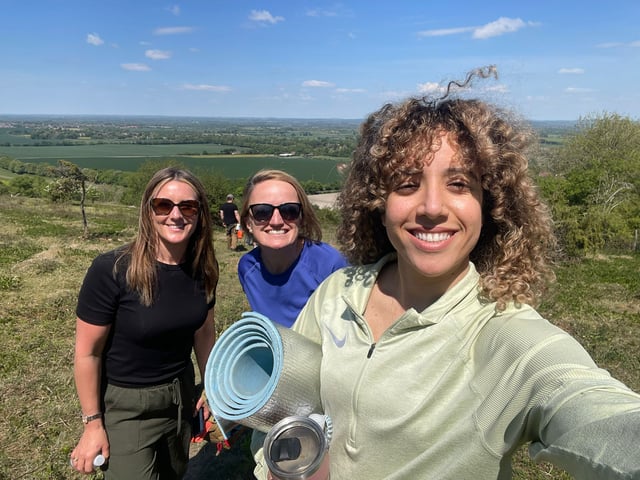
An immersive weekend of training in Snowdonia National Park, combining navigation, outdoor first aid, and mountain safety with real hill days on Welsh peaks. Based in Betws-y-Coed.
From £ 375
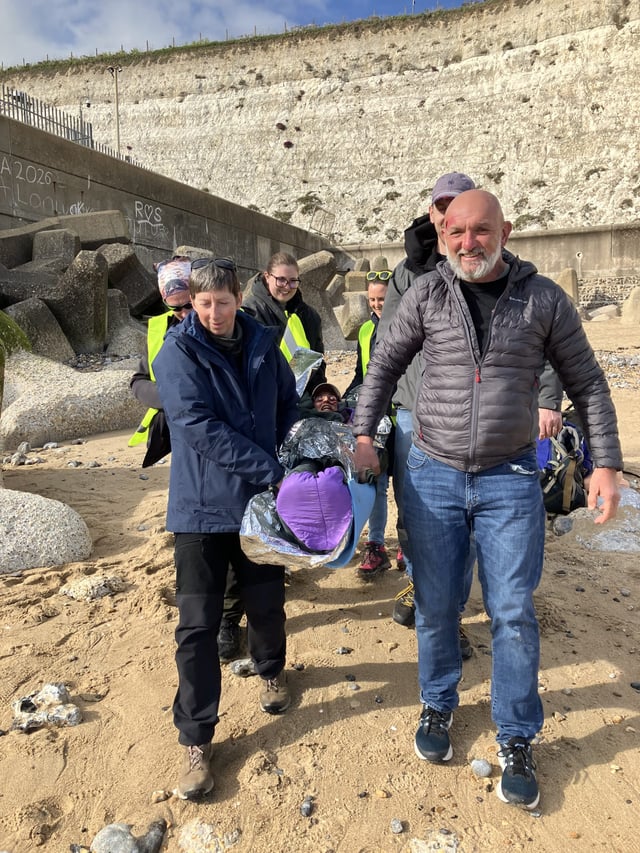
Outdoor first aid training in Brighton over one or two days. Accredited Qualsafe course covering real outdoor scenarios, CPR, injuries and emergency response skills. Valid 3 years.
From £ 98

Join our £155, 2-day outdoor First Aid course at multiple locations. Open to all aged 16+. Limited to 12 spots. Expert instruction from Charlie and Dan. Book now!
From £ 155