
Ready to find a course or session?
ISA Level 2 Surf Instructor is where surf coaching stops being babysitting whitewater and starts looking like athlete development. You already hold Level 1 Surf Instructor and have logged real hours on the beach. This course teaches you to plan progressive sessions for intermediate surfers, read performance, use video feedback and manage busier lineups without losing anyone.
Three or four intensive days mix theory with coached assignments in varied conditions. Expect biomechanics, long-term development frameworks and the politics of mentoring newer instructors. Assessment includes supervised coaching, a detailed logbook and a written exam. Surf lifesaving and first aid must stay current throughout.
Level 2 feels harder than Level 1 because students arrive with egos and habits. Your job is to refine technique without crushing confidence. That tension is part of the training on purpose.
Level 2 is competency assessed through coaching practice, logbook review and a written exam. ISA trainers sign off when you meet performance standards reliably.
Quick answers about this qualification. For anything else, use live chat or browse bookable activities below.
Find activitiesIt is the ISA qualification to coach intermediate surfers with structured progression, analysis and programme planning. You build on Level 1 with deeper theory and independent delivery.
It is aimed at working coaches, not weekend surfers curious about teaching.
Current Level 1 plus at least 100 hours logged surf coaching. Valid surf lifesaving and first aid are required.
Leave a comment when you book with your log summary and certificate dates if Level 1 was completed abroad.
Three to four contact days are typical, plus additional supervised coaching and logbook work afterward.
Student access and swell windows stretch the post-course phase. Start logging before you enrol if hours are thin.
Yes. Level 2 includes a written exam on biomechanics, skill acquisition, risk management and coaching theory alongside practical assessment.
Trainers discuss weak topics in briefing. The exam checks professional knowledge, not surf trivia.
ISA trainers observe your intermediate lessons, review your coaching logbook and assess personal surfing standard.
Feedback is continuous. Extra water time is normal if session planning or analysis needs another run-through.
Yes. Valid surf lifesaving training is required alongside first aid. Many UK coaches hold Surf Lifeguard Award or NVBLQ.
Check your centre accepts your existing award before you travel to the course.
Yes. You coach surfers with opinions, not first-time pop-ups. Theory load is heavier and logbook scrutiny is real.
Most candidates say the step up felt worth it once intermediate sessions stopped feeling improvised.
Full surf kit, wetsuit accessories for long days and a device for video analysis if your centre uses it.
Notebook for session plans. Intermediate coaching is planning as much as surfing.
Lead intermediate programmes, mentor Level 1 staff and pursue senior coaching or contest pathways your employer offers.
Further ISA professional development depends on centre structure and your logged experience.
ISA requires the logged coaching minimum. Centres should not enrol you without evidence.
Build hours teaching beginner sessions after Level 1. Rushing Level 2 with thin experience rarely ends well in assessment.
adventuro lists ISA Level 2 courses at accredited surf centres. Compare assessor dates, logbook support and whether lifesaving refreshers are bundled.
Leave a comment when you book with your Level 1 date and coaching hours so trainers can confirm eligibility.

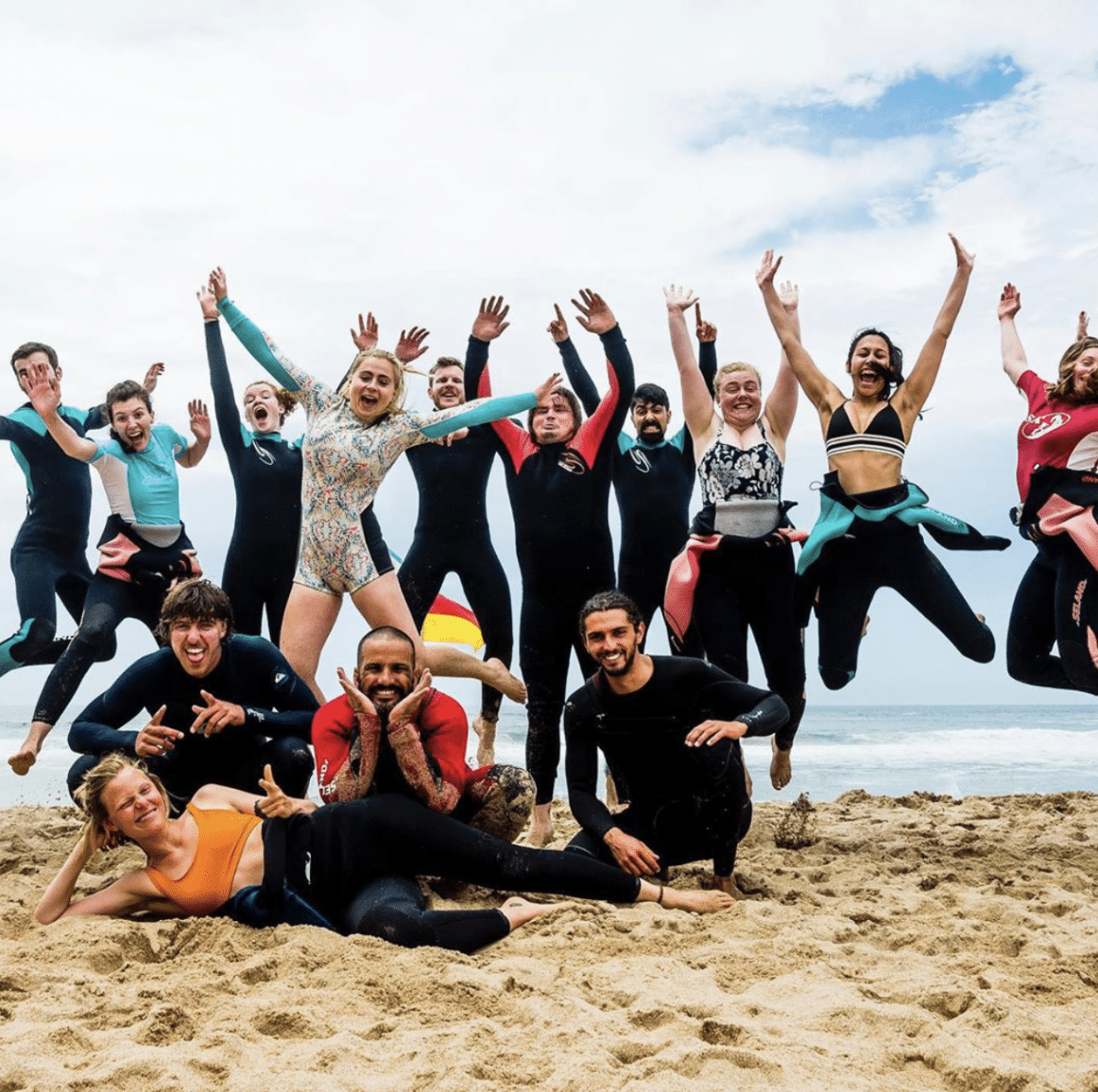
Eight weeks training as an outdoor instructor, from £4200, with shared housing, kit and time on the water.
From £ 4200
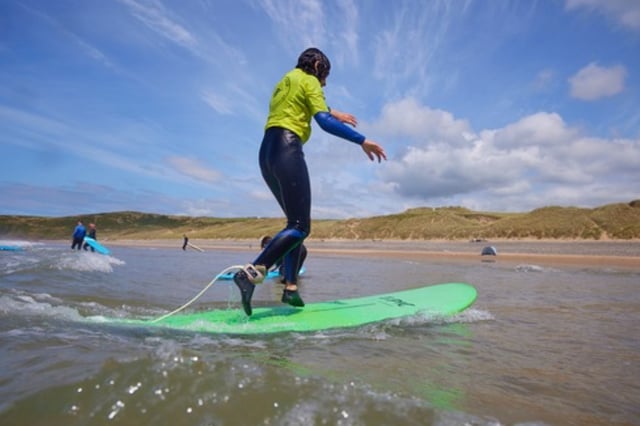
ISA Level 2 surf instructor training over two days, from £350, with kit, video work and water assessments.
From £ 350