

Ready to find a course or session?
The National Coasteering Charter Coasteering Guide Award is the professional qualification for leading commercial coasteering along rocky coastlines where swell, tide and cold water punish vague risk management. You already scramble and swim for fun. This course teaches you to plan sessions, read the marine environment and keep groups safe when every corner reveals a new hazard.
Training and assessment usually run two to three days mixing classroom planning with in-water leadership on real coastal venues. NCC expects strong personal coasteering skills, valid outdoor first aid (often sixteen hours) and evidence you have been in the environment, not just watched videos. Assessors watch you lead peers through scenarios, manage incidents and explain why you chose that jump line rather than the prettier one.
Pass and you can guide paying clients at NCC-accredited centres. Fail a section and you get specific feedback, not vague encouragement. Coastal guiding is serious work dressed in wetsuits and laughter.
Assessors notice when you pick the flashy jump over the safe line. Clients remember the guide who read the tide table at breakfast, not the one who winged it.
Assessment is practical and continuous across the course. NCC assessors evaluate leadership, personal skills and environmental judgment in real coastal conditions.
Quick answers about this qualification. For anything else, use live chat or browse bookable activities below.
Find activitiesIt is the NCC professional qualification for leading commercial coasteering. It covers personal coastal skills, group leadership, risk management and environmental awareness on rocky shorelines.
Accredited UK coasteering centres expect this standard for lead guides.
Experienced coasteerers moving into paid guiding: outdoor instructors, adventure centre staff and lifeguards expanding into coastal work.
Casual participants who have only done one guided trip need more personal hours before applying.
Typically sixteen-hour outdoor first aid valid on the course dates. Some employers want Outdoor First Aid (16 Hr) from REC or FAA providers.
Check expiry before you book assessment week. Lapsed first aid blocks certification even when coasteering skills are strong.
Two to three days combined training and assessment is typical. Modular providers may run training first and assessment on a later tide-friendly date.
Build weather slack. Atlantic swell does not read your annual leave form.
No formal written test. Knowledge shows in briefings, route plans and responses to assessor questions during the course.
Weak tide tables fail candidates before weak jumps do.
Continuous observation while you lead coasteering activities and respond to scenarios. Feedback is ongoing; certification follows when all areas pass.
Assessors want conservative leadership, not the highest cliff jump on the headland.
Valid while you maintain practice, current first aid and NCC expectations. Long gaps or employer policies may trigger refresher training.
Guiding once a summer is not the same as active seasonal leadership. Employers notice.
Primarily recognised in UK and Ireland coastal sectors aligned to British adventure standards. Overseas operators set their own rules.
Check local licensing and insurance before assuming NCC transfers automatically.
Lead guide roles at NCC-accredited coasteering centres and adventure providers. Often combined with kayak, climb or surf qualifications for year-round coastal employment.
You are responsible for groups in cold moving water. The award reflects that responsibility.
Wetsuit, suitable footwear, towel and warm layers for long coastal days. Centres may provide helmets and buoyancy aids.
Personal kit you know fits beats rental on assessment days when you are in and out of the water constantly.
adventuro lists NCC Coasteering Guide Award courses in Wales, Cornwall, Scotland and other coastal regions. Compare residential options, first aid bundles and modular versus block formats.
Book when you have first aid and logbook evidence ready, not as a first coasteering experience.
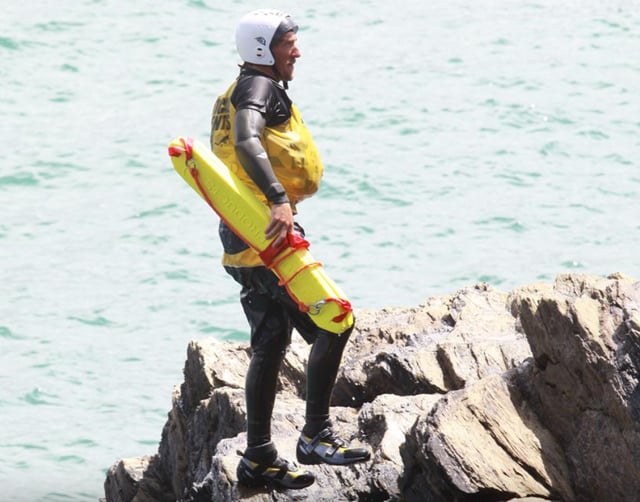
Complete the NCC Coasteering Guide Training Award in Newquay with two days of rescue, guiding and safety training from £150pp.
From £ 200

Gain your NCC Coasteering Guide Award in East Lothian, mastering essential skills in a stunning coastal setting over 2 days.
From £ 220