
Ready to find a course or session?
APPI 2 Explore is where ground handling starts turning into real flying time. You have completed APPI 1 Discover or hold an equivalent IPPI 1 rating, and now the syllabus pushes you toward consistent high flights under instructor supervision. APPI calls for at least ten days of training and ten signed high flights before certification. That sounds like a lot until you remember how often wind cancels a day.
The course adds a theoretical exam, sharper ground handling in variable wind and mental skills around self analysis and decision making. You still fly under instructor supervision with radio contact, and you still carry a certified emergency parachute on high flights. APPI 2 is not independent flying. It is building the habits you will need before APPI 3 Pilot grants autonomy at your learning site.
Most students spread training across weeks or a flying holiday block. Weather drives the calendar more than any classroom timetable. Leave a comment when you book with your APPI 1 completion date and how many flying days you can realistically commit.
APPI 2 assessment combines logbook completion, a theoretical exam and supervised flying performance.
Quick answers about this qualification. For anything else, use live chat or browse bookable activities below.
Find activitiesIt is the second APPI paragliding rating after APPI 1 Discover. You consolidate high flights, pass a theoretical exam and complete logbook tasks while still flying under instructor supervision with radio contact.
APPI 2 does not authorise independent flying. That begins at APPI 3 Pilot for your learning site.
APPI 1 Discover or equivalent to FAI IPPI 1, plus minimum age per local rules. Parent or guardian authorisation if you are a minor.
Leave a comment when you book with your APPI 1 school and logbook pages if you trained outside the APPI system.
APPI requires at least ten training days and ten high flights. Calendar time is often longer because paragliding needs flyable wind.
Some schools run intensive blocks abroad. Others spread sessions across weekends at a local hill. Both are valid if continuity is maintained.
Yes. APPI 2 includes a theoretical exam on weather, mechanics, air laws, piloting and equipment. Your school provides study materials and classroom time.
The exam checks you can apply knowledge on the hill, not memorise trivia unrelated to safe flying.
No. APPI 2 Explore pilots may only fly under instructor supervision with radio communication. You carry a certified emergency parachute on high flights.
Solo autonomy at your learning site arrives with APPI 3 Pilot after further training, flights and exams.
Supervised high flights from training and progression sites: launches, controlled glides, gentle turns and landings coached by radio. Ground handling fills non-flying days.
Your instructor signs each flight in the logbook when standards are met. Rushing the count helps nobody if landings are still inconsistent.
Most schools provide wing, harness, helmet, radio and reserve for training. Sturdy boots, layers and gloves matter on windy hills.
If you are buying kit, wait until your instructor advises on wing class and harness fit. Leave a comment when you book about hire options for your dates.
That is normal paragliding life. APPI counts training days with your instructor, but high flights need suitable wind. Schools reschedule or extend courses when they can.
Leave a comment when you book about flexible dates or modular scheduling if you cannot stay an extra week on holiday.
APPI 3 Pilot, which requires at least fifteen training days, thirty high flights, Thermalling or Dynamic Soaring certification, and practical and theoretical exams.
Many pilots log extra supervised flights between ratings rather than jumping straight into the next block.
APPI certifications are recognised among APPI schools and partner associations worldwide. Where national authorities delegate IPPI to APPI, an IPPI 2 stamp may appear on your licence.
Legal flying rights always depend on local law. Check recognition before flying in a new country.
adventuro lists APPI schools offering APPI 2 on hills and mountain sites. Compare whether exam fees, kit hire and transport are included.
Leave a comment when you book with your APPI 1 completion date, available flying days and whether you prefer modular or intensive training.

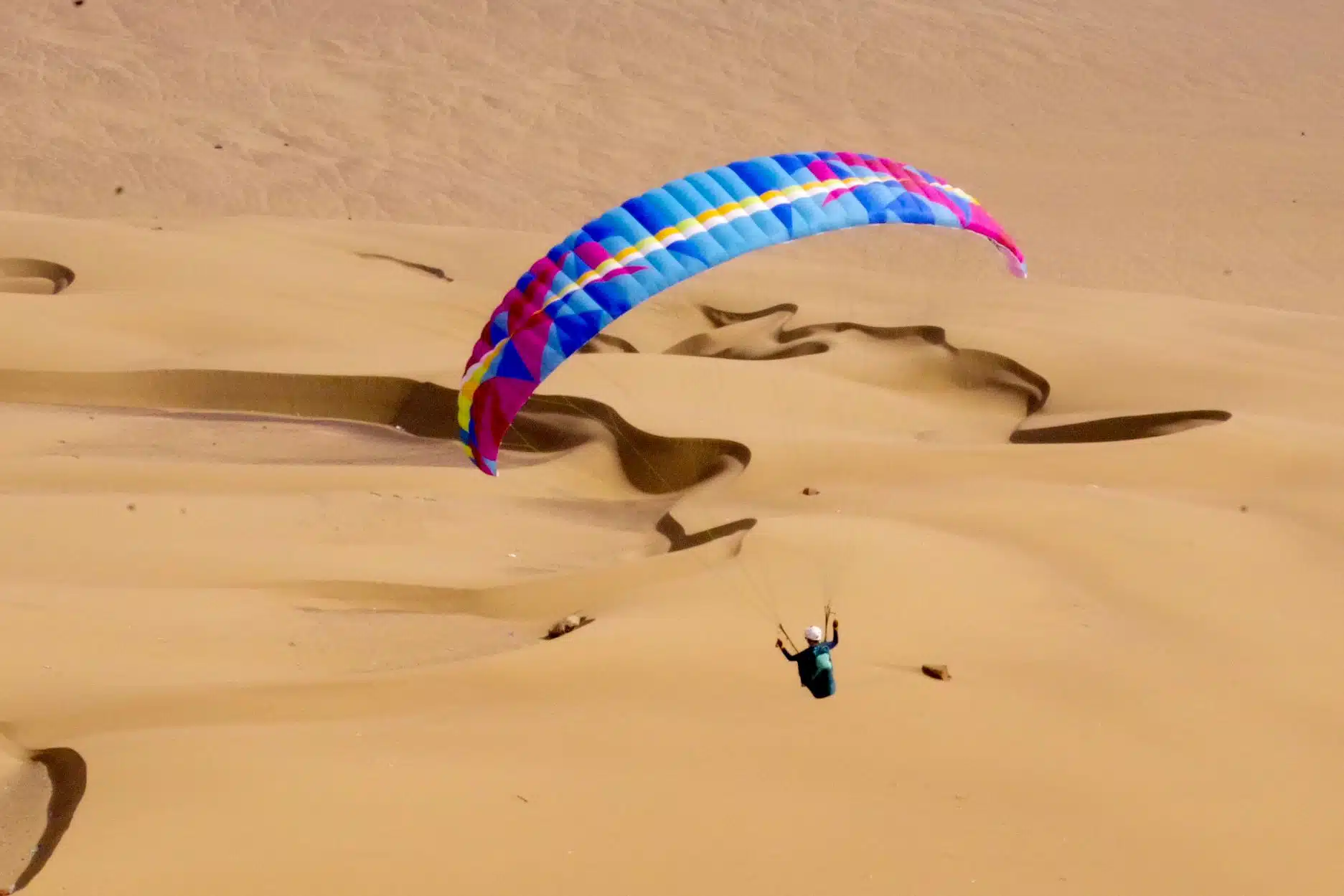
A 15-day camp in the spectacular setting of Iquique, Chile, designed for newcomers, offers a comprehensive introduction to paragliding under the guidance of world-class instructors
From € 3100
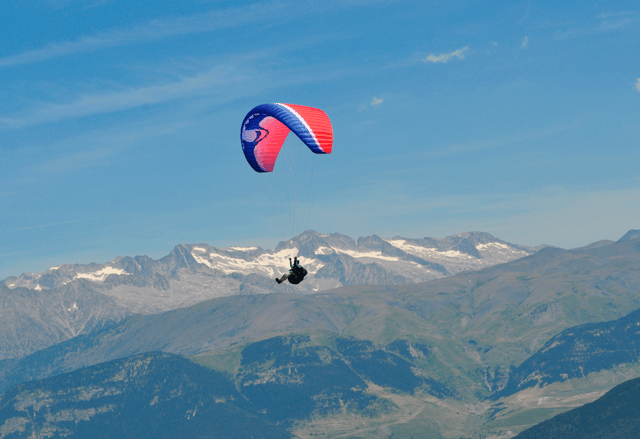
5-day paragliding progression course in Spain with 8–10 flights, thermal intro and autonomy training in Castejón de Sos. From 595 EUR.
From € 595