We partner with Rewilding Britain to help protect our natural spaces for future adventures.
All centres are vetted for safety and quality. Your adventure is in good hands with adventuro.
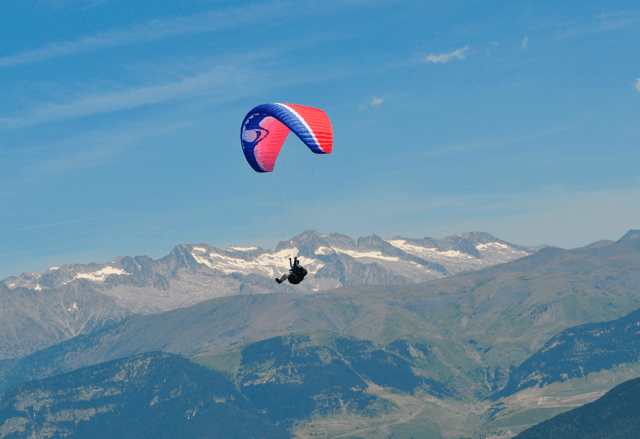
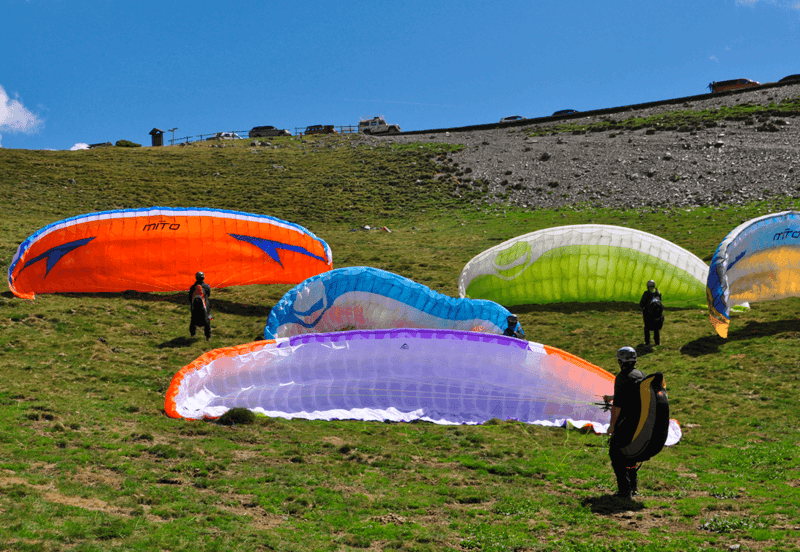
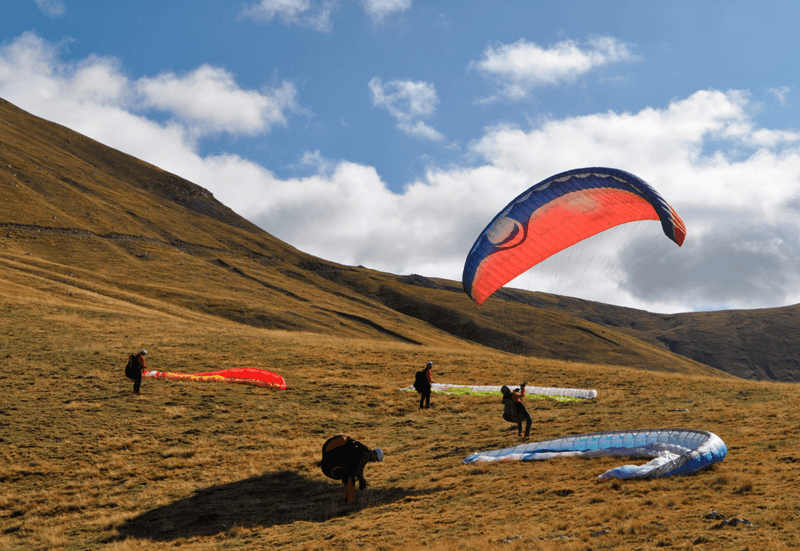
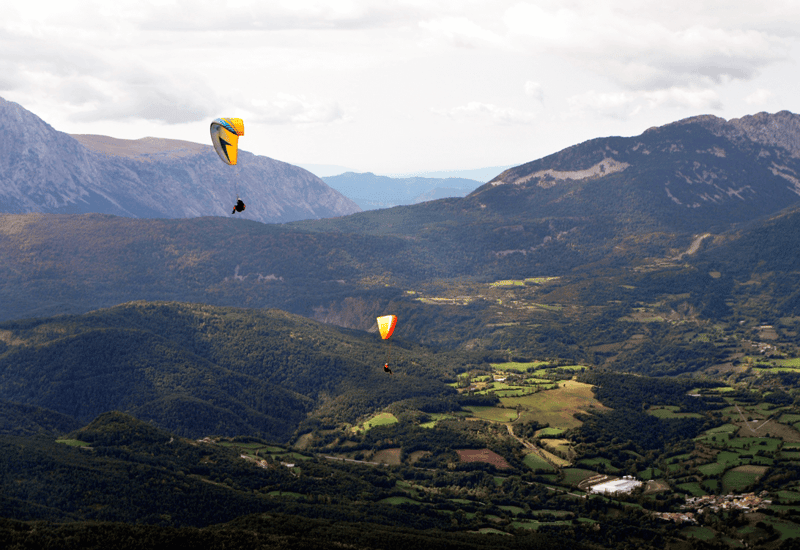
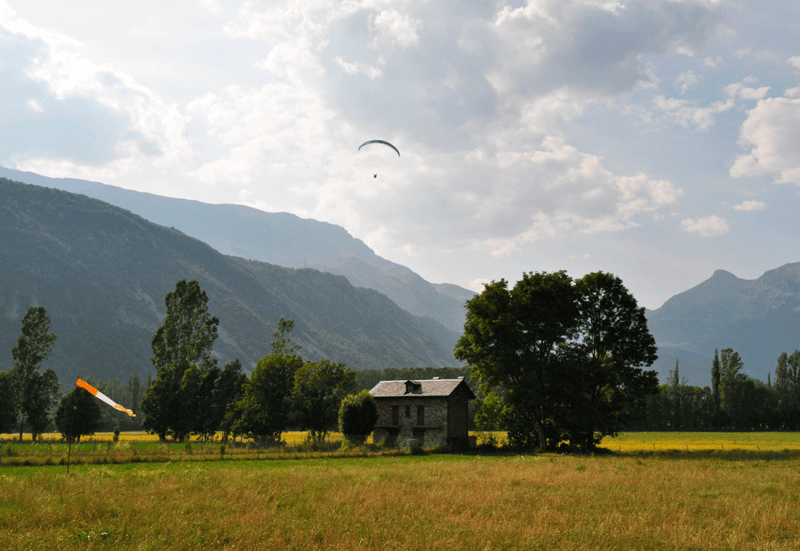
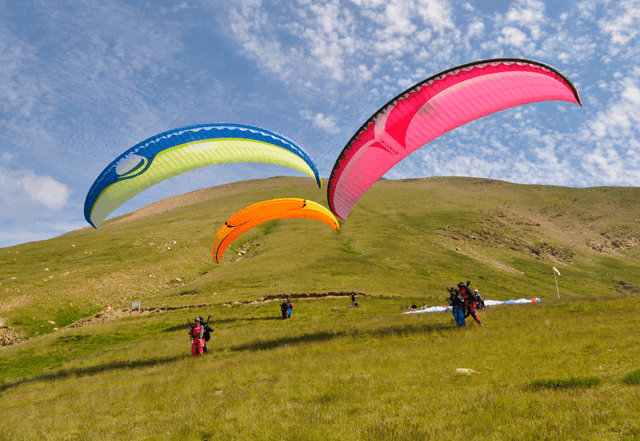
Designed for pilots ready to move beyond the basics, this progression course focuses on building real confidence and independence in the air. Over five structured days, you’ll refine your technique, explore new flying sites, and start working towards more autonomous flights.
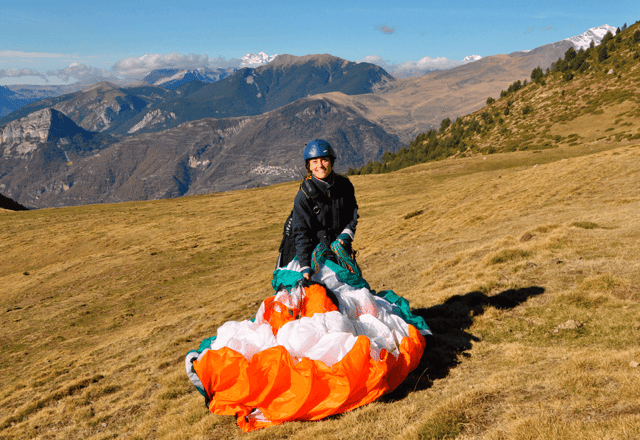
Each day is structured to make the most of conditions, typically starting early with practical sessions before moving into theory or additional flights later in the day. You’ll begin by refining your ground handling, focusing on wing control in different wind conditions, including reverse inflation and precise canopy management. These sessions are essential for building confidence before progressing further.
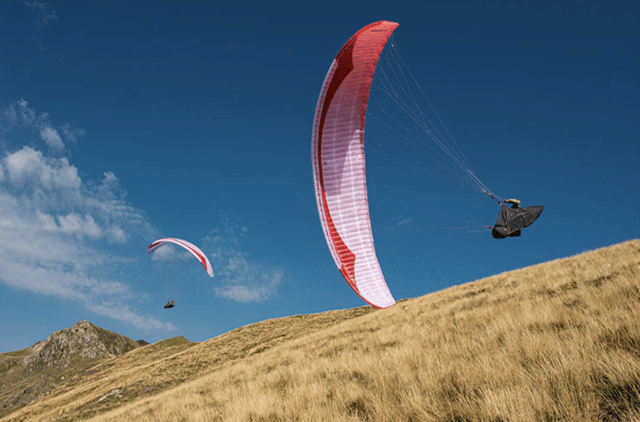
As the course develops, you’ll move into high-altitude flights from a range of take-off sites, with a minimum of eight flights included. These flights are used to practise take-offs in varying conditions, improve control in the air, and introduce techniques such as using the speed bar, managing descent, and improving landing accuracy. When conditions allow, you’ll also begin working with thermal lift and ridge soaring, gaining a first understanding of how to extend your time in the air.
Alongside the practical flying, theory sessions are integrated throughout the course. You’ll cover key topics such as aerology, thermal formation, safety systems, and flight rules, helping you understand not just how to fly, but why conditions behave the way they do. The combination of theory and practice is designed to help you progress steadily towards flying more independently in calm, controlled environments.
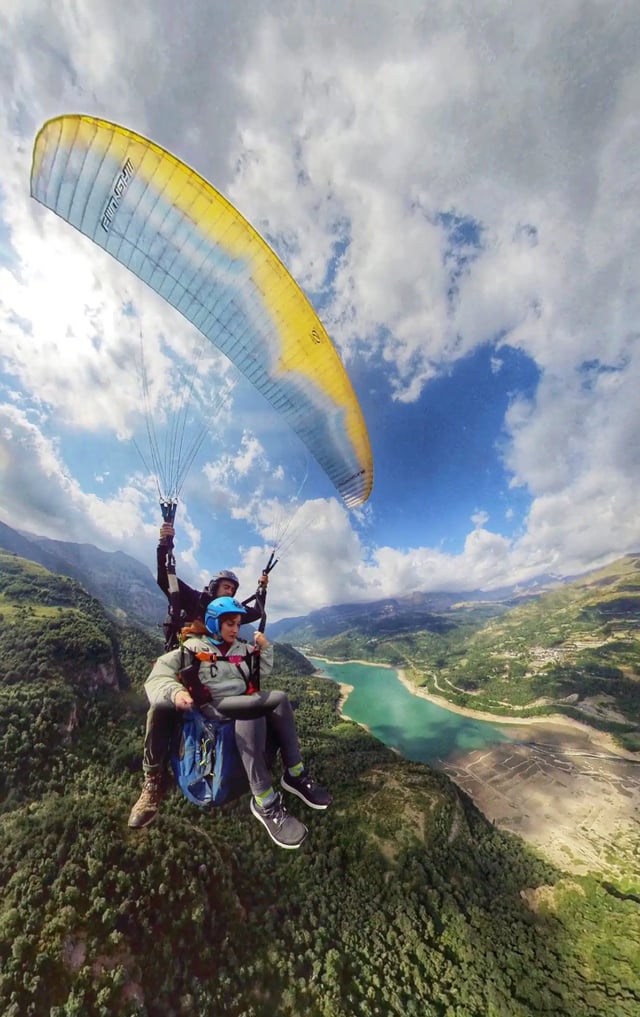
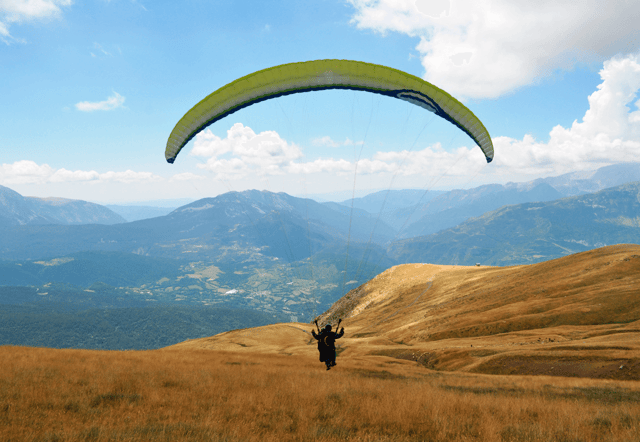
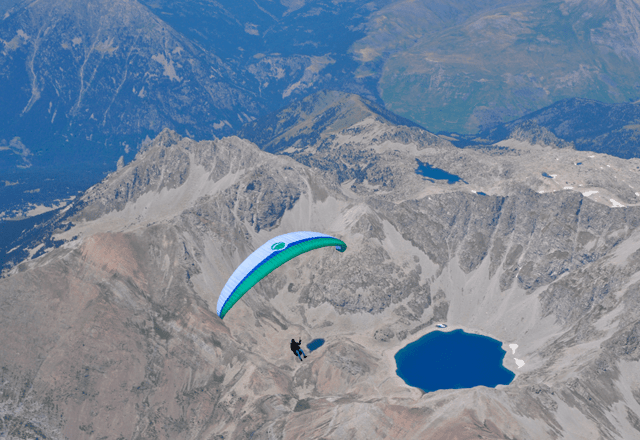
Castejón de Sos sits in the Benasque Valley, widely recognised as one of the most established paragliding areas in Spain. The landscape offers a unique combination of valley layouts, elevation differences, and reliable weather patterns, creating ideal conditions for progression training.
With multiple take-off points and spacious landing areas, the region allows for a wide variety of flight scenarios within a relatively small area. This makes it possible to adapt each day based on conditions, ensuring you experience different flying environments while staying within a safe and structured setting.
This course is intended for pilots who have already completed a recognised introduction course and have recent flying experience. You should have flown at least five times in the past two years and feel comfortable with the fundamentals of take-off and landing.
It is not suitable for beginners, as the focus is on progression rather than initial learning. You should be ready to build on your existing skills, take on more responsibility during flights, and engage with both practical and theoretical elements of the course.
With roots going back to 1986, the school has played a central role in the development of paragliding in Spain, helping shape both training methods and flying sites in the region. That experience feeds directly into the way courses are run today, with a strong emphasis on structured progression, safety, and building capable pilots.
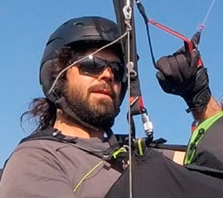
The current team, including instructors like David, brings years of hands-on teaching experience combined with a modern approach to training. Courses are delivered in small groups with dedicated resources, allowing instructors to focus fully on student development. The aim is to create a supportive environment where you can progress at your own pace while gaining the confidence to fly more independently.
The course is designed to help you move towards flying more independently, with a strong focus on achieving autonomous take-offs and landings. It also introduces you to new aspects of flying, such as thermal and dynamic conditions.
By the end of the course, you should feel more confident handling your wing both on the ground and in the air, with a clearer understanding of how to manage different flying situations.
You will complete a minimum of eight flights over the five days, depending on weather conditions and overall progression. Each flight is structured to focus on specific skills and improvements.
Rather than rushing through flights, the emphasis is on quality and learning. Time is taken after each flight to review and build on what you’ve learned.
Yes, the course includes an introduction to thermal and ridge soaring when conditions allow. This helps you begin to understand how to stay in the air for longer periods.
These sessions are carefully managed based on your level, ensuring you are introduced to these concepts in a safe and controlled way.
Theory sessions include aerology, thermal formation, safety systems, flight rules, and equipment understanding. These lessons are integrated throughout the course.
The aim is to give you the knowledge needed to make better decisions as a pilot, not just improve your practical skills.
You will receive a student flight logbook and a record of your training, which can be used to continue your progression at any recognised school.
There is also the possibility of working towards APPI Pilot N2 certification, depending on your level and progression during the course.
Ground handling can be physically active, especially in the early stages when you are working on wing control. You’ll need to be comfortable moving around and handling the equipment.
Flying itself is less physically demanding, but it does require focus and concentration, which can be tiring over a full day.
You should have flown at least five times in the last two years to join this course. This ensures you are still familiar with the basics.
If too much time has passed, it may be recommended to refresh your skills before joining the progression level.
Yes, you will be flying solo during the course, but always under instructor supervision. Guidance is provided before, during, and after each flight.
This allows you to gain real experience while still having the support needed to improve safely.
Paragliding depends on weather conditions, so schedules may be adjusted if needed. Instructors will always prioritise safety when deciding whether to fly.
If minimum objectives are not met, you may have the option to complete remaining flights at a later time or discuss alternative arrangements.
No, all necessary equipment is provided as part of the course. This includes the wing, harness, helmet, and safety systems.
If you already have your own equipment, it can be assessed by the instructors to ensure it is suitable for training use.



About the centre
Castejón de Sos
Operated by Parapente Pirineos, a partner of adventuro.