

Was du beim Wandern tragen solltest: ein praktischer Ausrüstungsleitfaden für Großbritannien
Britische Hügel bestrafen die falsche Ausrüstung schneller als fast jede andere Sportart auf adventuro. Du kannst einen Morgen im Lake District bei Sonnenschein beginnen und auf einem ausgesetzten Grat im waagerechten Regen beenden. Die richtige Wanderbekleidung hält dich beim Pausieren warm, beim Aufstieg kühl und trocken genug, damit du beides genießen kannst.
Dieser Leitfaden behandelt die richtige Kleidung für eine Tageswanderung im Vereinigten Königreich – egal, ob du eine geführte Gipfeltour buchst oder auf gut markierten Wegen unterwegs bist. Bei geführten Touren auf adventuro werden Extras normalerweise in der Ausschreibung angegeben; prüfe dies immer vor deiner Anreise.
Bei einem typischen geführten Wandertag findet die erste Ausrüstungskontrolle auf dem Parkplatz statt: Stiefel an den Füßen, Regenbekleidung im Rucksack und nicht noch im Kofferraum.
Was dein Guide normalerweise bereitstellt
Bei den meisten geführten Tageswanderungen auf adventuro wird erwartet, dass du Kleidung und Schuhe selbst mitbringst. Technische Ausrüstung (Seile, Klettergurte, Steigeisen) kommt nur bei speziellen Bergsteiger- oder Winterkursen zum Einsatz. Für eine normale geführte Tour wie den geführten Sonnenuntergangsspaziergang zum Scafell Pike im Lake District kleidest du dich dem Wetter entsprechend und gehst los.
Wenn in der Ausschreibung Stöcke, Karten oder Sicherheitsausrüstung für die Gruppe erwähnt werden, stellt das Zentrum diese bereit. Deine Aufgabe sind persönliche Kleidungsschichten, Stiefel und ein Tagesrucksack.
Schuhe: nicht verhandelbar
Wanderschuhe mit Knöchelstütze und griffiger Sohle sind der Standard für britische Hügel, besonders auf felsigen Wegen, nassem Gras und steilen Abstiegen. Laufe sie vor einem langen Tag ein. Neue Stiefel und ein 10-Meilen-Gratweg passen nicht zusammen.
Trailschuhe eignen sich für trockenere Wege in niedrigeren Lagen und sommerliche Talwanderungen. Sie sind leichter und trocknen schneller, bieten aber auf unebenem Untergrund weniger Halt für die Knöchel.
Vermeide Turnschuhe mit glatten Sohlen, modische Stiefel und alles, was du im Fitnessstudio tragen würdest. Bei geführten Gipfeltouren sind ungeeignete Schuhe ein häufiger Grund dafür, dass Guides Teilnehmer bereits auf dem Parkplatz umkehren lassen. Glatte Sohlen auf nassem Gras sind meist der Grund.
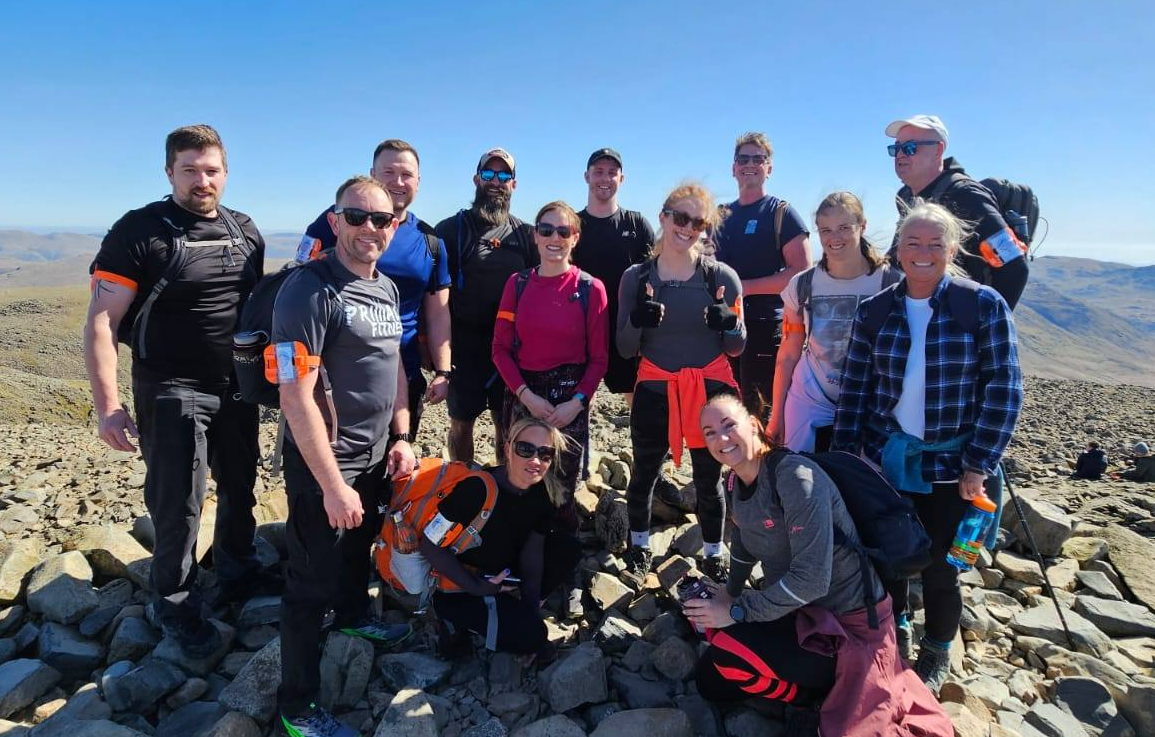
Kleidungsschichten für wechselhaftes Wetter
Die britische Wanderformel ist einfach: Basisschicht + mittlere Schicht + wasserdichte Außenschicht.
| Schicht | Was du tragen solltest | Warum |
|---|---|---|
| Basis | T-Shirt aus Merinowolle oder Synthetik (keine Baumwolle) | Leitet Schweiß ab; Baumwolle bleibt nass und kühlt dich aus |
| Mitte | Fleece oder leichte Isolationsjacke | Wärme, wenn du für das Mittagessen auf einem windigen Bergsattel anhältst |
| Außen | Wasserdichte Jacke (und Hose, wenn Regen vorhergesagt ist) | Wind und Regen auf ausgesetzten Graten |
| Beine | Wanderhose oder Leggings; vermeide Jeans | Jeans speichern Wasser, schränken die Bewegungsfreiheit ein und trocknen langsam |
Pack auch im Sommer ein Multifunktionstuch oder eine Mütze und dünne Handschuhe ein. Auf 600 m Höhe ist die Lufttemperatur auf einem britischen Gipfel oft 6 bis 10°C niedriger als im Tal – noch bevor der Windchill berücksichtigt wird. Luftbewegung entzieht feuchter Haut schnell Wärme: Eine Brise von 15°C auf einer verschwitzten Basisschicht kann sich innerhalb weniger Minuten, sobald du anhältst, eher wie 10°C anfühlen.
An klaren Tagen gehören Sonnencreme und Sonnenbrille ebenfalls in den Rucksack. Die UV-Intensität steigt pro 10% je 1,000 m Aufstieg, daher führt die Sonne auf exponierten Graten schneller zu Sonnenbrand, als der Parkplatz vermuten lässt.
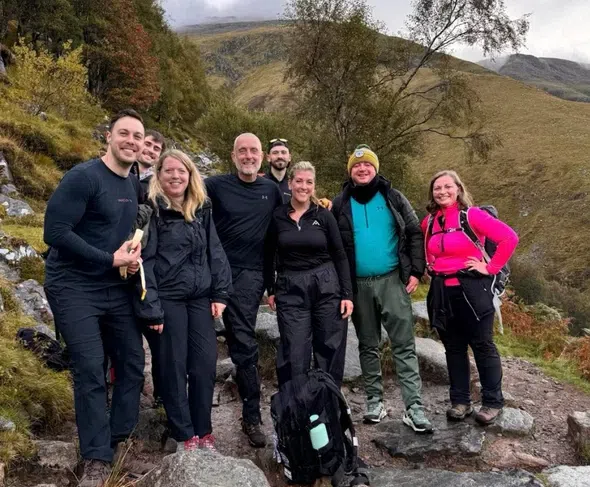
Was du in deinem Tagesrucksack mitnehmen solltest
- Wasser: mindestens 1 Liter für einen halben Tag; an heißen Tagen oder auf langen Routen mehr
- Snacks: langsam freigesetzte Energie ist besser als ein einzelner Schokoriegel
- Zusätzliche warme Schicht: eine klein verpackbare Daunen- oder Fleecejacke, wenn deine mittlere Schicht dünn ist
- Vollständig geladenes Handy: für Karten, Fotos und Notfälle (Empfang ist nicht garantiert)
- Kleines Erste-Hilfe-Set: mindestens Pflaster für Druckstellen
- Trockensack oder Reißverschlusstasche: hält Handy und Geldbörse trocken, wenn der Regen durchweicht
Viele geführte Wanderungen beginnen früh oder enden bei Sonnenuntergangsrouten nach Einbruch der Dunkelheit. Eine Stirnlampe lohnt sich auch dann im Gepäck, wenn die Wettervorhersage gut aussieht.
Schnellübersicht nach Jahreszeit
Frühling und Herbst: die anspruchsvollsten Jahreszeiten. Pack vollständige Regenbekleidung und eine zusätzliche warme Schicht ein und rechne mit Matsch. Temperaturunterschiede von 10°C zwischen Tal und Gipfel sind normal.
Sommer: leichtere Basisschichten, aber nimm trotzdem eine Außenschicht mit. Gnitzen sind in Schottland und Wales real; lange Ärmel helfen bei Sonnenauf- und -untergang.
Winter: Unternimm Winterwanderungen in den Bergen nur mit entsprechender Erfahrung, Ausrüstung und oft einem qualifizierten Guide. Microspikes, dickere Isolierung und die Fähigkeit, bei tief hängenden Wolken eine Karte zu nutzen, sind auf verschneitem oder vereistem Untergrund unverzichtbar.
Häufige Fehler, die du vermeiden solltest
- Baumwollhoodies und Jeans: die Kombination, die ich bei Zurückgeschickten am häufigsten sehe; Baumwolle speichert Schweiß und Regen und kühlt dich dann auf dem ersten windigen Bergsattel aus
- Eine dicke Jacke statt mehrerer Schichten: beim Aufstieg überhitzt du und frierst, sobald du anhältst
- Geliehene, nicht passende Stiefel: Blasen beenden den Tag vorzeitig
- Keine Regenbekleidung, weil "es gut aussieht": britische Berge machen ihr eigenes Wetter
- Mode vor Funktion: weiße Turnschuhe sehen auf Fotos gut aus und rutschen auf nassem Fels stark
Bereit, eine geführte Wanderung zu buchen
Eine geführte Tagestour nimmt dir den Navigationsstress ab und passt die Route an die Fitness der Gruppe an. Gute erste Buchungen sind Tal- und Wanderungen in niedrigeren Lagen, bevor du dich an einen langen Gipfelaufstieg wagst.
Wanderungen auf adventuro entdecken → · Kombiniere einen Bergtag mit unserem Guide für ein handyfreies Wochenende im Lake District und verbringe ein ganzes Wochenende offline.
Weitere Ausrüstungsguides: Stand-up-Paddling · Kajakfahren · Segeln · Motorbootfahren
🌿 Ein Teil der Buchungen auf adventuro unterstützt den Naturschutz durch unsere Partnerschaft mit Rewilding Britain.
FAQs
Brauche ich für jede Wanderung Wanderschuhe?
Für Höhenwege im Vereinigten Königreich ja, auf trockenen Wegen in niedrigeren Lagen reichen auch Trailschuhe. Glatte Sohlen bieten auf nassem Gras und poliertem Fels wenig Reibung: Gummimischungen für Straßen- oder Fitnessraumböden können bei Nässe ab Winkeln über 15° rutschen. Stiefel mit tiefem Profil (4 mm oder mehr) und Knöchelstütze verringern das Umknickrisiko auf unebenem Untergrund und beim Tragen eines Rucksacks. Trailschuhe tauschen Knöchelstütze gegen geringes Gewicht und schnelles Trocknen; sie eignen sich für trockene Talwege, nicht für rutschige Abstiege im Lake District nach Regen.
Warum ist Baumwolle schlecht zum Wandern?
Baumwolle nimmt Schweiß und Regen auf und hält beides an deiner Haut fest. Wenn sie nass ist, leitet sie Wärme viel schneller als trockener Stoff von deinem Körper weg. Deshalb fühlt sich ein Baumwollshirt beim Aufstieg angenehm an, aber sobald du auf einem windigen Bergsattel anhältst, wird dir innerhalb weniger Minuten kalt. Merinowolle und Synthetik (Polyester, Nylonmischungen) leiten Feuchtigkeit nach außen, sodass deine Basisschicht trocknet, während du dich bewegst. Jeans sind noch schlechter: nass schwer, langsam trocknend und bei großen Schritten einengend.
Was sollte ich unter einer wasserdichten Jacke tragen?
Eine feuchtigkeitsableitende Basisschicht plus eine Fleece- oder synthetische mittlere Schicht. Die Außenschicht hält Wind und Regen ab; die mittlere Schicht speichert isolierende Luft; die Basisschicht leitet Schweiß von deiner Haut weg. Wenn du unter der Außenschicht nur ein T-Shirt trägst, überhitzt du beim Aufstieg und kühlst schnell aus, sobald der Stoff feucht ist. Vermeide bei starkem Regen Daunen als mittlere Schicht, es sei denn, sie bleiben unter einer guten Außenschicht vollständig trocken: Nasse Daunen verlieren den Großteil ihrer Bauschkraft.
Stellen geführte Wanderungen Regenbekleidung bereit?
Normalerweise nein. Du bringst deine eigene Jacke und Hose mit. Eine Außenschicht mit einer Wassersäule von 5.000 mm oder mehr hält britischem Bergregen stand; verschweißte Nähte sind wichtiger als Markennamen. Prüfe die Ausschreibung auf zentrumspezifische Ausrüstung. Einige Winterbergsteigerkurse stellen technische Ausrüstung bereit; bei normalen geführten Tagestouren ist das nicht der Fall.
Weshalb werden Teilnehmer auf dem Parkplatz zurückgeschickt?
Am häufigsten wegen der Schuhe: Turnschuhe mit glatten Sohlen, modische Stiefel oder steife, nicht eingelaufene Stiefel ohne Blasenpflaster. Blasen entstehen bei feuchter Haut durch Reibungswärme besonders schnell: Schlecht sitzende Stiefel auf einem 10 km langen Abstieg sind ein häufiger Weg, sich den Tag ohne Rettungseinsatz zu verderben. Eine fehlende Regenbekleidung bei nasser Wettervorhersage ist das zweithäufigste Problem. Guides prüfen, ob du die gesamte Route über warm und beweglich bleiben kannst, nicht nur während der ersten Stunde.
Wie kalt ist es im Sommer auf einem britischen Gipfel?
Oft 10 bis 15°C kälter als im Tal, zuzüglich Windchill. The wind chill effect matters: 20°C in still air at the car park can feel like 10°C or below on an exposed 900 m ridge in a 30 km/h wind, especially if your base layer is damp from the climb. Pack auch dann eine mittlere Schicht und eine Außenschicht ein, wenn die Vorhersage im Tiefland sommerlich aussieht.