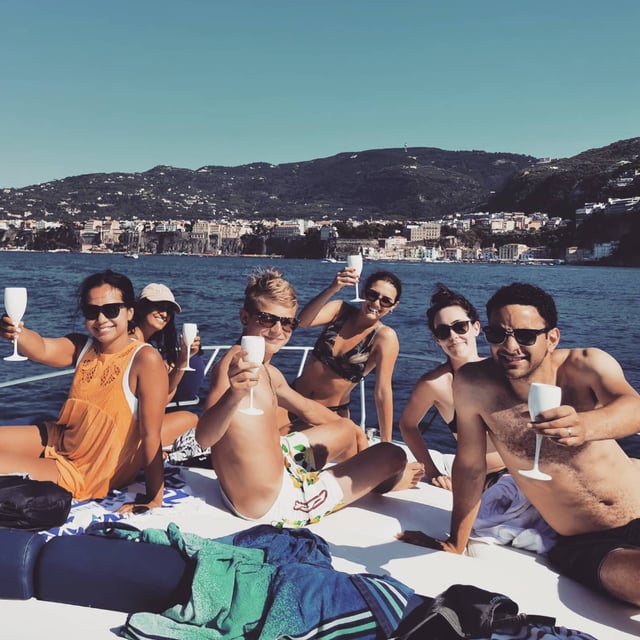
South Italy is one of Europe's great wild swimming regions, and it has the decency to remain largely off the mainstream radar. The Cilento coast south of the Amalfi is arguably more beautiful than its famous neighbour and receives a fraction of the visitors; Calabria's Ionian coast has some of the warmest, clearest sea water in Italy and development that would have happened decades ago had transport links been better; the Salento's turquoise bays look Caribbean and are reached without a long-haul flight. Wild swimming here covers sea, river and cave — often in the same afternoon.
Sea swimming: the main destinations
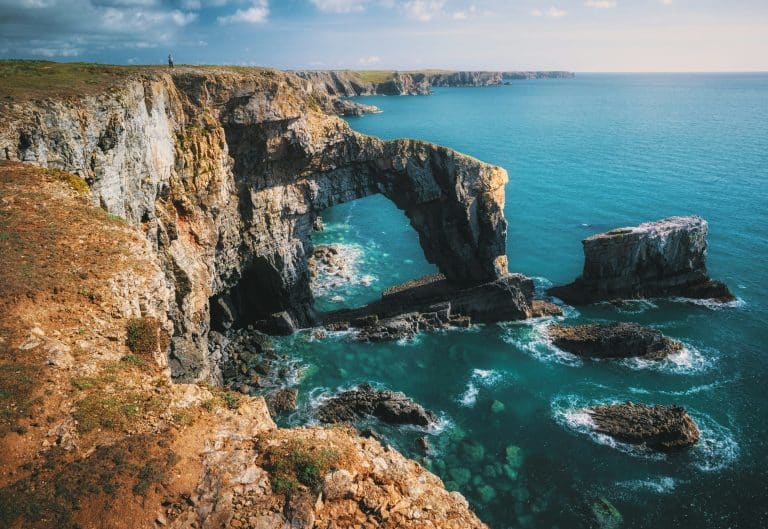
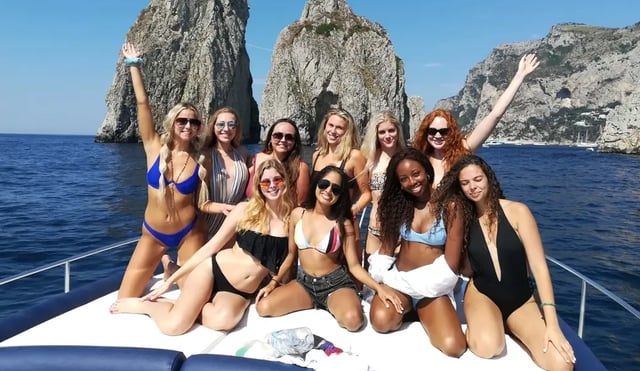
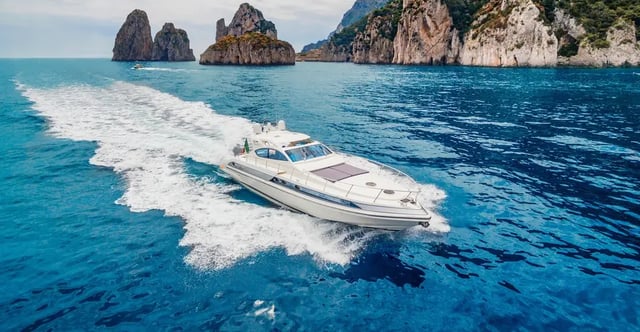
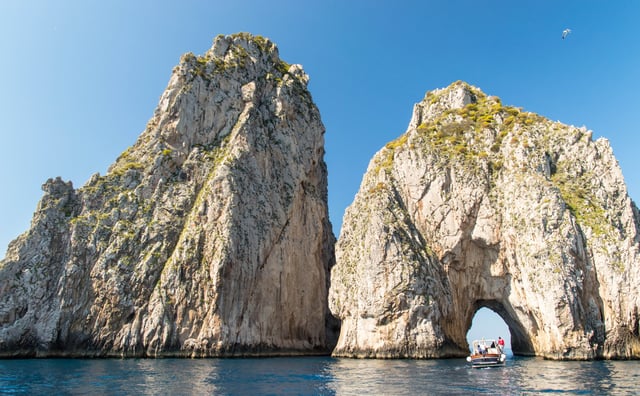
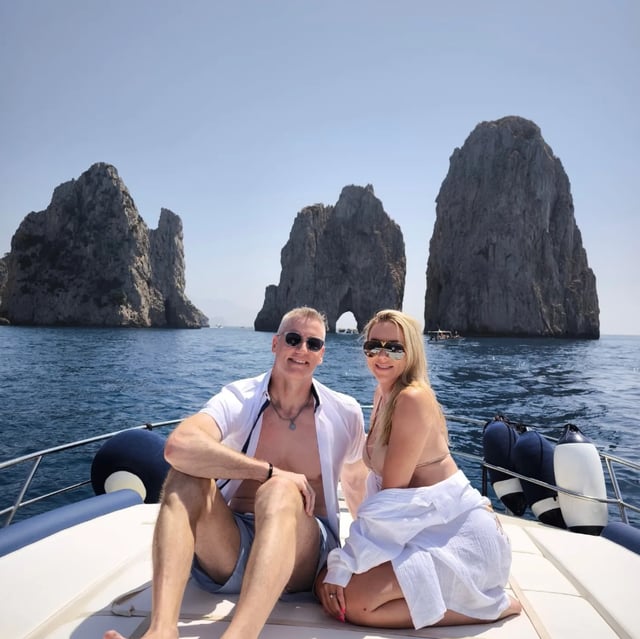
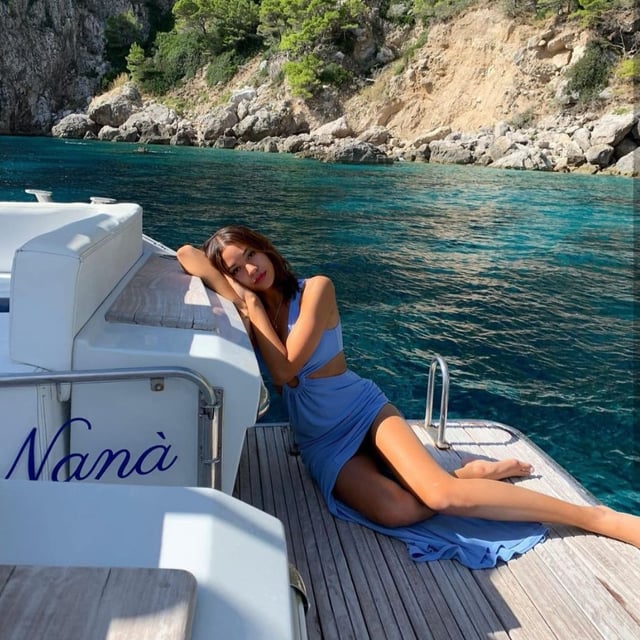
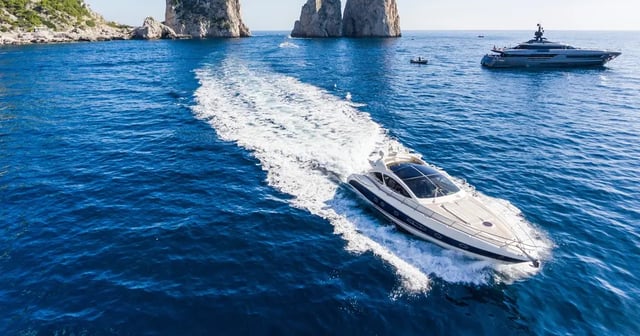
The Cilento National Park coast south of Salerno is the best starting point for wild sea swimming in South Italy. The coastline between Agropoli and Sapri alternates between dramatic limestone headlands, sea stacks, coastal arches and isolated sandy bays accessible only by sea or on foot. Water visibility of 15–20 metres in summer is standard; the marine reserve at Punta Licosa has some of the most biodiverse water on the Tyrrhenian coast. The Calabrian coast divides into two quite different stretches: the Tyrrhenian (west) coast south of Maratea, particularly around Tropea — sea stacks rising from turquoise shallow water, brilliant white beaches and extraordinary clarity — is perhaps the most photogenic coastline in mainland Italy. The Ionian (east) coast between Soverato and Le Castella is flatter, hotter and less dramatic but has exceptionally warm water (reaching 28–29°C in August) and a largely unspoiled character. Basilicata's tiny Maratea coastline holds its own against any competition in Italy: dramatic rocky headlands, deep clear water and a relative lack of tourist infrastructure that makes it genuinely special. In Puglia's Salento, the 'heel of the boot' delivers its own variety — sea caves at Castro and Santa Cesarea Terme, turquoise shallow bays at Torre dell'Orso, and rocky platform swimming at Otranto that rivals anywhere on the Adriatic. The Aeolian Islands off Calabria (Stromboli, Vulcano, Lipari, Panarea) provide volcanic sea swimming in an extraordinary setting — lava platforms, geothermal hot springs at the shoreline and water clarity that reflects the volcanic substrate.
River and gorge swimming
The mountain rivers and gorges (fiumare) of Calabria and the Cilento hills are outstanding for inland wild swimming. The Raganello Gorge in the Pollino National Park, the Argentino river in Calabria and the Alcantara gorge in Sicily (accessible from Calabria) all offer natural pools, cascades, water slides formed by erosion and gorge sections where swimming is the only way through. Guided canyoning and gorge-walking trips include swimming as a central component. These rivers run best in summer when the heat makes cool mountain water most welcome — by September, water levels can be lower.
Sea caves
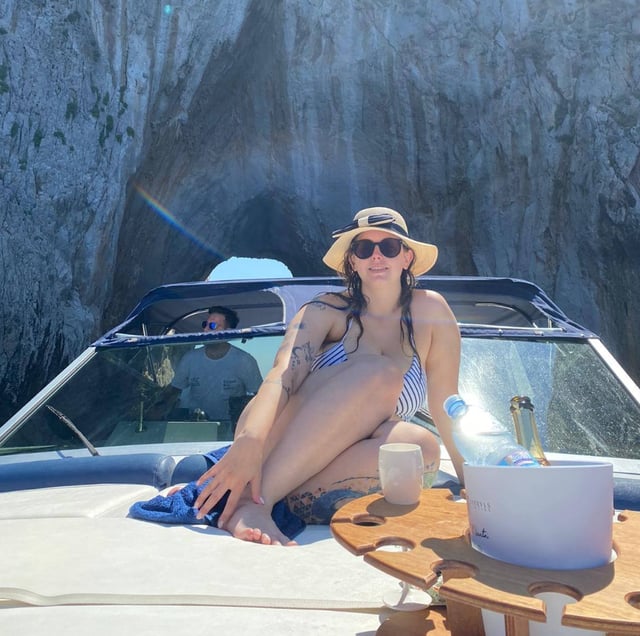
South Italy has exceptional sea caves. The Grotta della Poesia (Puglia), the sea caves around Castro on the Salento coast and the Grotta delle Rondinelle (Calabria) are among the finest. Caves are accessed by swimming through low entrances at sea level — always guide-led; wave surge inside a sea cave is unpredictable and dangerous in any appreciable swell. Some caves have dramatic light effects from refracted sunlight through underwater openings.
When to swim in South Italy
June to September is the main season, with the Ionian coast reaching 28–29°C in late July–August. May and October are excellent — cooler (18–22°C) but quieter, and the Cilento and Salento in particular are far more enjoyable without August's peak visitors. River gorge swimming peaks in July and August when the mountain water provides contrast to the heat. Jellyfish blooms occur occasionally in August–September; a thin rash vest provides protection.