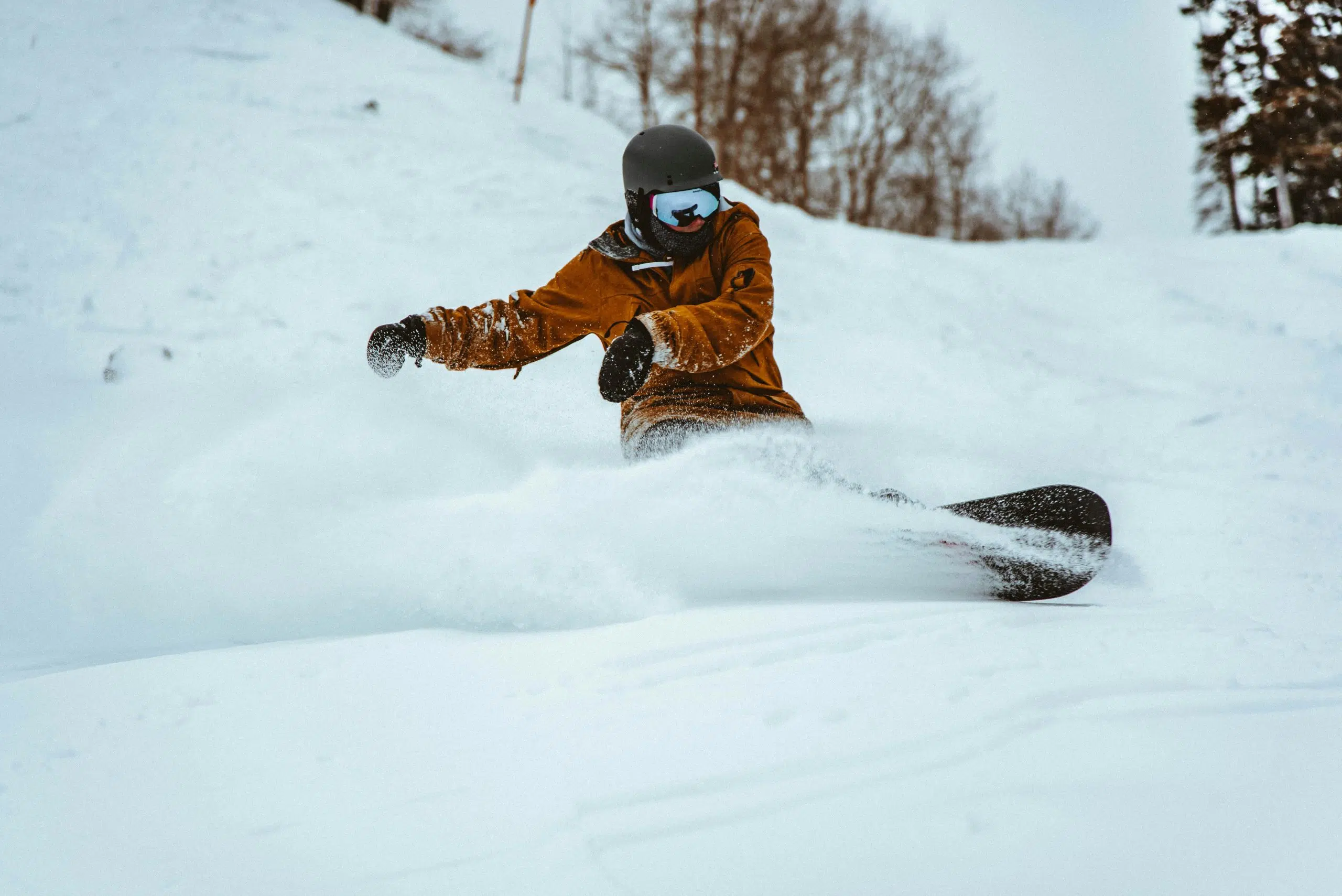
Snowboarding
Snowboarding is brilliant fun and humbling for a day or two, then it clicks and you are away. Bruises optional but likely.

Snowboarding is brilliant fun and humbling for a day or two, then it clicks and you are away. Bruises optional but likely.
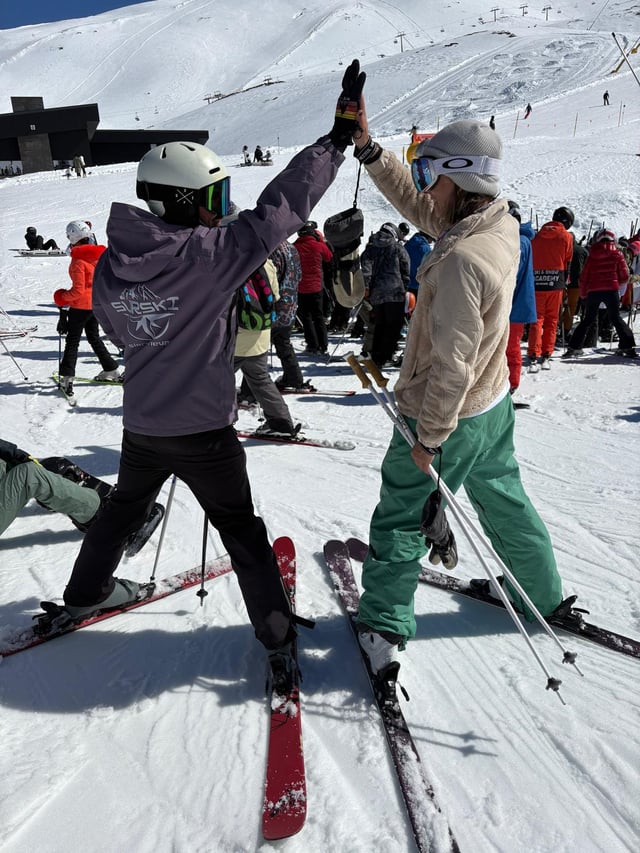
Two-hour private ski or snowboard lesson for two people in Sierra Nevada, with €8 per extra participant from the third person.
From € 126
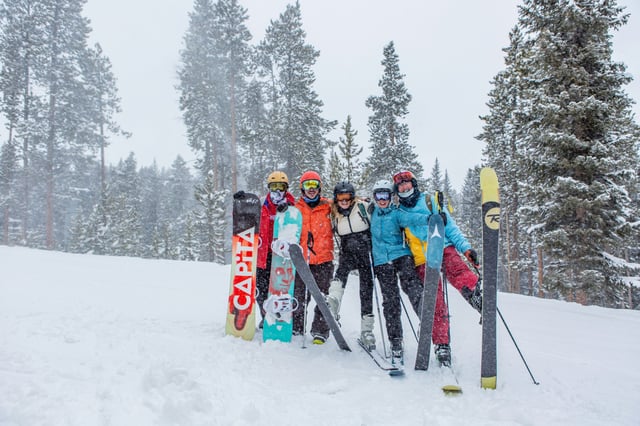
Forget the Alps for a week. In January 2027, we’re heading to Gudauri, Georgia: powder snow, huge mountains, cheap food, Georgian wine and seven days on the slopes.
From € 1399
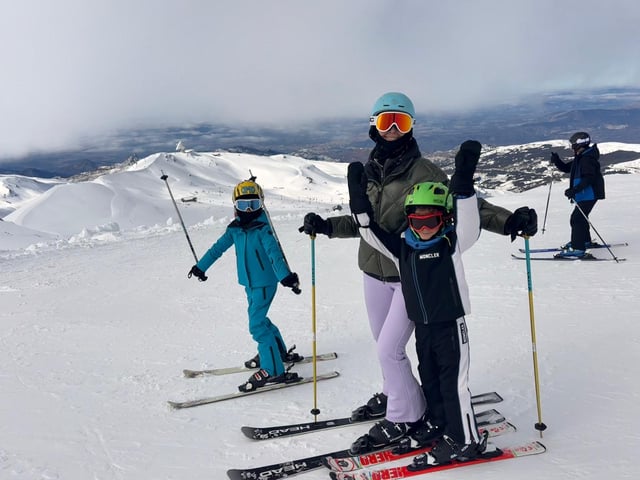
One-hour morning technique session for ski or snowboard in Sierra Nevada, focused on improving your riding from 09:00 to 10:00.
From € 50
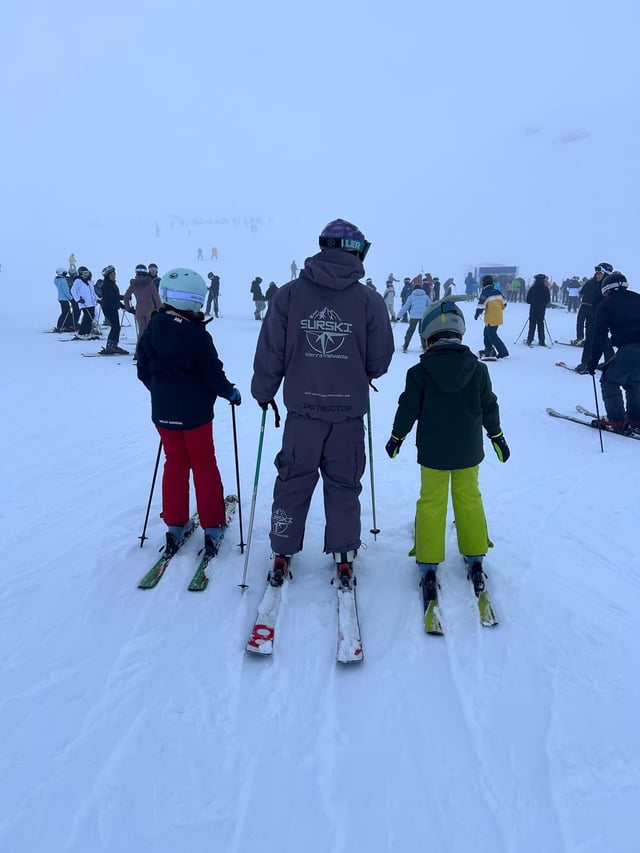
Three-hour beginner group ski or snowboard course in Sierra Nevada for 3 to 5 people, running 10:00 to 13:00.
From € 70
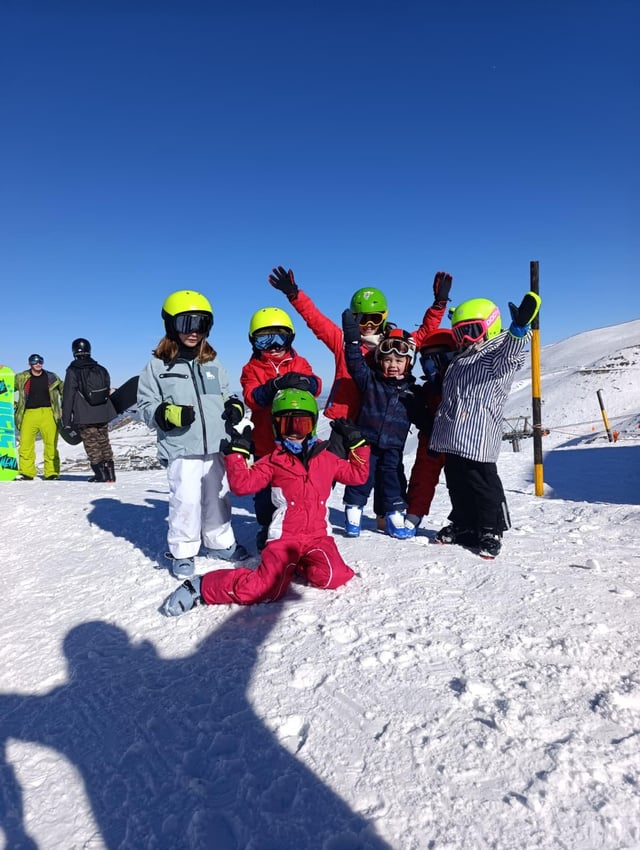
Two-hour private snowboard lesson in Sierra Nevada for up to two people, with qualified coaching tailored to your level.
From € 110
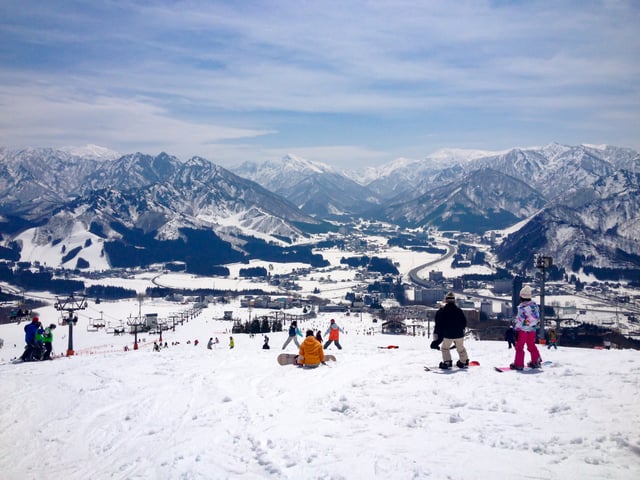
All-inclusive ski or snowboard day from Nagano Station with kit, lift pass and resort transfers.
From ¥ 37700
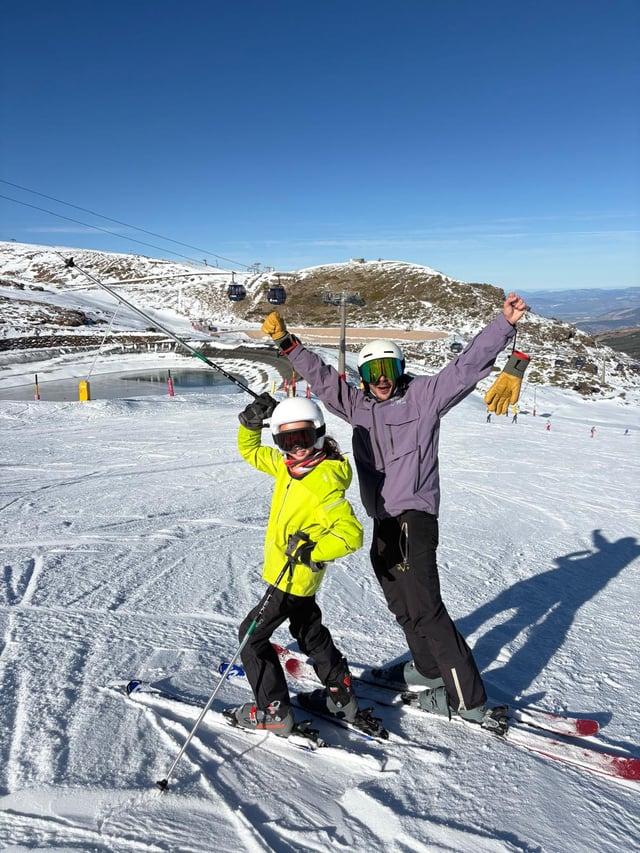
Three-hour advanced technique ski or snowboard course in Sierra Nevada for 2 to 3 people who already have the basics, 10:00 to 13:00.
From € 100
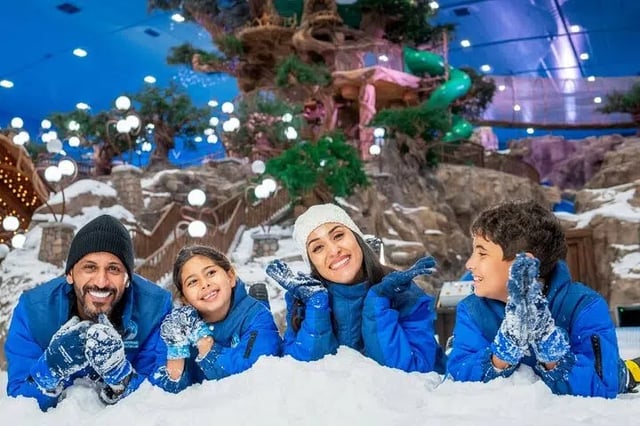
Indoor snow park inside Reem Mall, with skiing, snowboarding and a snow village. About 8 hours, from USD 90.
From $ 90
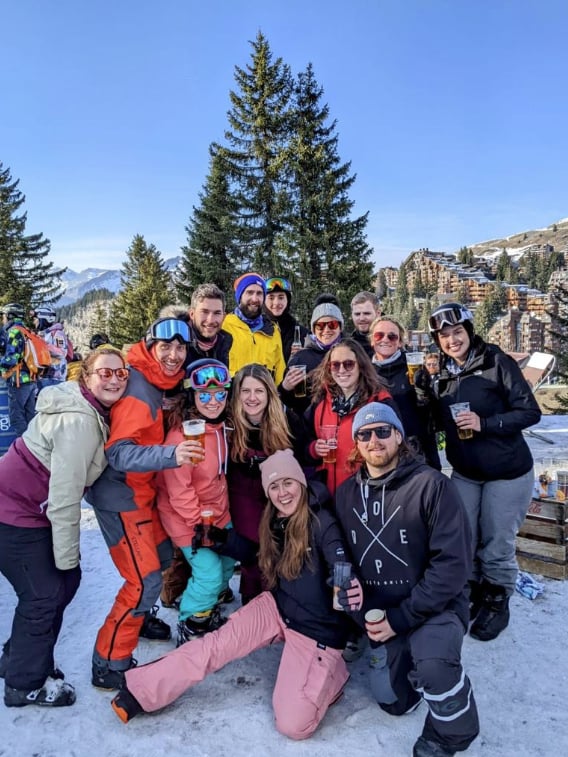
Learn to ski or snowboard with confidence on this 7-day Morzine holiday from £1,342, including lessons, lift pass, equipment hire and chalet accommodation.
From £ 1342
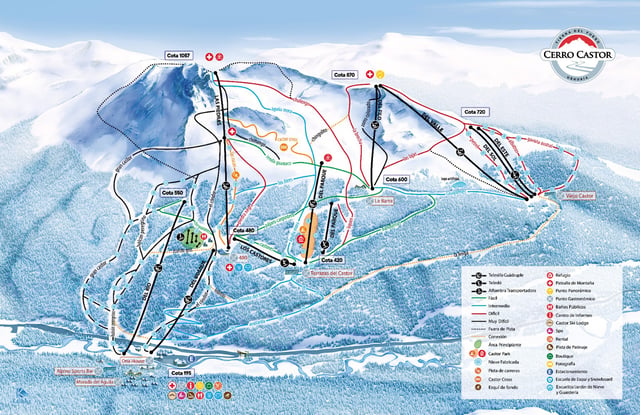
Ski and snowboard at the southernmost resort on the planet with flexible days, Patagonia adventure and 7 nights from €1,299.
From € 1299

Enjoy Holi Festival, New Delhi, Amritsar, Srinagar and Himalayan skiing in a small-group adventure with multiple ski days and cultural highlights from €1,599.
From € 1599
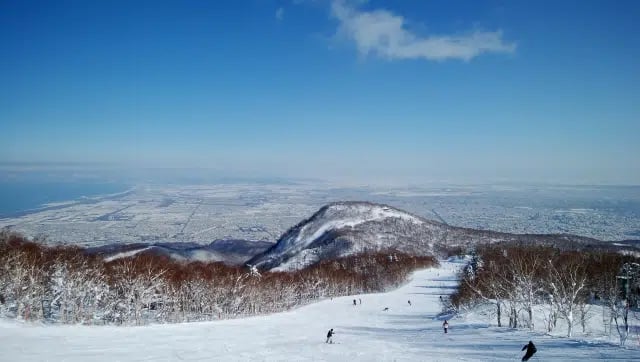
A guided 8-hour Sapporo snow day with resort travel, lift access, equipment and a beginner lesson option.
From ¥ 34700
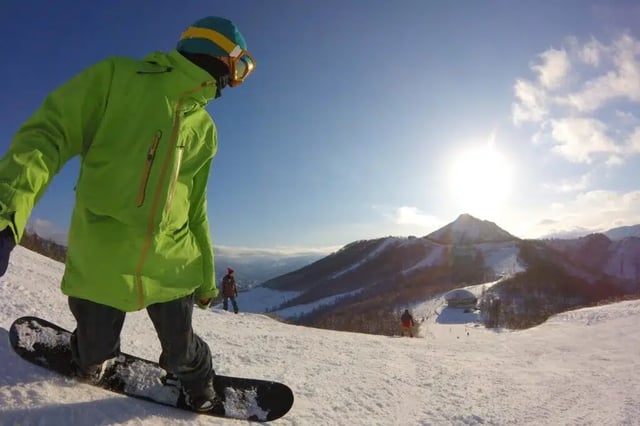
A private Nagano snow day with resort choice, transport, equipment and support from Nagano Station.
From ¥ 176200
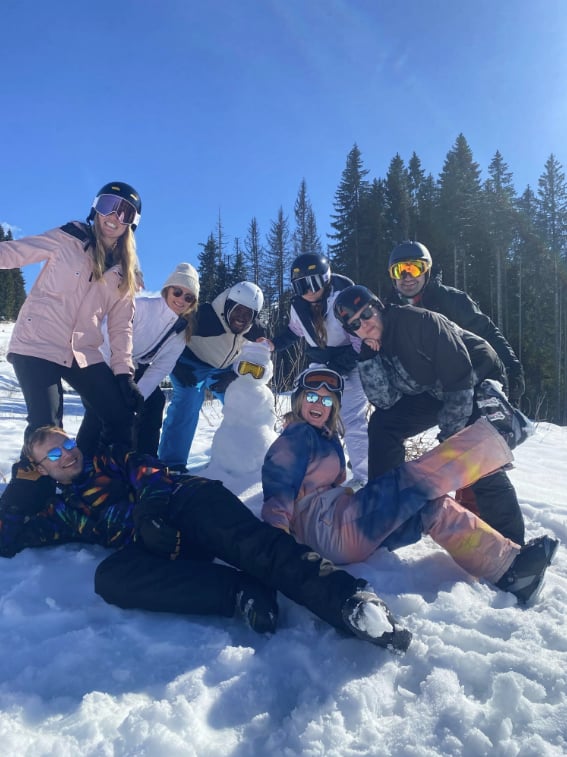
Join a 7-day ski and snowboard holiday in Morzine from £433, with chalet accommodation, a hosted group and access to the vast Portes du Soleil ski area.
From £ 433
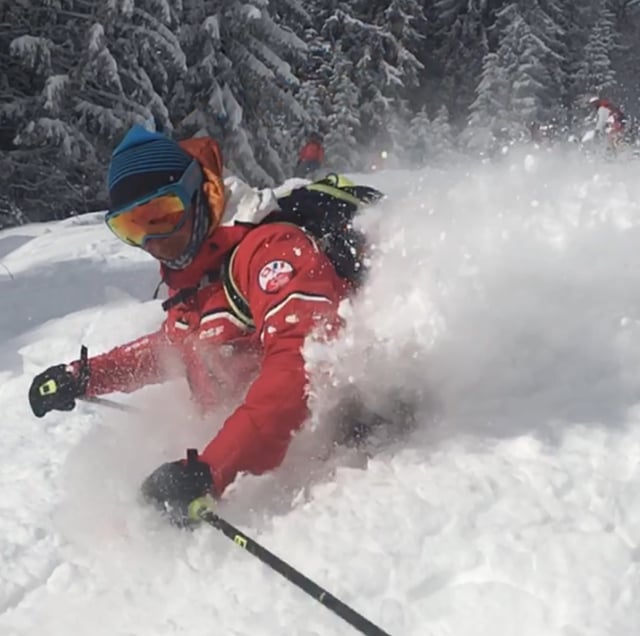
Explore the Portes du Soleil backcountry on a 7-day off-piste ski and snowboard holiday from £1,364, including 4.5 days of professional guiding.
From £ 1364
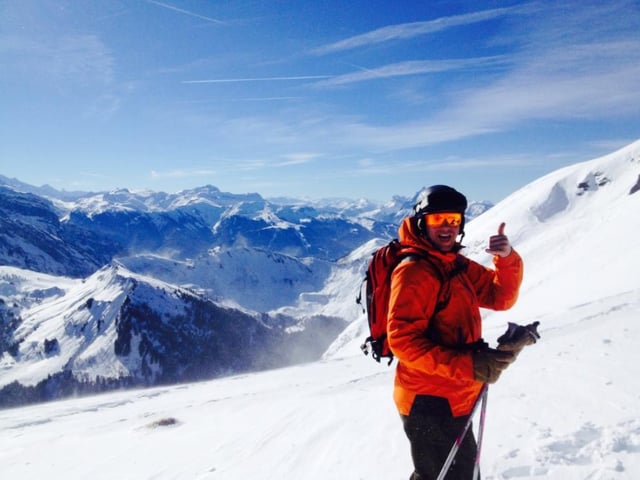
Build your confidence beyond the pistes on this 7-day Morzine off-piste holiday from £1,314, including chalet accommodation and five days of professional guiding.
From £ 1314
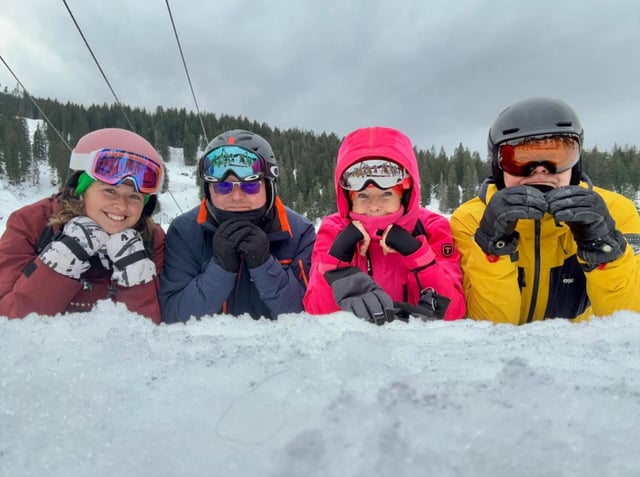
Ski a different French Alps resort each day on a seven-day hosted holiday from £650, with Morzine chalet accommodation, meals and daily transport.
From £ 650
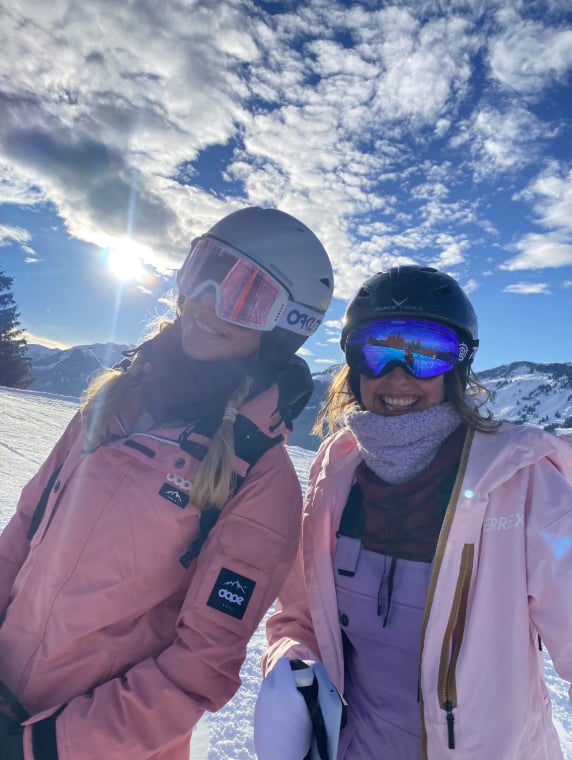
Discover Austria's famous Ski Arlberg region on a 7-day ski and snowboard holiday from £1,050, with hotel accommodation, breakfast and a sociable hosted group.
From £ 1050
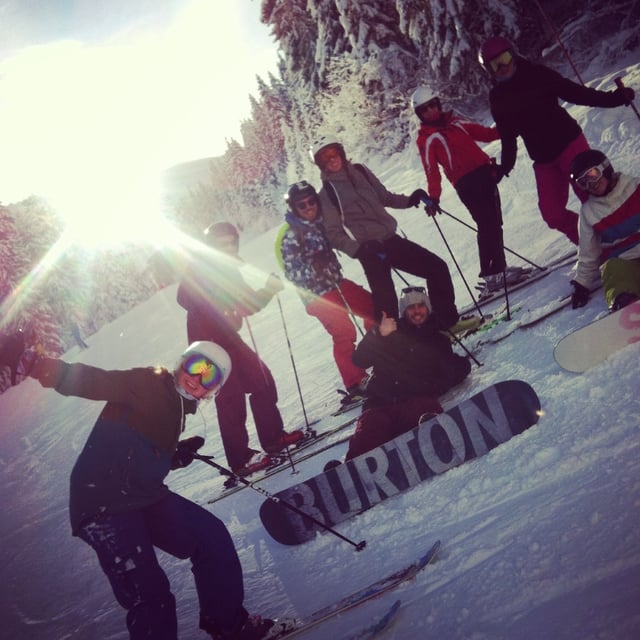
Enjoy a 7-day ski and snowboard holiday in Morzine from £650, with chalet accommodation, hosted skiing and a friendly adults-only group in the French Alps.
From £ 650
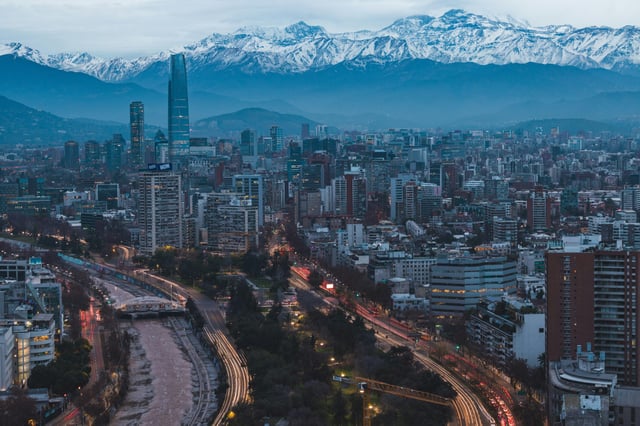
Ski and snowboard across multiple Andean resorts near Santiago, with hot springs, and 5 ski days, 7 nights from €1,299.
From € 1299