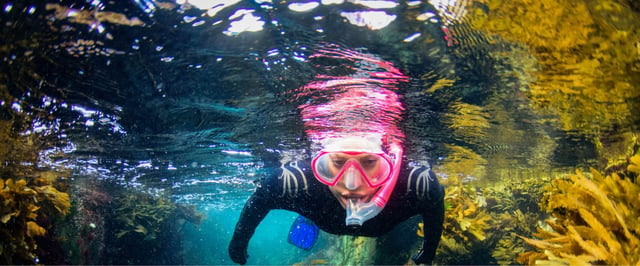
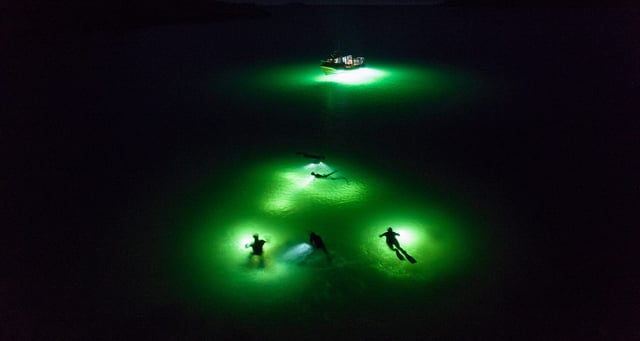
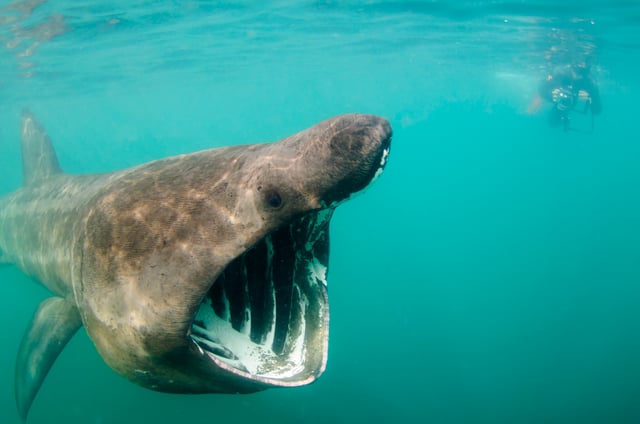
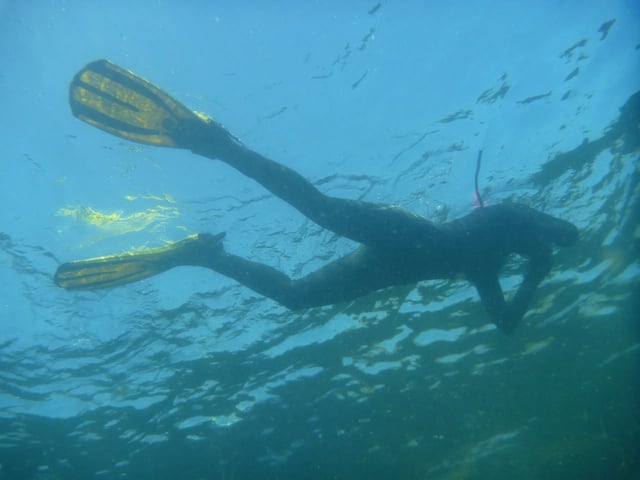
Scotland's seas are colder than England's but, crucially, often clearer — and far richer in large marine life. The west coast and the Hebrides sit in the path of nutrient-rich Atlantic water that supports kelp forests, seal colonies, and in summer the plankton blooms that draw basking sharks, the second-largest fish in the world, to feed at the surface. Snorkelling here is a genuine wildlife experience rather than simply a swim: with a wetsuit and a guide who knows the tides and the seasonal patterns, the cold becomes a minor consideration against what you can see.
What you can see
Scottish snorkelling wildlife is dominated by the kelp ecosystem: forests of oarweed and tangle that shelter wrasse, pollock, crabs, starfish and nudibranchs. Grey and common seals are widespread and frequently curious. The headline experience, available in a short window each summer off the west coast, is snorkelling alongside basking sharks — a sustainable, operator-led activity that has put Scotland on the map for marine wildlife enthusiasts. Dolphins, porpoises and, occasionally, minke whales are seen from the same boats.
Seatrekking
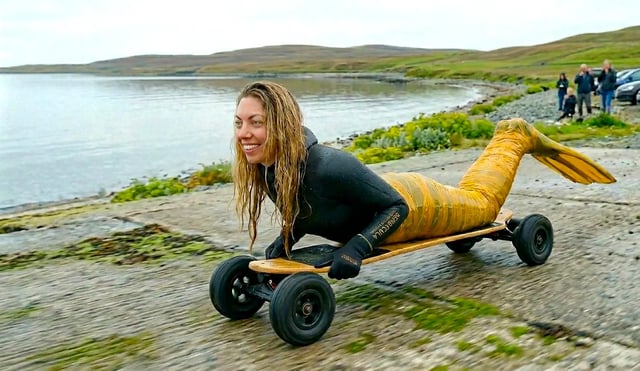
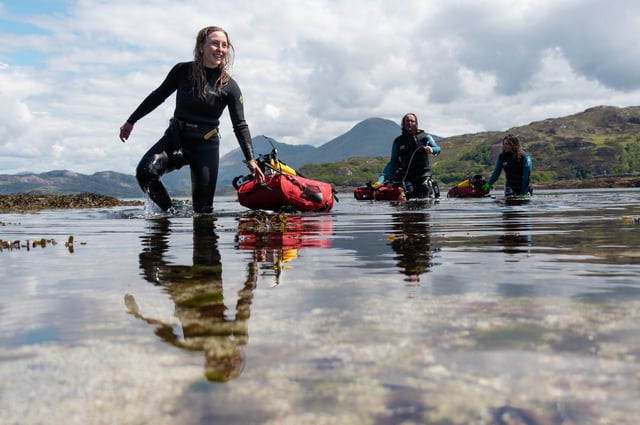
Scotland has also developed seatrekking — guided journeys that combine snorkelling, swimming and coastal scrambling to travel along a stretch of shoreline. It's a more immersive, expedition-style way to experience the coast than staying at a single snorkelling site, and it suits Scotland's dramatic, indented coastline particularly well.
Adventuro centres in Scotland
- Basking Shark Scotland — Founded in 2012 by marine biologist Shane and based in Oban, this team specialises in high-quality wildlife and snorkelling tours around the Hebrides, including the chance to swim with basking sharks in one of the world's top hotspots.
- Seatrek Scotland — Lyndsay's Fort William team pioneered seatrekking in Scotland, combining snorkelling, swimming and scrambling along the Lochaber coastline in a sustainable, pro-environmental operation.