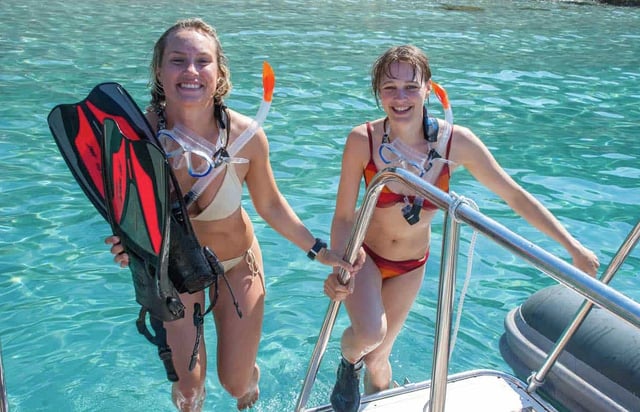
The Balearic Islands' case for being the finest snorkelling destination in the western Mediterranean is a strong one. The combination of the warm Balearic Sea, extensive marine protection, UNESCO-listed Posidonia oceanica seagrass meadows and a coastline riddled with sea caves and rocky headlands creates conditions where visibility regularly exceeds 20 metres and the marine life has had enough protection to actually be there when you look. It's snorkelling that rewards both first-timers and experienced divers equally.
Best snorkelling spots in the Balearics
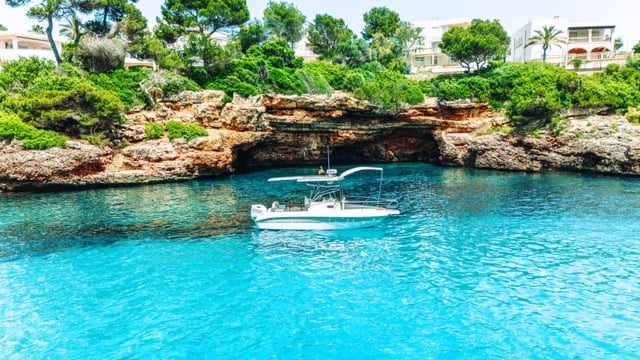
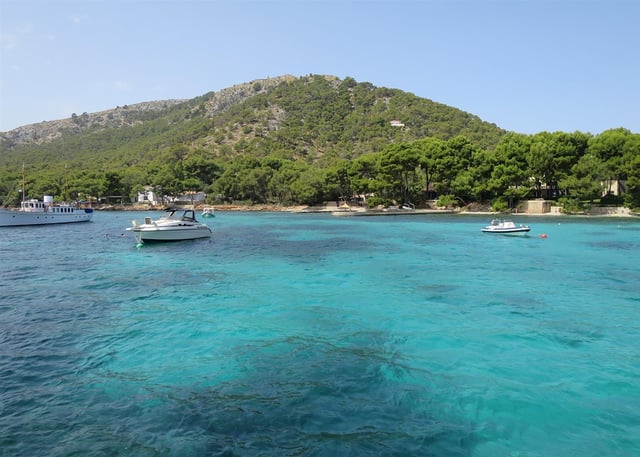
In Mallorca, the north-west coast between Cap de Formentor and Sa Calobra delivers dramatic underwater topography: sea caves, limestone overhangs and Posidonia meadows teeming with fish that have learned they won't be caught. The marine reserve at Cala Mondragó on the south-east coast is exceptional for shore-based snorkelling — walk in off the sand and you're immediately over clear shallow reef. The rocky headlands at Dragonera island off the south-west tip are outstanding for larger fish species. In Menorca, the south coast is where most snorkelling focus belongs: the bays of Macarella, Macarelleta and Cala Turqueta sit within a biosphere reserve and have some of the finest Posidonia meadows in the Balearics — shallow enough for easy snorkelling, rich enough to keep you entertained for hours. Around Ibiza, the UNESCO-protected Posidonia off Es Vedrà and the waters between Ibiza and Formentera have the clearest water in the entire archipelago. Formentera's shallow sandbanks over white sand in 4–6 metres of water — looking down through absolute clarity — are an extraordinary snorkelling experience.
What you'll see
The Balearic underwater environment includes Posidonia oceanica meadows (an endemic Mediterranean seagrass, thousands of years old in some beds, and a protected habitat under EU law), octopus on rocky ground, moray eels in crevices, schools of sea bream and red mullet, barracuda hunting in open water and — in the right conditions — sunfish near the surface and loggerhead sea turtles. The protected areas have significantly higher fish density and diversity than unprotected coastline; guided tours invariably target the reserves and marine parks for this reason.
Guided tours vs independent snorkelling
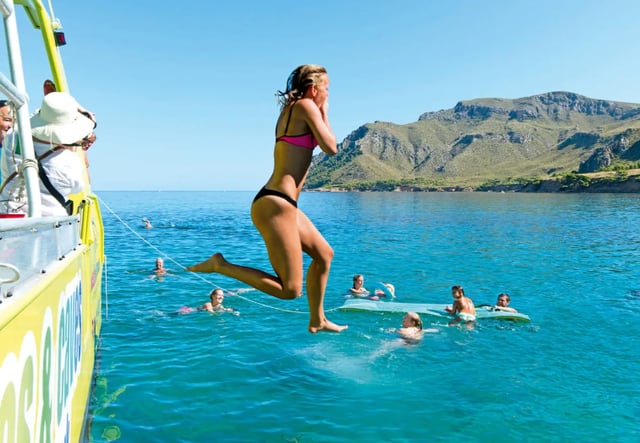
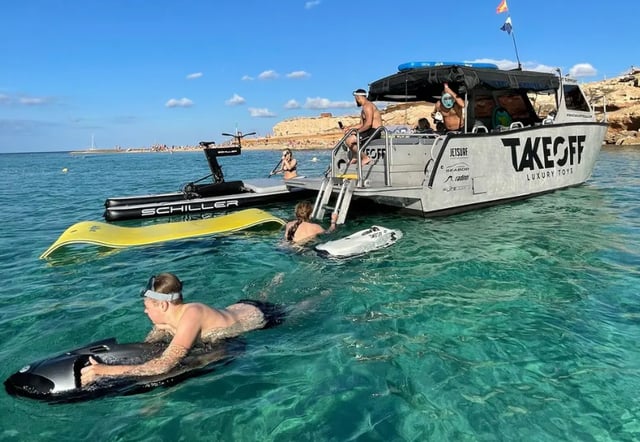
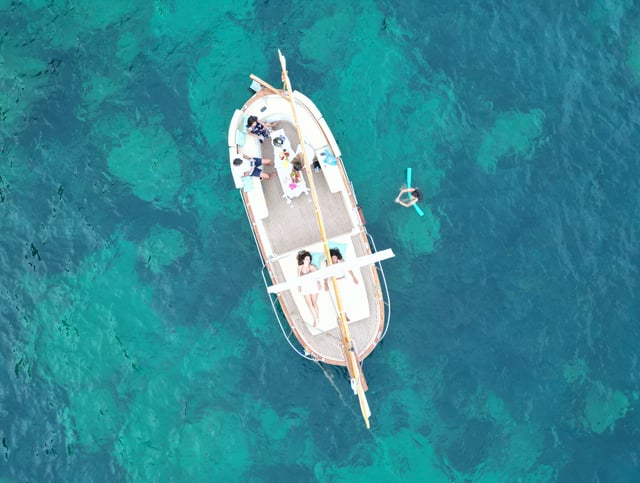
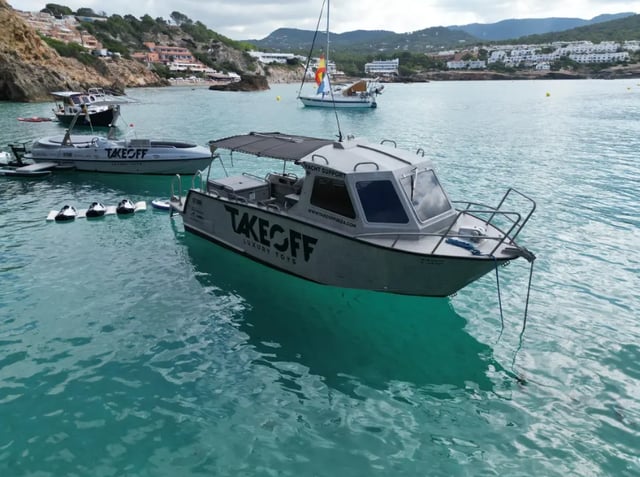
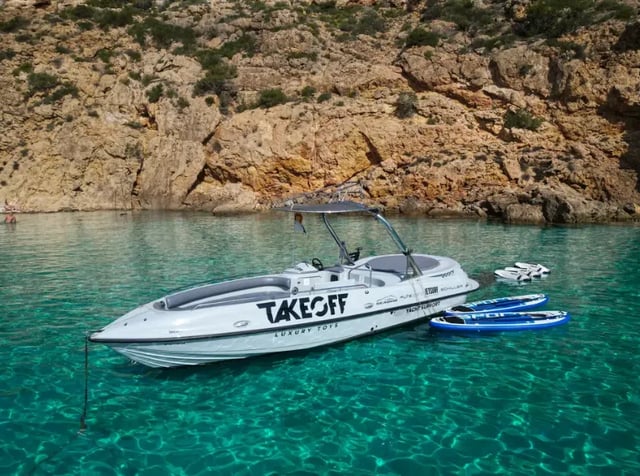
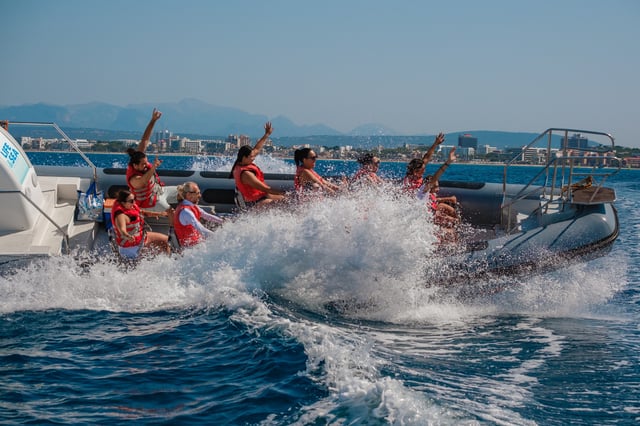
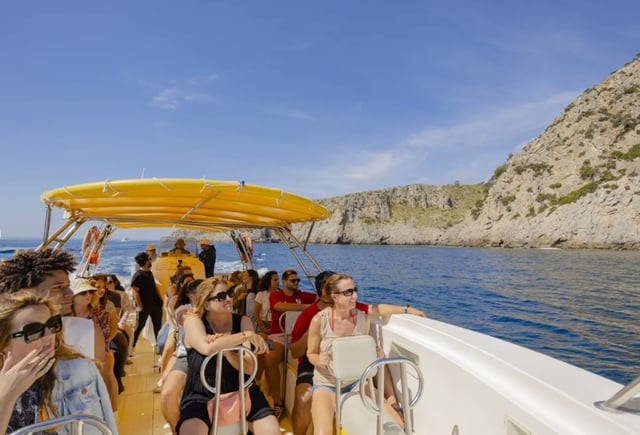
Many of the best snorkelling sites in the Balearics are only accessible by boat — guided tours travel by RIB to offshore reefs, sea caves and sites around headlands that can't be reached from the beach. This is the way to access the highest-quality snorkelling. That said, beach snorkelling in the protected bays of Menorca's south coast and Mallorca's marine reserve beaches is excellent without any guide — pick a sheltered cove with a rocky headland and you'll find life there reliably.
When to snorkel in the Balearics
May to October is the season, with July to September delivering the warmest water (25–28°C). A thin 1–2mm wetsuit is comfortable for longer sessions even in peak summer — the water temperature drops noticeably once you're a few metres down. Outside summer, water cools to 16–19°C and a 3mm wetsuit becomes worthwhile for any extended snorkelling. Visibility tends to be slightly better in May–June and September–October, before peak summer boat traffic stirs up the water in heavily visited areas.