What is Abseiling?
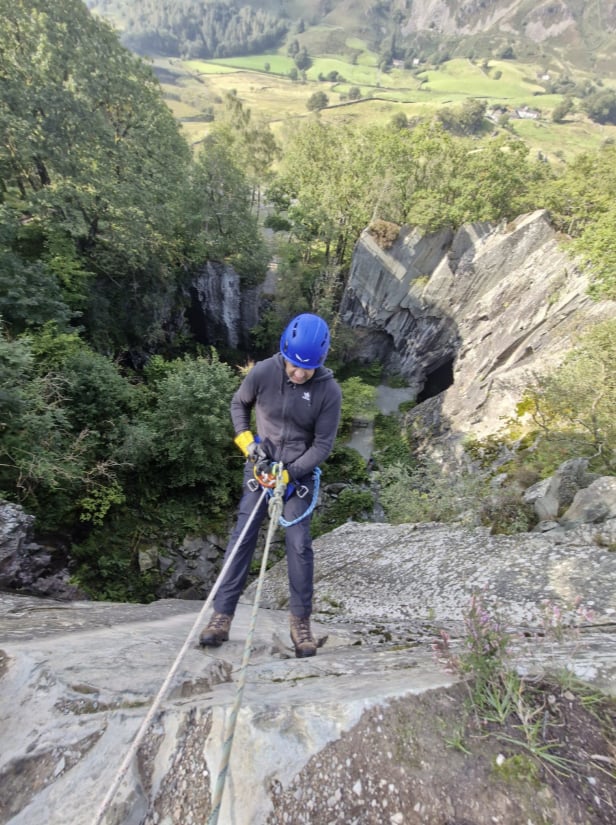
Abseiling is a method of descending steep surfaces using ropes and a harness system. It involves controlling the rope through a device designed to regulate the speed of descent, ensuring safety and control throughout the process. Originally developed for rescue and military purposes, abseiling is now widely practised in recreational climbing, canyoning, and adventure sports.
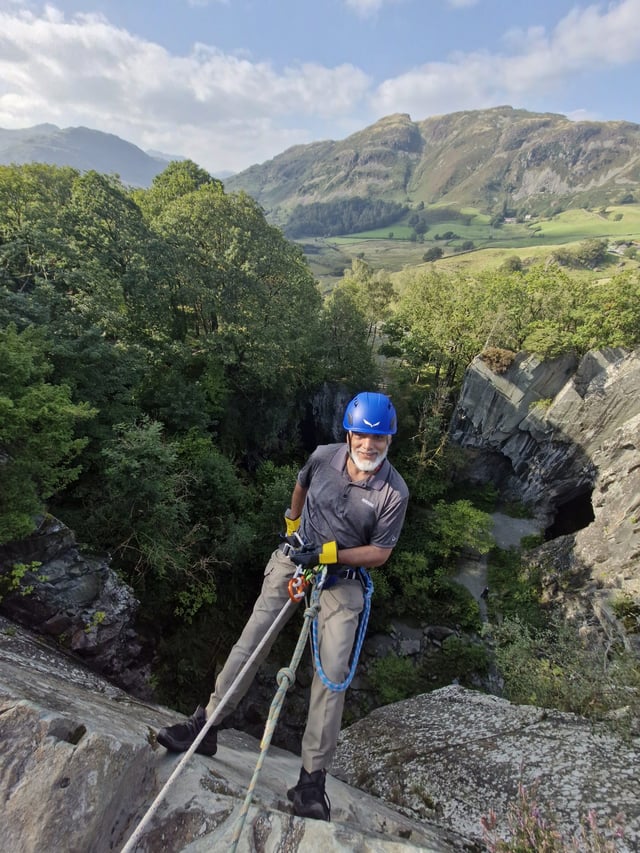
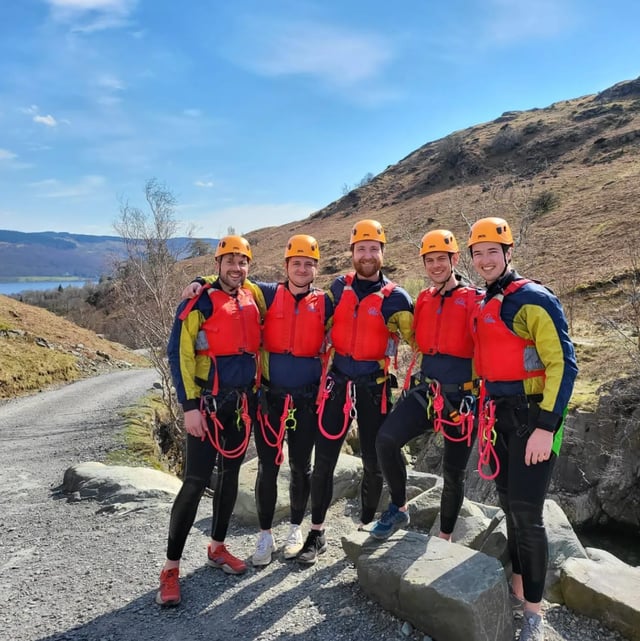
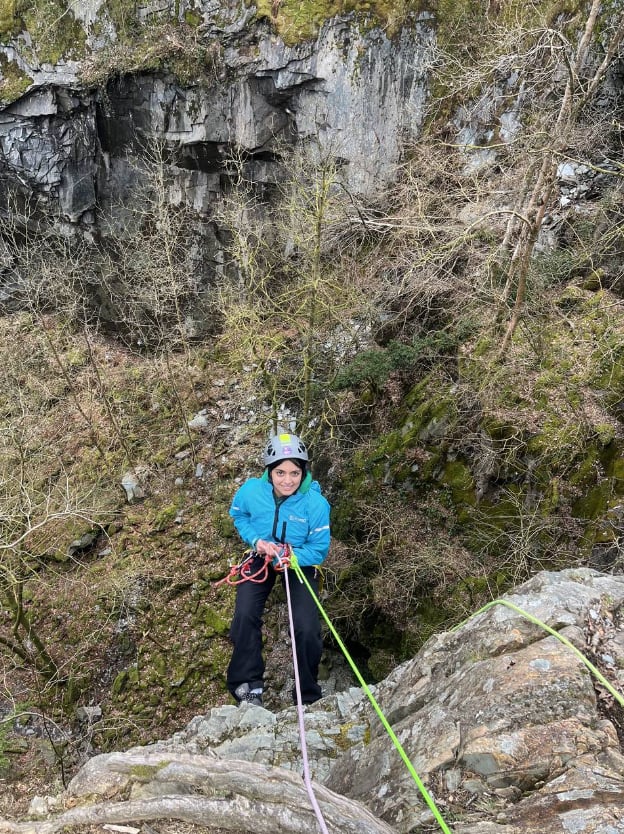
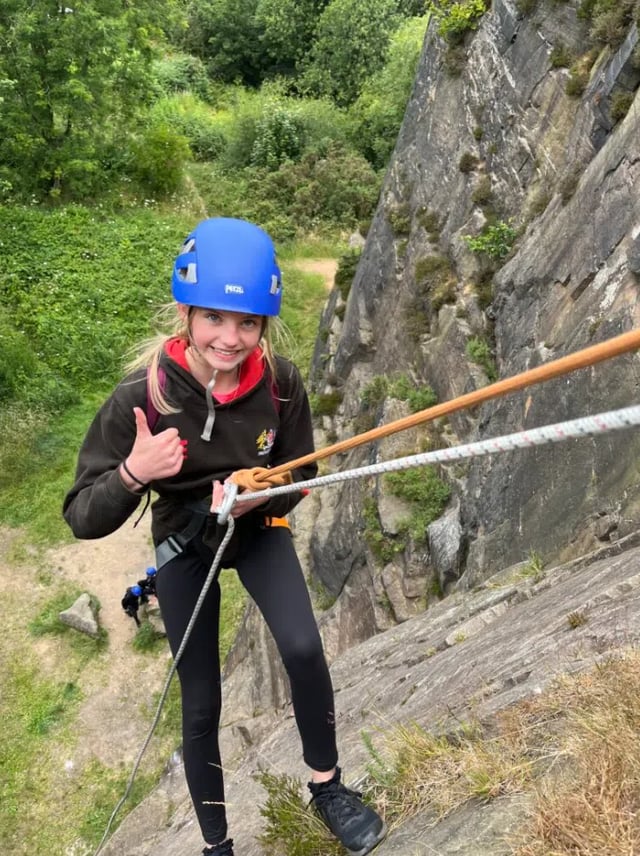
The essential gear includes a climbing harness, a rope, a belay or abseil device (such as a figure-eight or assisted braking device), and protective equipment like gloves and a helmet. The technique requires an understanding of rope management and body positioning. The user leans back from the anchor point, controlling their descent by adjusting the friction on the rope through the device. The ability to control speed is crucial, as is knowing how to stop or pause safely during the descent.
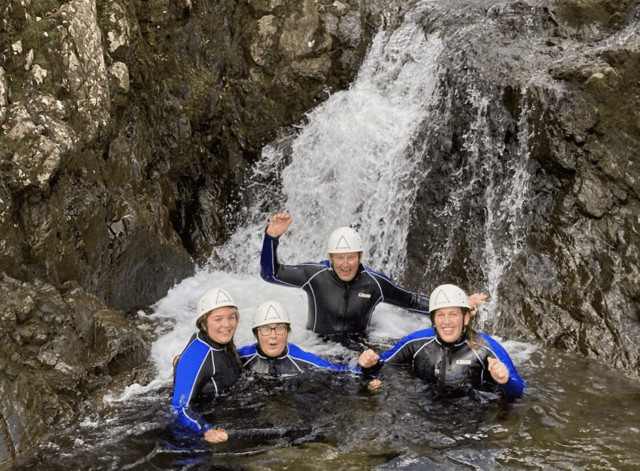
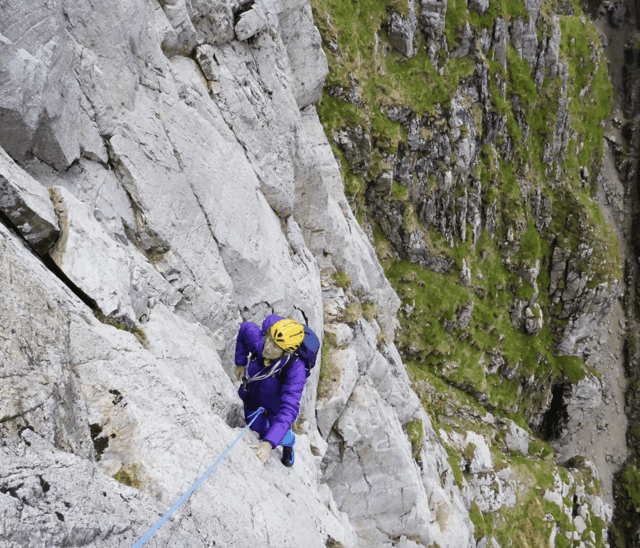
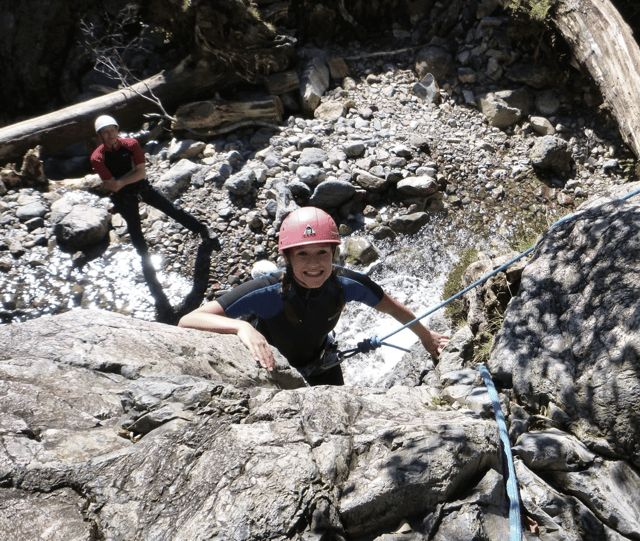
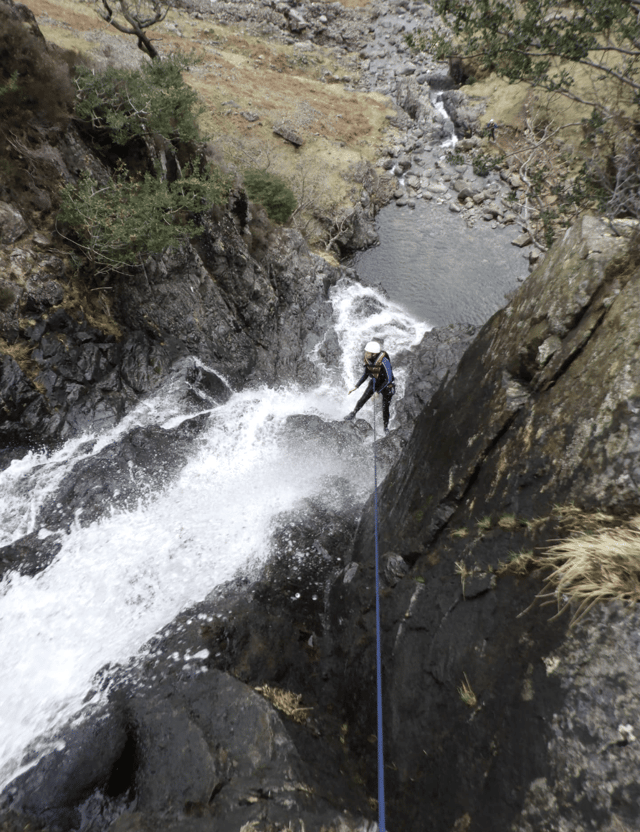
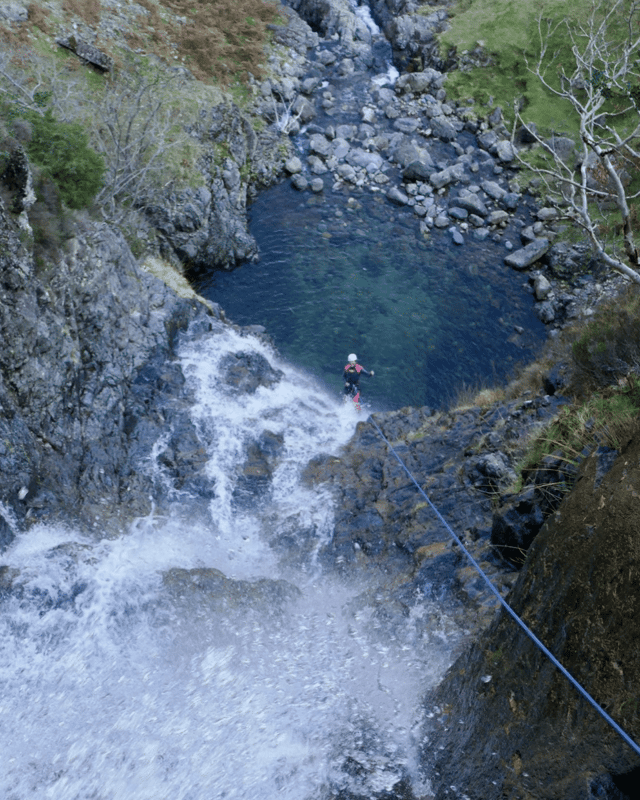
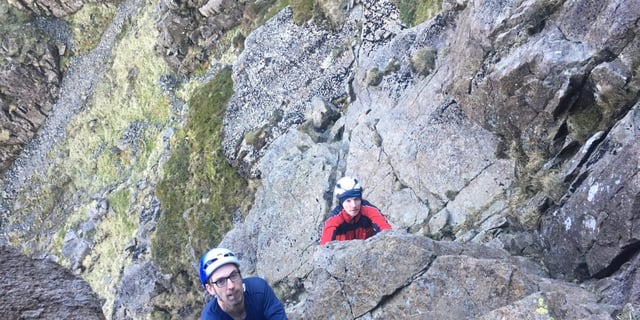
Abseiling is performed in a variety of environments, including natural rock faces, indoor climbing walls, urban structures, and canyons. It can be a standalone activity or part of other outdoor pursuits like mountaineering and caving. Safety checks, including harness fit, rope condition, and anchor stability, are essential before descending.
What Should I Expect?
If you are new to abseiling, the first step is often learning the basic techniques in a controlled environment with experienced instruction. You can expect to be taught how to properly wear your harness, set up your rope system, and use the abseil device correctly. Beginners usually start on low heights to build confidence and become familiar with controlling their descent.
During a typical abseiling session, you will receive a safety briefing and a demonstration of the correct body position and hand placements. The instructor will supervise and support you through your first descents, helping you gain control over speed and balance. Once comfortable, you might progress to higher or more challenging sites.
Physical fitness is beneficial but not essential, as abseiling primarily relies on technique rather than strength. However, a reasonable level of coordination and comfort with heights is necessary. You will also learn how to assess conditions such as weather and rock quality, which can impact safety.
Abseiling can be thrilling and rewarding, offering a different perspective of the environment as you descend vertical surfaces. It requires focus, patience, and trust in your equipment and skills. Whether used for adventure or practical purposes, the fundamental skills you gain through abseiling are transferable to many outdoor activities, making it a valuable and versatile skill to learn.