We partner with Rewilding Britain to help protect our natural spaces for future adventures.
All centres are vetted for safety and quality. Your adventure is in good hands with adventuro.
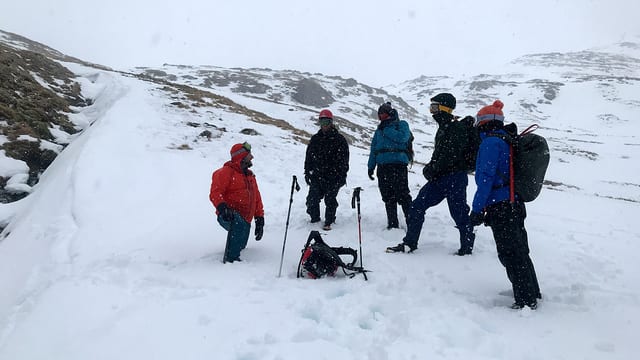
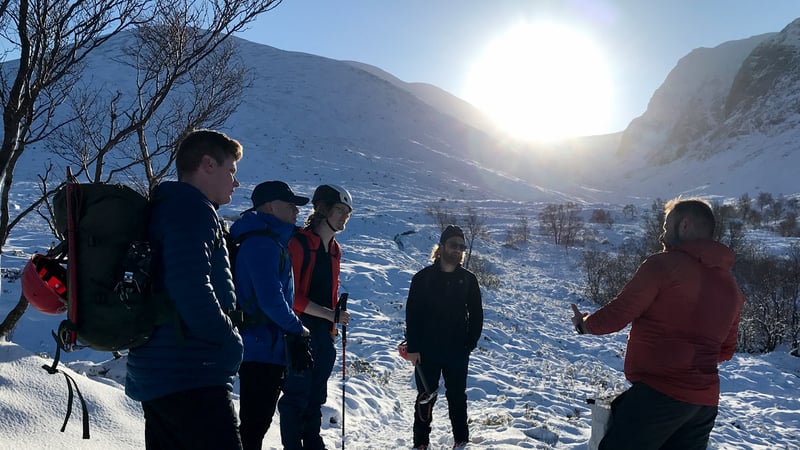
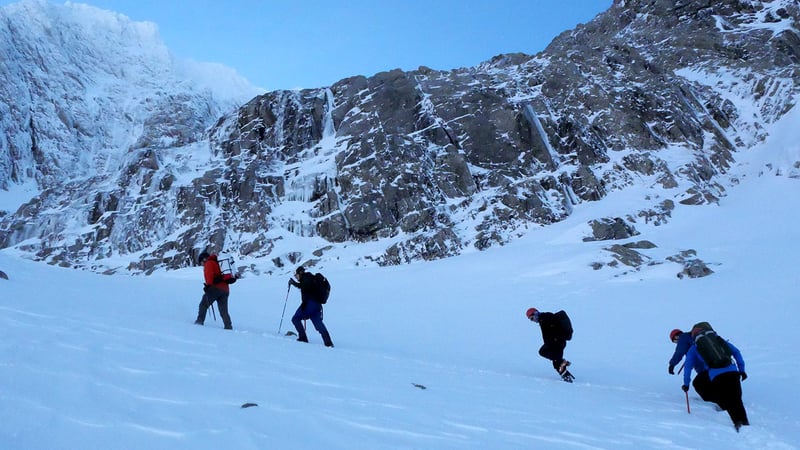
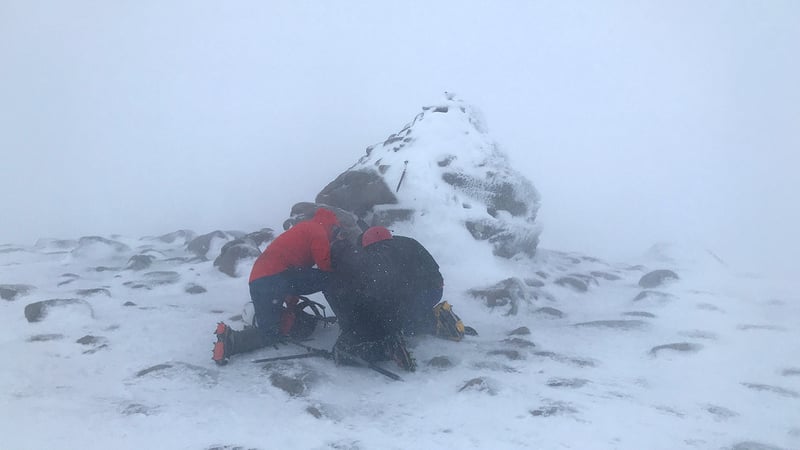
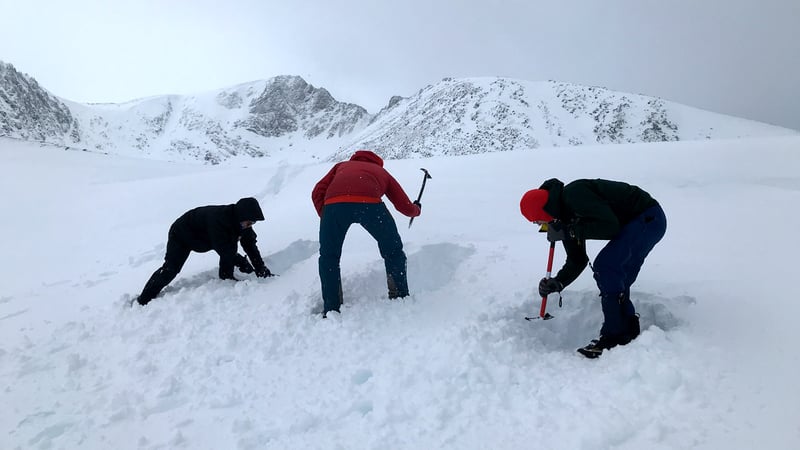
Die ersten Tage vermitteln und vertiefen grundlegende Winterfähigkeiten, bevor die Woche zu anspruchsvollerem Gelände, Schneedeckenbeurteilung und Notfallverfahren übergeht. Die ersten Tage überschneiden sich mit der zweitägigen Einführung, bevor der Lehrplan zu längeren Routen, Arbeiten bei schlechter Sicht und anspruchsvolleren Entscheidungen am Berg fortschreitet.
Du benötigst eine gute Kondition für fünf aufeinanderfolgende Bergtage, eine Unterkunft vor Ort für vier Nächte und ein eigenes Fahrzeug für die täglichen Treffpunkte. Eine vollständige Ausrüstungsliste erhältst du nach der Buchung. Plane eine flexible Unterkunft, bis der Kurs bestätigt ist, da sich die Veranstaltungsorte bei winterlichen Bedingungen kurzfristig ändern können.
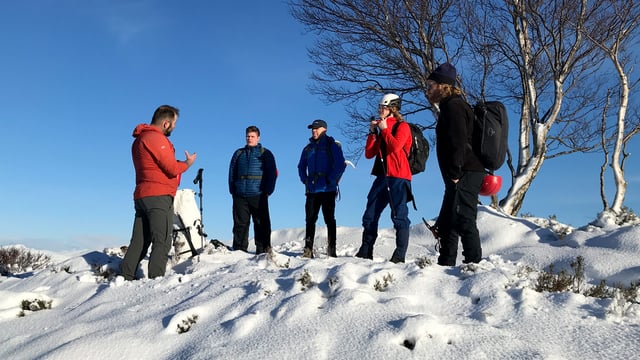
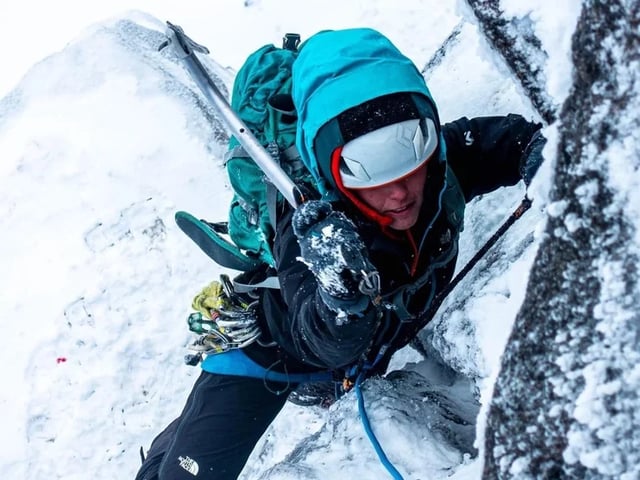
Stell dir fünf aufeinanderfolgende Tage in den schottischen Winterbergen vor – mit demselben kleinen Team und Kursleiter. Dabei entwickelst du dich von den Grundlagen zu Lawinenbewusstsein, anspruchsvollerem Gelände und einführender Notfall-Seilarbeit weiter, für die kürzere Kurse selten ausreichend Zeit haben. Die Gruppen umfassen drei bis sechs Personen und starten in Fort William oder Aviemore. Die täglichen Veranstaltungsorte werden nach den Bedingungen und dem Fortschritt der Gruppe ausgewählt. Du nimmst Fähigkeiten mit, die du auf echtem Schnee und Eis wiederholt hast, statt sie an einem einzigen Wochenende nur hastig durchzugehen.
In den ersten Tagen übst du Steigeisentechnik, den Umgang mit dem Eispickel, Selbstbremsung und winterliche Navigation in zugänglichem Gelände. Diese Inhalte überschneiden sich mit der zweitägigen Einführung, bevor der Lehrplan zu längeren Routen und anspruchsvolleren Entscheidungen übergeht. Die Touren zur Wochenmitte verbinden Strategien für schlechte Sicht, die Beobachtung der Schneedecke und effiziente Fortbewegung, während dein Kursleiter die Gruppe in einem Gelände hält, das ihrem Können und ihrem Ermüdungsgrad an den aufeinanderfolgenden Tagen entspricht.
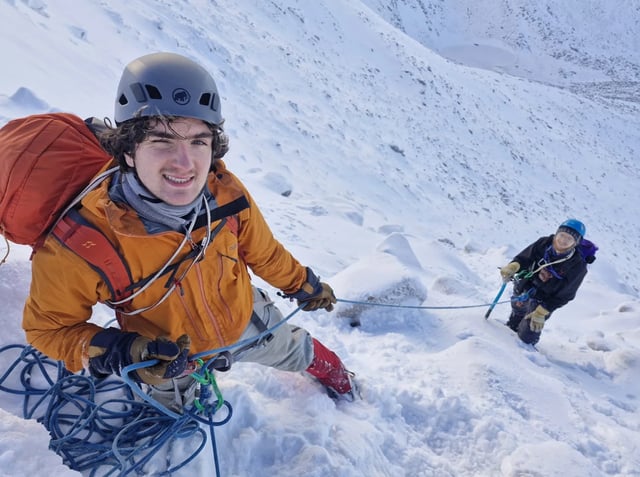
Am letzten Tag kommen Notfalltechniken mit dem Seil hinzu. Außerdem wird die Woche mit einer ehrlichen Nachbesprechung zu Fortschritten, Übungsfeldern und sinnvollen nächsten Schritten für selbstständige Wintertouren oder weitere Qualifikationen abgerundet. Du benötigst eine Unterkunft vor Ort für vier Nächte und ein eigenes Fahrzeug für die täglichen Treffpunkte. Die morgendlichen Besprechungen richten sich nach Wetter- und Lawineninformationen.
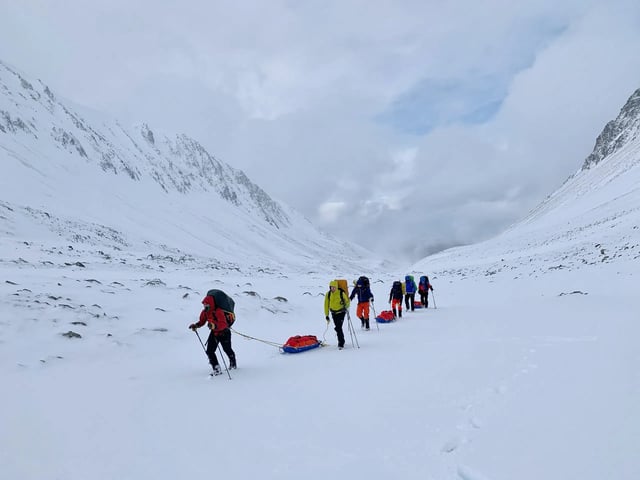
Die Kurse nutzen Berge und Täler rund um Fort William und Ben Nevis oder die Cairngorms ab Aviemore. Die Veranstaltungsorte werden täglich nach den Bedingungen und dem Fortschritt der Gruppe ausgewählt. Beide Regionen bieten eine klassische winterliche Highland-Landschaft und zuverlässigen Zugang zu geeignetem Übungsgelände, sofern das Wetter eine sichere Anreise zulässt.
Die Ausgangspunkte und Parkplätze variieren je nach Tagesplan. Flexible Reise arrangements helfen, wenn die Gruppe zwischen Veranstaltungsorten wechselt, um Schneedecke, Wind und Sichtverhältnisse zu berücksichtigen. Dein Guide erklärt diese Entscheidungen jeden Tag, damit du neben der Technik auch die Routenplanung lernst.
Eine gute Kondition für fünf aufeinanderfolgende Bergtage ist unerlässlich. Eine vorherige Ausbildung in Wintertechniken ist nicht erforderlich, aber sommerliche Bergerfahrung unter anspruchsvollen Bedingungen hilft dir, die Woche aufzunehmen, ohne dass Ermüdung den Lernerfolg an den späteren Tagen einschränkt.
Bringe B2-Schuhe, Steigeisen, wasserdichte Kleidung und persönliche Ausrüstung aus der gemeinsamen Ausrüstungsliste mit. Örtliche Verleihe führen Winterstiefel, falls du keine geeigneten Schuhe besitzt.
Fünf Tage geben dir Zeit, die Fähigkeiten zu festigen, und deinem Guide die Möglichkeit, Nuancen zu vermitteln, die in kurzen Kursen oft zu kurz kommen. Das tägliche Feedback wird darauf abgestimmt, wie du dich am Berg entwickelst, statt alles in einem einzigen gedrängten Block abzuhandeln. Die Seilarbeit für Notfälle am letzten Tag bietet mehr Tiefe als gewöhnliche Einführungskurse.
Das Ausbildungsteam veranstaltet seit 2005 Outdoor-Kurse und unterstützt außerdem Fernseh- und Filmproduktionen mit professioneller Sicherheitsbetreuung. So bringt es erfahrene und ruhige Führung in anspruchsvolle schottische Winterwochen ein.
Fünf Tage geben dir Zeit, die Fähigkeiten zu festigen, und deinem Guide die Möglichkeit, Nuancen zu vermitteln, die in kurzen Kursen oft zu kurz kommen. Das tägliche Feedback wird darauf abgestimmt, wie du dich am Berg entwickelst, statt alles in einem einzigen gedrängten Wochenende abzuhandeln.
Die Notfall-Seilarbeit am letzten Tag bietet mehr Tiefe als gewöhnliche Einführungskurse und vermittelt ein umfassenderes Bild von Wintersicherheit und Rettungsbewusstsein, als ein zweitägiger Kurs realistischerweise abdecken kann.
Dein Guide bestätigt die Treffpunkte vor dem Kurs und kann die Ausgangspunkte täglich anpassen, wenn sich die Bedingungen zwischen den Veranstaltungsorten in Fort William und Aviemore ändern. Buche vor Ort eine flexible Unterkunft für vier Nächte und vermeide nicht erstattungsfähige Reisen, bevor bestätigt ist, dass der Kurs stattfindet.
Sei auf frühe Starts und an manchen Tagen späte Rückkehr vorbereitet. Nimm Verpflegung und zusätzliche Kleidungsschichten für volle Tage abseits der Einrichtungen am Berg mit.
Fünf volle Tage im Berggelände erfordern viel Ausdauer und eine gute Regeneration zwischen den einzelnen Tagen. Regelmäßige Wanderungen in den Monaten vor dem Kurs helfen dir, die Woche optimal zu nutzen, ohne dass Ermüdung den Lernerfolg einschränkt.
Wenn du unsicher bist, sprich vorab mit dem Team, damit es dich ehrlich einschätzen kann, ob du für aufeinanderfolgende Wintertage in den schottischen Bergen bereit bist.
Nein. Die ersten beiden Tage behandeln ähnliche Inhalte wie die zweitägige Einführung, bevor der Lehrplan später in der Woche zu anspruchsvolleren Techniken und längeren Routen übergeht.
Wiederkehrende Teilnehmende schätzen oft die zusätzliche Wiederholung, bevor anspruchsvolles Gelände ansteht, während Anfänger vom schrittweisen Aufbau in den ersten Tagen profitieren.
Unterkunft ist nicht inbegriffen. Plane vier Nächte in der Umgebung von Fort William oder Aviemore und bleibe nah genug, um täglich früh morgens zu den Treffpunkten zu gelangen.
Eine flexible Unterkunft ist hilfreich, wenn sich die Veranstaltungsorte bei winterlichen Bedingungen kurzfristig ändern, während der Lehrplan planmäßig fortgesetzt wird.
Helm und Eispickel werden an allen fünf Tagen bereitgestellt. Die Ausrüstung wird am Ausgangspunkt kontrolliert und angepasst, damit du weißt, wie du sie die ganze Woche über sicher trägst und verwendest.
Du bringst Stiefel, Steigeisen, Kleidung, Verpflegung und persönliche Ausrüstung aus der gemeinsamen Liste selbst mit. Örtliche Verleihe führen Winterstiefel, falls du keine B2-Schuhe besitzt.
Die Tagesplanung wird an die Bedingungen angepasst; Unwetter können Aktivitäten verschieben oder den Veranstaltungsort ändern. Sicherheit steht immer an erster Stelle, und dein Kursleiter erklärt die Entscheidungen im Verlauf der Woche.
Wenn der Kurs nicht wie geplant stattfinden kann, wird nach Möglichkeit ein Ersatztermin organisiert, statt ungeeignetes Gelände zu erzwingen.
Ja. Notfalltechniken mit dem Seil werden am letzten Tag behandelt – etwas, wofür kürzere Kurse am Berg nur selten ausreichend Zeit haben.
Dabei handelt es sich um einführende Seilarbeit für winterliche Notfälle, nicht um eine vollständige Kletterqualifikation. Dennoch erhältst du wichtige zusätzliche Werkzeuge für anspruchsvolle Wintertouren in Schottland.
Die Gruppen werden auf drei bis sechs Personen begrenzt, damit die Betreuung die ganze Woche über persönlich bleibt und alle ausreichend Gelegenheit haben, jede Fähigkeit praktisch zu üben.
Größere Gruppen würden die Zeit im Gelände pro Person verkürzen und individuelles Feedback an aufeinanderfolgenden Tagen erschweren.
Die Termine werden je nach geplantem Kurs ab Fort William oder Aviemore angeboten. In deiner Bestätigungs-E-Mail steht, welcher Ausgangsort für deinen Termin gilt.
Plane für alle vier Nächte eine Unterkunft in der Nähe des bestätigten Ausgangsorts, damit die Anreise zu den morgendlichen Treffpunkten unkompliziert bleibt.
Dies zählt nicht als dokumentierter Quality Mountain Day für ML-Auszeichnungen, ist aber eine nützliche Vorbereitung, wenn du auf Winterqualifikationen oder selbstständige Bergtage hinarbeitest.
Dein Kursleiter kann dir nach der Woche nächste formale Ausbildungsschritte empfehlen, wenn das dein längerfristiges Ziel ist.
Der geführte Tag konzentriert sich auf eine einzelne Bergtour mit etwas Betreuung unterwegs, während diese Woche einem strukturierten Lehrplan mit wiederholter Praxis und zunehmend anspruchsvollem Gelände folgt.
Viele probieren zuerst die geführte Wanderung aus und entscheiden sich dann für zwei oder fünf Ausbildungstage, wenn sie merken, dass ihnen schottische Winterbedingungen gefallen.
Über das Zentrum
Fort William
Betrieben von Hatt Adventures, einem Partner von adventuro.
Highlands & Islands, United Kingdom
Ab £260
Highlands & Islands, United Kingdom
Ab £1245

Ab £350
Highlands & Islands, United Kingdom
Ab £775
Surrey, East and West Sussex, United Kingdom
Ab £20
Surrey, East and West Sussex, United Kingdom
Ab £425
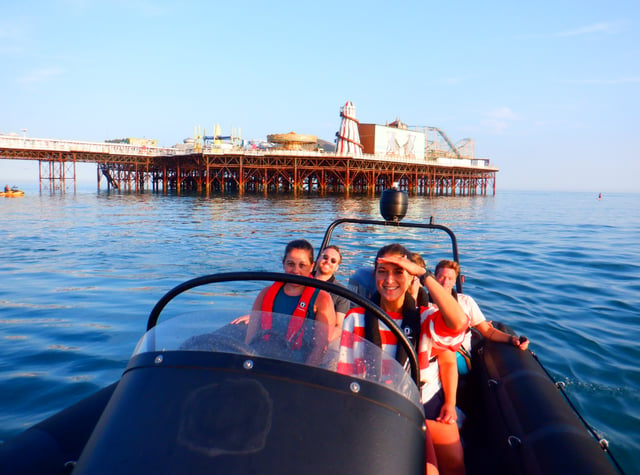
Surrey, East and West Sussex, United Kingdom
Ab £65