We partner with Rewilding Britain to help protect our natural spaces for future adventures.
All centres are vetted for safety and quality. Your adventure is in good hands with adventuro.
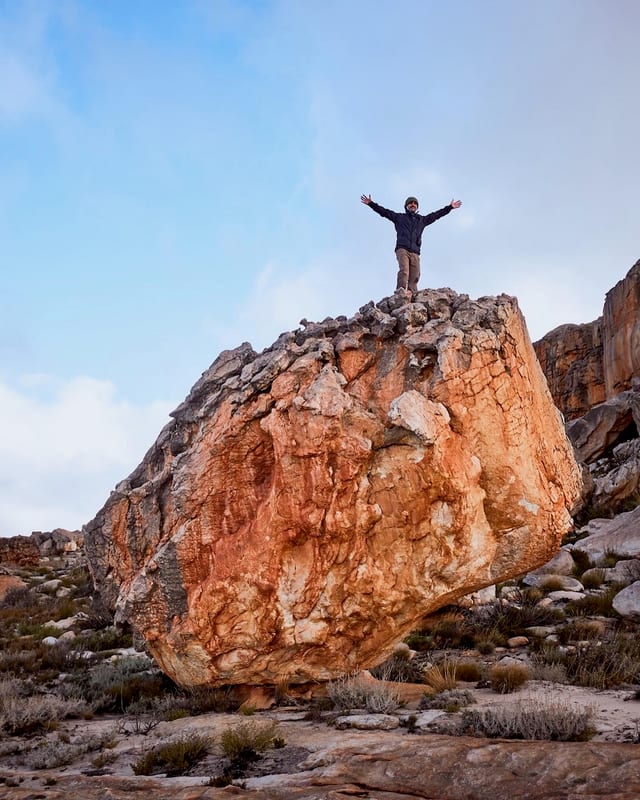
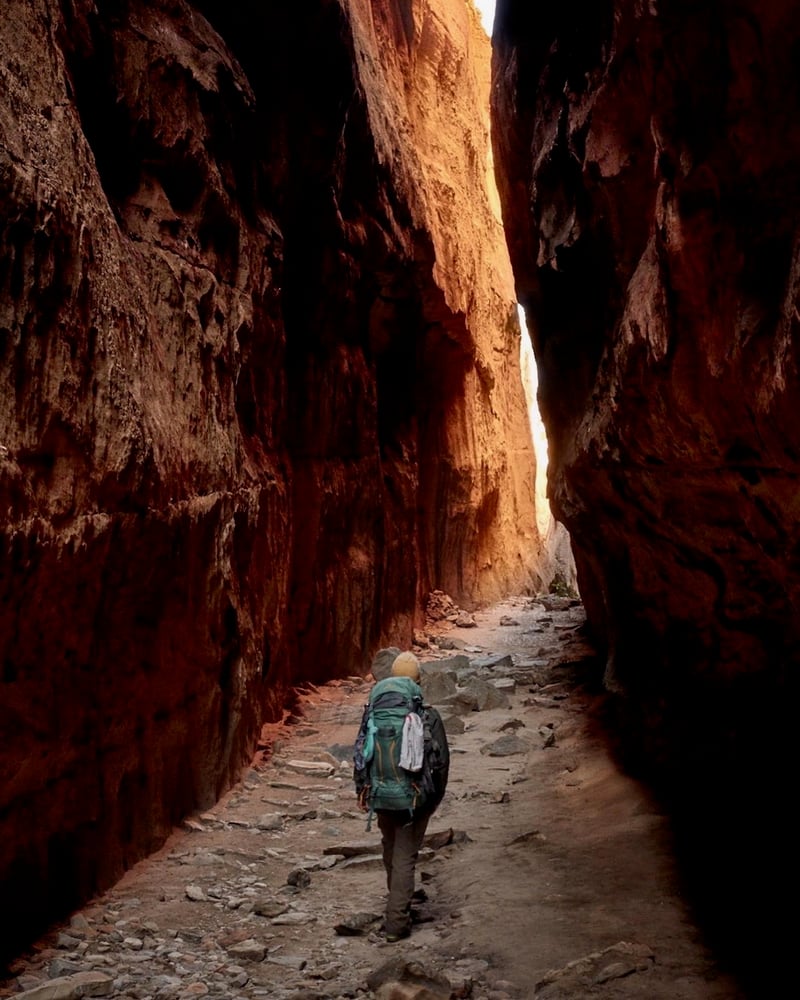
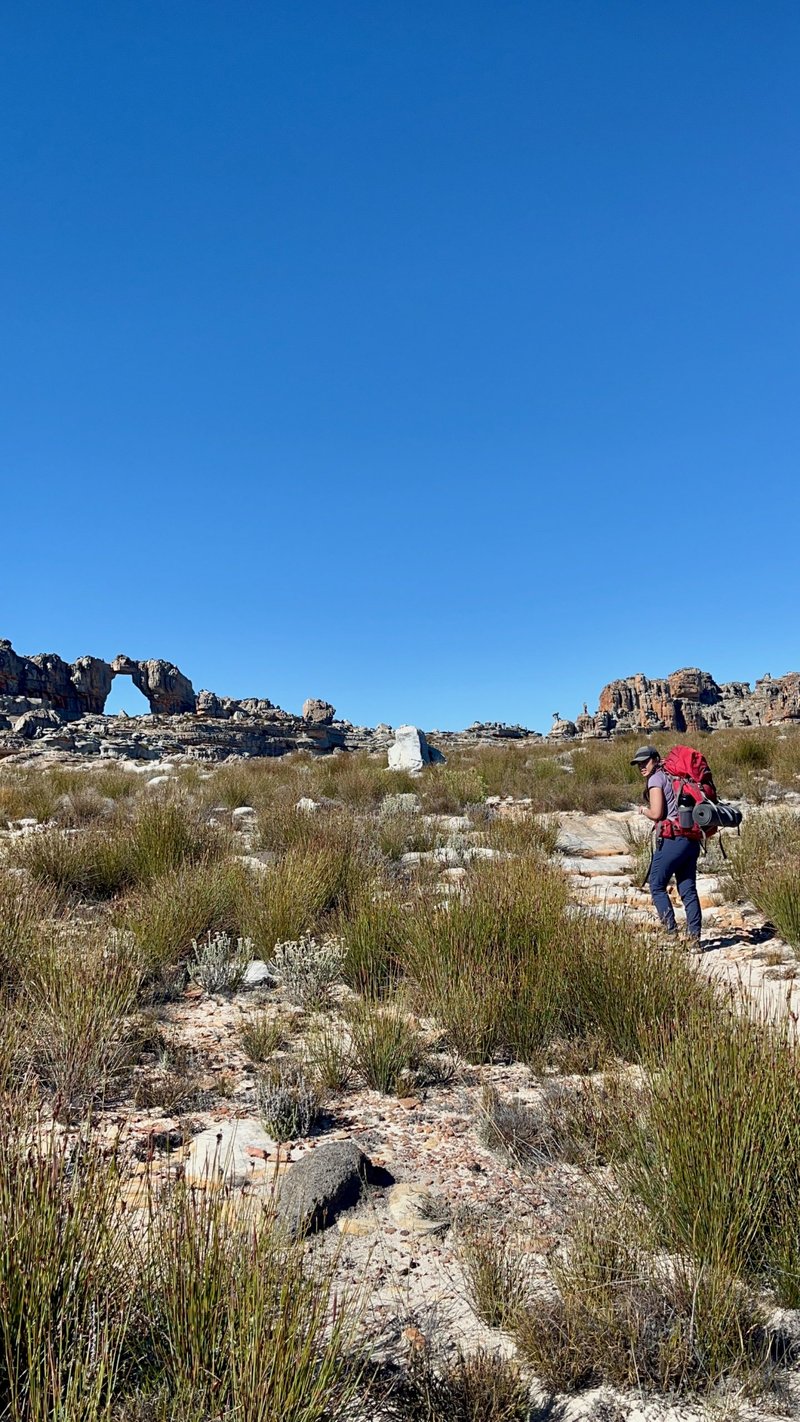
Remote Cederberg country, cave nights and river pools define this three-day traverse. You carry what you need between water points, sleep under sandstone overhangs and swim where the pools are safe, with a leader who knows the bail-out paths. It is a proper wilderness hike, not a hut-to-hut boardwalk.
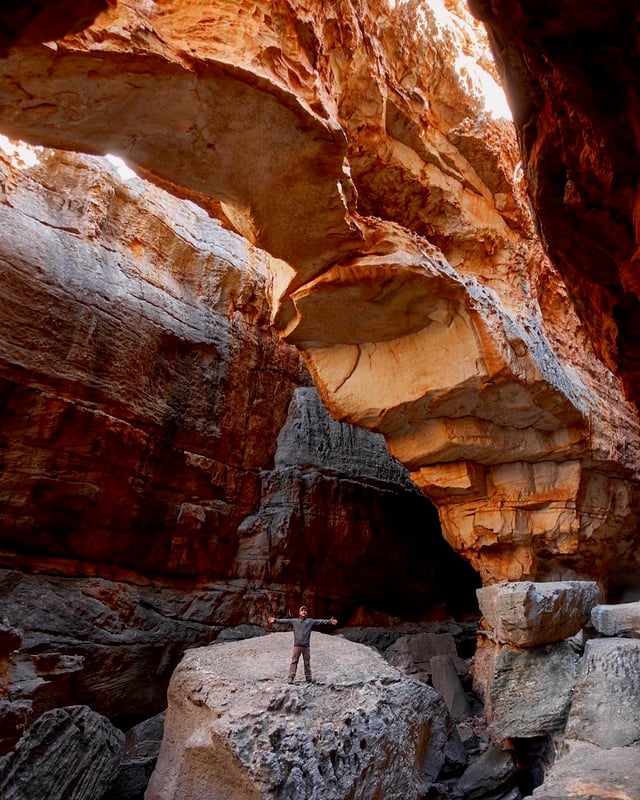
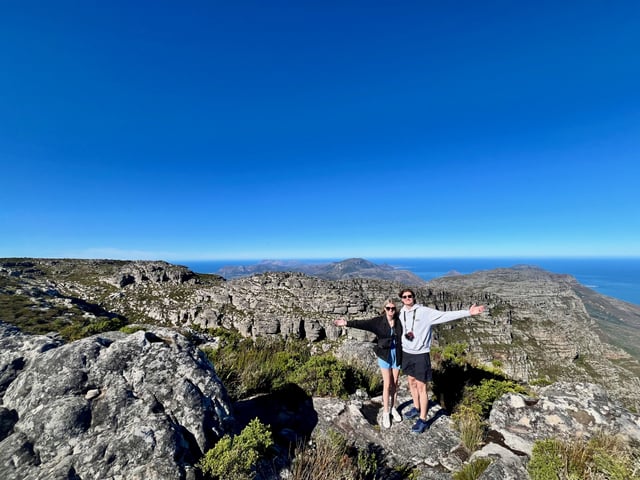
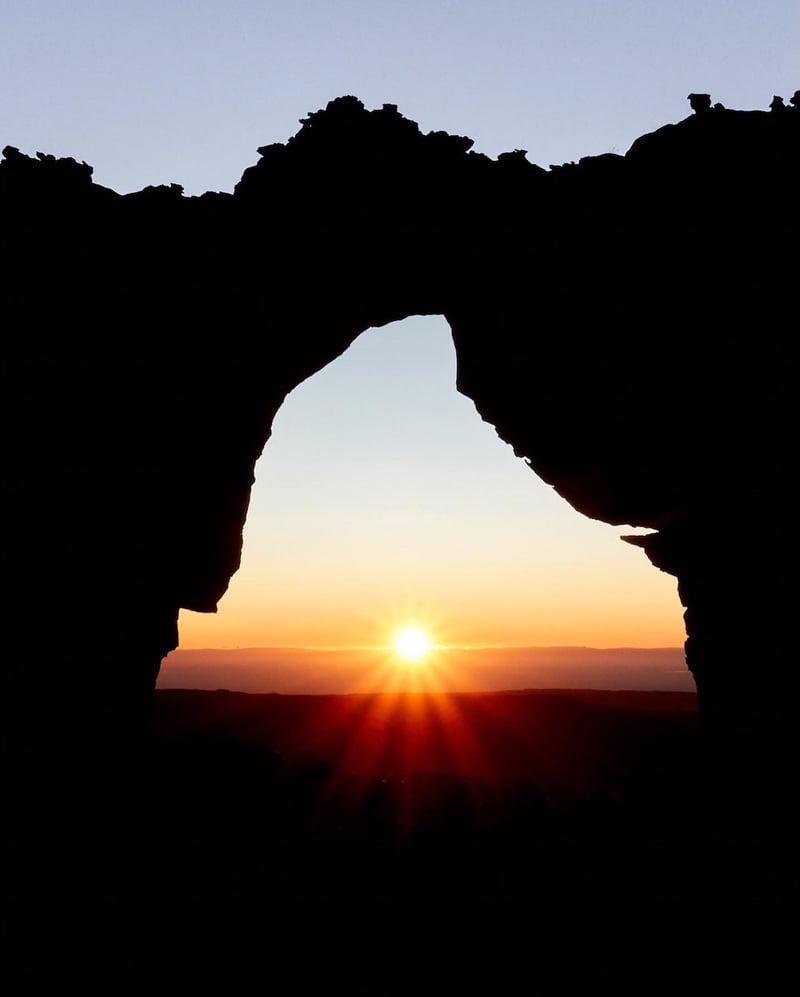
Each day threads arches, ridgelines and river gorges, with swimming when the pools are friendly and the group has time. You move as a team, sharing the rhythm of packing up camp, finding water and arriving at the next overhang before dark. Your guide carries group safety kit and will change the line if a river rises or a heatwave sits on the plateau.
NQF mountain leaders who know the cave bivouacs, water points and bail-out paths will shift the plan if weather or a swollen river asks for it. You are walking a line that has been run in these valleys for years, not following a generic camping checklist.
Groups stay small and the kit notes are honest, because a cave night should feel considered rather than improvised. Your guides hold trekking and mountain qualifications and treat remote travel as the main event, not an add-on to a day walk.
After transfer from Cape Town when collection is included, you arrive at Algeria Camp in the heart of the Cederberg for a kit check and welcome meal. The first hiking stage climbs through sandstone and fynbos towards Crystal Pools, with time for a swim when the water is friendly.
You settle into cabin or camp accommodation for the night with an early start in mind. Your guide keeps the pace steady in the afternoon heat and confirms water plans for the next ridge day.
Breakfast in the wild precedes a steady climb towards Tafelberg, one of the iconic peaks of the Cederberg. The trail opens onto panoramic sandstone and valley views before the summit push, where a 360-degree outlook rewards the effort when cloud stays clear.
From the high ground you continue to Spout Cave for the night bivouac. The guide watches wind and water on the descent lines and keeps the group together on the steeper rock bands.
After breakfast in the cave you descend through rock formations and valleys towards Sanddrift Camp, with photo stops on the last ridgelines. The walking eases as you drop height, and the group stays hydrated on the final dusty sections.
Your vehicle meets you at Sanddrift for the drive back to Cape Town when transfers are included, typically reaching the city by evening. Self drivers follow the same on-trail plan and collect their cars at the agreed finish point.
If collection is included, wait in your Cape Town lobby with a packed bag and the mobile number you shared. Three day trips leave on a firm clock, so a late hotel change needs a message the night before.
If you are driving, follow the pin in your pre trip message and arrive with time for a kit check before the group walks in. Fuel, cash and extra water are easier to sort in Citrusdal or Clanwilliam than on the dirt road into the wilderness.
You will carry a loaded pack between water points, so a comfortable rucksack, broken in boots, sleeping layers and a warm night jacket are essential. River crossing shoes or sandals that stay on your feet help at the pools, and cotton only outfits leave you cold once the sun drops.
A full list covering water capacity, sun protection and any camp extras is sent before departure. Cederberg nights can be cold after a hot day, so pack the warm layer even if the afternoon still feels like summer.
Yes. You should already be comfortable carrying a pack and walking for more than a day. This traverse is for people who enjoy remote paths, not a first night out with a new rucksack.
If you are unsure, talk to us about a shorter Cederberg walk first. Pretending you are ready on day one is how groups slow down in the heat and start making sloppy river crossings.
Guests should be at least 16. The terrain, pack weight and remote nights are not a family taster, and the bail out paths still leave you a long way from a shop.
Fitness and previous multi day hiking matter more than a gym score. If a teenager has real overnight trail time, say so; if they have only done day walks, choose another trip.
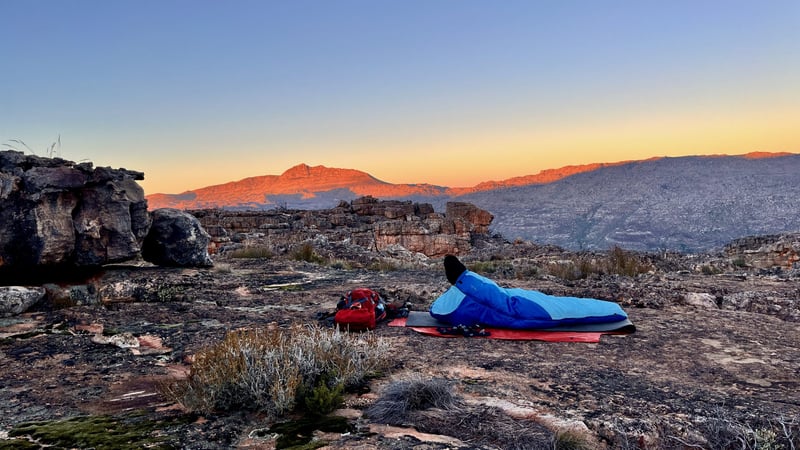
Nights are in caves or simple camps along the route, not in a town hotel. You sleep in the same landscape you have been walking through, under sandstone overhangs or beside the next water point.
Your pack list covers the personal kit you need. Group safety gear stays with the guide, and the evening routine is early because dawn starts make the heat more manageable.
River pools appear on the line when they are safe and the group has time. Water levels change with season, so a swim is a bonus rather than a promise at every lunch stop.
Pack a light layer that dries quickly. Flip flops that fall off in a current are a poor choice; shoes that stay on your feet make the crossings calmer.
Phone signal fades once you leave the tar. The nearest help is your guide, so you need to be self contained and honest about medical needs before you walk in.
That remoteness is the point of the trip. Enjoy the quiet, keep the group together on the sandstone, and do not wander off to find a better photo ledge on your own.
Guides may start earlier, shorten a stage or use a bail out path if the plateau is unsafe. Heat illness is taken seriously in this dry country, and pride is not a reason to push a dehydrated group.
Hats, electrolytes and a willingness to slow down keep the traverse enjoyable. Listen when your guide says the next saddle can wait for shade.
You carry personal kit, water and a share of group items as briefed. It is a real overnight pack, not a tiny city bag, and the weight adds up once the water bottles are full.
Train with a loaded rucksack on hills before you travel if you have not carried one recently. Blisters on day one make the cave night far less romantic than it sounds.
Some wild camping or hut nights help a lot. If every overnight you have done was a furnished lodge, this will feel like a step up in dust, packing and early starts.
Read the pack list carefully and ask questions before you travel rather than on the dirt road. Your guide can coach camp habits; they cannot invent experience you have not built yet.
Meals follow the plan listed for this trip, and your pre trip message spells out what you eat on the trail versus what you carry as snacks. Remote days are simpler food, eaten when the group hits shade or a pool.
Tell us about allergies beforehand so the menu can stay safe. A surprise dietary need is much harder to fix once you have left the last shop in Clanwilliam.
Possible river crossings are part of the character of the line, and levels change after storms. Your guide will pick a safer ford or reroute if a crossing looks wrong.
That is why bail out knowledge matters on this traverse. You are not committed to a single cartoon line on a map when the water is up.
About the centre
Citrusdal
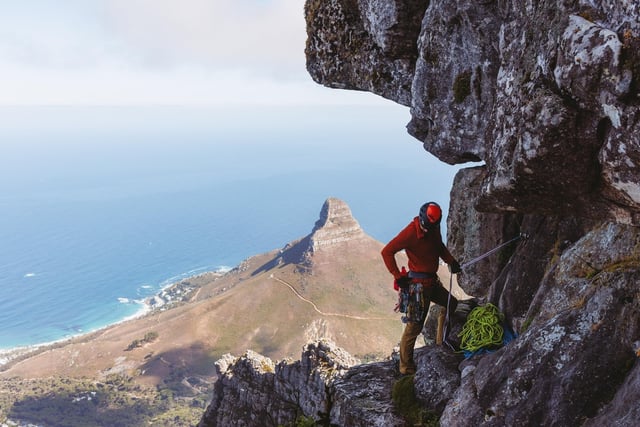
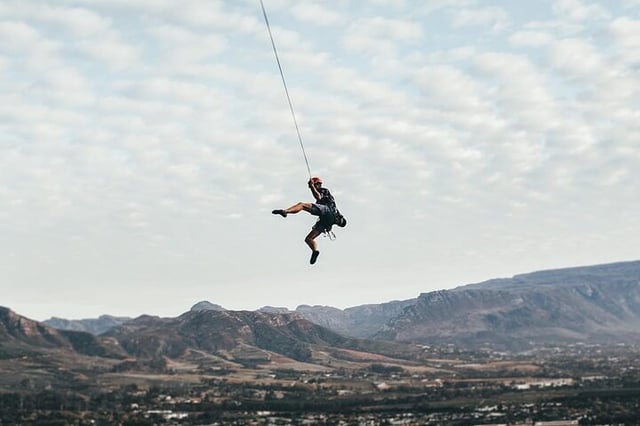
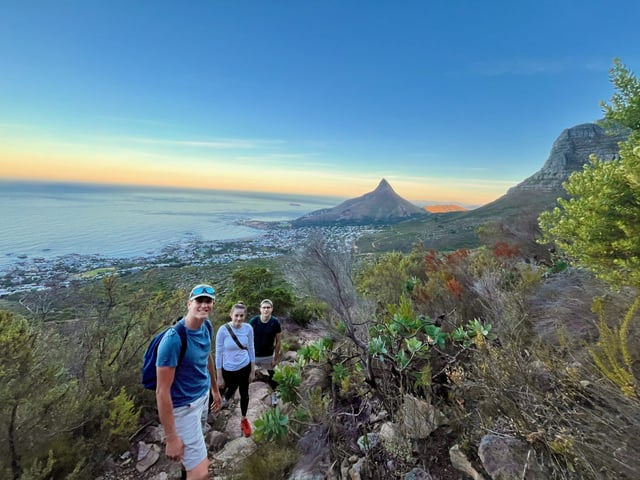
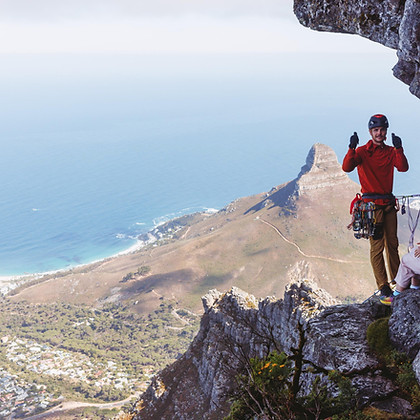
You'll explore Cape Town's iconic peaks and wild Cederberg landscapes with qualified mountain guides who know Table Mountain, Lion's Head and the winelands crags inside out. From sunrise hikes and cable-car descents to multi-pitch rock climbing and multi-day traverses, every outing is paced for your group with clear briefings, solid kit checks and routes matched to the weather.
Whether you're after a half-day introduction on the mountain or a guided expedition sleeping under the stars, you'll get hands-on coaching, local insight and a safety-first approach on some of South Africa's most spectacular terrain.
Operated by KAYU Adventures, a partner of adventuro.