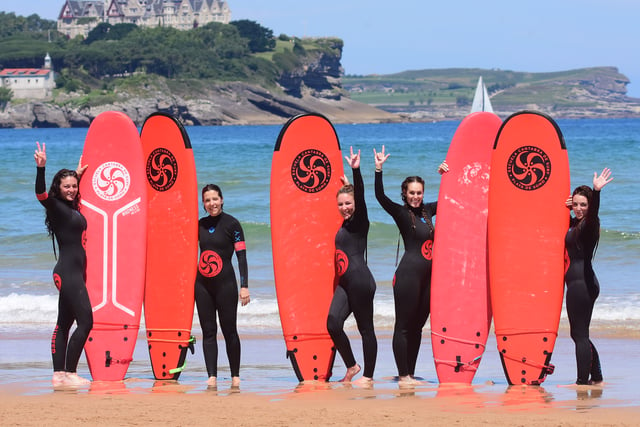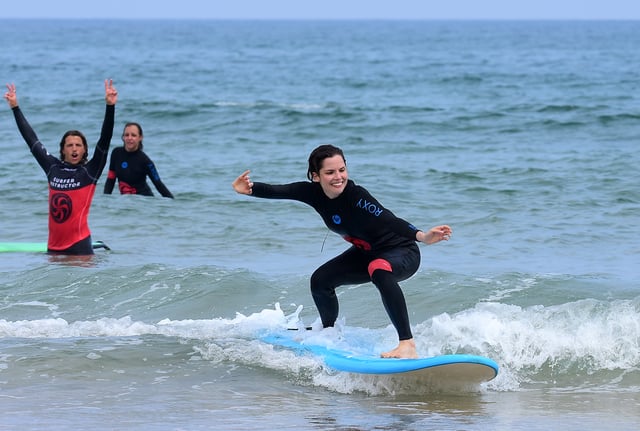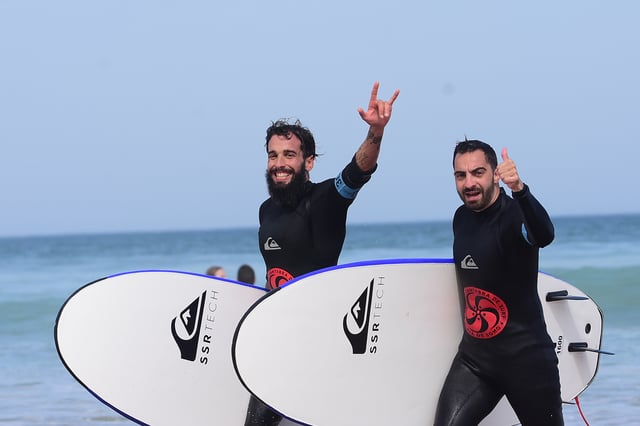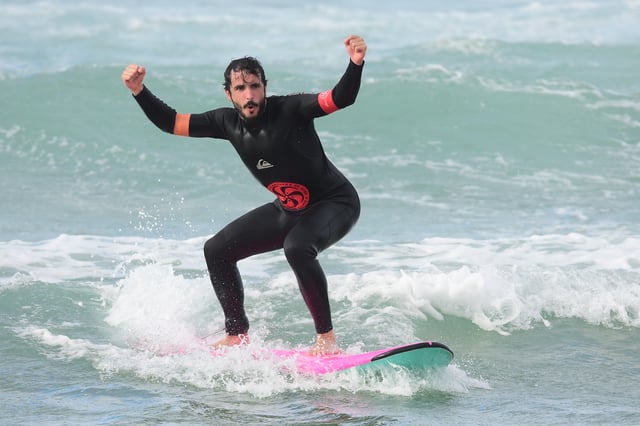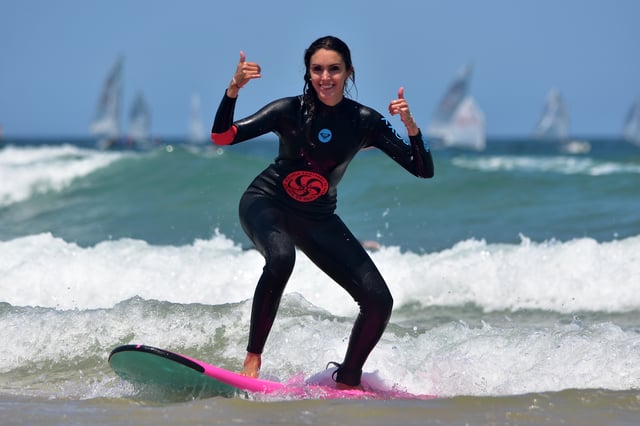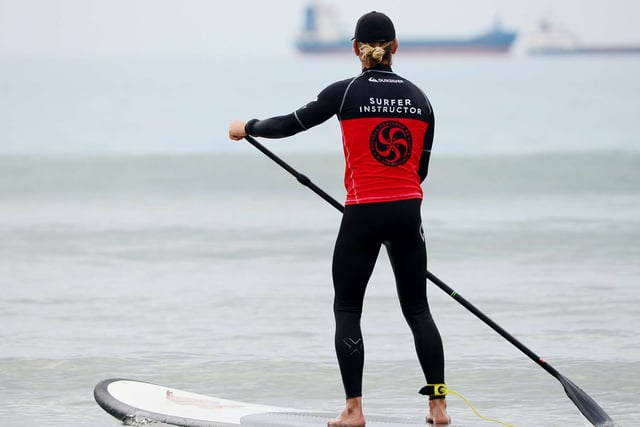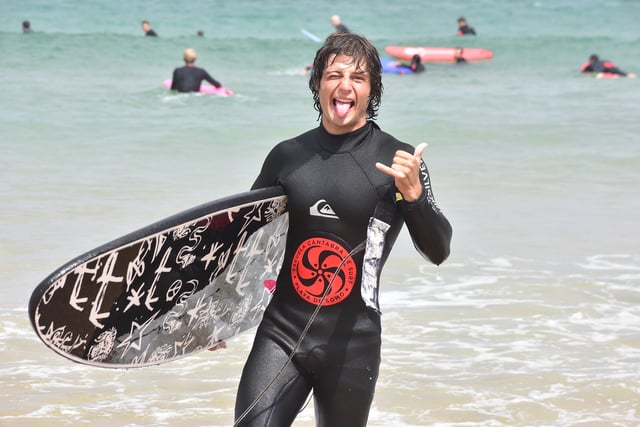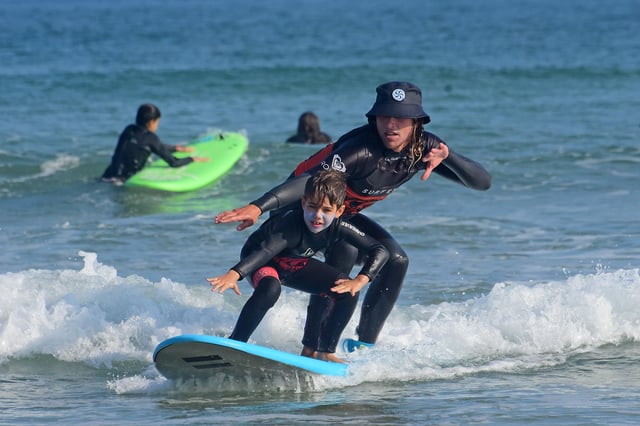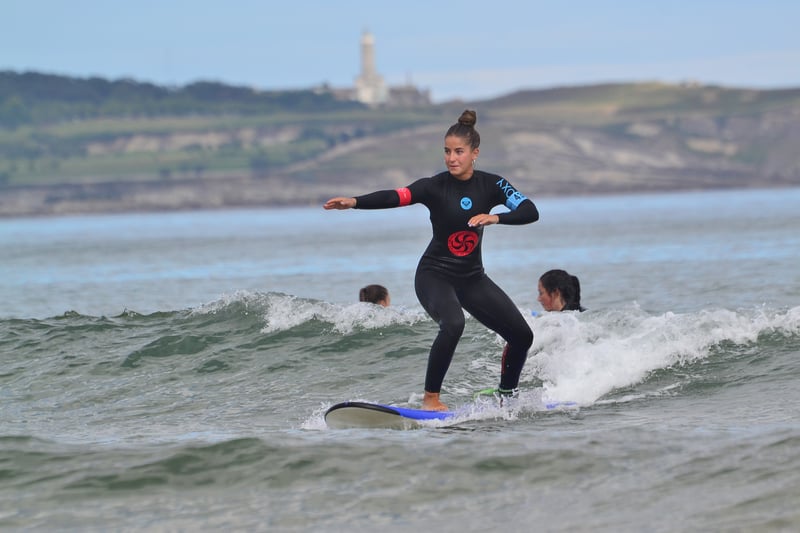
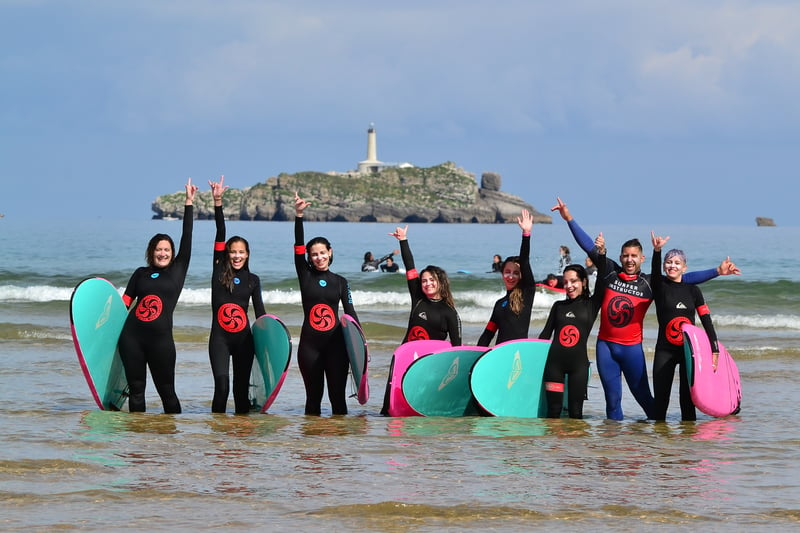
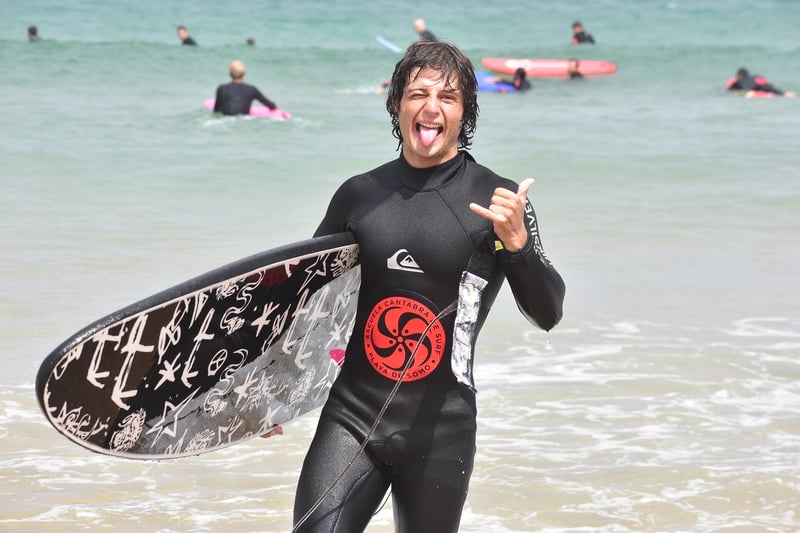
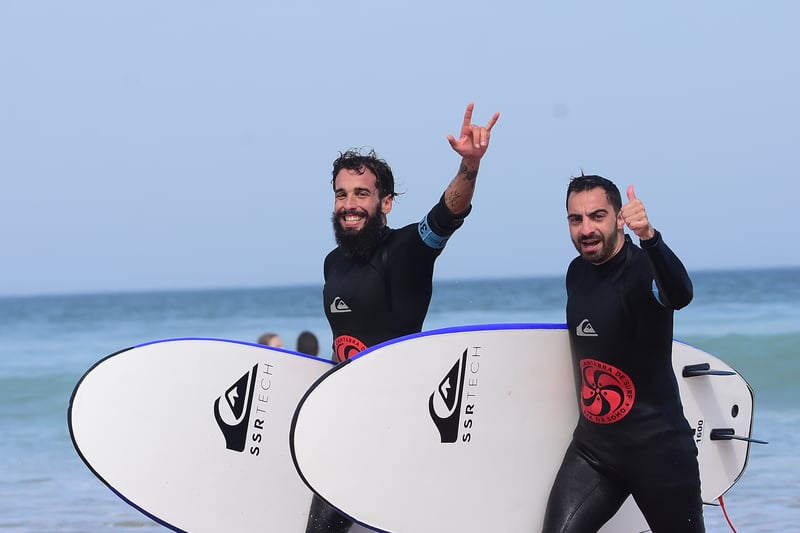
Student societies and clubs base a week or more in Somo with coordinated surf coaching, dorm-style lodging and social time built for large groups.
Society reps coordinate blocks for dozens of riders at once; we split ability lanes, rotate kit sizes and keep everyone surfing daily without chaos at the desk. Longer stays add rest days, Santander excursions and maintenance sessions when arms need a break from Atlantic push. Coordinators handle room lists, dietary notes and bus meet-ups so committee leaders are not chasing keys at midnight after a delayed coach.
Social time is part of the product: evening promenade walks, team challenges and optional nights out sit beside serious surf coaching. The itinerary covers group check-in, typical training days and travel morning checkout, including when boards must be returned. Societies leave with shared stories, clearer surfing and a template for returning next academic year.
University groups take over Somo for a week or more, with the beach school on Calle del Surf acting as HQ for kit issue, briefings and daily march to the peaks ability lanes need.
Large parties still share the public beach with holidaymakers, so coordinators work with lifeguard zones and split groups to avoid overcrowding one bank. Santander nightlife and ferries are part of the draw when societies plan social time around surf.
Minimum age eighteen for standard university packages. Participants should swim confidently, respect shared dorms and follow coordinator instructions during free time.
Society reps should send room lists and dietary notes two weeks before arrival when possible. International students need valid ID for accommodation check-in and their own travel insurance covering sports activities.
University and society groups get dedicated coordinators who handle large kit lists, split ability lanes and still leave room for the social side of the trip that students actually remember.
We have hosted Erasmus weeks and club tours for years, so timetables balance surf, travel days and optional nights out in Santander without leaving committee leaders to solve problems alone at midnight.
Register at the beach school on Calle del Surf, collect room keys or dorm assignments and meet your lead coaches. We issue name bands, run through camp rules, beach flags and the weekly timetable tied to tides.
After a kit sizing session you usually share a welcome meal with the group, then an early night or a gentle stroll on the promenade before the first proper surf block.
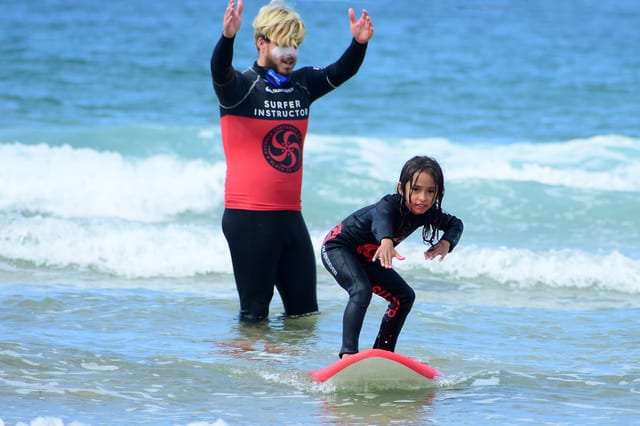
Morning starts with a land warm-up and ability split, then coached time on a bank matched to your level. Newcomers stay in white water while improvers work on take-offs and trimming on mellow green waves.
Lunch and a rest period follow, with optional video or skate if the tide drops out. Leaders track fatigue and sunscreen breaks so nobody overheats on sunny Cantabrian days.
Coaches set one or two focus skills per group, such as generating speed, cutbacks or duck-diving. Sessions still feel fun, with games for juniors or timed runs for training-minded adults.
Flat or windy afternoons may move to the skate area or classroom-style ocean talks instead of forcing poor surf. You keep the same coach team so they remember what you worked on yesterday.
This is often the day we add workshops, team challenges, a Santander ferry trip for university groups or Roxy confidence sessions for teen camps. Surf still happens when banks are working.
Evening activities vary by age: supervised games for juniors, relaxed promenade time for adults or society socials for big student bookings.
With confidence building, groups push toward the goals set on day one. Coaches film selective rides when cameras are out, or run mock heats for riders thinking about contests.
Free time before dinner lets you rinse kit, call home or explore Somo village. Leaders remain on call if weather suddenly shifts.
Many camps use this slot for beach cleans, environmental talks or peer feedback circles alongside a longer surf. University camps might run inter-house challenges; junior camps favour team paddle races.
The tone stays supportive: we highlight progress made since arrival rather than comparing riders unfairly.
The closing session is a celebration surf with photos, cheers and a debrief of what to practise at home. You return boards, clear rooms and confirm transport plans for buses or airports.
Coaches note follow-on courses or hire options if you extend your stay in Cantabria without a guide.
Meet at Calle del Surf, 11, 39140 Somo on the promenade beside Playa de Somo. Use public parking near the beach and walk to the school. Arrive ten minutes early so we can fit wetsuits and assign boards.
Camp packages include lodging in partner surf houses and lodges within a short walk of Calle del Surf, with shared or twin rooms, clean bedding and secure bag storage between sessions. Leaders explain curfews, meal times and where to meet each morning before the first tide check.
Evenings feel like a surf village rhythm: riders rinse kit, shower at the school and head back for dinner, promenade walks or organised games depending on the camp. Room type depends on the option you book, so tell us if you need a private room or accessible layout when you enquire.
university camp fees cover the coached surf blocks, equipment during those sessions and the organised on-site programme described in the itinerary. Leaders manage timetables, kit issue and safety briefings so you can focus on surfing rather than logistics.
Accommodation, meals and any extra activities depend on the specific camp package you choose. Ask if you need a private room, shared dorm or half-board basis spelled out for your travel plans.
Junior programmes pair qualified surf instructors with camp leaders who have experience managing teenagers away from home. Staff stay with groups at the waterline, count heads during free time and enforce sensible bedtimes on activity days.
Parents receive emergency contact numbers for the lead coach before arrival. Share medical conditions, dietary requirements and any pastoral notes in advance so we can brief the team before your child steps off the bus.
Typical camp days rotate morning and afternoon surf blocks around meals, rest and evening activities, with exact clock times driven by tides rather than a rigid classroom schedule. Normal tracks aim for sustainable progress; intensive tracks stack extra water time or video review when cameras and coaches are available.
We deliberately build rest into the timetable because tired arms lead to sloppy take-offs and avoidable injuries. If a storm day removes surf entirely, leaders substitute land training, skate or environmental workshops so the camp still feels worthwhile.
You do not need to travel with your own board unless you prefer it. We supply boards and wetsuits for every coached session and can advise on hire rates if you want unsupervised free surf outside lesson hours.
Pack swimwear, reef-safe sunscreen, warm layers for Cantabrian evenings and shoes that work on hot sand and cobbled streets. A reusable water bottle saves trips to the promenade vending machines between sessions.
Each camp lists suitable experience levels in the taxonomy tags and Prerequisites section. Complete beginners receive full pop-up and safety basics, while improvers spend more time on positioning, speed and manoeuvres on shoulder-high days.
Honesty helps us split groups fairly on day one. If you have only tried white water once, say so rather than joining an advanced lane; coaches can always move you upward when they see you surf.
Food inclusion varies by camp length and package, so read the What's Included list for your option and ask us to clarify if anything is ambiguous. Many weeks provide breakfast plus packed lunch on full surf days, while weekend camps might only cover snacks.
Somo promenade has cafes, bakeries and small supermarkets if you want extra food or coffee between sessions. Let us know about vegetarian, vegan or allergy needs in advance so kitchen staff can plan ahead.
Friends and siblings can request shared rooms or the same coaching group when they sign up. We do our best to honour those requests when beds and ability splits allow, though we may separate mismatched levels in the water for safety.
University societies and large clubs should get in touch weeks ahead so we can block dorm space, wetsuit sizes and coach hours. Rooming lists may be required for groups above a dozen riders.
Flat spells become paddle fitness, skate balance work or video study rather than pointless hours floating on a lake-like sea. Overhead storm days trigger sheltered alternatives, earlier land sessions or adjusted banks rather than sending beginners into dangerous shore dump.
The programme still delivers coaching value when the ocean refuses to cooperate, and leaders communicate changes at breakfast so you can repack bags or dress for land training.
We strongly recommend comprehensive travel insurance that covers sports activities and medical treatment in Spain. Accidents in the surf are rare with proper supervision but chop and fins still carry inherent risk.
Transport from airports, train stations or your home country to Somo is never included in the camp fee. Plan shared taxis or group coaches for university trips and keep passports or ID accessible for accommodation check-in.
Arrive at the beach school on Calle del Surf during the window leaders specify. You sign forms, collect wristbands or room keys and store luggage before the welcome briefing.
Minors should carry signed parental consent where required, plus copies of insurance cards and allergy lists. If your train or flight is delayed, call the emergency number so beds and dinners are not released to walk-ins.
We partner with Rewilding Britain to help protect our natural spaces for future adventures.
All centres are vetted for safety and quality. Your adventure is in good hands with adventuro.
Informazioni sul centro
Somo
Gestito da Escuela Cantabra de Surf, partner di adventuro.