We partner with Rewilding Britain to help protect our natural spaces for future adventures.
All centres are vetted for safety and quality. Your adventure is in good hands with adventuro.
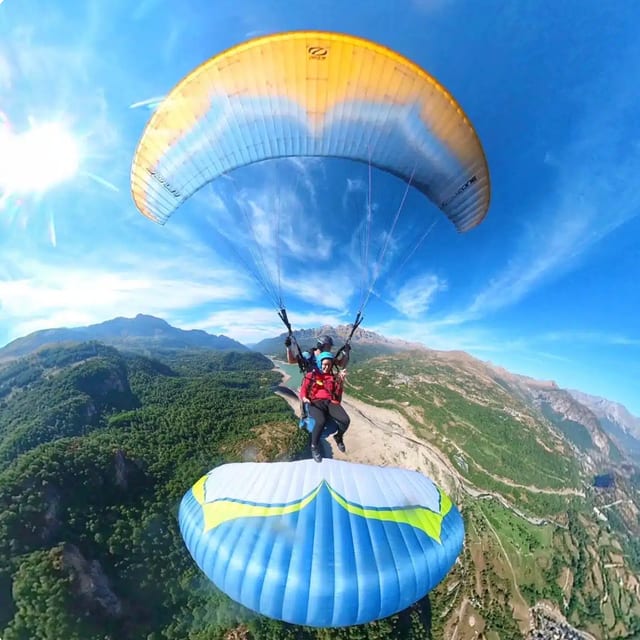
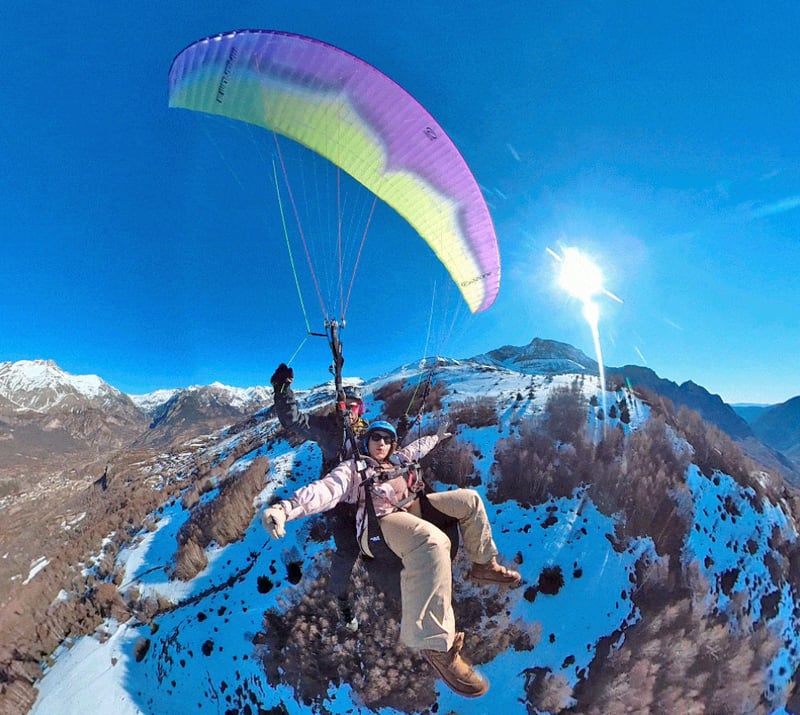
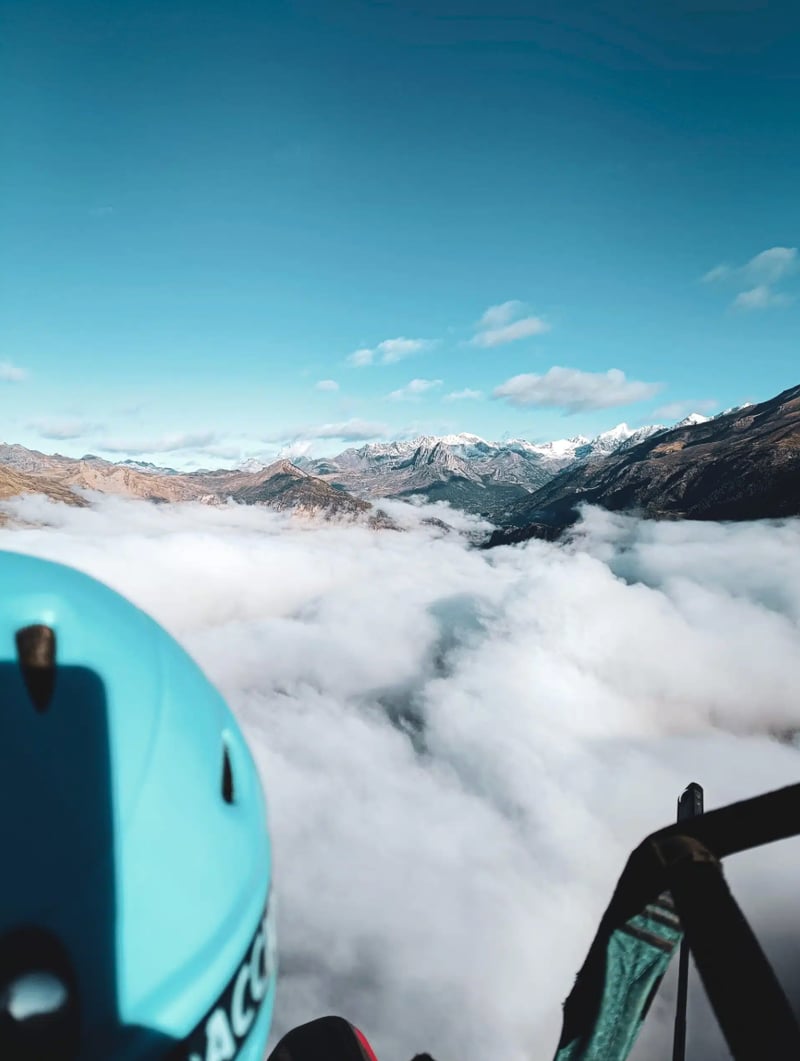
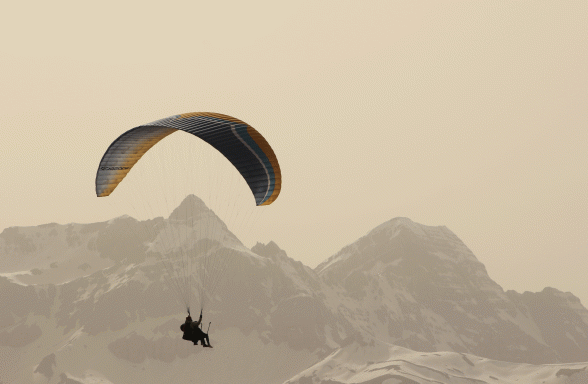
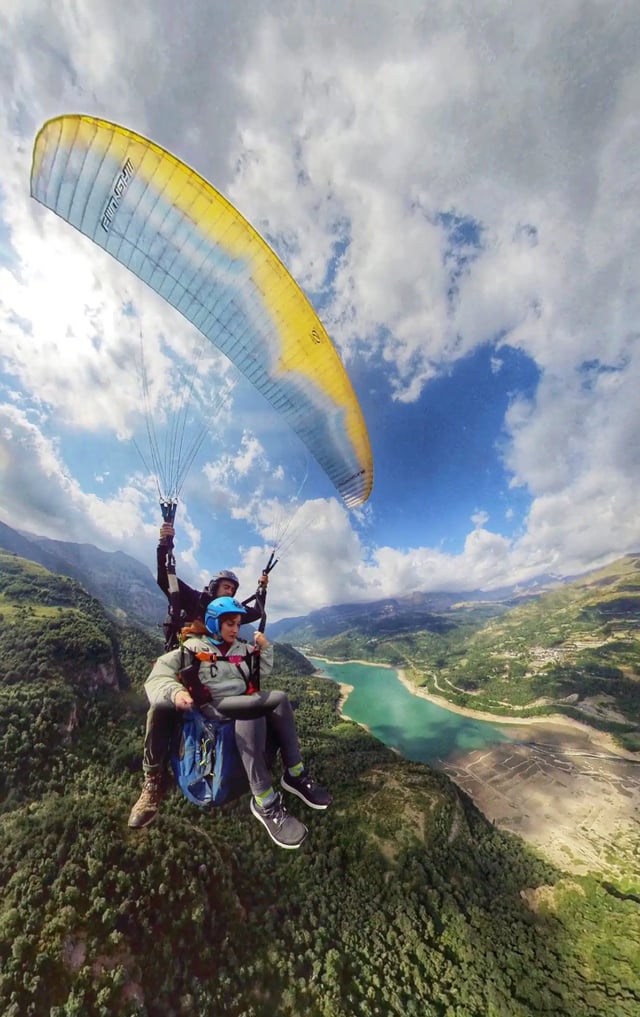
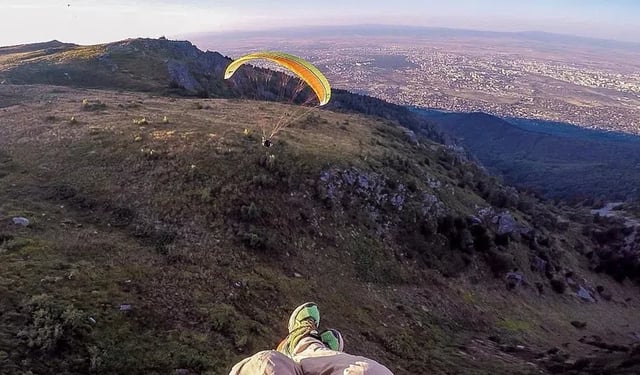
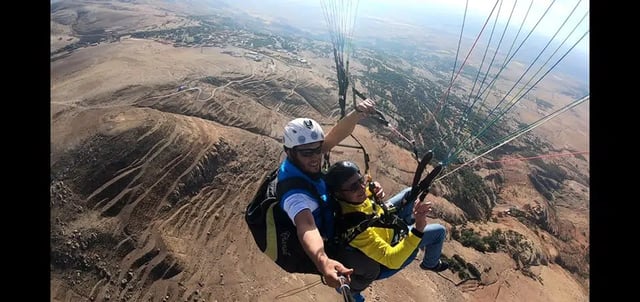
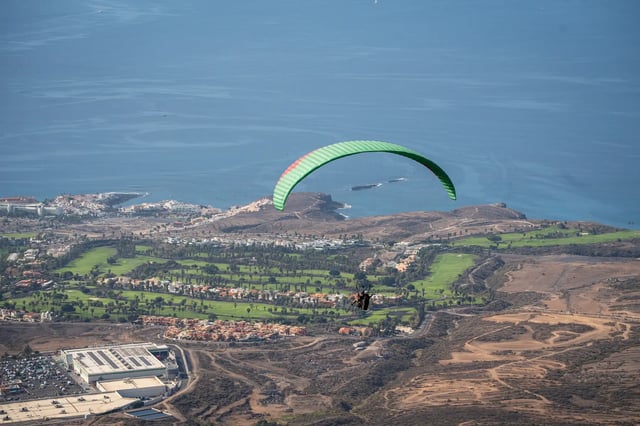
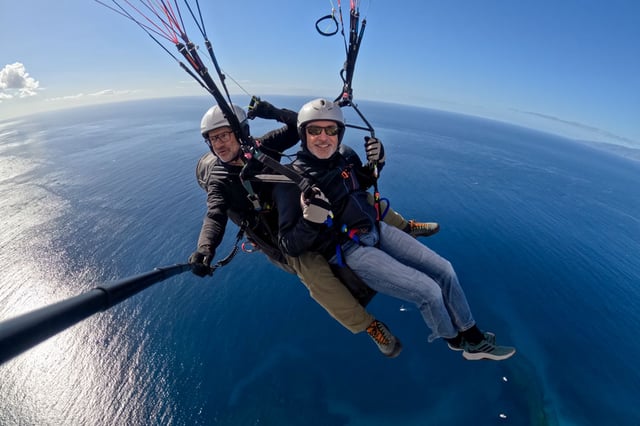
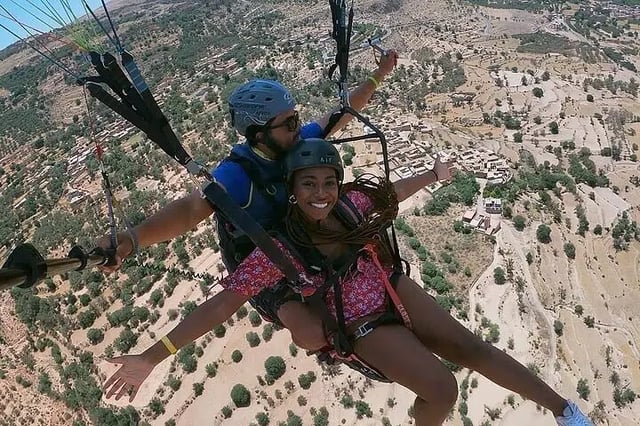
This thermal paragliding flight offers a significantly longer and more dynamic experience than a standard tandem flight. Using rising columns of warm air, you and your pilot climb from around 2,000 metres to altitudes approaching 3,500 metres, soaring in the same way as large birds in the Pyrenees. It is suitable for both first-time flyers and those wanting a deeper understanding of how thermals work.
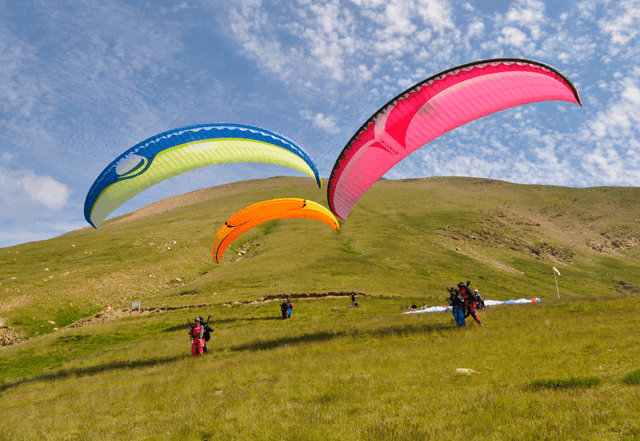
This extended flight begins with transport from Panticosa to the chosen take-off area. Once at launch, the pilot performs equipment checks and explains the simple steps required for take-off. After a short run, the wing lifts you into the air and the flight begins gently before transitioning into thermal soaring. The pilot positions the wing within rising warm air, allowing you to climb gradually and steadily to higher altitudes.
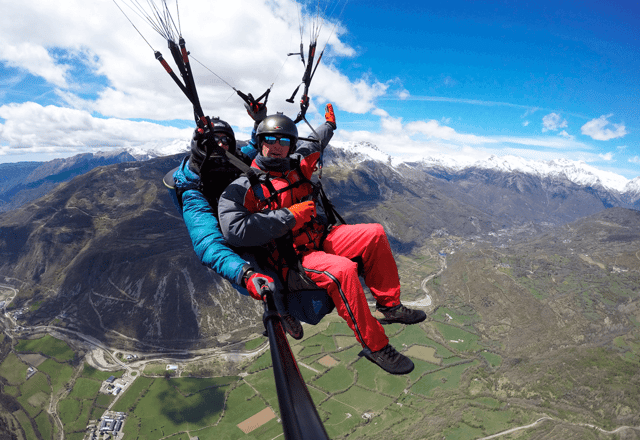
As you ascend from approximately 2,000m to between 3,000m and 3,500m, the view expands dramatically. You will see deep valleys, high ridgelines and large glacial basins from a height that is only possible using natural lift. These flights often cover several kilometres as you follow thermal lines across the Tena Valley. Depending on conditions, the pilot can maintain altitude, climb further or glide across long distances before finding new lift. The length of the flight varies between 40 minutes and 1.5 hours, depending on weather patterns and your preferences.
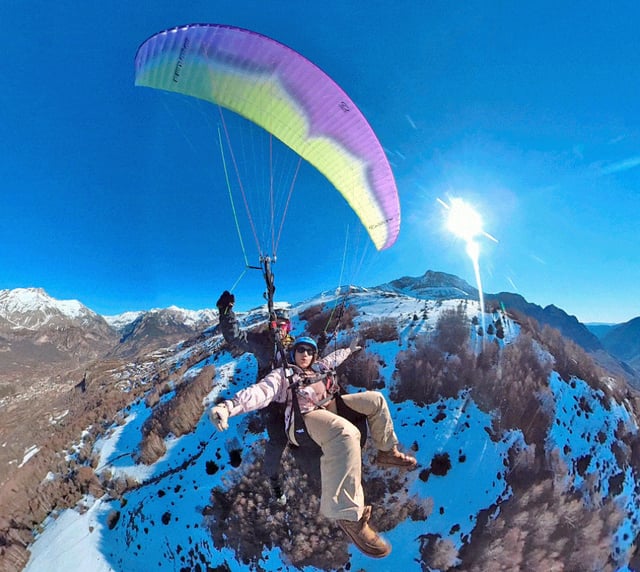
Once the thermal phase has finished, the pilot transitions into a smooth glide back toward the landing area. The flight remains controlled and comfortable throughout, and you will land gently with the pilot managing all final movements. The 360° video recording is included, giving you a complete record of the experience, including the climb through thermal columns.
Flights take place in the Tena Valley, one of the Pyrenees’ strongest regions for predictable spring-to-autumn thermals. The combination of deep valleys, sun-exposed slopes and nearby ridgelines creates reliable conditions for climbing to significant altitude. The launch sites around Panticosa provide immediate access to rising air, while Formigal, Biescas and areas near Jaca may be used depending on wind direction and thermal strength.
The valley’s geography makes it a natural location for long-duration paragliding. Clear visibility, contrasting terrain and multiple landing options mean the pilot can choose the safest and most efficient route on the day. With favourable conditions, flights may cross several landmarks, giving you an extended aerial view of lakes, cirques and alpine summits.
No experience is needed for this flight style. The pilot handles all take-off, in-flight control and landing. Because this activity takes place at higher altitudes and over longer durations, participants should feel comfortable sitting in a harness for an extended period.
Warm clothing is essential, as temperatures at 3,000m to 3,500m can be significantly lower than in the valley. Sunglasses and a windproof layer are recommended. Weight and age requirements may apply for safety reasons and will be confirmed during booking. As with all paragliding flights, weather conditions determine whether the activity can run.
Our team consists of highly experienced tandem pilots with years of practice in thermal flying. Their understanding of local wind patterns and thermal formation allows them to find reliable lift and manage altitude safely and efficiently. Flights are personalised so you can choose whether to focus on relaxed long-distance gliding or seek a more dynamic experience within strong thermals.
The equipment used is modern, certified and maintained to high standards, ensuring comfort and stability during long climbs. Launch sites across Panticosa, Formigal, Biescas and areas near Jaca give flexibility to select the best possible conditions each day. With streamlined booking and year-round support, arranging your thermal flight is straightforward and stress-free.
Thermal paragliding uses columns of rising warm air to gain altitude, allowing longer flights and more time in the air. Instead of descending gradually from the launch point, the pilot guides the wing into thermals to climb from around 2,000m to as high as 3,500m.
This creates a significantly longer experience, additional viewpoints and the possibility of covering several kilometres during a single flight.
No previous experience is required. The pilot manages all technical tasks, including finding thermals, controlling altitude and performing the landing. You simply follow basic take-off instructions and remain seated in the harness during the flight.
Beginners often find thermal flying calmer than expected because the climb is smooth and controlled.
The flight lasts a guaranteed minimum of 40 minutes and may extend up to 1.5 hours depending on conditions. Thermal strength, wind direction and your personal preference influence the final duration.
Some flights will focus on gaining altitude, while others may prioritise distance and scenic movement across the valley.
Temperatures above 3,000 metres can be significantly lower than in the valley, so warm clothing is essential. A windproof jacket, additional layers and gloves are recommended.
The pilot will advise on suitable clothing before the flight based on expected conditions.
Most flights climb from roughly 2,000m to between 3,000m and 3,500m depending on thermal conditions. The pilot manages altitude carefully, ensuring the flight remains stable even when riding strong lift.
The views at this height extend across the Pyrenees and offer a clear sense of the region’s glacial structure.
Yes. Thermal flights are run only by qualified pilots who specialise in managing altitude and handling variations in lift. Conditions are evaluated carefully, and flights only take place when thermal behaviour is predictable.
If conditions change, the pilot may shorten or adjust the flight route.
Wear warm, layered clothing and a windproof outer layer. Temperatures during the climb can drop quickly. Sunglasses help with glare, especially when flying close to sunlit slopes.
Footwear should be secure and supportive, such as trainers or walking shoes.
Take-off points around Panticosa are used most often, but Formigal, Biescas or areas near Jaca may be selected depending on the weather. The pilot chooses the safest take-off and landing zones for the day.
Landing areas are chosen for stability and predictable airflow.
Yes. If you want a calm flight focused on views and altitude, the pilot will maintain smooth climbs and glides. If you want a more dynamic sensation, controlled manoeuvres may be included when conditions allow.
Your comfort and safety guide all decisions.
Yes. The video captures your climb, the surrounding landscape and key moments of the flight. It provides a complete record of the experience.
You can download or share it after the activity.
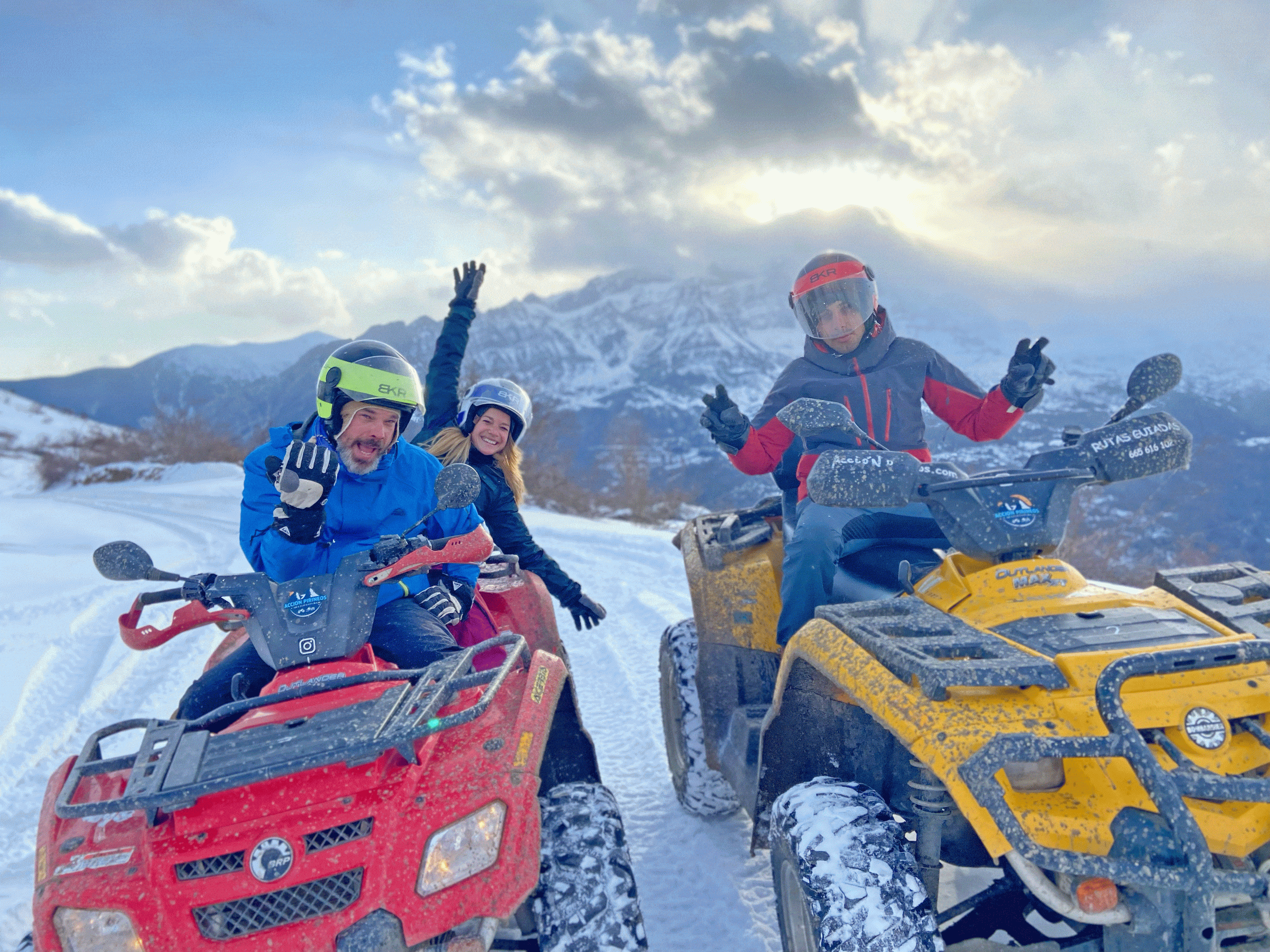
About the centre
Tena Valley
Operated by Acción Pirineos, a partner of adventuro.
Central & Atlas Mountains, Morocco
From $135