We partner with Rewilding Britain to help protect our natural spaces for future adventures.
All centres are vetted for safety and quality. Your adventure is in good hands with adventuro.
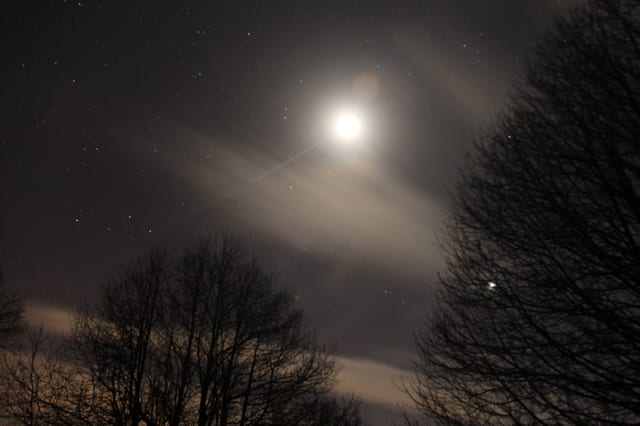
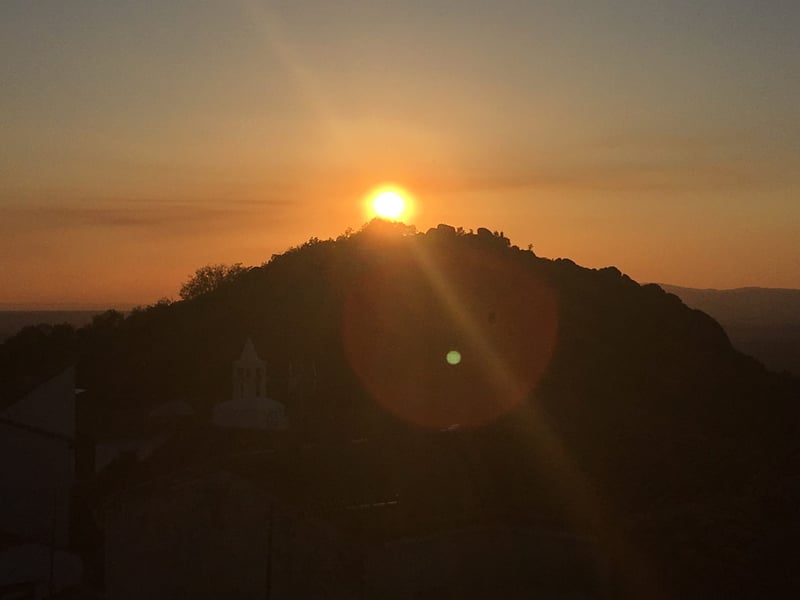
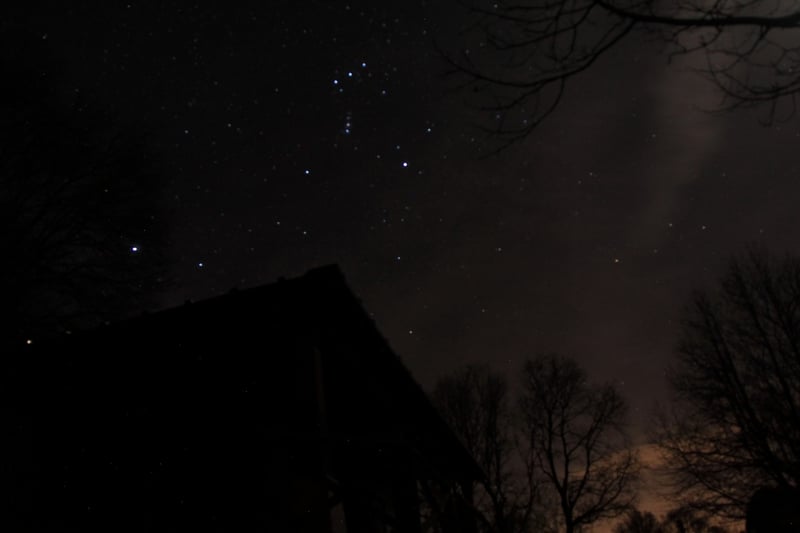
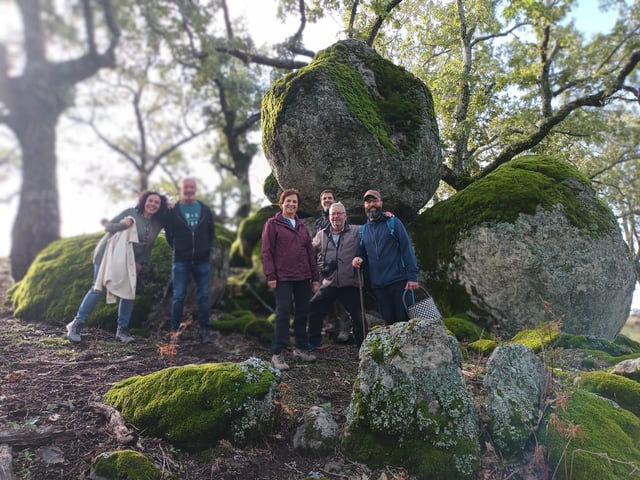
Once the last light leaves the sierra you walk a short loop through the oaks to a granite outcrop at about 900 metres. Gredos holds one of the darkest skies in Europe, so stars, constellations, and old stories come through clearly. Arrive a little early if you can: the western face often holds a long, quiet sunset first.
The stellar viewpoint sits close to the meeting point. You take a comfortable woodland circuit first while the light drops, then settle on the granite as the sky opens. In summer you may hear crickets; in winter a distant owl.
Your guide names the stars and their constellations, tells the older stories that sit behind them, and adds a clear scientific reading of what you are looking at. The group stays together on one outcrop, so questions are easy to ask and the commentary does not get lost.
The meeting point is on the Cabezabellosa to El Torno road at kilometre 1, at the edge of the oak woods. The granite outcrop used for the session sits nearby at about 900 metres, with mountain and forest all around.
Sierra de Cabezabellosa faces the western light, so the evening often begins with that long sunset. Plasencia, Hervás, and the Jerte valley are close enough for an evening drive.
No astronomy knowledge is needed. The walk to the outcrop is short and gentle, and children are welcome. Dogs may come if they will settle once the group stops to look up.
Wear long trousers and closed shoes; light boots or trainers with grip are the most comfortable on the woodland loop. Bring a warm layer even in summer, because the granite cools quickly after dusk. The session needs a reasonably clear sky.
An official natural-heritage interpreter treats the night sky as both science and story. The group stays on one outcrop, so you can ask as constellations appear rather than watching from the back of a crowd.
English and Spanish are both offered. More than fifteen years of evenings on this granite means your guide already knows how the sky changes with the season, and when a cloud bank will spoil the view.
Meet at Ctra. Cabezabellosa - El Torno, Km 1, 10729 Cabezabellosa. The granite viewpoint is a short walk from there. Coming a little early lets you catch the sunset. Optional return pickup from lodging within 35 kilometres is available.
You do not. The session is for first-time stargazers as much as for people who already know a few constellations. Your guide starts with what is visible that night and builds from there.
Questions are welcome throughout. The group stays on one outcrop, so you will not miss the commentary if you pause to look through your own binoculars.
We begin after sunset, so the exact hour shifts with the season. The meeting time is confirmed for that evening once the date is set, rather than a single clock time all year.
Coming a little early is worthwhile. The sierra faces west and often gives a long sunset before the first stars appear over the oaks.
Gredos holds one of the darkest night skies in Europe. From this granite outcrop at about 900 metres you are surrounded by forest and mountain rather than town light.
The session still needs a reasonably clear night. If cloud or haze hides the sky we will be in touch to rearrange before you set out.
Bring a warm jacket even in summer, because the granite cools quickly once the sun has gone. Long trousers and closed shoes are required for the short woodland loop.
Light boots or trainers with grip are more comfortable than sandals. A small torch helps on the walk back, though the group stays together the whole way.
Yes. Children are welcome, and dogs may come if they will settle once the group stops to look up. The walk to the outcrop is short and gentle, so younger guests are not asked to climb.
Please say the ages of any children. A restless dog is harder to manage in the dark, so a lead is the polite choice once you leave the cars.
This outing needs a reasonably clear sky. Low cloud or haze hides the constellations that are the point of the evening, so we will not stand on the granite just to look at weather.
If the forecast is poor we will suggest another night or a daytime walk instead. We will contact you before you set out so you are not waiting in the dark for a hidden sky.
The stellar viewpoint sits very close to the meeting point. We take a short woodland circuit first, then stay on the granite for the sky session once the light has dropped.
The ground is not a mountain ascent. Closed shoes with grip are enough; you do not need a full hillwalking kit for this evening.
Ctra. Cabezabellosa - El Torno, Km 1, 10729 Cabezabellosa, on the edge of the oak woods. Park and be ready at the agreed time so the group can walk to the outcrop together.
Coming a few minutes early helps if you want the sunset. Optional return pickup from lodging within 35 kilometres is available if you want collecting.
English and Spanish. Say which you prefer so the commentary can stay in one language for the group once the first stars appear.
Stories and science sit side by side on the outcrop. You can ask for more of one or the other as the sky opens and the constellations become clear.
The usual maximum is twenty-five, which still keeps the group on one outcrop rather than spreading along the ridge. Smaller private evenings are welcome.
Please include how many people are coming so there is room to sit and look up together without crowding the granite.
About the centre
Cabezabellosa
Operated by Natur Gredos, a partner of adventuro.