We partner with Rewilding Britain to help protect our natural spaces for future adventures.
All centres are vetted for safety and quality. Your adventure is in good hands with adventuro.
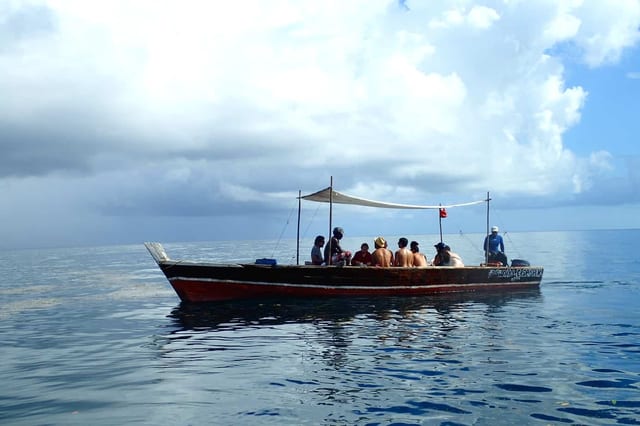
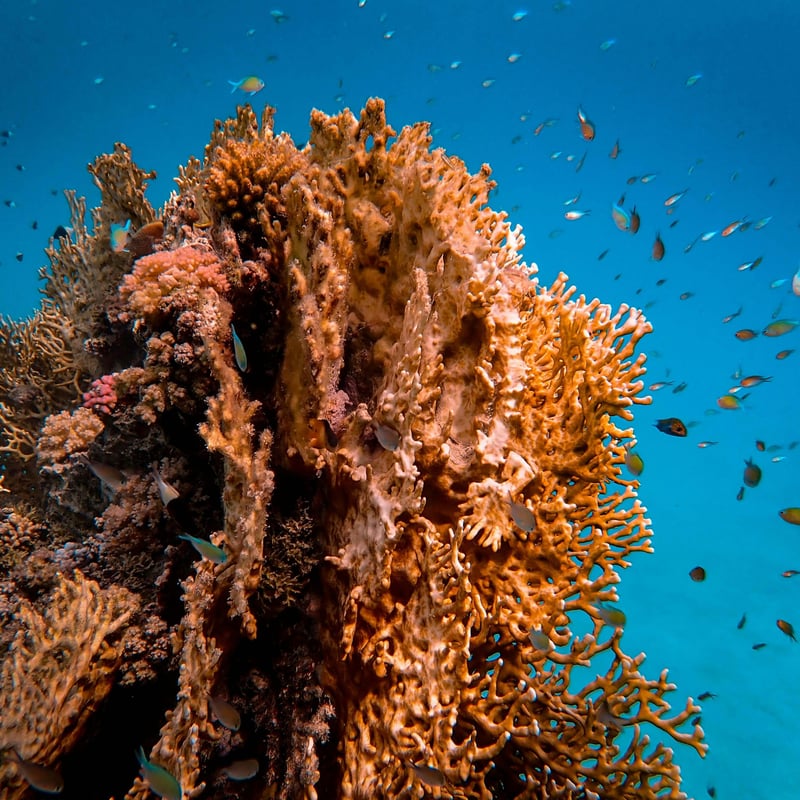
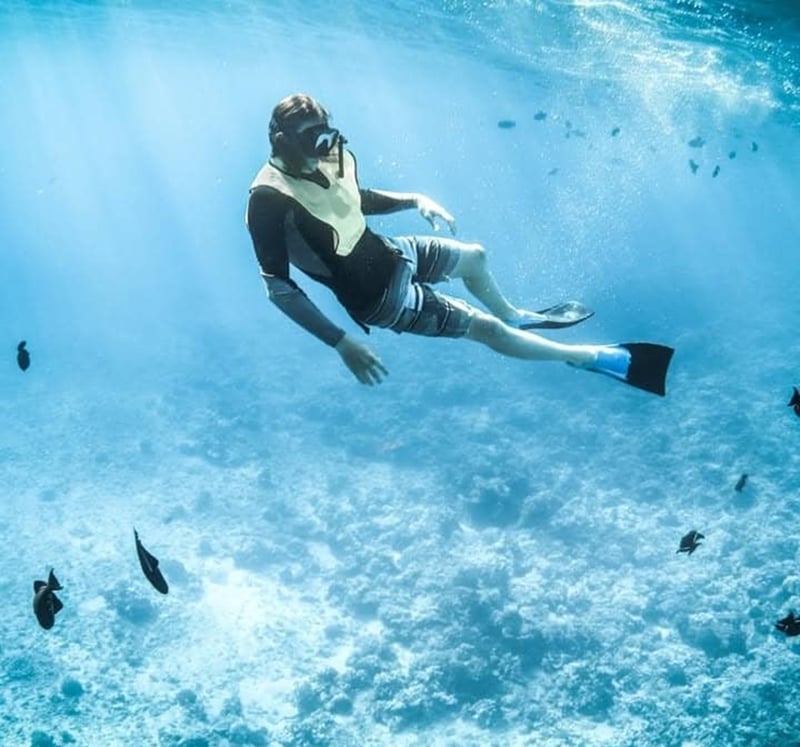
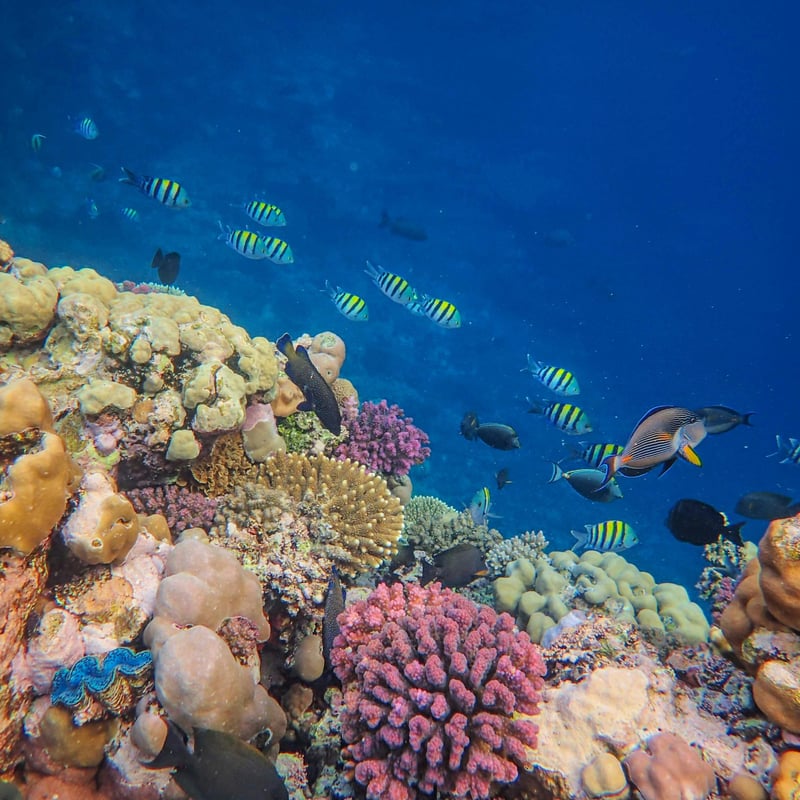
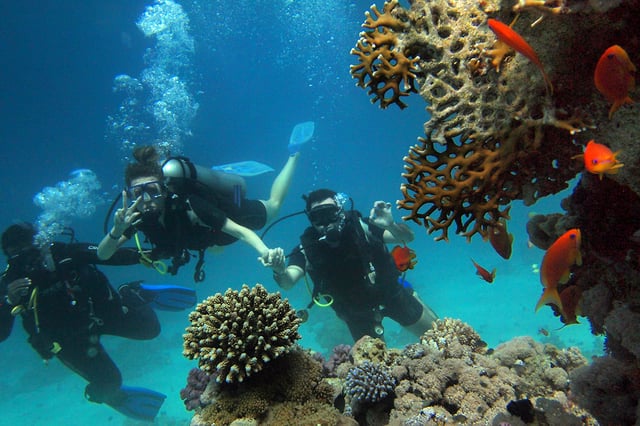
We run morning boats to Tumbatu’s offshore reefs for two guided snorkel sessions and deck time with fruit between stops. It is a crisp half day with wall coral, anthias clouds and village views from the water when skies are clear.
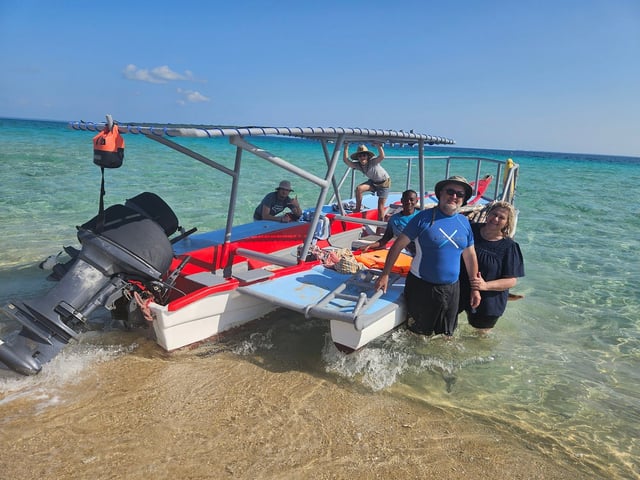
We brief on currents around Tumbatu before leaving the beach or jetty, then motor to the first anchor while crew watch drift. Guides lead slow tours along coral walls with the boat shadowing for safety pickups.
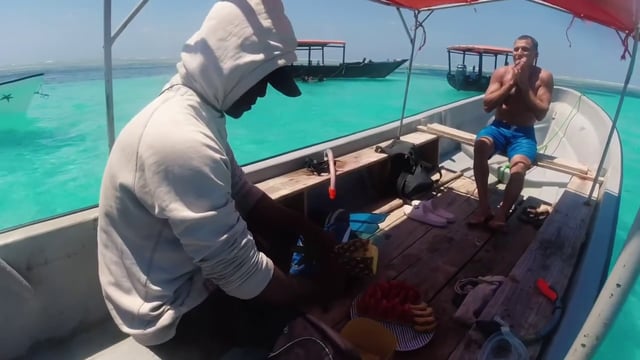
Surface interval on deck includes snacks on many departures, then a shallower garden site for beginners on dive two. We cruise the north coast homeward with Kendwa cliffs in view when weather cooperates.
Tumbatu is an inhabited island with strong community customs, so we focus on offshore reef rather than landings unless special permissions exist for your date. Reef faces range from fish thick walls to grassy slopes recovering with park care.
North coast lodges in Nungwi and Kendwa keep boat runs short, which suits half day plans between breakfast and lunch. Tidal exchange can sharpen current, so we aim for slack entries when schedules allow.
Comfortable swimming matters because some sites lack standing depth near coral. We explain current lines plainly before anyone enters.
Follow guide cues about photos toward shore villages and skip drones unless you hold local permits. We brief reef etiquette at the jetty so you know when to hold position near the boat.
Tumbatu reef mornings suit guests who want two solid swims and a short boat run from Nungwi or Kendwa. We began as travellers and working guides who wanted to share East Africa’s islands properly, and that still shapes how we plan days from our Stone Town base. Skippers and reef guides on our roster grew up on these coasts, so tides, pickup alleys and marine park rules are handled before you step on the boat.
We pick reef faces daily for wind and tide, carry deck snacks between stops, and explain current lines before anyone rolls off the boat. We keep groups small, run honest briefings about wind and swell, and use licensed crews with the permits parks require. If weather shifts we adjust the plan with you instead of forcing the original route. You can ask practical questions about kids, kit and timing ahead of the trip, and you will get a straight answer from people who run these departures every week.
Collection from Nungwi, Kendwa or nearby. Guides stay with the group at each stage, adjust timing for weather, and answer questions about kit, currents and local rules before you move on.
Boat crossing to the island. Guides stay with the group at each stage, adjust timing for weather, and answer questions about kit, currents and local rules before you move on.
Guided swim on Tumbatu reefs. Guides stay with the group at each stage, adjust timing for weather, and answer questions about kit, currents and local rules before you move on.
Back to your beach hotel. Guides stay with the group at each stage, adjust timing for weather, and answer questions about kit, currents and local rules before you move on.
Most guests on Zanzibar trips are first timers or occasional snorkellers. Crew fit masks and fins at the briefing and show you how to float comfortably before anyone leaves the boat.
Guides keep the rhythm relaxed, answer questions as you go, and adjust the pace when younger guests or first timers need extra time in the water or on deck.
Mask, snorkel and fins are included for guided reef time unless your voucher states otherwise. Rinse water on the boat helps after each entry, and you may bring your own mask if you prefer a familiar fit.
Life jackets are available when you want extra buoyancy. Tell the crew if you wear glasses so they can suggest a mask with a good seal.
When your fare includes transfer, drivers collect you from lodges on Zanzibar using the hotel name you share at checkout. Pickup windows are usually confirmed the evening before departure.
Keep your phone charged for operations messages. If you prefer to meet at a jetty, tell us early so the team can direct you to the right pier.
Children are welcome when a responsible adult supervises them on the boat and in the water. Shallow reef stops suit younger swimmers on calm days.
Crew can suggest rest on deck during longer drifts. Float aids are available on request when local rules allow.
Swimwear, a towel, reef safe sunscreen, a hat and a dry bag for electronics cover most needs. A light cover up helps on open boat rides between sites.
Motion sickness tablets help if you are sensitive on small craft. Bring any personal medication and mention dietary needs for included meals.
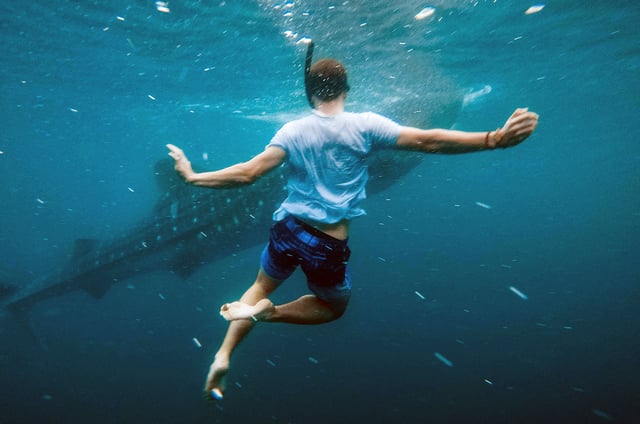
Reef fish, coral and occasional turtles appear on many routes, while dolphins are more common on specific channels and never on a fixed timetable. Wild animals move with tides and food, so sightings vary by day.
Quiet entry and calm fin strokes improve your chances without stressing wildlife. Guides follow local approach rules at all times.
Skippers monitor wind and swell before leaving the dock. Routes may shorten swim time or shift to a sheltered reef while still offering a full day ashore when safety requires it.
Crew would rather adjust the plan than push guests into uncomfortable chop. Ask at the briefing if you want the calmest option for your group.
Inclusions follow the fare you select at checkout, which may range from fruit on board to a beach picnic or restaurant stop. Mention allergies early so kitchens can plan alternatives where possible.
Soft drinks often accompany lunch options on longer days. Alcoholic drinks are usually extra unless your ticket states otherwise.
Total trip time on this page includes briefing, boat transfers and lunch or beach breaks. Active snorkel time flexes with weather, group pace and how long you spend eating ashore.
Guides usually offer a second short swim after lunch when energy and conditions allow. You can skip a repeat entry and relax on sand or deck instead.
Organised tours handle park logistics as part of the day unless your fare note says otherwise. Follow guide instructions on reef contact and fish feeding to protect the habitat.
Park rules help keep coral healthy for future visitors. Ask the crew if you need a receipt for park fees for your own records.

About the centre
Nungwi
You'll explore the Indian Ocean coast and islands of Tanzania with guides who know the reefs, sandbanks, and village rhythms of Zanzibar, Pemba, and Mafia. Trips are built around clear briefings, reliable transport from your hotel where offered, and time on the water whether you are snorkelling, diving, kayaking, or riding along the beach.
We focus on small groups and flexible pickup across the archipelago, so you spend less time coordinating and more time swimming, watching dolphins, or sharing a barbecue on a sandbank. Every departure is run with safety and local regulations in mind, and you can ask us about age limits, equipment, and what to bring before you book.
Operated by Exodus Go Tours & Travel, a partner of adventuro.