We partner with Rewilding Britain to help protect our natural spaces for future adventures.
All centres are vetted for safety and quality. Your adventure is in good hands with adventuro.
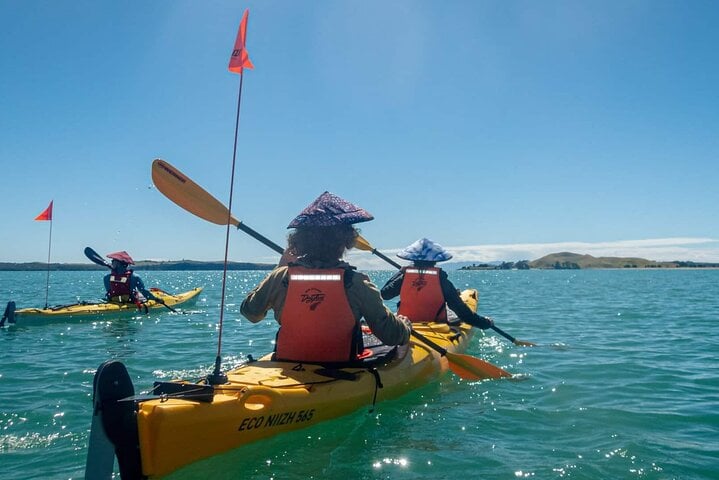
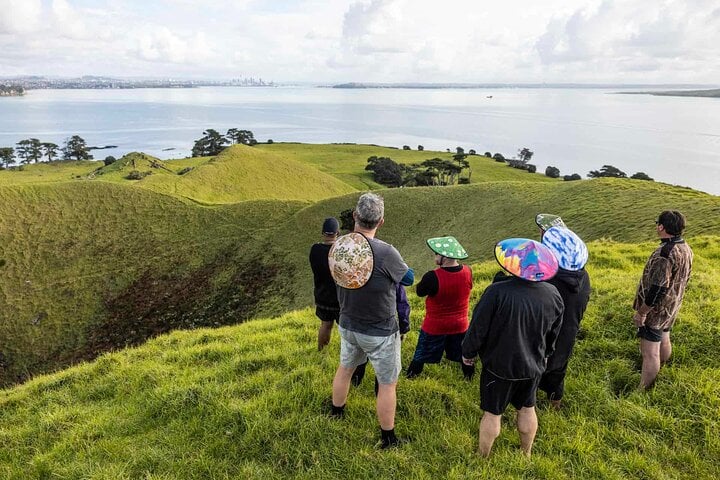
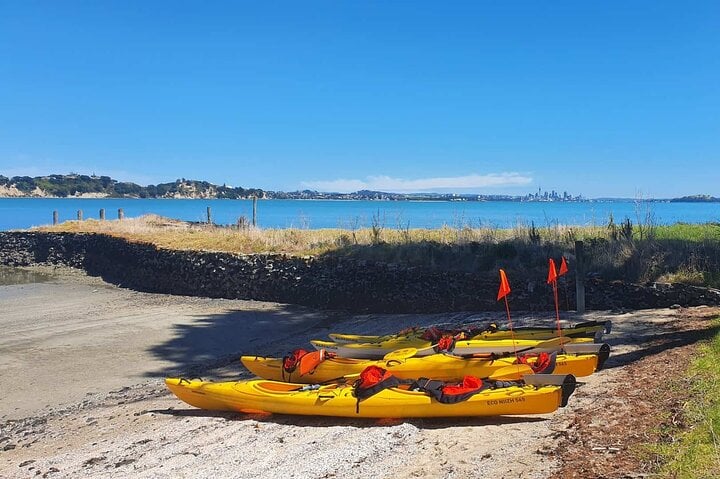
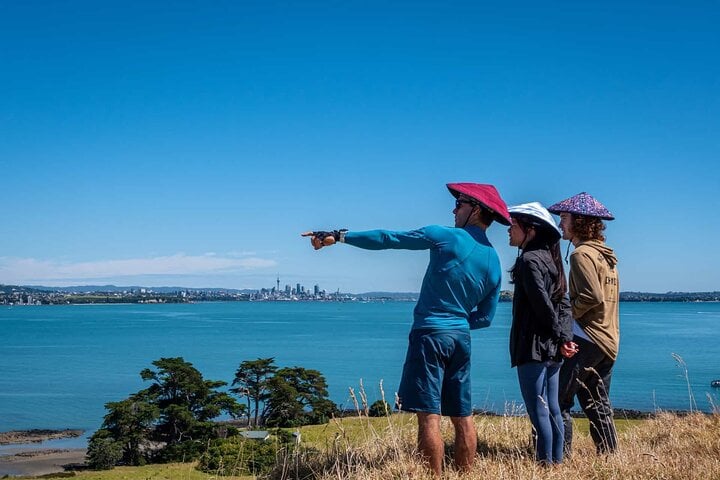
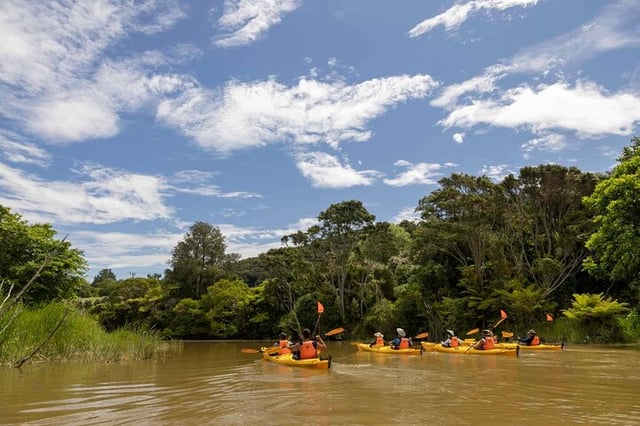
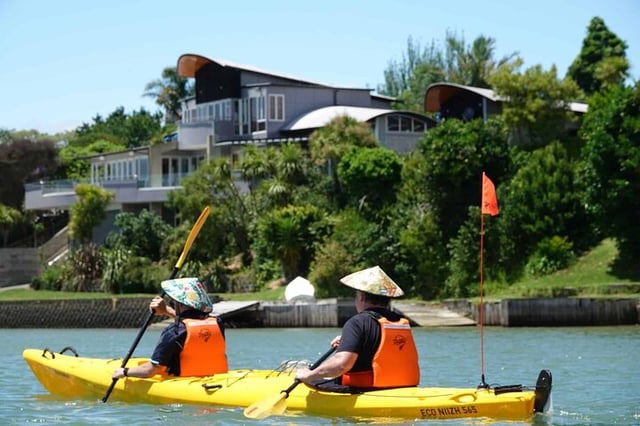
St Heliers boat ramp is the launch for a sea kayak crossing to volcanic Browns Island (Motukorea), a crater rim walk, and the return paddle with an experienced guide. The half-day suits beginners who want a proper harbour crossing and time ashore on an uninhabited island reserve.
St Heliers boat ramp is the start point for introductions, a harbour safety talk, and lifejacket and paddle fitting before regroup points and signals are explained for the crossing. The fleet leaves the ramp together and paddles at a steady pace toward Motukorea with rest stops for water and views of Rangitoto, the city skyline, and eastern bays while guides watch ferry lanes and coach forward stroke technique.
Ashore, kayaks are secured above the tide line before marked volcanic paths lead to the crater rim for photos and stories about Māori settlement, early aviation trials, and the island reserve. The return paddle mirrors the outbound grouping and pacing, with continued coaching on posture and stroke, then gear rinse, pack-down, and a short debrief at the ramp before departure.
St Heliers is one of Auckland's eastern bays, with a public boat ramp that puts you straight into inner Waitematā Harbour paddling distance from Motukorea. Suburban beaches and cafés line the shore, while open water views stretch toward Rangitoto Island and the wider Hauraki Gulf.
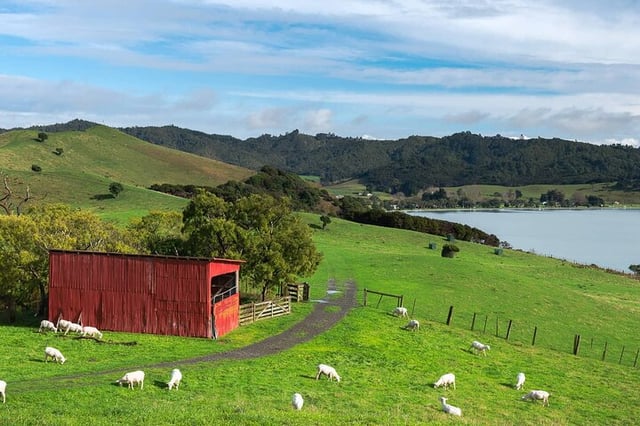
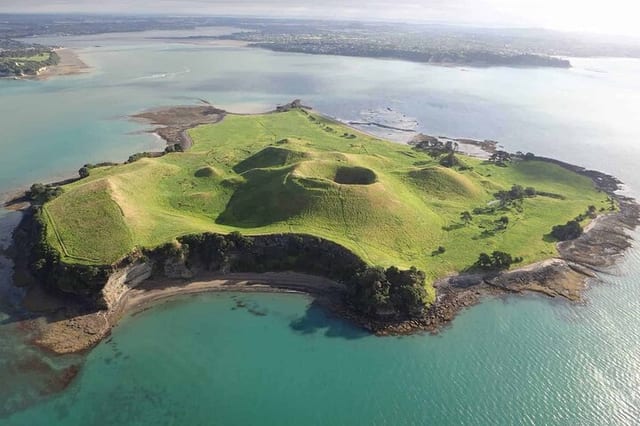
Browns Island is a scoria cone and uninhabited reserve with remnant native vegetation, seabirds, and a short summit track around the crater rim. From the top you look back across ferry lanes and sailing traffic toward the city and North Shore, which helps you understand why guides emphasise spacing and regroups on the crossing.
You should be comfortable sitting in a kayak for up to an hour at a time and able to walk uphill on uneven volcanic ground during the island stop. Minimum age is ten, and swimming ability is recommended because the route crosses open harbour water with wind and shared boat channels.
Bring sun protection, at least one litre of water, and clothing that tolerates salt spray. Keep your lifejacket fastened on the water and stay with the group when crossing lanes used by ferries and recreational craft.
Motukorea crossings are led by Qualmark-recognised sea kayak guides who read ferry lanes, wind, and tide on the inner Waitematā daily. Lifejackets and paddles are sized at the ramp, with whistle and hand signals taught before the fleet leaves St Heliers.
Sea kayaks and harbour safety kit are included, and group size stays manageable for stroke coaching on the crossing and confident landings on the island beach. Commentary on volcanic geology, reserve rules, and seabirds continues through the summit loop without hurrying the homeward paddle.
St Heliers boat ramp is where the guide introduces the day, checks names, and outlines the crossing plan toward Motukorea. You will hear how the group stays together on open harbour water and where rest stops are likely on the outbound leg.
The safety brief covers lifejacket fit, paddle grip, communication signals, and what to do if you need a breather beside the guide. Guides also scan wind and boat traffic so the launch happens at an appropriate moment for newer paddlers.
Once everyone is comfortable, kayaks and paddles are assigned by size and you help carry gear to the waterline. Ask now about about camera storage, spectacles straps, or any medical notes we should know before you leave shore.
The fleet leaves shore together and paddles at a steady pace toward Browns Island with pauses to drink water and enjoy views of the coastline and nearby volcanic cones. Coaches work on forward stroke technique and helps you find a sustainable rhythm for the crossing.
Guides watch ferry lanes and recreational boat traffic, calling regroup points so no one drifts too far from the party. Newer kayakers often discover that short breaks and relaxed grip make the harbour feel far less intimidating than it looks from the road.
Photo opportunities appear throughout the paddle when conditions allow, and your guide may share stories about harbour landmarks as you approach the island landing. The focus stays on safe spacing and calm communication until everyone reaches the beach.
Land, secure kayaks above the tide line, and walk marked paths toward the crater rim. Footing can be uneven on volcanic rock and grass, so pace follows the slowest walker while stories are shared about the island reserve and its geology.
You will hear how Motukorea fits into the wider Auckland volcanic field and why the island is protected today. Native birds often appear in the scrub beside the track, and guides remind everyone to stay on established paths to protect fragile soils.
Short stops for water and layer adjustments are built into the climb so the group arrives at the rim together. Ask questions about Maori use of the island or early European experiments that once took place on the summit.
Take photos from the crater rim and enjoy wide views across the Hauraki Gulf toward Rangitoto and the city skyline. Landmarks are pointed out and explains how weather shapes what you can see on any given day.
This is a good moment to hydrate, adjust sun protection, and listen to more detail about aviation trials and farming history connected to the island. The group stays compact so other visitors can pass on narrow sections of track.
When everyone is ready, you walk back toward the kayaks at an easy pace, checking footwear for loose stones before the return paddle. Guides confirm timings so the homeward crossing stays relaxed rather than rushed.
Paddle back toward St Heliers with the same careful grouping and scheduled rest stops. Guides monitor wind direction and may adjust the line taken across the harbour so the group avoids uncomfortable chop.
Coaching continues on the homeward leg, with tips on steering, posture, and efficient strokes you can practise on future paddles. The social pace lets you chat with other guests while still keeping boats parallel and safe.
As the ramp comes into view, your guide gathers the party for a final on-water regroup before landing. Listen for instructions about landing order so kayaks do not bump in shallow water.
Help rinse kayaks, return paddles and lifejackets, and stow equipment with the team at the boat ramp. A short debrief covers technique takeaways and suggestions if you want to kayak again around Auckland.
Final questions are welcome about other harbour routes or training courses, and confirms you have personal items from dry bags before you leave. Feedback about the crossing or summit walk is always welcome while the experience is fresh.
Once gear is accounted for, you are free to head to nearby cafes or beaches in St Heliers. Allow a few extra minutes if you are meeting a shuttle or rideshare after a salty but satisfying half day on the water.
Wear shorts or quick-dry trousers, a thermal or fleece layer, and a windproof jacket that can handle spray. Closed footwear for the boat ramp, sun protection, and a filled water bottle are essential for a four-hour harbour day.
Bring a small dry bag for phone and keys, personal medication, and a towel for after the session. Secure glasses with a strap on the water.
Most guests join with little or no time in a sea kayak. A thorough safety brief runs at the ramp at the boat ramp, helps you fit your lifejacket, and coaches basic forward paddling before the group leaves the launch.
If you are unsure about balance or fitness, Use Adventuro Chat to get in touch before you book. We can suggest the best date or a private tier if you want a slower pace on the crossing.
Dress in layers you can move in, with a windproof outer shell and clothing that tolerates salt spray. Sunscreen, a hat, and at least one litre of water matter even on cooler Auckland days.
Pack a small dry bag for valuables, personal medication, and a towel for after gear wash-down. Avoid loose jewellery that could snag on paddle shafts.
Self-drive guests meet at the St Heliers boat ramp at the time on your confirmation. Arrive early for parking, toilets, and the pre-launch brief.
Follow the map link on your confirmation and look for your guide beside the kayaks at the ramp. Transport-inclusive sessions use an earlier pickup in central Auckland at the Auckland Sky Tower.
We provide sea kayaks, paddles, lifejackets, and the safety kit required for harbour paddling. Fit checks cover and explains how to adjust footrests and backrests before you launch.
Optional return transport from central Auckland is a separate checkout product with an earlier meet time. It is not included unless you select that rate when you book.
Minimum age for this tour is ten years. Younger children cannot join even with a confident adult, because group safety ratios and insurance follow the published age limit.
Teenagers are welcome when they meet the age rule and can follow guide instructions on the water and during the summit walk.
Harbour sessions depend on wind, rain, and sea state. We may adjust routes, delay launch, or reschedule when conditions are unsafe for an open crossing to Motukorea.
Expect a message if conditions are unsafe to run. Dress for changeable Auckland weather and bring a waterproof layer even if the morning forecast looks calm.
Private rates for up to eight or sixteen guests may appear for your session on selected dates. Shared tours run with other adventurers unless you purchase a private tier.
For celebrations or corporate groups, contact us through Adventuro Chat with your preferred date and headcount so we can point you to the session type.
Transport to and from the St Heliers launch area is not included in the standard self-drive session. A separate product includes return shuttle from the Auckland Sky Tower when you select it for your session.
Shuttle guests must meet the earlier pickup time on their voucher, which differs from the on-site start time shown for self-drive bookings.
Plan for roughly four hours including briefing, the crossing, the summit walk, and pack-down. Exact timings shift slightly with group pace, tide, and wind on the day.
Arrive at least fifteen minutes early so the session can start on time. Late arrivals may miss safety content and cannot always be accommodated once the group has launched.
Eat a light meal beforehand, hydrate, and use the toilet before kit-up at the ramp. Listen carefully during the safety brief and ask questions if anything about capsize procedure or signals is unclear.
Leave heavy valuables in your car, tell your guide about injuries or medical needs before you launch, and keep your lifejacket fastened whenever you are on the water.

Sobre el centro
St Heliers, Auckland
We run guided outdoor adventures across Auckland and wider New Zealand, from calm harbour paddles and glow-worm kayak evenings to full-day walks in regional parks. Sessions are led by experienced guides who focus on safety, local stories, and a genuine connection with the landscape, whether you are trying kayaking for the first time or joining a private tour with friends.
Every outing brings the kit you need on the water or the trail, with clear briefings before you set off and small groups so you are never lost in the crowd. Families, visitors, and locals book with us for hands-on time outdoors, and we tailor pacing to the weather and the people in your group.
Operado por Social Nature Movement, un partner de adventuro.