
We partner with Rewilding Britain to help protect our natural spaces for future adventures.
All centres are vetted for safety and quality. Your adventure is in good hands with adventuro.
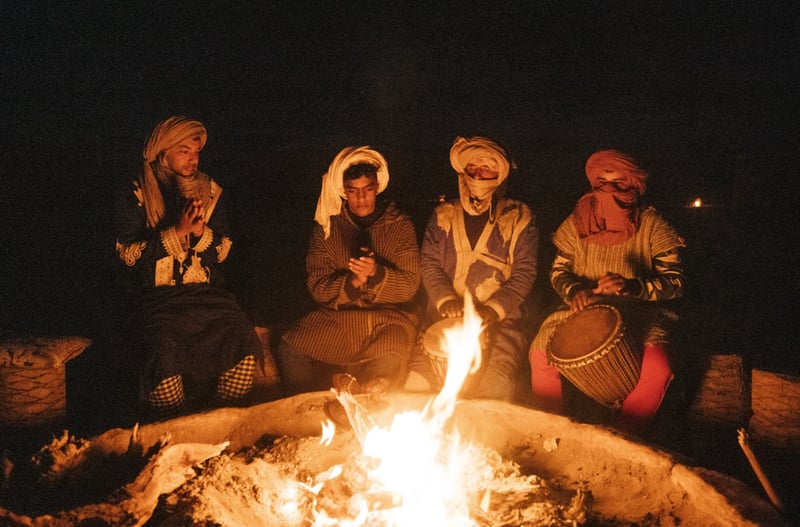
Au départ de Marrakech, cet itinéraire traverse le Haut Atlas vers le sud avant de rejoindre les paysages désertiques isolés des environs de Zagora et Mhamid. Le trek commence près de Faija et s’enfonce progressivement dans le Sahara, où les plateaux rocheux, les oasis cachées et les vallées fluviales asséchées mènent vers les impressionnantes dunes d’Erg Chegaga.
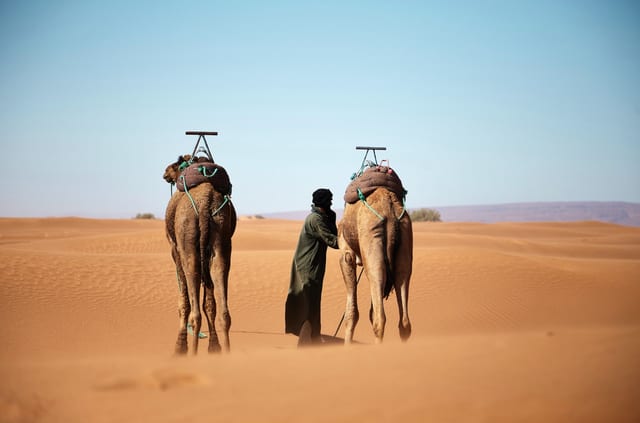
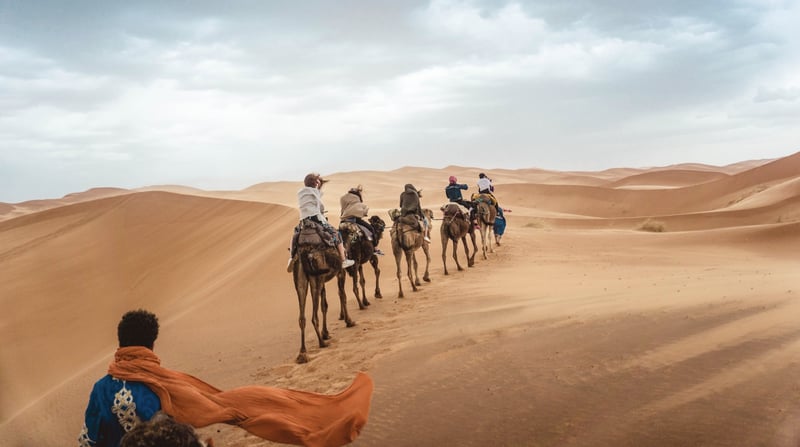
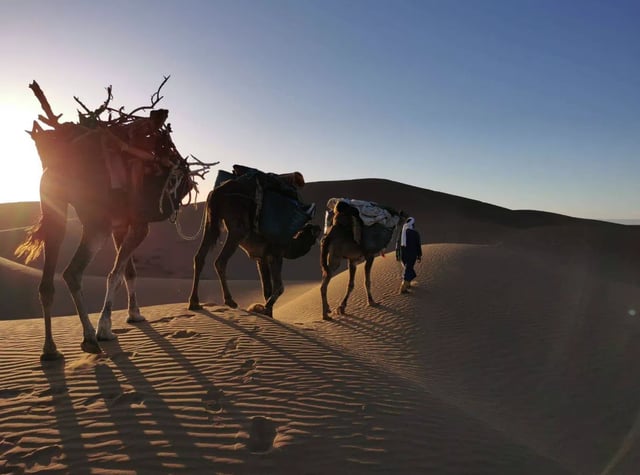
Pendant plusieurs jours de marche, vous voyagerez avec une caravane de dromadaires et une équipe locale, en séjournant dans des camps du désert et des tentes partagées. L’itinéraire convient aux personnes ayant une condition physique correcte. La plupart des journées de trekking durent environ quatre à cinq heures, à un rythme régulier qui vous permet de profiter des paysages et de l’atmosphère.
Encadrée par une équipe locale expérimentée, cette expérience repose sur une randonnée sûre, bien organisée, et sur un véritable moment passé dans le désert. Des guides certifiés CFAMM encadrent l’itinéraire, tandis que les chameliers et les cuisiniers prennent en charge la logistique du camp, les repas et le transport des bagages tout au long du trek.
Plutôt que de passer rapidement d’un point de vue à l’autre, l’itinéraire vous laisse le temps de comprendre le rythme du Sahara. Marcher à travers des paysages variés, partager les repas au camp et voyager aux côtés de l’équipe de dromadaires offre une manière plus authentique de découvrir cette région du sud du Maroc.
Votre voyage commence à 8h avec le départ de Marrakech, en traversant le col de Tizi n’Tichka, l’une des routes de montagne les plus élevées et les plus pittoresques du Maroc. L’itinéraire se poursuit par Ouarzazate et Zagora, en passant par des palmeraies, des villages et des paysages aux portes du désert, avant de bifurquer près du célèbre panneau “52 Days to Timbuktu”.
De là, la route mène vers le plateau de Faija, où le premier campement pour la nuit est installé. Cette première journée est principalement consacrée au trajet, mais elle permet de découvrir clairement l’évolution des paysages entre Marrakech, le Haut Atlas et le Sahara.
Après le petit-déjeuner, les dromadaires sont chargés et le trek commence véritablement. L’itinéraire franchit le col d’Oum Laachar avant de suivre un lit de rivière asséché à travers un désert isolé, avec de petites montées et descentes qui rythment la marche.
Une oasis cachée apparaît entre les montagnes, offrant un contraste bienvenu avec les environs rocailleux. En fin d’après-midi, vous atteindrez le camp installé au bord de l’Oued Mhasser après environ cinq heures de marche.
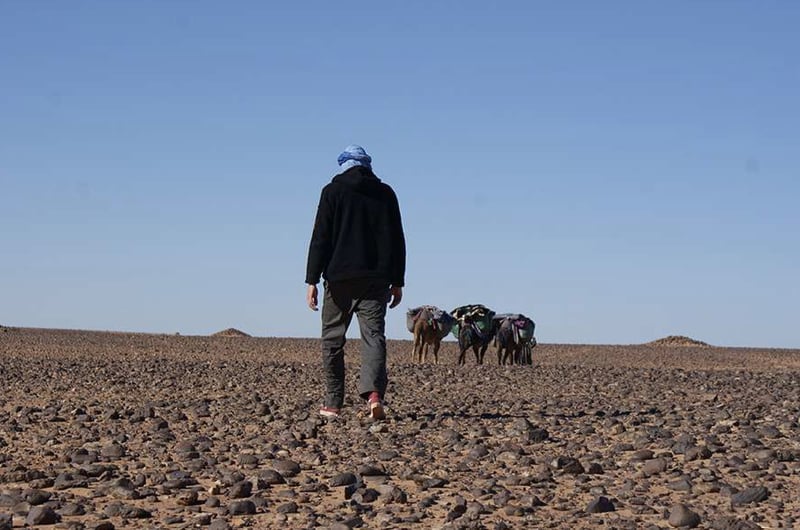
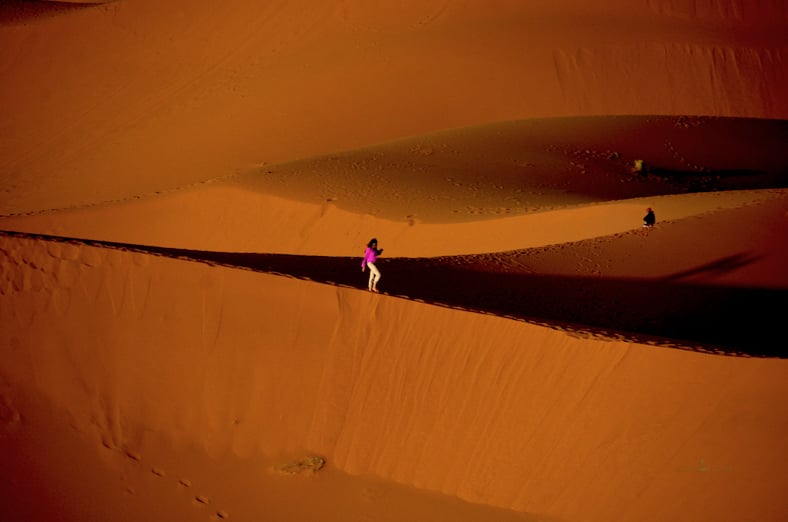
L’itinéraire du jour suit l’Oued Mhasser avant de traverser un vaste paysage désertique couvert de galets. Par temps clair, les dunes d’Erg Chegaga commencent à apparaître au loin et grandissent à mesure que le trek se rapproche de l’une des zones dunaires les plus impressionnantes du Sahara.
Le camp est installé sur un plateau près des dunes, vous laissant le temps de profiter de la lumière du soir sur le sable avant le dîner. À la tombée de la nuit, le groupe s’installe dans des tentes traditionnelles et un repas fraîchement préparé est servi autour du camp.
Les lève-tôt peuvent gravir les dunes avant le petit-déjeuner pour observer le désert s’illuminer peu à peu sous le soleil du matin. Le trek se poursuit ensuite à travers un lac asséché et un désert rocailleux, en passant par l’Oued Laatach, également appelé la “rivière de la soif”.
En chemin, vous pourrez apercevoir des campements nomades et des troupeaux de chèvres avant de traverser une nouvelle zone rocailleuse en direction des dunes plus modestes de Bougarne. Bien qu’elles soient moins élevées qu’Erg Chegaga, ces dunes offrent de vastes panoramas sur le désert environnant et constituent un endroit paisible pour camper.
Après Bougarne, l’itinéraire traverse un vaste plateau rocailleux où les couleurs minérales et les grands espaces donnent au paysage une atmosphère très différente de celle des dunes de sable. Cette journée de marche est plus longue, mais l’itinéraire reste régulier et sans difficulté technique.
Le camp est installé près de l’Oued Naam, connu pour son puits, une source d’eau essentielle dans cet environnement aride. Il sera peut-être possible de se laver, mais l’eau est limitée dans cette partie du Sahara. Votre guide vous expliquera donc comment l’utiliser avec précaution et respect.
Un départ matinal permet d’effectuer la dernière section du trek, en traversant de petites dunes et une forêt de tamaris avant d’atteindre Mhamid, le dernier village avant le Sahara ouvert. C’est ici que vous direz au revoir à l’équipe de dromadaires après plusieurs jours passés ensemble à voyager dans le désert.
Le retour vers Marrakech commence ensuite en véhicule, en repassant par Zagora et Ouarzazate. Après une longue journée de trajet, vous passerez la nuit à Marrakech avant votre départ définitif le lendemain.
L’hébergement comprend un hôtel confortable ou un riad à Marrakech, ainsi que des nuits en bivouac dans le désert pendant la partie trekking. Dans le Sahara, les participants séjournent dans de grandes tentes partagées, généralement prévues pour deux personnes, avec des matelas en mousse fournis.
Les camps dans le désert sont simples mais bien organisés ; l’équipe qui vous accompagne s’occupe des repas, du montage du camp et de la logistique. Les installations sont naturellement limitées dans les régions isolées. Cette expérience convient donc particulièrement aux voyageurs à l’aise avec des conditions simples et heureux de passer plusieurs jours loin du confort quotidien.
Oui, ce trek convient aux voyageurs actifs capables de marcher plusieurs heures par jour, même s’ils n’ont encore jamais randonné dans le Sahara. L’itinéraire est considéré comme facile à modéré : il ne comprend pas d’escalade technique, mais demande de l’endurance et la volonté de marcher sur le sable, les pierres et les étendues désertiques ouvertes.
La plupart des journées de marche durent environ quatre à cinq heures, avec des pauses prévues tout au long de l’itinéraire. Le guide maintiendra un rythme accessible et la caravane de dromadaires transportera les principaux bagages. Vous n’aurez donc qu’à porter un petit sac à dos avec l’essentiel, comme de l’eau, une protection solaire et vos effets personnels.
La plupart des journées de trekking comprennent environ cinq heures de marche, même si la dernière section jusqu’à Mhamid dure généralement plutôt quatre heures. Les première et dernière grandes journées de voyage comprennent de longs transferts en véhicule ; la marche est donc concentrée sur la partie désertique de l’itinéraire.
Les distances peuvent sembler différentes dans le Sahara, car marcher sur du sable meuble ou un sol rocailleux demande davantage d’efforts que marcher sur des sentiers aménagés. Des pauses régulières, des arrêts déjeuner et un rythme régulier rendent l’itinéraire plus confortable et laissent le temps de profiter de l’évolution des paysages.
Il s’agit principalement d’un trek pédestre accompagné de dromadaires, et non d’un séjour entièrement consacré aux promenades à dos de dromadaire. Les dromadaires transportent les bagages, le matériel de camping et les provisions entre les camps, ce qui vous permet de marcher plus confortablement sans sac lourd.
Selon les conditions, l’itinéraire et l’appréciation du guide, de courtes occasions de monter à dos de dromadaire peuvent se présenter, mais cela doit être considéré comme un extra possible plutôt que comme l’activité principale. L’expérience est centrée sur la randonnée à travers le Sahara aux côtés de l’équipe de dromadaires.
Erg Chegaga est réputé pour être plus isolé que certaines zones dunaires du Maroc plus facilement accessibles. Il se trouve au-delà de Mhamid, là où la route goudronnée s’arrête. Il faut donc prévoir un trajet plus long, ce qui donne au trek une véritable impression de pleine nature.
La région associe de grandes dunes à des plateaux rocheux, des lits de rivières asséchés, des tamaris et quelques campements nomades. Cette diversité rend le voyage plus complet qu’une simple visite d’un point de vue sur les dunes, car vous découvrez plusieurs environnements désertiques différents au fil de la semaine.
Les camps sont simples et fonctionnels, conçus pour accompagner un trek dans les conditions isolées du Sahara. Pendant la partie désertique, l’hébergement se fait généralement dans de grandes tentes partagées pour deux personnes, avec des matelas en mousse fournis pour dormir.
L’équipe installe le camp, prépare les repas et gère la logistique principale, mais les installations sont naturellement limitées. Les douches et le confort quotidien ne sont pas toujours disponibles dans le désert, en pleine nature. Il est donc important d’arriver avec des attentes réalistes et un esprit souple.
La pension complète est incluse pendant le séjour, ainsi que l’eau minérale en bouteille, le café et le thé à la menthe marocain. Les repas sont préparés par le cuisinier qui vous accompagne et se composent généralement de plats marocains consistants, adaptés aux journées de trekking.
Les boissons supplémentaires ne sont pas incluses ; vous pourrez donc apporter ou acheter ce dont vous avez besoin avant de partir dans le désert. L’eau est particulièrement importante dans le Sahara, et votre guide vous expliquera comment vous hydrater correctement tout au long de l’itinéraire.

À propos du centre
Marrakech
Géré par Adrar Travel, partenaire de adventuro.
Central & Atlas Mountains, Morocco
À partir de €1020
Central & Atlas Mountains, Morocco
À partir de €780
North Atlantic & Rif, Morocco
À partir de $720
Central & Atlas Mountains, Morocco
À partir de €660
Central & Atlas Mountains, Morocco
À partir de €660
Central & Atlas Mountains, Morocco
À partir de €660
Central & Atlas Mountains, Morocco
À partir de €600
Central & Atlas Mountains, Morocco
À partir de $700
Central & Atlas Mountains, Morocco
À partir de €600
Central & Atlas Mountains, Morocco
À partir de €600
Central & Atlas Mountains, Morocco
À partir de €899