We partner with Rewilding Britain to help protect our natural spaces for future adventures.
All centres are vetted for safety and quality. Your adventure is in good hands with adventuro.
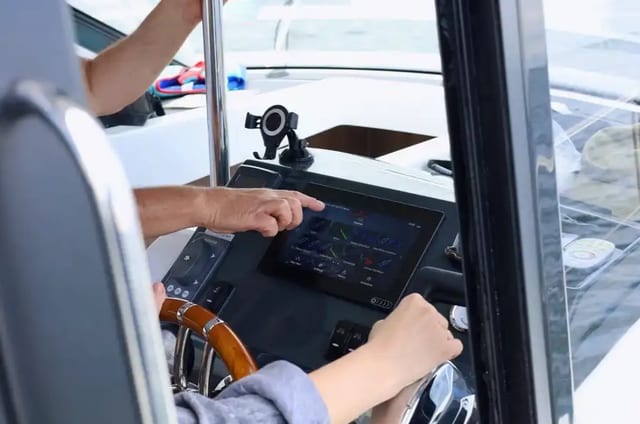
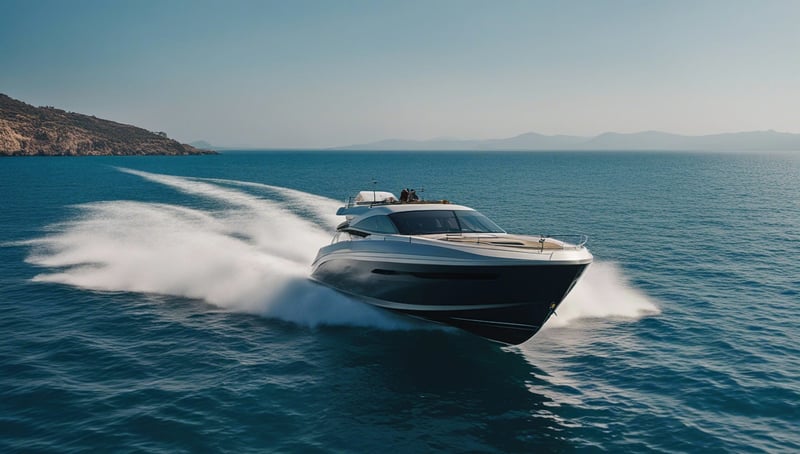
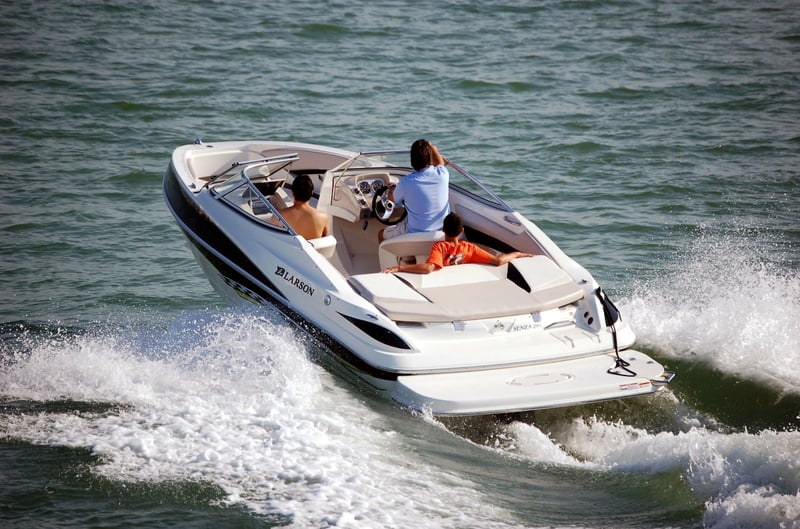
Gaining confidence in offshore navigation takes time, structure and the right guidance. This advanced theory course is designed to support skippers preparing for Yachtmaster level, with the option to study in a classroom or online at your own pace. It’s a detailed and rewarding step that strengthens decision-making for longer passages.
From the outset, the course builds on existing navigation knowledge and moves into more complex, real-world scenarios. In the classroom, sessions are structured and interactive, with clear explanations and time to work through exercises with instructor support. If you choose the online option, the same material is delivered through guided modules that you can complete around your schedule, allowing you to revisit topics as needed.
As the course progresses, you’ll work through detailed chartwork, tidal planning and offshore passage preparation, developing the ability to plan safe and efficient routes. Weather systems, collision regulations and electronic navigation are covered in depth, helping you understand not just how to navigate, but why decisions are made. By the end, you’ll feel far more confident interpreting conditions, planning passages and preparing for Yachtmaster practical assessments.
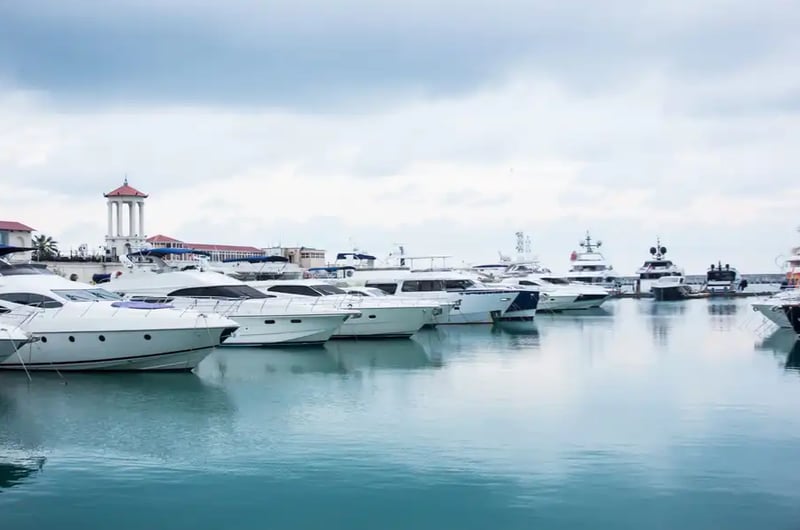
Classroom training takes place in Southampton, primarily around Hamble Point Marina and Marchwood, both well-known hubs for boating on the south coast. These venues provide a focused learning environment with easy access, parking and nearby facilities, making them convenient for both local and travelling students.
For those choosing the online option, the course can be completed from anywhere in the UK. The knowledge gained is directly applicable to coastal and offshore waters, particularly in areas like the Solent where tidal streams, traffic and navigation challenges reflect real-world conditions you’ll encounter as a skipper.
This course is aimed at those with existing boating knowledge, ideally to the level of Day Skipper theory or similar experience. You should already feel comfortable with basic chartwork, tides and navigation concepts before starting, as the pace moves quickly into more advanced material.
While there are no formal entry requirements, some practical experience on the water will help you relate the theory to real situations. If you’re unsure whether you’re ready, guidance can be provided to help you choose the right starting point.
Training is delivered with a strong focus on clarity and real-world application, making complex topics easier to understand and apply. Sessions are structured but relaxed, giving you the space to ask questions, work through challenges and build confidence at your own pace. Whether in the classroom or online, the aim is to make advanced navigation feel manageable and relevant.
Rob brings decades of experience from offshore sailing, global passages and professional instruction, shaping the way the course is taught. His approach is practical and supportive, helping you link theory to real situations you’ll face on the water. The result is a course that not only prepares you for exams, but leaves you feeling ready to plan and manage your own passages with confidence.
It’s strongly recommended that you have knowledge equivalent to Day Skipper theory before starting. This ensures you can keep up with the pace and fully understand the more advanced topics covered.
If you haven’t completed Day Skipper but have practical experience and a good grasp of navigation basics, you may still be suitable. It’s worth checking beforehand to make sure you’ll get the most from the course.
The classroom option is usually delivered over six full days or split across three weekends. Each session builds on the last, combining teaching, worked examples and practice exercises.
There’s a balance between explanation and hands-on work, so you’re not just listening but actively applying what you learn. This helps reinforce understanding and builds confidence steadily.
Classroom learning offers direct interaction, immediate feedback and group discussion, which many people find helpful when tackling complex topics.
Online learning provides flexibility, allowing you to study at your own pace and revisit material as needed. Both routes cover the same syllabus and lead to the same certification.
Assessment is carried out through exercises and tests during the course rather than a single final exam. These help confirm your understanding of key topics.
Instructors guide you through any areas you find challenging, ensuring you’re confident before moving on. The focus is on learning, not just passing.
This is a step up from Day Skipper and covers more detailed and technical material. It requires concentration and a willingness to practise.
However, with structured teaching and support, most learners find it manageable and rewarding. The key is staying engaged and asking questions when needed.
For classroom learning, you’ll need basic stationery and ideally your own navigation tools such as plotter and dividers, although these can often be purchased if needed.
Online learners will need a computer or tablet with internet access. Having a quiet space to study and practise exercises will help you get the most from the course.
While it’s possible, having some time on the water makes it easier to relate theory to real situations. Concepts like tides and passage planning are clearer when you’ve seen them in action.
If you’re new to boating, you might consider gaining some experience or completing a lower-level course first to build confidence.
This course provides the theoretical foundation needed for Yachtmaster Coastal and Offshore practical assessments. It helps you plan passages, understand conditions and make informed decisions.
While it’s not always mandatory, it’s widely recommended and gives you a much stronger position when moving into practical training.
By the end of the course, you’ll have the knowledge and tools to plan and manage coastal and offshore routes. You’ll understand how to factor in tides, weather and navigation hazards.
Confidence continues to build with experience, but this course gives you a solid framework to start making your own decisions on the water.
About the centre
Hamble-le-Rice, Southampton
Operated by Associated Marine Training / AMT Boat Experiences Ltd, a partner of adventuro.

Derbyshire and Nottinghamshire, United Kingdom
From £480


Derbyshire and Nottinghamshire, United Kingdom
From £430

Cataluña (Catalonia), Spain
From €1795
Somerset and Dorset, United Kingdom
From £450

Surrey, East and West Sussex, United Kingdom
From £520

Hampshire and Isle of Wight, United Kingdom
From £1895
Hampshire and Isle of Wight, United Kingdom
From £995
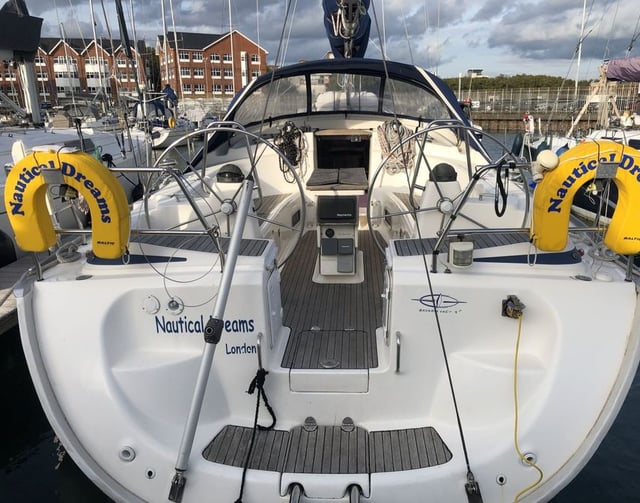
Hampshire and Isle of Wight, United Kingdom
From £820
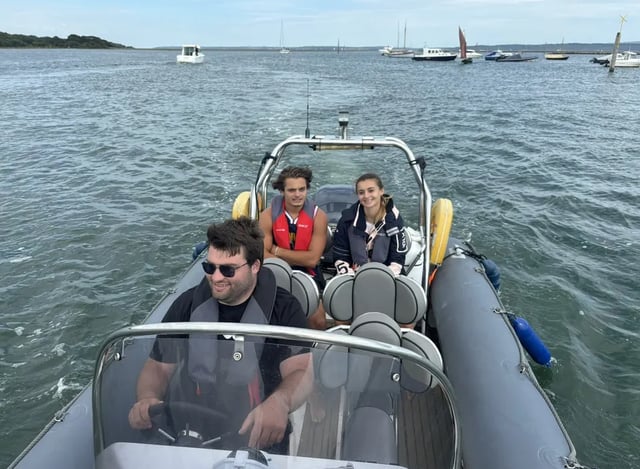
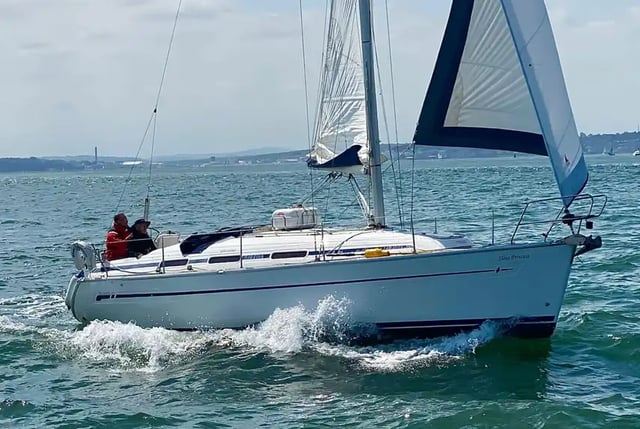
Hampshire and Isle of Wight, United Kingdom
From £495